Sermones Bíblicos
La gracia en la hoja
John Newton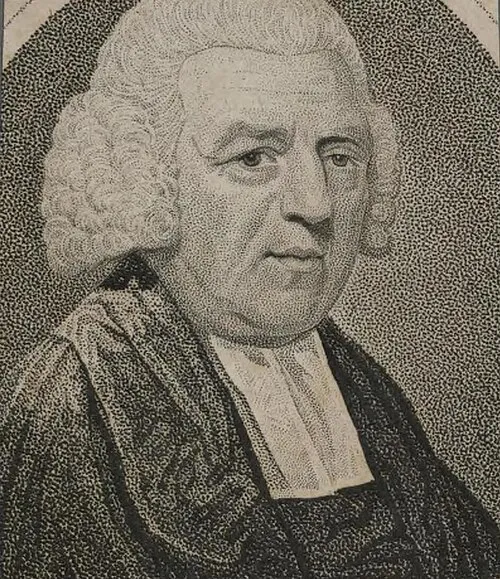
La gracia en la hoja
Querido señor,
Según tu deseo, me siento a darte mis ideas generales acerca de una obra progresiva de la gracia, en los diversos estadios de la experiencia de un creyente, que señalaré con los distintos caracteres A, B y C, correspondientes a las distinciones que nuestro Señor nos enseña a observar en el crecimiento del trigo, Marcos 4:28: «Primero hierba, luego espiga, después grano lleno en la espiga». [N. del T.: Newton llama a estos tres estadios blade, ear y full corn; en esta serie se vierten hoja, espiga y grano maduro. La RV1909 dice hierba, espiga y grano lleno en la espiga.] El Señor conduce a todo su pueblo, de un modo eficaz y salvador, al conocimiento de las mismas verdades esenciales, pero con tal variedad de métodos, que será preciso, en esta disquisición, dejar de lado, en cuanto sea posible, aquellas cosas que puedan ser solo personales y ocasionales en la experiencia de cada uno, y recoger únicamente aquellas que, en mayor o menor grado, son comunes a todos ellos. No te daré, por tanto, una copia de mi propia experiencia, ni de la de individuo alguno; sino que procuraré, tan claramente como pueda, exponer lo que la Escritura nos enseña acerca de la naturaleza y los elementos esenciales de una obra de gracia, en cuanto esto admita una aplicación general a todos aquellos que son sujetos de las operaciones de la gracia.
Por naturaleza, todos estamos muertos en transgresiones y pecados: no solo extraños a Dios, sino en un estado de enemistad y oposición a su gobierno y a su gracia. A este respecto, cualquiera que sea la diferencia que pueda haber en los caracteres de los hombres como miembros de la sociedad, todos, sean sabios o ignorantes, sean sobrios o profanos, son igualmente incapaces de recibir o de aprobar las verdades divinas, 1 Corintios 2:14. Sobre esta base, nuestro Señor declara: «Ninguno puede venir a mí, si el Padre que me envió no le trajere». Aunque el término Padre expresa las más de las veces una distinción conocida e importante en la Trinidad adorable, entiendo que nuestro Señor lo usa a veces para denotar a Dios, o la naturaleza divina, en contraposición a su humanidad, como en Juan 14:9. Y esto tengo por el sentido aquí: «Nadie puede venir a mí, a menos que sea enseñado por Dios», y obrado por un poder divino. El ejercicio inmediato de este poder, según la economía de la salvación, se atribuye más bien al Espíritu Santo que al Padre, Juan 16:8-11. Pero es el poder del Dios y Padre de nuestro Señor Jesucristo; y por eso se atribuye por separado al Padre, al Hijo y al Espíritu, Juan 5:21, y capítulo 6:44, 63; 2 Corintios 3:18; 2 Tesalonicenses 3:5.
Por A entendería yo a una persona que está bajo las atracciones de Dios, las cuales lo llevarán infaliblemente al Señor Jesucristo, para vida y salvación. El comienzo de esta obra es instantáneo. Se efectúa por cierta especie de luz comunicada al alma, a la cual esta era antes del todo extraña. Los ojos del entendimiento son abiertos e iluminados. La luz concedida al principio es débil e indistinta, como el alba de la mañana; pero, una vez comenzada, ciertamente aumentará y se extenderá hasta el día perfecto. Solemos hablar como si la convicción de pecado fuera la primera obra de Dios sobre el alma a la que él, por misericordia, está a punto de atraer hacia sí. Pero creo que esto es inexacto. La convicción es solo una parte, o más bien un efecto inmediato, de aquella primera obra; y hay muchas convicciones que no brotan en absoluto de ella y, por tanto, son solo ocasionales y temporales, aunque por una temporada puedan ser muy agudas y pongan a una persona a hacer muchas cosas. Para una debida convicción de pecado, hemos de tener previamente algunas concepciones adecuadas del Dios con quien tenemos que tratar. Sin esto, puede temerse el pecado como peligroso; pero su naturaleza y su demérito solo pueden entenderse por contraste con la santidad, la majestad, la bondad y la verdad del Dios contra quien se comete. Ningún medio exterior, ninguna misericordia, ningún juicio ni ninguna ordenanza pueden comunicar tal descubrimiento de Dios, ni producir tal convicción de pecado, sin el concurso de esta luz y este poder divinos en el alma. La conciencia natural y las pasiones naturales pueden, en efecto, ser movidas por medios exteriores hasta el punto de suscitar algunos deseos y esfuerzos; pero, si estos no se fundan en una aprehensión espiritual de las perfecciones de Dios, conforme a la revelación que él ha hecho de sí mismo en su palabra, tarde o temprano vendrán a parar en nada; y la persona afectada o volverá por grados a sus caminos de antes, 2 Pedro 2:20, o se hundirá en una forma de piedad de justicia propia, desprovista del poder, Lucas 18:11. Y por eso, como hay tantas cosas en la dispensación del evangelio aptas para obrar sobre las pasiones naturales de los hombres, los muchos y deplorables malogros y apostasías entre los que profesan la fe son más para llorarlos que para extrañarse de ellos. Porque, aunque la semilla parezca brotar y verse verde por una temporada, si no hay profundidad para que eche raíz, con toda seguridad se marchitará. Puede que seamos incapaces de juzgar con certeza, a la primera apariencia de una profesión religiosa, si la obra es así de profunda y espiritual, o no; pero «Conoce el Señor a los que son suyos»; y dondequiera que es real, es una señal infalible de salvación. Ahora bien, como Dios solo se revela así, por medio de la verdad de la Escritura, la luz recibida de este modo conduce al alma a la Escritura, de donde esa luz brota, y todas las verdades principales de la palabra de Dios empiezan pronto a percibirse y a recibir asentimiento. Se reconoce el mal del pecado, se siente el mal del corazón. Puede haber por un tiempo algunos esfuerzos por obtener el favor de Dios mediante la oración, el arrepentimiento y la reforma; pero, por lo general, no pasa mucho antes de que estas cosas se prueben vanas e ineficaces. El alma, como la mujer mencionada en Marcos 5:26, cansada de recursos vanos, se halla peor y peor, y es llevada poco a poco a ver la necesidad y la suficiencia de la salvación del evangelio. A puede ser pronto creyente hasta este punto: que cree la palabra de Dios, ve y siente que las cosas son tal como se describen, odia y evita el pecado porque sabe que desagrada a Dios y que es contrario a su bondad; recibe el testimonio que Dios ha dado de su Hijo; tiene el corazón conmovido y atraído hacia Jesús al contemplar su gloria y su amor a los pobres pecadores; se aventura sobre su nombre y sus promesas como su único aliento para venir a un trono de gracia; espera con diligencia en el uso de todos los medios señalados para la comunión y el crecimiento de la gracia; ama al pueblo del Señor, los tiene por los excelentes de la tierra y se deleita en su trato. Anhela, aguarda y ora por tener parte en aquellas bendiciones que cree que ellos gozan, y no puede contentarse con nada menos. Está convencido del poder de Jesús para salvarlo; pero, por la ignorancia que aún queda y la legalidad, por el recuerdo del pecado cometido y por el sentido de la corrupción presente, a menudo pone en duda la voluntad de Jesús; y, por no conocer la sobreabundancia de la gracia ni la seguridad de las promesas, teme que el Salvador compasivo lo aparte de sus pies con desprecio.
Mientras está así de joven en el conocimiento del evangelio, cargado de pecado y, quizá, asediado por las tentaciones de Satanás, el Señor, que «en su brazo cogerá los corderos, y en su seno los llevará», se complace, a veces, en favorecerlo con cordiales, para que no sea «consumido de demasiada tristeza». Quizá se le ensancha el corazón en la oración, o al oír, o alguna buena promesa se le trae a la mente y se le aplica con poder y dulzura. Se equivoca acerca de la naturaleza y el designio de estos consuelos, que no se le dan para que descanse en ellos, sino para animarlo a seguir adelante. Piensa que entonces está bien, porque los tiene, y espera ingenuamente tenerlos siempre. Entonces su monte permanece firme. Pero al poco tiempo siente un cambio; se le retiran los consuelos; no halla corazón para orar, ni atención al oír; el pecado que mora en él revive con nueva fuerza y, quizá, Satanás vuelve con furia redoblada. Entonces no sabe qué hacerse: piensa que sus esperanzas fueron presuntuosas, y sus consuelos, engaños. Desea sentir algo que le dé un título para confiar en las promesas gratuitas de Cristo. Son muy estrechas sus miras de cuán lleno de gracia es el Redentor; no ve la armonía y la gloria de los atributos divinos en la salvación de un pecador; suspira por misericordia, pero teme que la justicia esté contra él. Con todo, por estas dispensaciones cambiantes, el Señor lo está formando y lo va sacando adelante. Recibe gracia de Jesús, por la cual queda capacitado para pelear contra el pecado; su conciencia es tierna; sus aflicciones son principalmente aflicciones espirituales; y piensa que, si tan solo pudiera alcanzar un sentido seguro y permanente de su aceptación en el Amado, casi ninguna prueba exterior sería capaz de causarle mucha turbación. Ciertamente, a pesar de la debilidad de su fe y del predominio de un espíritu legal, que le hace mucho daño, hay algunas cosas en su experiencia presente que quizá mire más adelante con pesar, cuando su esperanza y su conocimiento estén más afirmados. En particular, aquella sensibilidad y aquella agudeza de apetito con que ahora asiste a las ordenanzas, deseando la leche pura de la palabra con ahínco y avidez, como el niño de pecho desea el pecho. Cuenta las horas de una ocasión a otra; y la atención y el deseo con que oye pueden leerse en su semblante. Su celo es asimismo vivo, y puede ser, por falta de más experiencia, demasiado importuno y precipitado. Tiene amor a las almas y solicitud por la gloria de Dios que, aunque a veces pueda ocasionarle dificultades, y otras veces se mezcle con algunas mociones indebidas del yo, con todo, en su principio es sumamente deseable y encomiable, Juan 18:10.
La gracia de Dios influye tanto en el entendimiento como en los afectos. Los afectos cálidos, sin conocimiento, no pueden elevarse más que hasta la superstición; y aquel conocimiento que no influye en el corazón y en los afectos no hará sino un hipócrita. El verdadero creyente es recompensado en ambos aspectos; sin embargo, podemos observar que, aunque A no carece de conocimiento, este estado se distingue más comúnmente por el calor y la viveza de los afectos. Por otra parte, conforme avanza la obra, aunque los afectos no quedan fuera, parece, con todo, que se lleva adelante principalmente en el entendimiento. El cristiano anciano tiene miras más sólidas, juiciosas y conexas del Señor Jesucristo y de las glorias de su persona y de su amor redentor; de ahí que su esperanza esté más afirmada, su dependencia sea más sencilla, y su paz y su fuerza, en igualdad de circunstancias, más permanentes y uniformes que en el caso de un joven convertido; pero este último tiene, por lo general, la ventaja en cuanto al fervor que se siente. Un árbol es más valioso cuando está cargado de fruto maduro; pero tiene una belleza particular cuando está en flor. Con A es primavera; está en flor y, por la gracia y la bendición del labrador celestial, dará fruto en la vejez. Su fe es débil, pero su corazón está cálido. Rara vez se aventurará a tenerse por creyente; pero ve, y siente, y hace aquellas cosas que nadie podría, a menos que el Señor estuviera con él. El deseo mismo y la inclinación de su alma son hacia Dios y hacia la palabra de su gracia. Su conocimiento no es más que pequeño; pero crece cada día. Si no es un padre ni un joven en la gracia, es claramente un niño. El Señor ha visitado su corazón, lo ha librado del amor al pecado y ha fijado sus deseos de modo supremo en Jesucristo. El espíritu de servidumbre se aparta de él poco a poco, y se acerca la hora de la libertad que anhela, cuando, por un descubrimiento más amplio del evangelio glorioso, le será dado conocer su aceptación y descansar sobre la salvación consumada del Señor. Entonces nos fijaremos en él bajo el nombre de B, en una segunda carta, si no te desagrada que yo prosiga el asunto.
Quedo, etc.
Ver el original (inglés)
Original en inglés
A; or, Grace in the Blade. Mark iv. 28.
Dear Sir,
According to your desire, I sit down to give you my general views of a progressive work of grace, in the several stages of a believer’s experience, which I shall mark by the different characters, A, B, C, answerable to the distinctions our Lord teaches us to observe from the growth of the corn, Mark iv. 28. “First the blade, then the ear, after that the full corn in the ear.” The Lord leads all his people effectually and savingly to the knowledge of the same essential truths, but in such a variety of methods, that it will be needful, in this disquisition, to set aside, as much as possible, such things as may be only personal and occasional in the experience of each, and to collect those only which, in a greater or less degree, are common to them all. I shall not, therefore, give you a copy of my own experience, or of that of any individual; but shall endeavour, as clearly as I can, to state what the scripture teaches us concerning the nature and essentials of a work of grace, so far as it will bear a general application to all those who are the subjects of gracious operations.
By nature we are all dead in trespasses and sins, not only strangers to God, but in a state of enmity and opposition to his government and grace. In this respect, whatever difference there may be in the characters of men as members of society, they are all, whether wise or ignorant, whether sober or profane, equally incapable of receiving or approving divine truths, 1 Cor. ii. 14. On this ground our Lord declares, “No man can come unto me, except the Father who has sent me draws him.” Though the term Father most frequently expresses a known and important distinction in the adorable Trinity, I apprehend our Lord sometimes uses it, to denote God, or the Divine Nature, in contradistinction from his humanity, as in John xiv. 9. And this I take to be the sense here: “No man can come unto me, unless he is taught of God,” and wrought upon by a divine power. The immediate exertion of this power, according to the economy of salvation, is rather ascribed to the Holy Spirit than to the Father, John xvi. 8-11. But it is the power of the God and Father of our Lord Jesus Christ; and therefore severally attributed to the Father, Son, and Spirit, John v. 21, and ch. vi. 44, 63; 2 Cor. iii. 18; 2 Thes. iii. 5.
By A, I would understand a person who is under the drawings of God, which will infallibly lead him to the Lord Jesus Christ, for life and salvation. The beginning of this work is instantaneous. It is effected by a certain kind of light communicated to the soul, to which it was before an utter stranger. The eyes of the understanding are opened and enlightened. The light at first afforded is weak and indistinct, like the morning dawn; but when it is once begun, it will certainly increase and spread to the perfect day. We commonly speak as if conviction of sin was the first work of God upon the soul that he is in mercy about to draw unto himself. But I think this is inaccurate. Conviction is only a part, or rather an immediate effect of that first work; and there are many convictions which do not at all spring from it, and therefore are only occasional and temporary, though for a season they may be very sharp, and put a person upon doing many things. In order to a due conviction of sin, we must previously have some adequate conceptions of the God with whom we have to do. Sin may be feared as dangerous without this; but its nature and demerit can only be understood by being contrasted with the holiness, majesty, goodness, and truth, of the God against whom it is committed. No outward means, no mercies, judgments, or ordinances, can communicate such a discovery of God, or produce such a conviction of sin, without the concurrence of this divine light and power to the soul. The natural conscience and passions may indeed be so far wrought upon by outward means, as to stir up some desires and endeavours; but if these are not founded in a spiritual apprehension of the perfections of God, according to the revelation he has made of himself in his word, they will sooner or later come to nothing; and the person affected will either return by degrees to his former ways, 2 Peter ii. 20, or he will sink into a self-righteous form of godliness, destitute of the power, Luke xviii. 11. And therefore, as there are so many things in the dispensation of the gospel suited to work upon the natural passions of men, the many woeful miscarriages and apostasies amongst professors are more to be lamented than wondered at. For though the seed may seem to spring up, and look green for a season, if there be not depth for it to take root, it will surely wither away. We may be unable to judge with certainty upon the first appearance of a religious profession, whether the work be thus deep and spiritual, or not; but “the Lord knows them that are his;” and wherever it is real, it is an infallible token of salvation. Now, as God only thus reveals himself by the medium of scripture-truth, the light received this way leads the soul to the scripture from whence it springs, and all the leading truths of the word of God soon begin to be perceived and assented to. The evil of sin is acknowledged, the evil of the heart is felt. There may be for a while some efforts to obtain the favour of God by prayer, repentance, and reformation; but for the most part it is not very long before these things are proved to be vain and ineffectual. The soul, like the woman mentioned Mark v. 26, wearied with vain expedients, finds itself worse and worse, and is gradually brought to see the necessity and sufficiency of the gospel-salvation. A may soon be a believer thus far: That he believes the word of God, sees and feels things to be as they are thus described, hates and avoids sin, because he knows it is displeasing to God, and contrary to his goodness; he receives the record which God has given of his Son; has his heart affected and drawn to Jesus by views of his glory, and of his love to poor sinners; ventures upon his name and promises as his only encouragement to come to a throne of grace; waits diligently in the use of all means appointed for the communion and growth of grace; loves the Lord’s people, accounts them the excellent of the earth, and delights in their conversation. He is longing, waiting, and praying for a share in those blessings which he believes they enjoy, and can be satisfied with nothing less. He is convinced of the power of Jesus to save him; but, through remaining ignorance and legality, the remembrance of sin committed, and the sense of present corruption, he often questions his willingness; and, not knowing the abounding of grace, and the security of the promises, he fears lest the compassionate Saviour should spurn him from his feet.
While he is thus young in the knowledge of the gospel, burdened with sin, and, perhaps, beset with Satan’s temptations, the Lord, “who gathers the lambs in his arms, and carries them in his bosom,” is pleased, at times, to favour him with cordials, that he may not be swallowed up with overmuch sorrow. Perhaps his heart is enlarged in prayer, or under hearing, or some good promise is brought home to his mind, and applied with power and sweetness. He mistakes the nature and design of these comforts, which are not given him to rest in, but to encourage him to press forward. He thinks he is then right, because he has them, and fondly hopes to have them always. Then his mountain stands strong. But ere long he feels a change; his comforts are withdrawn; he finds no heart to pray; no attention in hearing; indwelling sin revives with fresh strength, and, perhaps, Satan returns with redoubled rage. Then he is at his wit’s end: thinks his hopes were presumptuous, and his comforts delusions. He wants to feel something that may give him a warrant to trust in the free promises of Christ. His views of the Redeemer’s gracefulness are very narrow; he sees not the harmony and glory of the divine attributes in the salvation of a sinner; he sighs for mercy, but fears that justice is against him. However, by these changing dispensations, the Lord is training him up, and bringing him forward. He receives grace from Jesus, whereby he is enabled to fight against sin; his conscience is tender; his troubles are chiefly spiritual troubles; and he thinks, if he could but attain a sure and abiding sense of his acceptance in the Beloved, hardly any outward trial would be capable of giving him much disturbance. Indeed, notwithstanding the weakness of his faith, and the prevalence of a legal spirit, which greatly hurts him, there are some things in his present experience which he may, perhaps, look back upon with regret hereafter, when his hope and knowledge will be more established. Particularly that sensibility and keenness of appetite with which he now attends the ordinances, desiring the sincere milk of the word with earnestness and eagerness as a babe does the breast. He counts the hours from one opportunity to another; and the attention and desire with which he hears may be read in his countenance. His zeal is likewise lively; and may be for want of more experience, too importunate and forward. He has a love for souls, and a concern for the glory of God, which, though it may at some times create him trouble, and at others be mixed with some undue motions of self, yet in its principle is highly desirable and commendable, John xviii. 10.
The grace of God influences both the understanding and the affections. Warm affections, without knowledge can rise no higher than superstition; and that knowledge which does not influence the heart and affections, will only make a hypocrite. The true believer is rewarded in both respects; yet we may observe, that though A is not without knowledge, this state is more usually remarkable for the warmth and liveliness of the affections. On the other hand, as the work advances, though the affections are not left out, yet it seems to be carried on principally in the understanding. The old Christian has more solid, judicious, and connected views of the Lord Jesus Christ, and the glories of his person and redeeming love; hence his hope is more established, his dependence more simple, and his peace and strength, cœteris paribus, more abiding and uniform, than in the case of a young convert; but the latter has, for the most part, the advantage in point of sensible fervency. A tree is most valuable when laden with ripe fruit; but it has a peculiar beauty when in blossom. It is springtime with A; he is in bloom, and, by the grace and blessing of the heavenly husbandman, will bear fruit in old age. His faith is weak, but his heart is warm. He will seldom venture to think himself a believer; but he sees and feels, and does those things which no one could, unless the Lord was with him. The very desire and bent of his soul is to God, and to the word of his grace. His knowledge is but small; but it is growing every day. If he is not a father or a young man in grace, he is a clear child. The Lord has visited his heart, delivered him from the love of sin, and fixed his desires supremely upon Jesus Christ. The spirit of bondage is gradually departing from him, and the hour of liberty, which he longs for is approaching, when, by a further discovery of the glorious gospel, it shall be given him to know his acceptance, and to rest upon the Lord’s finished salvation. We shall then take notice of him by the name of B in a second letter, if you are not unwilling that I should prosecute the subject.
I am, &c.
https://sermonesbiblicos.org/biblioteca/gracia-en-la-hoja/