Sermones Bíblicos
La gracia en el grano maduro
John Newton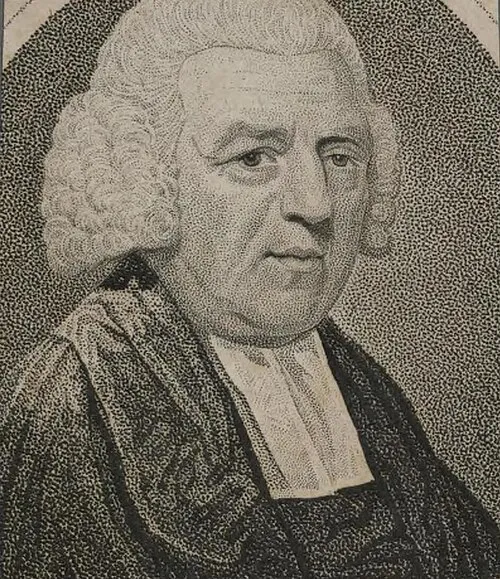
La gracia en el grano maduro
Querido señor,
A modo de distinción, asigné a A la característica del deseo, y a B la del conflicto. No se me ocurre una sola palabra más descriptiva del estado de C que contemplación. Su eminencia, en comparación con A, no consiste en el calor sensible y el fervor de sus afectos: en este respecto, muchos de los creyentes más ejemplares han vuelto la mirada, con una especie de pesar, al tiempo de sus desposorios, cuando, aunque sus juicios estaban formados solo de manera imperfecta y sus concepciones de las verdades del evangelio eran muy vagas, sentían un fervor de espíritu cuyo recuerdo es a la vez humillante y refrescante; y, sin embargo, no pueden recobrar las mismas sensaciones. Tampoco se distingue propiamente de B por la conciencia de su aceptación en el Amado, y por la capacidad de llamar a Dios su Padre; pues esto he supuesto que B lo ha alcanzado. Aunque, como hay crecimiento en toda gracia, habiendo C visto confirmadas por una experiencia más larga sus concepciones del evangelio y de la fidelidad y la misericordia del Señor, su seguridad es, por supuesto, más estable y más simple que cuando por primera vez se vio a salvo de toda condenación. Tampoco tiene C, propiamente hablando, más fuerza ni más caudal de gracia inherente en sí mismo que B, ni siquiera que A. Está en el mismo estado de dependencia absoluta, tan incapaz de realizar actos espirituales, o de resistir tentaciones, por su propio poder, como lo estaba el primer día en que emprendió el camino. Sin embargo, en un sentido, es mucho más fuerte, porque tiene un sentido más vivo y constante de su propia debilidad. El Señor lleva largo tiempo enseñándole esta lección mediante una serie de dispensaciones diversas; y, por gracia, puede decir: No ha padecido tantas cosas en vano. Su corazón lo ha engañado tantas veces, que ahora está, en buena medida, destetado de confiar en él; y por eso no encuentra tantos desengaños. Y habiendo hallado una y otra vez la vanidad de todos los demás auxilios, se le ha enseñado ahora a acudir en seguida al Señor en busca de «gracia para el oportuno socorro» en toda ocasión de necesidad. Así, es fuerte, no en sí mismo, sino en la gracia que está en Cristo Jesús.
Pero la felicidad de C y su superioridad respecto de B residen principalmente en esto: que, por la bendición del Señor sobre el uso de los medios, tales como la oración, la lectura y el oír la palabra, y por un aprovechamiento santificado de lo que ha visto del Señor y de su propio corazón en el curso de su experiencia, ha alcanzado concepciones más claras, más profundas y más abarcadoras del misterio del amor redentor; de la gloriosa excelencia del Señor Jesús, en su persona, sus oficios, su gracia y su fidelidad; de la armonía y la gloria de todas las perfecciones divinas manifestadas en él y por él a la iglesia; de la estabilidad, la hermosura, la plenitud y la certeza de las Sagradas Escrituras, y de las alturas, las profundidades, las longitudes y las anchuras del amor de Dios en Cristo. Así, aunque sus sentimientos sensibles acaso no sean tan cálidos como cuando estaba en el estado de A, su juicio es más sólido, su mente más fija, sus pensamientos más habitualmente ejercitados en las cosas que están dentro del velo. Su gran ocupación es contemplar la gloria de Dios en Cristo; y, al contemplar, es transformado en la misma imagen, y produce, de manera eminente y uniforme, los frutos de justicia, que son por Jesucristo, para gloria y alabanza de Dios. Sus contemplaciones no son especulaciones estériles, sino que tienen una influencia real, y lo capacitan para ejemplificar el carácter cristiano con más ventaja, y con más consistencia, de lo que, en el estado presente de las cosas, puede esperarse ya de A, ya de B. Los puntos siguientes pueden ilustrar lo que quiero decir.
- Humildad. Ha de esperarse una medida de esta gracia en todo verdadero cristiano; pero solo puede aparecer en proporción al conocimiento que tienen de Cristo y de sus propios corazones. Es parte de la ocupación diaria de C volver la mirada al camino por el cual el Señor lo ha guiado; y, mientras repasa los Eben-ezer que ha levantado a lo largo de todo el camino, ve, en número casi igual, los monumentos de sus propias retribuciones perversas, y cómo, en mil ocasiones, ha devuelto al Señor mal por bien. Comparando estas cosas entre sí, puede, sin afectación, adoptar el lenguaje del apóstol y llamarse a sí mismo «menos que el más pequeño de todos los santos» y, de los pecadores, «yo soy el primero». A y B saben que deben estar humillados; pero C lo está de veras, y siente la fuerza de aquel texto que mencioné en mi carta anterior, Ezequiel 16:63. Además, así como se conoce más a sí mismo, así ha visto más del Señor. La aprehensión de la majestad infinita, combinada con el amor infinito, lo hace encogerse hasta el polvo. Del ejercicio de esta gracia deriva otras dos, que son en extremo ornamentales, y ramas principales de la mente que hubo en Cristo.
La una es la sumisión a la voluntad de Dios. Las concepciones que tiene de su propia vileza, indignidad e ignorancia, y de la soberanía, la sabiduría y el amor divinos, le enseñan a contentarse en todo estado, y a llevar con resignación la suerte de sufrimiento que le ha sido asignada, conforme al lenguaje de David en un tiempo de aflicción, «Enmudecí, no abrí mi boca; porque tú lo hiciste.»
La otra es la ternura de espíritu hacia sus compañeros cristianos. No puede menos de juzgar su conducta conforme a la regla de la palabra. Pero su propio corazón, y el conocimiento que ha adquirido de los lazos del mundo y de la sutileza de Satanás, le enseñan a hacer todas las concesiones debidas, y lo capacitan para amonestar y restaurar, con espíritu de mansedumbre, a los que han sido sorprendidos en alguna falta. Aquí A suele ser reprensible; el calor de su celo, no estando debidamente corregido por el sentido de sus propias imperfecciones, lo traiciona a menudo, haciéndolo caer en un espíritu censor. Pero C puede sobrellevar también a A, porque él mismo ha sido así, y no esperará que el fruto verde esté maduro.
-
Espiritualidad. Un gusto espiritual, y una disposición a tener todas las cosas por mezquinas y vanas en comparación del conocimiento y del amor de Dios en Cristo, son esenciales para un verdadero cristiano. El mundo nunca puede ser su elección predominante, 1 Juan 2:13. Sin embargo, solo somos renovados en parte, y somos propensos a un apego indebido a las cosas mundanas. Nuestros espíritus se apegan al polvo, a despecho de los dictados de nuestros mejores juicios; y creo que el Señor rara vez concede a su pueblo una victoria considerable sobre este principio malo, hasta que les ha dejado sentir cuán profundamente está arraigado en sus corazones. A menudo podemos ver a personas enredadas y trabadas en este respecto, de cuya sinceridad en lo principal no podemos dudar con justicia; especialmente ante algún giro súbito e inesperado de la vida, que las lleva a una situación a la que no han estado acostumbradas. Una parte considerable de nuestras pruebas está misericordiosamente señalada para destetarnos de esta propensión; y esta se debilita gradualmente, al mostrarnos el Señor unas veces la vanidad de la criatura, y otras su propia excelencia y su toda suficiencia. Ni siquiera C es perfecto en este respecto; pero es más sensible al mal de tales apegos, más humillado por ellos, más vigilante contra ellos y más librado de ellos. Todavía siente un grillete, pero anhela ser libre. Los deseos que se permite se han reducido a un solo punto; y no ve nada que merezca un pensamiento serio, sino la comunión con Dios y el progreso en la santidad. Cualesquiera cambios exteriores con que C pueda encontrarse, seguirá siendo, en general, el mismo hombre. Ha aprendido, con el apóstol, no solo a padecer necesidad, sino, lo que quizá es la lección más dura, cómo estar en la abundancia. Un palacio sería para él una cárcel sin la presencia del Señor, y con ella una cárcel sería un palacio. De aquí nace una confianza pacífica en el Señor: nada tiene que no pueda encomendar a sus manos, nada que no procure habitualmente resignar a su arbitrio. Por eso no teme las malas noticias; sino que, cuando los corazones de los demás tiemblan como las hojas de un árbol, él está firme, confiando en el Señor, quien, cree él, puede y quiere resarcir toda pérdida, endulzar toda amargura y disponer que todas las cosas cooperen para su ventaja. Ve que el tiempo es corto, vive de los pregustos de la gloria y, por tanto, no tiene por preciosa su vida, ni ningún interés inferior, a fin de que pueda acabar su carrera con gozo.
-
Una unión del corazón con la gloria y la voluntad de Dios es otra noble distinción del espíritu de C. La gloria de Dios y el bien de su pueblo están inseparablemente enlazados. Pero, de estos grandes fines, el primero es indeciblemente el más alto y el más importante, y aquel en el cual todo lo demás se resolverá finalmente. Ahora bien, a medida que avanzamos más cerca de él, nuestro juicio, nuestro propósito y nuestro fin serán conformes a los suyos, y su gloria tendrá el lugar más alto en nuestros corazones. Al principio no es así, o lo es solo muy imperfectamente. Nuestra preocupación es principalmente por nosotros mismos; ni puede ser de otro modo. El alma convencida pregunta: ¿Qué haré para ser salvo? El joven convertido está pendiente de los consuelos sensibles; y en las temporadas en que ve segura su parte en Cristo, la perspectiva de los trabajos con que puede encontrarse en la vida lo hace desear a menudo una despedida temprana, para estar en reposo y evitar el calor y el peso del día. Pero C ha alcanzado concepciones más amplias; tiene deseo de partir y de estar con Cristo, el cual sería importuno si solo se considerara a sí mismo; pero su deseo principal es que Dios sea glorificado en él, ya por su vida, ya por su muerte. No se pertenece a sí mismo; ni desea pertenecerse; pero, para que el poder de Jesús se manifieste en él, se complacerá en las flaquezas, en las angustias, en las tentaciones; y, aunque anhela el cielo, se contentaría con vivir sobre la tierra tanto como Matusalén, si por algo que pudiera hacer o padecer pudieran promoverse la voluntad y la gloria de Dios. Y aunque ama y adora al Señor por lo que ha hecho y padecido por él, por aquello de lo que lo ha librado y por aquello a lo que lo ha destinado, también lo ama y lo adora con un amor más simple y directo, en el cual el yo queda en cierto modo olvidado, por la consideración de su gloriosa excelencia y de sus perfecciones, tal como es en sí mismo. Que Dios en Cristo es glorioso sobre todo, y bendito para siempre, es el gozo mismo de su alma; y su corazón no puede formar un deseo más alto que el de que la voluntad soberana, sabia y santa de Dios se cumpla en él y en todas sus criaturas. Sobre este gran principio se forman sus oraciones, sus designios y sus acciones. Así, C ha sido hecho ya semejante a los ángeles y, en cuanto es compatible con los restos inseparables de una naturaleza caída, la voluntad de Dios es acatada por él en la tierra como lo es por los habitantes del cielo.
El poder de la gracia divina en C puede ejemplificarse en una gran variedad de situaciones. C puede ser rico o pobre, letrado o iletrado, de un espíritu natural vivo, o de una constitución más lenta y flemática. Puede tener un camino en la vida comparativamente llano, o notablemente espinoso; puede ser ministro o laico: estas circunstancias darán cierto tinte y cierta diferencia de apariencia a la obra; pero la obra en sí es la misma; y hemos de dejar de lado, en cuanto sea posible, la consideración de todas ellas, o hacer las concesiones debidas a cada una, a fin de formar un juicio recto de la vida de fe. La expresión exterior de la gracia puede realzarse y lucir con ventaja por muchas cosas que son meramente naturales, tales como la igualdad de temperamento, el buen sentido, el conocimiento del mundo y otras semejantes; y puede oscurecerse por cosas que no son propiamente pecaminosas, sino inevitables, tales como el abatimiento de ánimo, las facultades débiles y la presión de las tentaciones, las cuales pueden tener efectos de los que no pueden dar cuenta debidamente quienes no han tenido experiencia en las mismas cosas. Una doble cantidad de gracia real, si así puedo hablar, que tiene que lidiar con una doble cantidad de estorbos, no se observará fácilmente, a menos que estos estorbos sean también conocidos y tenidos en cuenta; y una medida menor de gracia puede parecer grande cuando su ejercicio no tropieza con ningún obstáculo notable. Por estas razones, nunca podemos ser jueces competentes los unos de los otros, porque no podemos conocer de manera competente el caso entero y complejo. Pero nuestro gran y misericordioso Sumo Sacerdote conoce el todo; considera nuestra hechura, «acuérdase que somos polvo»; hace concesiones llenas de gracia, se compadece, soporta, acepta y aprueba, con juicio infalible. El sol, en su carrera diaria, no contempla sobre la tierra nada tan excelente y honorable como a C, aunque quizá esté confinado a una cabaña y sea poco conocido o notado por los hombres. Pero es el objeto y la morada del amor divino, la encomienda de los ángeles, y está madurando para la gloria eterna. ¡Feliz C! Sus fatigas, sufrimientos y ejercicios pronto llegarán a su fin; pronto se cumplirán sus deseos; y quien lo ha amado, y lo ha redimido con su propia sangre, lo recibirá a sí mismo, con un «Bien, buen siervo y fiel; entra en el gozo de tu señor.»
Si esta representación es conforme a las Escrituras, cuán grandemente se equivocan, y cuánto han de ser compadecidos, quienes, mientras hacen profesión del evangelio, parecen no tener idea alguna de los efectos que está destinado a producir en los corazones de los creyentes, sino que o bien se permiten un espíritu y una conducta mundanos, o dan rienda suelta a sus temperamentos no santificados, mediante una contienda feroz por nombres, nociones y partidos. Que el Señor nos conceda a ti y a mí crecer cada día en la experiencia de aquella sabiduría que «primeramente es pura, después pacífica, modesta, benigna, llena de misericordia y de buenos frutos, no juzgadora, no fingida.»
Quedo. etc.
Ver el original (inglés)
Original en inglés
C; or, Grace in the Full Corn in the Ear. Mark iv. 28.
Dear Sir,
By way of distinction, I assigned to A the characteristic of desire, to B that of conflict. I can think of no single word more descriptive of the state of C than contemplation. His eminence, in comparison of A, does not consist in the sensible warmth and fervency of his affections: in this respect many of the most exemplary believers have looked back with a kind of regret upon the time of their espousals, when, though their judgments were but imperfectly formed, and their views of gospel truths were very indistinct, they felt a fervour of spirit, the remembrance of which is both humbling and refreshing; and yet they cannot recall the same sensations. Nor is he properly distinguished from B by a consciousness of his acceptance in the Beloved, and an ability of calling God his father; for this I have supposed B has attained to. Though as there is a growth in every grace, C having had his views of the gospel, and of the Lord’s faithfulness and mercy, confirmed by a longer experience, his assurance is of course more stable and more simple, than when he first saw himself safe from all condemnation. Neither has C, properly speaking, any more strength or stock of grace inherent in himself than B, or even than A. He is in the same state of absolute dependence, as incapable of performing spiritual acts, or of resisting temptations, by his own power, as he was at the first day of his setting out. Yet, in a sense, he is much stronger, because he has a more feeling and constant sense of his own weakness. The Lord has been long teaching him this lesson by a train of various dispensations; and through grace he can say, He has not suffered so many things in vain. His heart has deceived him so often, that he is now in a good measure weaned from trusting to it; and therefore he does not meet with so many disappointments. And having found again and again the vanity of all other helps, he is now taught to go to the Lord at once for “grace to help in every time of need.” Thus he is strong not in himself, but in the grace that is in Christ Jesus.
But C’s happiness and superiority to B lies chiefly in this, that by the Lord’s blessing on the use of means, such as prayer, reading, and hearing of the word, and by a sanctified improvement of what he has seen of the Lord, and of his own heart, in the course of his experience, he has attained clearer, deeper, and more comprehensive views of the mystery of redeeming love; of the glorious excellency of the Lord Jesus, in his person, offices, grace, and faithfulness; of the harmony and glory of all the divine perfections manifested in and by him to the church; of the stability, beauty, fulness, and certainty of the holy scriptures, and of the heights, depths, lengths, and breadths of the love of God in Christ. Thus, though his sensible feelings may not be so warm as when he was in the state of A, his judgment is more solid, his mind more fixed, his thoughts more habitually exercised upon the things within the veil. His great business is to behold the glory of God in Christ; and by beholding, he is changed into the same image, and brings forth, in an eminent and uniform manner, the fruits of righteousness, which are by Jesus Christ to the glory and praise of God. His contemplations are not barren speculations, but have a real influence, and enable him to exemplify the Christian character to more advantage, and with more consistence, than can, in the present state of things, be expected either from A or B. The following particulars may illustrate my meaning.
- Humility. A measure of this grace is to be expected in every true Christian; but it can only appear in proportion to the knowledge they have of Christ, and of their own hearts. It is a part of C’s daily employment to look back upon the way by which the Lord has led him: and while he reviews the Ebenezers he has set up all along the road, he sees, in almost an equal number, the monuments of his own perverse returns, and how he has, in a thousand instances, rendered to the Lord evil for good. Comparing these things together, he can, without affectation, adopt the apostle’s language, and style himself “less than the least of all saints, and of sinners the chief.” A and B know that they ought to be humbled; but C is truly so, and feels the force of that text which I mentioned in my last, Ezek. xvi. 63. Again, as he knows most of himself, so he has seen most of the Lord. The apprehension of infinite majesty combined with infinite love, makes him shrink into the dust. From the exercise of this grace he derives two others, which are exceedingly ornamental, and principal branches of the mind which was in Christ.
The one is, submission to the will of God. The views he has of his own vileness, unworthiness, and ignorance, and of the divine sovereignty, wisdom, and love, teach him to be content in every state, and to bear his appointed lot of suffering with resignation, according to the language of David in a time of affliction, “I was dumb, and opened not my mouth, because thou didst it.”
The other is, tenderness of spirit towards his fellow Christians. He cannot but judge of their conduct according to the rule of the word. But his own heart, and the knowledge he has acquired of the snares of the world, and the subtlety of Satan, teach him to make all due allowances, and qualify him for admonishing and restoring, in the spirit of meekness, those who have been overtaken in a fault. Here A is usually blameable; the warmth of his zeal, not being duly corrected by a sense of his own imperfections, betrays him often into a censorious spirit. But C can bear with A likewise, because he hath been so himself, and he will not expect green fruit to be ripe.
-
Spirituality. A spiritual taste, and a disposition to account all things mean and vain, in comparison of the knowledge and love of God in Christ, are essential to a true Christian. The world can never be his prevailing choice, 1 John ii. 13. Yet we are renewed but in part, and are prone to an undue attachment to worldly things. Our spirits cleave to the dust, in defiance of the dictates of our better judgments; and I believe the Lord seldom gives his people a considerable victory over this evil principle, until he has let them feel how deeply it is rooted in their hearts. We may often see persons entangled and clogged in this respect, of whose sincerity in the main we cannot justly doubt; especially upon some sudden and unexpected turn in life, which brings them into a situation they have not been accustomed to. A considerable part of our trials are mercifully appointed to wean us from this propensity; and it is gradually weakened by the Lord’s showing us at one time the vanity of the creature, and at another his own excellence and all-sufficiency. Even C is not perfect in this respect; but he is more sensible of the evil of such attachments, more humbled for them, more watchful against them, and more delivered from them. He still feels a fetter, but he longs to be free. His allowed desires are brought to a point; and he sees nothing worth a serious thought, but communion with God and progress in holiness. Whatever outward changes C may meet with, he will, in general, be the same man still. He has learned, with the apostle, not only to suffer want, but, which is perhaps the harder lesson, how to abound. A palace would be a prison to him, without the Lord’s presence, and with this a prison would be a palace. From hence arises a peaceful reliance upon the Lord: he has nothing which he cannot commit into his hands, which he is not habitually aiming to resign to his disposal. Therefore, he is not afraid of evil tidings; but when the hearts of others shake like the leaves of a tree, he is fixed, trusting in the Lord, who, he believes, can and will make good every loss, sweeten every bitter, and appoint all things to work together for his advantage. He sees that the time is short, lives upon the foretastes of glory, and, therefore, accounts not his life, or any inferior concernment dear, so that he may finish his course with joy.
-
A union of heart to the glory and will of God, is another noble distinction of C’s spirit. The glory of God and the good of his people are inseparably connected. But of these great ends, the first is unspeakably the highest and most important, and into which everything else will be finally resolved. Now, in proportion as we advance nearer to him, our judgment, aim, and end, will be conformable to his, and his glory will have the highest place in our hearts. At first it is not so, or but very imperfectly. Our concern is chiefly about ourselves; nor can it be otherwise. The convinced soul inquires, What shall I do to be saved? The young convert is intent upon sensible comforts; and in the seasons when he sees his interest secure, the prospect of the troubles he may meet with in life makes him often wish for an early dismission, that he may be at rest, and avoid the heat and burden of the day. But C has attained to more enlarged views; he has a desire to depart and to be with Christ, which would be importunate, if he considered only himself; but his chief desire is, that God may be glorified in him, whether by his life or by his death. He is not his own; nor does he desire to be his own; but so that the power of Jesus may be manifested in him, he will take pleasure in infirmities, in distresses, in temptations; and though he longs for heaven, would be content to live as long as Methuselah upon earth, if by anything he could do or suffer, the will and glory of God might be promoted. And though he loves and adores the Lord for what he has done and suffered for him, delivered him from, and appointed him to; yet he loves and adores him likewise, with a more simple and direct love, in which self is in a manner forgot, from the consideration of his glorious excellence and perfections, as he is in himself. That God in Christ is glorious over all, and blessed for ever, is the very joy of his soul; and his heart can frame no higher wish, than that the sovereign, wise, holy will of God, may be accomplished in him, and all his creatures. Upon this grand principle his prayers, schemes, and actions are formed. Thus C is already made like the angels, and, so far as consistent with the inseparable remnants of a fallen nature, the will of God is regarded by him upon earth, as it is by the inhabitants of heaven.
The power of divine grace in C may be exemplified in a great variety of situations. C may be rich or poor, learned or illiterate, of a lively natural spirit, or of a more slow and phlegmatical constitution. He may have a comparatively smooth, or a remarkably thorny path in life; he may be a minister or a layman: these circumstances will give some tincture and difference in appearance to the work; but the work itself is the same; and we must, as far as possible, drop the consideration of them all, or make proper allowances for each, in order to form a right judgment of the life of faith. The outward expression of grace may be heightened and set off to advantage by many things which are merely natural, such as evenness of temper, good sense, a knowledge of the world, and the like: and it may be darkened by things which are not properly sinful, but unavoidable, such as lowness of spirits, weak abilities, and pressure of temptations, which may have effects that they who have not had experience in the same things, cannot properly account for. A double quantity of real grace, if I may so speak, that has a double quantity of hindrances to conflict with, will not be easily observed, unless these hindrances are likewise known and attended to; and a smaller measure of grace may appear great when its exercise meets with no remarkable obstruction. For these reasons we can never be competent judges of each other, because we cannot be competently acquainted with the whole complex case. But our great and merciful High-priest knows the whole; he considers our frame, “remembers that we are but dust:” makes gracious allowances, pities, bears, accepts, and approves, with unerring judgment. The sun, in his daily course, beholds nothing so excellent and honourable upon earth as C, though perhaps he may be confined to a cottage and is little known or noticed by men. But he is the object and residence of divine love, the charge of angels, and ripening for everlasting glory. Happy C! his toils, sufferings, and exercises will be soon at an end; soon his desires will be accomplished; and he who has loved him, and redeemed him with his own blood, will receive him to himself, with a “Well done, good and faithful servant; enter thou into the joy of thy Lord.”
If this representation is agreeable to the scriptures, how greatly are they mistaken, and how much to be pitied, who, while they make profession of the gospel, seem to have no idea of the effects it is designed to produce upon the hearts of believers, but either allow themselves in a worldly spirit and conversation, or indulge their unsanctified tempers, by a fierce contention for names, notions, and parties. May the Lord give to you and to me daily to grow in the experience of that wisdom which “is first pure, then peaceable, gentle, and easy to be entreated, full of mercy and good works, without partiality, and without hypocrisy.”
I am. &c.
https://sermonesbiblicos.org/biblioteca/gracia-en-el-grano-maduro/