Sermones Bíblicos
El testimonio interior de la fe
John Newton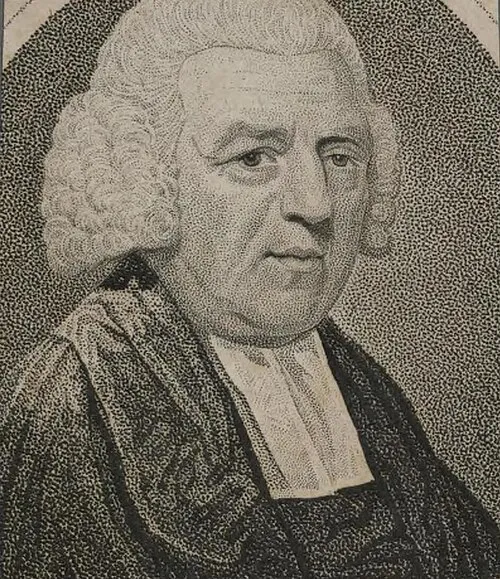
Sobre el testimonio interior del fundamento y la realidad de la fe
Señor,
De buena gana te ofrezco mis pensamientos sobre 1 Juan 5:10, «El que cree en el Hijo de Dios, tiene el testimonio en sí mismo;», aunque quizá pienses que estoy escribiendo un sermón más que una carta. Si creemos en el Hijo de Dios, sean cuales sean las pruebas con que nos encontremos en la vida presente, nuestros intereses mayores están a salvo, y nuestra felicidad está asegurada. Si no creemos, tengamos cualquier otra cosa que tengamos, o parezca que tenemos, estamos en estado de condenación; y, viviendo y muriendo así, hemos de perecer. Miles, es de temer, se persuaden de que son creyentes, aunque no pueden sostenerse ante la prueba de la Escritura. Y hay muchos creyentes verdaderos que, por el predominio de la incredulidad que aún queda y las tentaciones de Satanás, se forman conclusiones duras contra sí mismos, aunque la Escritura les habla de paz. Pero ¿cómo concuerda esto con el pasaje que tenemos delante, el cual afirma de manera universal: «El que cree en el Hijo de Dios, tiene el testimonio en sí mismo»? Porque ¿puede un hombre tener el testimonio en sí mismo y, sin embargo, no saberlo? Puede responderse: la evidencia, en su propia naturaleza, es suficiente e infalible; pero somos muy propensos, cuando queremos formarnos un juicio de nosotros mismos, a sobreañadir reglas y marcas de prueba que no se nos dan, para ese fin, en la Biblia. Que la palabra y el Espíritu de Dios dan testimonio a favor de sus hijos es un punto en el que muchos convienen, los cuales distan mucho de convenir en cuanto a la naturaleza y la manera de ese testimonio. Por tanto, es muy deseable entender rectamente la evidencia por la cual hemos de juzgar si somos creyentes o no.
La importancia y la verdad de la salvación del evangelio reciben testimonio en el cielo, por «el Padre, el Verbo, y el Espíritu». Reciben testimonio en la tierra, por «el Espíritu, y el agua, y la sangre», versículos 7 y 8. El Espíritu, en el versículo 8, denota, a mi entender, una luz divina en el entendimiento, comunicada por el Espíritu de Dios, que capacita al alma para percibir y aprobar la verdad. El agua parece indicar la influencia poderosa de este conocimiento y de esta luz en la obra de la santificación. Y la sangre, la aplicación de la sangre de Jesús a la conciencia, que la alivia de la culpa y del temor, y le imparte una «paz que sobrepuja todo entendimiento». Y el que cree tiene este testimonio unido del Espíritu, del agua y de la sangre, no solo de oídas, sino en sí mismo. Según la medida de su fe (pues la fe tiene diversos grados), tiene una prueba viva de que el testimonio es verdadero, por los efectos obrados en su propio corazón.
Estas cosas, que Dios ha unido, demasiado a menudo se intenta separarlas. Los intentos de esta clase han sido una fuente y causa principal de la mayor parte de los errores y desaciertos peligrosos que se hallan entre quienes profesan la religión. Unos hablan mucho acerca del Espíritu, y reclaman una luz interior por la cual creen conocer las cosas de Dios. Otros cargan el acento sobre el agua: mantienen una conducta ordenada, se abstienen de las contaminaciones del mundo y procuran dominar sus deseos y temperamentos naturales; pero ni los unos ni los otros parecen debidamente sensibles al valor de la sangre de la expiación, como único fundamento de su aceptación y manantial de su vida y de su fuerza. Otros, a su vez, lo ponen todo en la sangre; pueden hablar mucho de Jesús, y de su sangre y su justicia, aunque no parece que estén verdaderamente iluminados en lo espiritual para percibir la hermosura y la armonía de las verdades del evangelio, ni que guarden la debida consideración a esa santidad sin la cual nadie puede ver al Señor. Pero Jesús vino, no por agua solamente, ni por sangre solamente, sino por agua y sangre; y el Espíritu da testimonio de ambas, porque el Espíritu es la verdad. El agua sola no ofrece más que una forma de piedad fría y almidonada, desprovista de aquel poder vivificante que se deriva de conocer lo precioso que es Jesús, como el Cordero que fue inmolado. Y si algunos hablan de la sangre sin el agua, no hacen sino convertir la gracia de Dios en libertinaje; así también, pretender el Espíritu y, al mismo tiempo, tener un concepto bajo de Jesús es engaño y vanidad; porque el Espíritu verdadero testifica y toma de su gloria, y la presenta al alma. Pero el creyente verdadero recibe el testimonio unido, y tiene el testimonio en sí mismo de que así lo hace.
Tener el testimonio en nosotros mismos es tener, reveladas en nuestro corazón, las verdades que se declaran en la Escritura. Esto trae una convicción experimental, de la cual se puede depender con seguridad, de que «hemos recibido la gracia de Dios en verdad». Un ciego de nacimiento puede creer que el sol es brillante por el testimonio de otro; pero, si llegara a obtener la vista, tendría el testimonio en sí mismo. El creer brota de un sentido y una percepción de las verdades del evangelio; y quien tiene esta percepción espiritual es creyente. Tiene el testimonio en sí mismo. Ha recibido el Espíritu; su entendimiento está iluminado, por lo cual ve que las cosas son como se describen en la palabra de Dios respecto de su propio estado por el pecado, y de la imposibilidad absoluta de obtener alivio por cualquier otro medio que no sean los propuestos en el evangelio. Estas cosas nos están ocultas por naturaleza. Asimismo ha recibido la sangre. El conocimiento del pecado, y de lo que merece, si estuviera solo, nos empujaría a la desesperación; pero, por la misma luz del Espíritu, se ase de Jesús como de un Salvador idóneo y del todo suficiente. Todo lo que se declara acerca de su persona, sus oficios, su amor, sus padecimientos y su obediencia se entiende y se aprueba. Aquí el alma herida y cansada halla sanidad y reposo. Entonces se adopta el lenguaje del apóstol: «Y ciertamente, aun reputo todas las cosas pérdida por el eminente conocimiento de Cristo Jesús, mi Señor». Asimismo ha recibido el agua, considerada como emblema de la santificación. Para un creyente, todo lo que la Escritura enseña acerca de la naturaleza, la hermosura y la necesidad de la santidad, como principio vivo en el corazón, trae consigo convicción y evidencia. Una liberación tanto del poder como de la culpa del pecado aparece como parte importante y esencial de la salvación. Ve su origen y su felicidad propia: que nada menos que la comunión con Dios y la conformidad con él merece su búsqueda. Y por eso puede decir: «mi alma tiene sed de ti»; «según el hombre interior, me deleito en la ley de Dios». En una palabra, su juicio y su elección se forman sobre un gusto espiritual nuevo, derivado de la palabra escrita y correspondiente con ella, como el oído musical está adaptado para saborear la armonía: de modo que lo que Dios ha prohibido le parece odioso; lo que ha mandado, necesario; lo que ha prometido, deseable; y lo que ha revelado, glorioso. Quien tiene estas percepciones tiene el testimonio en sí mismo de que ha sido enseñado por Dios, y de que cree en su Hijo.
Si juzgas que esta explicación concuerda con la Escritura, quedarás satisfecho de que el testimonio de que habla este pasaje es muy distinto de lo que algunos entienden por él. No es un impulso, ni una persuasión fuerte impresa en nosotros de un modo del cual no podemos dar razón, de que «somos hijos de Dios», y de que nuestros pecados nos son perdonados libremente; ni es necesaria la aplicación poderosa de un texto particular de la Escritura para producirlo; ni va siempre unido a un consuelo muy vivo y que se sienta. Estas cosas, en algunas personas y en algunos casos, pueden acompañar al testimonio de que hablamos, pero no le pertenecen propiamente; y pueden falsificarse, y a menudo se han falsificado. Pero lo que he descrito es inimitable e infalible; es, de manera indudable, como los magos confesaron acerca de los milagros de Moisés, el dedo de Dios, tan ciertamente efecto de su poder divino como la creación del mundo. Es verdad que muchos de los que tienen este testimonio andan en tinieblas, y se ven acosados por muchas dudas y perplejidades acerca de su estado; pero esto no es porque el testimonio no sea suficiente para darles satisfacción, sino porque ellos no lo tienen por tal; extraviados por el influjo de la voluntad propia y de un espíritu legalista, pasan por alto esta evidencia por demasiado sencilla, y esperan algo extraordinario; al menos, piensan que no pueden estar en lo recto a menos que sean llevados por el mismo camino por el que al Señor le ha placido llevar a otros, con quienes quizá hayan conversado. Pero el Señor, el Espíritu, es soberano y libre en sus operaciones; y aunque da a todos los que son sujetos de su gracia la misma manera de ver el pecado, de verse a sí mismos y de ver al Salvador, con todo, respecto de lo circunstancial de su obra, hay, como en los rasgos de nuestros rostros, una variedad tan asombrosa, que quizá no se hallen dos personas cuyas experiencias hayan sido exactamente iguales; pero, como dice el apóstol, que «el que cree», esto es, cualquiera que cree, sin excepción, «tiene el testimonio en sí mismo», ello ha de nacer, por consiguiente, de lo que es común a todos ellos, y no de lo que es peculiar de unos pocos.
Antes de concluir, quisiera hacer dos o tres observaciones. En primer lugar, creo que está claro que la suposición de que un creyente verdadero viva en pecado, o tome del evangelio aliento para hacerlo, carece del menor fundamento en la verdad, y solo puede proceder de la ignorancia del asunto. El pecado es la carga bajo la cual gime; y no tendría por digno del nombre de salvación nada que no fuera una liberación de él. Una parte principal de su evidencia de que es creyente nace de ese aborrecimiento del pecado que siente de manera habitual. Es verdad que el pecado aún mora en él; pero lo detesta y le resiste: por esta causa está en estado de guerra continua; si no lo estuviera, no podría tener el testimonio en sí mismo de que ha nacido de Dios.
Asimismo, de aquí nace una evidencia sólida de que la Escritura es en verdad la palabra de Dios, porque describe con tanta exactitud lo que se ejemplifica en la experiencia de todos los que son sujetos de una obra de gracia. Mientras estamos en estado natural, la Escritura es para nosotros como un libro sellado; aunque podemos leerla, y quizá asentir a los hechos, no podemos entender lo que en ella nos concierne, como no podríamos si estuviera escrita en una lengua desconocida. Pero cuando la mente es iluminada por el Espíritu Santo, la Escritura se dirige a nosotros como si fuera por nuestro nombre, explica cada dificultad bajo la cual penábamos, y propone un remedio adecuado y eficaz para el alivio de todas nuestras necesidades y temores.
Por último, se sigue que la esperanza del creyente está edificada sobre un fundamento que no puede ser sacudido, aunque puede ser asaltado, y lo será. No depende de estados del alma ocasionales y mudables, ni de nada que sea precario y dudoso, sino de una correspondencia y una conformidad con la palabra escrita. Tampoco esta conformidad depende de una serie de argumentos y deducciones trabajosos, sino que es evidente por sí misma, como la luz lo es para el ojo, para toda persona que tiene una participación real de la gracia de Dios. Se acomoda por igual a todas las capacidades; por esto los que no han tenido estudios quedan capacitados para conocer su elección de Dios y para «alegrarse con gozo inefable y glorificado». Y los más sabios, si carecen de esta percepción, aunque dominen todas las evidencias externas del cristianismo y sean capaces de combatir las objeciones capciosas de los incrédulos, no pueden ver belleza real alguna en las verdades del evangelio, ni sacar de ellas consuelo sólido alguno.
Solo te he enviado unos pocos apuntes apresurados: sería fácil ampliarlos; pero me senté, no a escribir un libro, sino una carta. ¡Que este testimonio interior presida con poder en nuestros corazones, para animar nuestras esperanzas y para mortificar nuestras corrupciones!
Quedo, etc.
Ver el original (inglés)
Original en inglés
On the Inward Witness to the Ground and Reality of Faith.
Sir,
I readily offer you my thoughts on 1 John v. 10, “He that believeth on the Son of God, hath the witness in himself;” though, perhaps, you will think I am writing a sermon rather than a letter. If we believe in the Son of God, whatever trials we may meet with in the present life, our best concerns are safe, and our happiness is sure. If we do not, whatever else we have, or seem to have, we are in a state of condemnation; and living and dying so, must perish. Thousands, it is to be feared, persuade themselves that they are believers, though they cannot stand the test of scripture. And there are many real believers, who, through the prevalence of remaining unbelief and the temptations of Satan, form hard conclusions against themselves though the scripture speaks peace to them. But how does this correspond with the passage before us which asserts universally. “He that believeth, hath the witness in himself?” for can a man have the witness in himself and yet not know it? It may be answered, The evidence, in its own nature, is sufficient and infallible; but we are very apt, when we would form a judgment of ourselves, to superadd rules and marks of trial which are not given us, for that purpose, in the Bible. That the word and Spirit of God do witness for his children, is a point in which many are agreed, who are far from being agreed, as to the nature and manner of that witness. It is, therefore, very desirable rightly to understand the evidence by which we are to judge whether we are believers or not.
The importance and truth of the gospel-salvation is witnessed to in heaven, by “the Father, the Word, and the Spirit.” It is witnessed to on earth, by “the Spirit, the water, and the blood,” verses 7 and 8. The Spirit, in verse 8, I apprehend, denotes a divine light in the understanding, communicated by the Spirit of God, enabling the soul to perceive and approve the truth. The water seems to intend the powerful influence of this knowledge and light, in the work of sanctification. And the blood, the application of the blood of Jesus to the conscience, relieving it from guilt and fear, and imparting a “peace which passes all understanding.” And he that believeth hath this united testimony of the Spirit, the water, and the blood, not by hearsay only, but in himself. According to the measure of his faith (for faith has various degrees) he has a living proof that the witness is true, by the effects wrought in his own heart.
These things, which God has joined together, are too often attempted to be separated. Attempts of this kind have been a principal source and cause of most of the dangerous errors and mistakes which are to be found among professors of religion. Some say much concerning the Spirit, and lay claim to an inward light, whereby they think they know the things of God. Others lay great stress upon the water; maintaining a regular conversation, abstaining from the defilements of the world, and aiming at a mastery over their natural desires and tempers; but neither the one nor the other appear to be duly sensible of the value of the blood of atonement, as the sole ground of their acceptance, and the spring of their life and strength. Others, again, are all for the blood; can speak much of Jesus, and his blood and righteousness; though it does not appear that they are truly spiritually enlightened to perceive the beauty and harmony of gospel-truths, or that they pay a due regard to that holiness without which no man can see the Lord. But Jesus came, not by water only, or by blood only, but by water and blood; and the Spirit bears witness to both, because the Spirit is truth. The water alone affords but a cold starched form of godliness, destitute of that enlivening power which is derived from a knowledge of the preciousness of Jesus, as the Lamb that was slain. And if any talk of the blood without the water, they do but turn the grace of God into licentiousness; so, likewise, to pretend to the Spirit, and at the same time to have low thoughts of Jesus, is a delusion and vanity; for the true Spirit testifies and takes of his glory, and presents it to the soul. But the real believer receives the united testimony, and has the witness in himself that he does so.
To have the witness in ourselves, is to have the truths that are declared in the scripture revealed in our hearts. This brings an experimental conviction, which may be safely depended on, that “we have received the grace of God in truth.” A man born blind may believe that the sun is bright upon the testimony of another; but if he should obtain his sight, he would have the witness in himself. Believing springs from a sense and perception of the truths of the gospel; and whoever hath this spiritual perception is a believer. He has the witness in himself. He has received the Spirit; his understanding is enlightened, whereby he sees things to be as they are described, in the word of God, respecting his own state by sin, and the utter impossibility of his obtaining relief by any other means than those proposed in the gospel. These things are hidden from us by nature. He has likewise received the blood. The knowledge of sin, and its demerits, if alone, would drive us to despair; but by the same light of the Spirit, Jesus is apprehended as a suitable and all-sufficient Saviour. All that is declared concerning his person, offices, love, sufferings, and obedience, is understood and approved. Here the wounded and weary soul, finds healing and rest. Then the apostle’s language is adopted, “Yea, doubtless, and I count all things but loss for the excellency of the knowledge of Christ Jesus my Lord.” He has likewise received the water, considered as the emblem of sanctification. To a believer, all that the scripture teaches concerning the nature, beauty, and necessity of holiness, as a living principle in the heart, carries conviction and evidence. A deliverance from the power, as well as from the guilt of sin, appears to be an important, and essential part of salvation. He sees his original and his proper happiness, that nothing less than communion with God and conformity to him, is worth his pursuit. And therefore he can say, “My soul thirsteth for thee; I delight in the law of God after the inward man.” In a word, his judgment and his choice are formed upon a new spiritual taste, derived from the written word, and correspondent with it, as the musical ear is adapted to relish harmony: so that what God has forbidden, appears hateful; what he has commanded, necessary; what he has promised, desirable; and what he has revealed, glorious. Whoever has these perceptions, has the witness in himself, that he has been taught of God, and believes in his Son.
If you think this explanation is agreeable to the scripture, you will be satisfied that the witness spoken of in this passage, is very different from what some persons understand it to be. It is not an impulse, or strong persuasion impressed upon us in a way of which we can give no account, that “we are the children of God,” and that our sins are freely forgiven; nor is the powerful application of a particular text of scripture necessary to produce it; neither is it always connected with a very lively, and sensible comfort. These things, in some persons, and instances, may accompany the witness or testimony we are speaking of, but do not properly belong to it; and they may be, and often have been, counterfeited. But what I have described is inimitable and infallible; it is indubitably, as the magicians confessed of the miracles of Moses, the finger of God, as certainly the effect of his divine power as the creation of the world. It is true, many who have this witness walk in darkness, and are harassed with many doubts and perplexities concerning their state; but this is not because the witness is not sufficient to give them satisfaction, but because they do not account it so; being misled by the influence of self-will and a legal spirit, they overlook this evidence as too simple, and expect something extraordinary; at least, they think they cannot be right, unless they are led in the same way in which the Lord has been pleased to lead others, with whom they may have conversed. But the Lord the Spirit is sovereign and free in his operations; and though he gives to all who are the subjects of his grace, the same views of sin, of themselves, and of the Saviour; yet with respect to the circumstantials of his work, there is, as in the features of our faces, such an amazing variety, that perhaps no two persons can be found whose experiences have been exactly alike: but, as the apostle says, that “he that believeth,” that is, whosoever believeth, without exception, “has the witness in himself;” it must, consequently, arise from what is common to them all, and not from what is peculiar to a few.
Before I conclude, I would make two or three observations. In the first place, I think it is plain, that the supposition of a real believer’s living in sin, or taking encouragement from the gospel so to do, is destitute of the least foundation in truth, and can only proceed from an ignorance of the subject. Sin is the burden under which he groans; and he would account nothing short of a deliverance from it worthy the name of salvation. A principal part of his evidence, that he is a believer, arises from that abhorrence of sin which he habitually feels. It is true, sin still dwelleth in him; but he loathes and resists it: upon this account he is in a state of continual warfare; if he was not so, he could not have the witness in himself, that he is born of God.
Again, from hence arises a solid evidence, that the scripture is indeed the word of God, because it so exactly describes what is exemplified in the experience of all who are subjects of a work of grace. While we are in a natural state, it is to us as a sealed book; though we can read it, and perhaps assent to the facts, we can no more understand our own concernments in what we read, than if it was written in an unknown tongue. But when the mind is enlightened by the Holy Spirit, the scripture addresses us as it were by name, explains every difficulty under which we laboured, and proposes an adequate and effectual remedy for the relief of all our wants and fears.
Lastly, it follows, that the hope of a believer, is built upon a foundation that cannot be shaken, though it may, and will be, assaulted. It does not depend upon occasional and changeable frames, upon any that is precarious and questionable, but upon a correspondence and agreement with the written word. Nor does this agreement depend upon a train of laboured arguments and deductions, but is self-evident, as light is to the eye, to every person who has a real participation of the grace of God. It is equally suited to all capacities; by this the unlearned are enabled to know their election of God, and to “rejoice with a joy unspeakable and full of glory.” And the wisest, if destitute of this perception, though they may be masters of all the external evidences of Christianity, and able to combat the cavils of infidels, can see no real beauty in the truths of the gospel, nor derive any solid comfort from them.
I have only sent you a few hasty hints: it would be easy to enlarge; but I sat down, not to write a book, but a letter. May this inward witness preside with power in our hearts, to animate our hopes, and to mortify our corruptions!
I am, &c.
https://sermonesbiblicos.org/biblioteca/el-testimonio-interior-de-la-fe/