Sermones Bíblicos
El amor de Cristo
Robert Murray M'Cheyne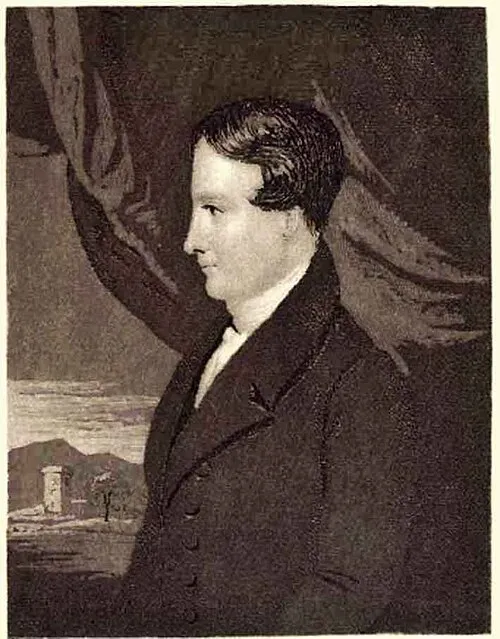
«Porque el amor de Cristo nos constriñe.» — 2 Corintios 5:14
De todos los rasgos del carácter de san Pablo, la actividad incansable era el más notable. Por la historia temprana de Pablo, que nos habla de sus esfuerzos personales por asolar la Iglesia naciente, cuando era «blasfemo y perseguidor é injuriador», es del todo evidente que esta era la característica prominente de su mente natural. Pero cuando plugo al Señor Jesucristo mostrar en él toda longanimidad, y hacerlo ejemplo de los que después habían de creer en él, es hermoso, y en extremo instructivo, ver cómo los rasgos naturales de este hombre osadamente malo quedaron no solo santificados, sino vigorizados y ensanchados; tan verdad es que los que están en Cristo son una nueva creación: «las cosas viejas pasaron; he aquí todas son hechas nuevas». «[Estando] atribulados en todo, mas no angustiados; en apuros, mas no desesperamos; perseguidos, mas no desamparados; abatidos, mas no perecemos»; este era un fiel retrato de la vida del Pablo convertido. Conociendo los terrores del Señor, y la temible situación de todos los que aún estaban en sus pecados, hizo del persuadir a los hombres el negocio de su vida; esforzándose por ver si, de algún modo, podía encomendar la verdad a sus conciencias. «Porque (dice) si loqueamos, es para Dios; y si estamos en seso, es para vosotros» (v. 13).
Ya nos tenga el mundo por sabios o por locos, la causa de Dios y de las almas humanas es la causa en la cual hemos embarcado todas las energías de nuestro ser. ¿Quién, pues, no está dispuesto a inquirir el resorte secreto de todos estos trabajos sobrenaturales? ¿Quién no desearía haber oído de los labios de Pablo el principio poderoso que lo impulsaba a través de tantos afanes y peligros? ¿Qué hechizo mágico se había apoderado de esta mente poderosa, o qué influencia planetaria invisible, con poder incesante, lo arrastraba a través de todos los desalientos, indiferente por igual a la temida risa del mundo y al temor del hombre; despreocupado por igual del desdén del ateniense escéptico, del ceño del corintio dado al lujo y de la rabia del judío de miras estrechas? ¿Qué dice el apóstol mismo? Tenemos su propia explicación del misterio en las palabras que están delante de nosotros: «El amor de Cristo nos constriñe».
I. El amor de Cristo que constriñe
Que aquí se entiende el amor de Cristo al hombre, y no nuestro amor al Salvador, es del todo evidente por la explicación que sigue, donde su morir por todos se señala como la muestra de su amor. Fue la vista de aquella extraña compasión del Salvador, que lo movía a morir por sus enemigos, a llevar el doble por todos sus pecados, a gustar la muerte por todos; fue esta vista la que dio a Pablo el impulso en cada labor, la que hizo leve para él todo sufrimiento, y no penoso todo mandamiento. Él «corrió con paciencia la carrera que le era propuesta». ¿Por qué? Porque, puestos los ojos en Jesús, vivió como un hombre «crucificado al mundo, y el mundo crucificado á él». ¿Por qué medio? Por mirar a la cruz de Cristo.
Como el sol natural en los cielos ejerce una energía de atracción poderosa e incesante sobre los planetas que giran en torno de él, así el Sol de justicia, que en verdad había nacido sobre Pablo con un resplandor superior al del mediodía, ejercía sobre su mente una energía continua y todopoderosa, constriñéndolo a no vivir ya más para sí, sino para aquel que murió y resucitó por él. Y observen que no era una energía pasajera e inconstante la que ejercía sobre su corazón y su vida, sino una atracción permanente y continua; porque no dice que el amor de Cristo lo constriñó una vez; ni que todavía lo constreñirá; ni que en tiempos de excitación, en temporadas de oración o de devoción particular, el amor de Cristo solía constreñirlo. Dijo sencillamente que el amor de Cristo lo constriñe. Es el poder siempre presente, siempre permanente, siempre en movimiento, que forma el resorte principal de todo su obrar; de modo que, quítese eso, y sus energías se van, y Pablo queda débil como los demás hombres.
¿No hay alguien que lea esto, cuyo corazón anhele poseer justamente un principio rector así? ¿No hay alguien que haya llegado a aquella etapa, la más interesante de todas las de la conversión, en la cual jadeas tras un poder que te haga nuevo? Has entrado por la puerta estrecha del creer. Has visto que no hay paz para el no justificado; y por eso te has vestido de Cristo para tu justicia; y ya sientes algo del gozo y de la paz del creer. Puedes mirar atrás, a tu vida pasada, vivida sin Dios en el mundo, y sin Cristo en el mundo, y sin el Espíritu en el mundo; puedes verte como un desechado condenado, y dices: «Aunque me lave las manos con aguas de nieve, mis propios vestidos me abominarán». Puedes hacer todo esto, con vergüenza y con reproche propio, es verdad, pero aun así sin desaliento y sin desesperación; porque tu ojo se ha alzado con fe hacia aquel que fue hecho pecado por nosotros, y estás persuadido de que, así como agradó a Dios contar todas tus iniquidades al Salvador, así él está dispuesto, y siempre ha estado dispuesto, a contarte toda la justicia del Salvador. ¿Sin desesperación, dije? No; antes bien, con gozo y con cántico; porque si de veras crees de todo corazón, entonces has llegado a la bienaventuranza del hombre al cual Dios atribuye justicia sin obras; la cual describe David, diciendo: «Bienaventurado aquel cuyas iniquidades son perdonadas, [y] borrados sus pecados. Bienaventurado el hombre á quien no imputa Jehová la iniquidad».
Esta es la paz del hombre justificado. Pero ¿es esta paz un estado de perfecta bienaventuranza? ¿No queda nada que desear? Apelo a aquellos de ustedes que saben lo que es ser justo por creer. ¿Qué es lo que aún nubla la frente, lo que reprime el júbilo del espíritu? ¿Por qué no habríamos de unirnos siempre al cántico de acción de gracias: «Bendice, alma mía á Jehová, y no olvides ninguno de sus beneficios: El es quien perdona todas tus iniquidades»? Si hemos recibido el doble por todos nuestros pecados, no habría por qué hacérsenos necesario argüir nunca como el salmista: «¿Por qué te abates, oh alma mía, y te conturbas en mí?» Amigos míos, no hay entre ustedes un hombre que haya creído de veras, que no haya sentido el pensamiento inquietante del cual hablo ahora. Puede que algunos de ustedes lo hayan sentido tan dolorosamente, que ha oscurecido, como con una nube pesada, la dulce luz de la paz del evangelio, el resplandor del rostro reconciliado que entra en el alma. El pensamiento es este: «Soy un hombre justificado; pero, ¡ay!, no soy un hombre santificado. Puedo mirar mi vida pasada sin desesperación; pero ¿cómo puedo mirar adelante, hacia lo que ha de venir?»
No hay en el universo un paisaje moral más pintoresco que el que tal alma presenta. Perdonadas todas las transgresiones pasadas, el ojo mira hacia dentro con una claridad y una imparcialidad antes desconocidas, y allí contempla sus afecciones al pecado, largo tiempo alimentadas, que, como ríos antiguos, han cavado un cauce profundo en el corazón; sus retornos periódicos de pasión, hasta aquí irresistibles y arrolladores, como las mareas del océano; sus perversidades de temperamento y de hábito, torcidas e inflexibles, como las ramas nudosas de un roble achaparrado. ¡Qué escena es esta; qué anticipación del porvenir! ¡qué presentimientos de una lucha vana contra la tiranía de la concupiscencia! ¡contra viejas cadenas de obrar, y de hablar, y de pensar! Si no fuera porque la esperanza de la gloria de Dios es uno de los derechos otorgados al hombre justificado, ¿quién se extrañaría de que esta visión de terror hiciera volver atrás a un hombre, como el perro a su vómito, o la puerca lavada a revolcarse de nuevo en el cieno?
Ahora bien, es al hombre precisamente en esta situación, que clama por la mañana y por la tarde: «¿Cómo seré hecho nuevo?» ¿De qué me servirá el perdón de mis pecados pasados, si no soy librado del amor al pecado?, es a ese hombre a quien quisiéramos ahora, con todo empeño y afecto, señalar el ejemplo de Pablo, y el poder secreto que obraba en él. «El amor de Cristo» (dice Pablo) «nos constriñe». También nosotros somos hombres de las mismas pasiones que ustedes; aquella misma vista que ustedes contemplan con desaliento dentro de sí nos fue revelada de igual modo, en todo su poder desalentador. De cuando en cuando se nos abre la misma vista horrenda de nuestros propios corazones. Pero tenemos un aliento que nunca falla. El amor del Salvador sangrante nos constriñe. El Espíritu es dado a los que creen; y ese agente todopoderoso tiene un argumento que nos mueve de continuo: el amor de Cristo.
Mi objeto presente es mostrar cómo este argumento, en la mano del Espíritu, mueve de hecho al creyente a vivir para Dios; cómo una verdad tan sencilla como el amor de Cristo al hombre, presentada de continuo a la mente por el Espíritu Santo, puede capacitar a cualquier hombre para vivir una vida de santidad evangélica. Si hay entre ustedes un hombre cuya gran indagación es: ¿Cómo seré salvo del pecado, cómo andaré como hijo de Dios?, ese es, entre todos, el hombre cuyo oído y cuyo corazón estoy deseoso de ganar.
II. Su amor quita nuestro odio
El amor de Cristo al hombre constriñe al creyente a vivir una vida santa, porque esa verdad le quita todo su pavor y todo su odio a Dios.
Cuando Adán aún no había caído, Dios lo era todo para su alma; y toda cosa le era buena y deseable solo en cuanto tenía que ver con Dios. Cada vena de su cuerpo, formada de un modo tan formidable y maravilloso, cada hoja que susurraba en las enramadas del Paraíso, cada sol nuevo que salía, alegrándose cual gigante para correr el camino, le traían cada día nuevos asuntos de pensamiento piadoso y de alabanza admirada; y solo por esa razón podía deleitarse en mirarlos. Las flores que aparecían en la tierra, el canto de las aves, y la voz de la tórtola oída por toda la tierra dichosa, la higuera que echaba sus higos verdes, y las vides con las uvas tiernas que daban buen olor: todo esto se unía para introducirle por cada poro un tributo rico y variado de agrado. ¿Y por qué? Sencillamente porque traían al alma comunicaciones ricas y variadas de la multiforme gracia de Jehová. Porque, así como quizá han visto ustedes a un niño en la tierra, entregado a su padre terrenal, complacido con todo cuando él está presente, y que estima cada dádiva justamente según muestra más de la ternura del corazón de ese padre, así era con aquel genuino hijo de Dios. En Dios vivía, y se movía, y tenía su ser; y no con más certeza el borrarse el sol en los cielos habría quitado aquella luz que es tan agradable a los ojos, de lo que el ocultarse el rostro de Dios le habría quitado la luz del alma, y dejado la naturaleza hecha un desierto oscuro y desolado.
Pero cuando Adán cayó, el buen oro se oscureció; el sistema de sus pensamientos y de sus gustos quedó sencillamente invertido. En vez de gozar a Dios en todas las cosas, y todas las cosas en Dios, ahora todo le parecía odioso y desagradable, justo en cuanto tenía que ver con Dios.
Cuando el hombre pecó, entonces temió, y odió a aquel a quien temía; y huyó a todo pecado precisamente para huir de aquel a quien odiaba. De modo que, así como quizá han visto ustedes a un niño que ha transgredido gravemente contra un padre amoroso, haciendo cuanto puede por ocultar a ese padre de su vista, apresurándose a salir de su presencia y zambulléndose en otros pensamientos y ocupaciones, solo para librarse del pensamiento de su padre justamente ofendido; de ese mismo modo, cuando el Adán caído oyó la voz de Jehová Dios que se paseaba en el huerto al aire del día, aquella voz que antes de pecar era música celestial en sus oídos, entonces «escondióse el hombre y su mujer de la presencia de Jehová Dios entre los árboles del huerto». Y del mismo modo todo hombre natural huye de la voz y de la presencia del Señor, no para esconderse bajo las espesas hojas que cobijaban el Paraíso, sino para sepultarse en cuidados, y negocios, y placeres, y banqueteos. Cualquier retiro es agradable, donde Dios no está; cualquier ocupación es tolerable, si Dios no está en los pensamientos.
Ahora estoy bien seguro de que muchos de ustedes pueden oír esta acusación contra el hombre natural con indiferencia incrédula, si no con indignación. No sienten que odian a Dios, ni que temen su presencia; y, por tanto, dicen que no puede ser verdad. Pero cuando Dios dice del corazón de ustedes que es «perverso»; cuando Dios reclama para sí el privilegio de conocer y probar el corazón, ¿no es presunción, en seres tan ignorantes como somos nosotros, decir que no es verdad respecto de nuestros corazones aquello que Dios afirma ser verdad, meramente porque no tenemos conciencia de ello? Dios dice que «la intención de la carne es enemistad contra Dios», que la fibra misma y la sustancia de una mente inconversa es odio contra Dios, odio absoluto, implacable, contra aquel en quien vivimos, y nos movemos, y somos. Es del todo cierto que no sentimos este odio dentro de nosotros; pero eso es solo un agravamiento de nuestro pecado y de nuestro peligro. De tal modo hemos obstruido las avenidas del examen de nosotros mismos, hay tantas revueltas y recodos antes de que podamos llegar a los verdaderos motivos de nuestras acciones, que nuestro pavor y nuestro odio a Dios, que movieron primero al hombre a pecar, y que son todavía las grandes fuerzas impulsoras con que Satanás aguijonea a los hijos de desobediencia; estos quedan del todo ocultos a nuestra vista, y no se puede persuadir a un hombre natural de que de veras están ahí. Pero la Biblia testifica que de estas dos raíces mortíferas —el pavor a Dios y el odio a Dios— crece el bosque espeso de pecados con que la tierra está ennegrecida y cubierta. Y si hay entre ustedes alguno que ha sido despertado por Dios para conocer lo que hay en su corazón, tomo hoy a ese hombre por testigo de que su clamor amargo, a la vista de todos sus pecados, ha sido siempre: «A ti, á ti solo he pecado».
Si, pues, el pavor a Dios y el odio a Dios son la causa de todos nuestros pecados, ¿cómo seremos curados del amor al pecado, sino quitando la causa? ¿Cómo matan ustedes con más eficacia la hierba nociva? ¿No es hiriendo la raíz? En el amor de Cristo al hombre, pues —en aquel don extraño e inefable de Dios, cuando él puso su vida por sus enemigos, cuando murió, el justo por los injustos, para llevarnos á Dios—, ¿no ven un objeto que, si el pecador lo cree de veras, le quita todo su pavor y todo su odio a Dios? La raíz del pecado queda cortada del tronco. Al llevar él el doble por todos nuestros pecados, vemos la maldición llevada lejos, vemos a Dios reconciliado. ¿Por qué habríamos de temer ya? No temiendo, ¿por qué habríamos de odiar ya a Dios? No odiando a Dios, ¿qué de apetecible podemos ver ya en el pecado? Vistiéndonos de la justicia de Cristo, quedamos otra vez puestos como lo estaba Adán, con Dios por amigo nuestro. No tenemos objeto alguno en pecar; y, por tanto, no tenemos ganas de pecar.
En el capítulo sexto de Romanos, Pablo parece hablar de que el creyente peque, como si la proposición misma fuera absurda. «Porque los que somos muertos al pecado», es decir, los que en Cristo ya hemos llevado la pena, «¿cómo viviremos aún en él?» Y otra vez dice muy osadamente: «Porque el pecado no se enseñoreará de vosotros» —es imposible en la naturaleza de las cosas— «pues no estáis bajo la ley, sino bajo la gracia»; ya no están bajo la maldición de una ley quebrantada, temiendo y odiando a Dios; están bajo la gracia; bajo un sistema de paz y de amistad con Dios.
Pero ¿hay alguien dispuesto a objetarme que, si estas cosas son así, si para una vida y una conducta santas no hace falta más que un hombre sea traído a la paz con Dios, cómo es que los creyentes todavía pecan? Respondo: es en verdad harto cierto que los creyentes pecan; pero es igualmente cierto que la incredulidad es la causa de que pequen. Si tú y yo viviéramos con el ojo tan de cerca en Cristo, que lleva el doble por todos nuestros pecados, ofreciendo libremente a todos una doble justicia por todos nuestros pecados; y si esta vista constante del amor de Cristo mantuviera dentro de nosotros, como sin duda lo haría si miráramos con ojo recto, la paz de Dios, que sobrepuja todo entendimiento —la paz que no estriba en nada que haya en nosotros, sino en la plenitud que hay en Cristo—, entonces sí digo que, frágiles e indefensos como somos, nunca pecaríamos; no tendríamos el más mínimo objeto en pecar. Pero no es así con nosotros. ¡Cuántas veces en el día está el amor de Cristo del todo fuera de la vista! ¡Cuántas veces se nos oscurece! a veces nos lo esconde Dios mismo, para enseñarnos lo que somos. ¡Cuántas veces quedamos sin el sentido real de la plenitud de su ofrenda, de la perfección de su justicia, y sin la voluntad o la confianza para reclamar un interés en él! ¿Quién puede extrañarse, entonces, de que, donde hay tanta incredulidad, el pavor y el odio a Dios se introduzcan una y otra vez, y el pecado muestre a menudo su cabeza venenosa?
El asunto es muy llano, si tan solo tuviéramos ojos espirituales para verlo. Si vivimos una vida de fe en el Hijo de Dios, entonces con seguridad viviremos una vida de santidad. No digo que debamos hacerlo; digo que lo haremos, por consecuencia necesaria. Pero en la medida en que no vivimos una vida de fe, en esa medida viviremos una vida sin santidad. Por medio de la fe purifica Dios el corazón; y no hay otro camino.
¿Hay, pues, alguno de ustedes que desee ser hecho nuevo, ser librado de la esclavitud de los hábitos y las afecciones pecaminosos? No podemos señalarte otro remedio sino el amor de Cristo. ¡Mira cómo te amó! Mira lo que llevó por ti; mete el dedo, por así decirlo, en la señal de los clavos, y mete tu mano en su costado; y no seas más incrédulo, sino fiel. Bajo el sentido de tu pecado, huye al Salvador de pecadores. Como la paloma medrosa vuela a esconderse en los agujeros de la peña, así huye tú a esconderte en las heridas de tu Salvador; y cuando lo hayas hallado, como sombra de gran peñasco en tierra calurosa; cuando te sientes bajo su sombra, con gran deleite; hallarás que ha dado muerte a toda la enemistad, que ha consumado toda tu guerra. Dios está ahora por ti. Plantado juntamente con Cristo a la semejanza de su muerte, lo serás también a la de su resurrección. Muerto al pecado, estarás vivo a Dios.
III. Su amor enciende nuestro amor
El amor de Cristo al hombre constriñe al creyente a vivir una vida santa, porque esa verdad no solo quita nuestro temor y nuestro odio, sino que enciende nuestro amor.
Cuando somos llevados a ver en paz el rostro reconciliado de Dios, eso es un gran privilegio. Pero ¿cómo podemos mirar ese rostro, que reconcilia y está reconciliado, y no amar a aquel que tanto nos ha amado? El amor engendra amor. Apenas podemos dejar de estimar a quienes en la tierra de veras nos aman, por indignos que sean. Pero cuando estamos convencidos de que Dios nos ama, y convencidos de un modo tal como por la entrega de su Hijo por todos nosotros, ¿cómo no habremos de amarlo a él, en quien están todas las excelencias—todo cuanto puede despertar el amor?
Ya les he mostrado que el evangelio es un plan restaurador; nos vuelve al mismo estado de amistad con Dios que Adán gozaba, y así quita el deseo de pecar. Pero ahora quiero mostrarles que el evangelio hace mucho más que restaurarnos al estado del cual caímos. Si lo abrazamos con rectitud y consecuencia, nos lleva a un estado mucho mejor que el de Adán. Nos constriñe con un motivo mucho más poderoso. Adán no tenía este fuerte amor de Dios al hombre derramado en su corazón; y, por tanto, no tenía este poder que constriñe para hacerlo vivir para Dios. Pero nuestros ojos han visto esta gran vista. Ante nosotros Cristo ha sido evidentemente presentado crucificado. Si de veras creemos, su amor nos ha traído a la paz, por medio del perdón; y porque estamos perdonados y en paz con Dios, se nos da el Espíritu Santo. ¿Para qué? Pues, sencillamente para derramar esta verdad sobre nuestros corazones, para mostrarnos más y más este amor de Dios hacia nosotros, a fin de que seamos atraídos a amar a aquel que tanto nos ha amado, a vivir para aquel que murió por nosotros y resucitó.
Es verdaderamente admirable ver cómo el modo bíblico de hacernos santos está ajustado a nuestra naturaleza. Si Dios hubiera propuesto asustarnos para meternos en una vida santa, ¡cuán vano habría sido el intento! Los hombres tienen siempre la idea de que, si alguno viniera de entre los muertos a hablarnos de la realidad de las regiones lúgubres donde moran en miseria sin fin los espíritus de los condenados, eso nos constreñiría a vivir una vida santa; pero ¡qué ignorancia de nuestra naturaleza misteriosa no muestra esto!
Supongan que Dios descubriera en esta misma hora, ante nuestros ojos, los secretos de aquellas moradas espantosas adonde nunca llega la esperanza; supongan, si fuera posible, que se les hiciera sentir de hecho, por un tiempo, los dolores reales del lago de agonía viva, y el gusano que no muere; y que luego se les trajera otra vez a la tierra, y se les pusiera en su antigua situación, entre sus viejos amigos y compañeros; ¿creen de veras que habría alguna posibilidad de que anduvieran con Dios como hijo? No dudo que el miedo los sacaría de sus pecados declarados; la copa del placer sin Dios se les caería de la mano; se estremecerían ante un juramento, temblarían ante una mentira, porque habrían visto y sentido algo del tormento que aguarda al borracho, y al jurador, y al mentiroso, en el mundo de más allá de la tumba; pero ¿creen de veras que vivirían para Dios más de lo que vivían, que le servirían mejor que antes? Es del todo cierto que podrían verse empujados a dar limosnas mayores; sí, a repartir toda su hacienda para dar de comer a los pobres, y a entregar su cuerpo para ser quemado; podrían vivir con rigor y sobriedad, temerosísimos de quebrantar uno de los mandamientos, todo el resto de sus días: pero esto no sería vivir para Dios; no lo amarían ni un ápice más. Están tristemente ciegos a sus corazones, de hechura tan singular, si no saben que el amor no se puede forzar; nunca nadie fue asustado hasta el amor, y por tanto nunca nadie fue asustado hasta la santidad.
Pero ¡tres veces bendito sea Dios!, él ha inventado un camino más poderoso que el infierno y todos sus terrores; un argumento mucho más fuerte aun que la vista misma de aquellos tormentos; ha inventado un modo de atraernos a la santidad. Mostrándonos el amor de su Hijo, suscita nuestro amor. Conocía nuestra condición; se acordaba de que somos polvo; conocía todas las peculiaridades de nuestros corazones traicioneros; y, por tanto, acomodó su modo de santificar a la criatura que había de ser santificada. Así, el Espíritu no se vale del terror para santificarnos, sino del amor: «El amor de Cristo nos constriñe». Nos atrae «con cuerdas de amor, con cuerdas humanas». ¿Qué padre no sabe que el verdadero modo de ganar la obediencia de un hijo es ganar los afectos del hijo? ¿Y piensan ustedes que Dios, que nos dio esta sabiduría, no lo sabe él mismo? ¿Piensan que se pondría a obtener la obediencia de sus hijos sin ganar primero sus afectos? Para ganar nuestros afectos, que por naturaleza vagan por la faz del mundo y se centran en cualquier parte menos en él, Dios ha enviado a su Hijo al mundo para llevar la maldición de nuestros pecados. «Por amor de vosotros se hizo pobre, siendo rico; para que vosotros con su pobreza fueseis enriquecidos.»
Si hay siquiera uno de ustedes que consienta hoy, bajo un sentido de su ruina, en huir en busca de refugio al Salvador, para hallar en él el perdón de todos los pecados que son pasados, bien sé que desde este día en adelante serás como aquella pobre mujer que había sido pecadora, la cual, estando detrás á sus pies, comenzó llorando á regar con lágrimas sus pies, y los limpiaba con los cabellos de su cabeza; y besaba sus pies, y los ungía con el ungüento. Perdonado de mucho, amarás mucho; amando mucho, vivirás para el servicio de aquel a quien amas. Este es el gran principio rector del cual hablamos; este es el resorte secreto de toda la santidad de los santos.
La vida de santidad no es lo que el mundo falsamente la representa: una vida de puntillosidad y de penosidad, en la cual un hombre contraría toda afección de su naturaleza. No hay tal cosa como la abnegación, en el sentido papista de esa palabra, en la religión de la Biblia. El sistema de restricciones y de contrariarse a sí mismo es el sistema mismo que Satanás ha levantado como falsificación del modo en que Dios santifica. Así es como Satanás ahuyenta a millares, apartándolos de la paz del evangelio y de la santidad del evangelio; como si ser un hombre santificado fuera ser un hombre que contraría todo deseo de su ser, que hace todo cuanto le resulta desagradable e incómodo. Amigos míos, nuestro texto nos muestra con claridad que no es así. A la santidad nos constriñe el amor de Cristo; el amor de aquel que nos amó es la única cuerda con que estamos atados al servicio de Dios. El azote de nuestros afectos es el único azote que nos empuja al deber. ¡Lazos dulces y azotes suaves! ¿Quién no querría estar bajo su poder?
IV. El amor perseverante de Cristo
Por último, si el amor de Cristo hacia nosotros es el objeto del cual se vale el Espíritu Santo, ya desde el primer momento, para atraernos al servicio de Cristo, es por medio del mismo objeto como nos atrae a perseverar hasta el fin. De modo que, si te visitan temporadas de frialdad y de indiferencia; si empiezas a cansarte, o a rezagarte en el servicio de Dios, ¡mira! aquí está el remedio: Vuelve a mirar al Salvador sangrante. Ese Sol de justicia es el gran centro de atracción, en torno del cual todos sus santos se mueven velozmente, y en suave concierto armonioso, «no sin canto». Mientras el ojo creyente está fijo en su amor, la senda del creyente es fácil y sin impedimento; porque ese amor siempre constriñe. Pero retira el ojo creyente, y la senda se vuelve impracticable, y la vida de santidad, un cansancio.
Quienquiera, pues, que quiera vivir una vida de santidad perseverante, tenga el ojo fijo en el Salvador. Mientras Pedro miraba solamente al Salvador, andaba sobre las aguas, seguro, para ir a Jesús; pero cuando miró alrededor y vio el viento fuerte, tuvo miedo y, comenzando a hundirse, clamó: «¡Señor, sálvame!» Así será contigo. Mientras mires con fe al Salvador, el cual te amó y se entregó á sí mismo por ti, podrás pisar las aguas del mar agitado de la vida, y las plantas de tus pies no se mojarán. Pero atrévete a mirar alrededor, a los vientos y a las olas que te amenazan por todas partes, y, como Pedro, empiezas a hundirte, y clamas: «¡Señor, sálvame!» Con cuánta justicia, pues, podemos dirigirte la reprensión del Salvador a Pedro: «Oh [hombre] de poca fe, ¿por qué dudaste?» Mira otra vez el amor del Salvador, y contempla ese amor que te constriñe a no vivir ya más para ti, sino para aquel que murió y resucitó por ti.
Ver el original (inglés)
Original en inglés
“For the love of Christ constraineth us.” — 2 Corinthians 5:14
Of all the features of St. Paul’s character, untiring activity was the most striking. From Paul’s early history, which tells us of his personal exertions in wasting the infant Church, when he was a “blasphemer, and a persecutor, and injurious,” it is quite obvious that this was the prominent characteristic of his natural mind. But when it pleased the Lord Jesus Christ to show forth in him all long-suffering, and to make him a pattern to them which should afterwards believe on Him, it is beautiful and most instructive to see how the natural features of this daringly bad man became not only sanctified, but invigorated and enlarged; so true it is that they that are in Christ are a new creation: “Old things pass away, and all things become new.” “Troubled on every side, yet not distressed; perplexed, but not in despair; persecuted, but not forsaken; cast down, but not destroyed;” this was a faithful picture of the life of the converted Paul. Knowing the terrors of the Lord, and the fearful situation of all who were yet in their sins, he made it the business of his life to persuade men; striving if, by any means, he might commend the truth to their consciences. “For (he says) whether we be beside ourselves, it is to God; or whether we be sober, it is for your cause” (verse 13).
Whether the world think us wise or mad, the cause of God and of human souls is the cause in which we have embarked all the energies of our being. Who, then, is not ready to inquire into the secret spring of all these supernatural labours? Who would not desire to have heard from the lips of Paul the mighty principle that impelled him through so many toils and dangers? What magic spell had taken possession of this mighty mind, or what unseen planetary influence, with unceasing power, drew him on through all discouragements, indifferent alike to the world’s dread laugh, and the fear of man; careless alike of the sneer of the skeptical Athenian, of the frown of the luxurious Corinthian, and the rage of the narrow-minded Jew? What does the apostle say himself? We have his own explanation of the mystery in the words before us: “The love of Christ constraineth us.”
I. Christ’s Constraining Love
That Christ’s love to man is here intended, and not our love to the Saviour, is quite obvious, from the explanation which follows, where His dying for all is pointed to as the instance of His love. It was the view of that strange compassion of the Saviour, moving Him to die for His enemies, to bear double for all their sins, to taste death for every man; it was this view which gave Paul the impulse in every labour, which made all suffering light to him, and every commandment not grievous. He “ran with patience the race that was set before him.” Why? Because, looking unto Jesus, he lived a man “crucified unto the world, and the world crucified unto him.” By what means? by looking to the cross of Christ.
As the natural sun in the heavens exercises a mighty and unceasing attractive energy on the planets which circle round it, so did the Sun of Righteousness, which had indeed arisen on Paul with a brightness above that of noon-day, exercise on his mind a continual and an almighty energy, constraining him to live henceforth no more unto himself, but to Him that died for him and rose again. And observe, that it was no temporary, fitful energy, which it exerted over his heart and life, but an abiding and a continued attraction; for he does not say that the love of Christ did once constrain him; or that it shall yet constrain him; or that in times of excitement, in seasons of prayer, or peculiar devotion, the love of Christ was wont to constrain him. He said simply, that the love of Christ constrains him. It is the ever-present, ever-abiding, ever-moving power, which forms the mainspring of all his working; so that, take that away, and his energies are gone, and Paul is become weak as other men.
Is there no one reading this whose heart is longing to possess just such a master-principle? Is there no one who has arrived at that most interesting of all the stages of conversion in which you are panting after a power to make you new? You have entered in at the straight gate of believing. You have seen that there is no peace to the unjustified; and therefore you have put on Christ for your righteousness; and already you feel something of the joy and peace of believing. You can look back on your past life, spent without God in the world, and without Christ in the world, and without the Spirit in the world; you can see yourself a condemned outcast, and you say: “Though I should wash my hands in snow-water, yet mine own clothes would abhor me.” You can do all this, with shame and self-reproach, it is true, but yet without dismay, and without despair; for your eye has been lifted believingly to Him who was made sin for us, and you are persuaded that, as it pleased God to count all your iniquities to the Saviour, so He is willing, and has always been willing, to count all the Saviour’s righteousness to you. Without despair, did I say? nay, with joy and singing; for if, indeed, you believe with all your heart, then you are come to the blessedness of the man to whom God imputes righteousness without works; which David describes, saying: “Blessed is he whose transgression is forgiven, whose sin is covered. Blessed is the man unto whom the Lord imputeth not iniquity.”
This is the peace of the justified man. But is this peace a state of perfect blessedness? Is there nothing left to be desired? I appeal to those of you who know what it is to be just by believing. What is it that still clouds the brow, that represses the exulting of the spirit? Why might we not always join in the song of thanksgiving: “Bless the Lord, O my soul, and forget not all his benefits: who forgiveth all thine iniquities”! If we have received double for all our sins, why should it ever be needful for us to argue as does the psalmist: “Why art thou cast down, O my soul: and why art thou disquieted within me?” My friends there is not a man among you who has really believed, who has not felt the disquieting thought of which I am now speaking. There may be some of you who have felt it so painfully, that it has obscured, as with a heavy cloud, the sweet light of gospel peace, the shining in of the reconciled countenance upon the soul. The thought is this: “I am a justified man; but, alas! I am not a sanctified man. I can look at my past life without despair; but how can I look forward to what is to come?”
There is not a more picturesque moral landscape in the universe than such a soul presents. Forgiven all trespasses that are past, the eye looks inward with a clearness and an impartiality unknown before, and there it gazes upon its long-fostered affections for sin, which, like ancient rivers, have worn a deep channel into the heart; its periodic returns of passion, hitherto irresistible and overwhelming, like the tides of the ocean; its perversities of temper and of habit, crooked and unyielding, like the gnarled branches of a stunted oak. What a scene is here; what anticipation of the future! what forebodings of a vain struggle against the tyranny of lust! against old trains of acting, and of speaking, and of thinking! Were it not that the hope of the glory of God is one of the chartered rights of the justified man, who would be surprised if this view of terror were to drive a man back, like a dog to his vomit, or the sow that was washed to wallow again in the mire?
Now it is to the man precisely in this situation, crying out at morning and at evening, “How shall I be made new?” What good shall the forgiveness of my past sins do me, if I be not delivered from the love of sin?—it is to that man that we would now, with all earnestness and affection, point out the example of Paul, and the secret power which wrought in him. “The love of Christ” (says Paul) “constraineth us.” We, too, are men of like passions with yourselves; that same sight which you view with dismay within you, was in like manner revealed to us in all its discouraging power. Ever and anon the same hideous view of our own hearts is opened up to us. But we have an encouragement which never fails. The love of the bleeding Saviour constrains us. The Spirit is given to them that believe; and that almighty agent has one argument that moves us continually—the love of Christ.
My present object is to show how this argument, in the hand of the Spirit, does move the believer to live unto God; how so simple a truth as the love of Christ to man, continually presented to the mind by the Holy Ghost, should enable any man to live a life of gospel holiness. If there be one man among you whose great inquiry is: How shall I be saved from sin, how shall I walk as a child of God? that is the man of all others, whose ear and heart I am—anxious to engage.
II. His Love Removes Our Hatred
The love of Christ to man constrains the believer to live a holy life, because that truth takes away all his dread and hatred of God.
When Adam was unfallen, God was everything to his soul; and everything was good and desirable to him, only in so far as it had to do with God. Every vein of his body, so fearfully and wonderfully made, every leaf that rustled in the bowers of Paradise, every new sun that rose, rejoicing like a strong man to run his race, brought him in every day new subjects of godly thought and of admiring praise; and it was only for that reason that he could delight to look on them. The flowers that appeared on the earth, the singing of birds, and the voice of the turtle heard throughout the happy land, the fig tree putting forth her green figs, and the vines with the tender grapes giving a good smell, all these combined to bring in to him at every pore a rich and varied tribute of pleasantness. And why? Just because they brought into the soul rich and varied communications of the manifold grace of Jehovah. For, just as you may have seen a child on earth devoted to its earthly parent, pleased with everything when he is present, and valuing every gift just as it shows more of the tenderness of that parent’s heart, so was it with that genuine child of God. In God he lived, and moved, and had his being; and not more surely would the blotting out of the sun in the heavens have taken away that light which is so pleasant to the eyes, than would the hiding of the face of God from him have taken away the light of his soul, and left nature a dark and desolate wilderness.
But when Adam fell, the fine gold became dim, the system of his thoughts and likings was just reversed. Instead of enjoying God in everything, and everything in God, everything now seemed hateful and disagreeable to him, just in as far as it had to do with God.
When man sinned, then he feared, and hated Him whom he feared; and fled to all sin just to flee from Him whom he hated. So that, just as you may have seen a child who has grievously transgressed against a loving parent doing all it can to hide that parent from its view, hurrying from his presence and plunging into other thoughts and occupations, just to rid itself of the thought of its justly offended father; in the very same way when fallen Adam heard the voice of the Lord God walking in the garden in the cool of the day, that voice which before he sinned was heavenly music in his ears—then “Adam and his wife hid themselves from the presence of the Lord God amongst the trees of the garden.” And in the same way does every natural man run from the voice and presence of the Lord, not to hide under the thick embowering leaves of Paradise, but to bury himself in cares and business and pleasures and revellings. Any retreat is agreeable, where God is not; any occupation is tolerable, if God be not in the thoughts.
Now I am quite sure that many of you may hear this charge against the natural man with incredulous indifference, if not with indignation. You do not feel that you hate God, or dread His presence; and, therefore, you say it cannot be true. But when God says of your heart that it is “desperately wicked;” when God claims for Himself the privilege of knowing and trying the heart, is it not presumptuous in such ignorant beings as we are to say that that is not true with respect to our hearts, which God affirms to be true, merely because we are not conscious of it? God says that “the carnal mind is enmity against God,” that the very grain and substance of an unconverted mind is hatred against God, absolute, implacable hatred against Him in whom we live, and move, and have our being. It is quite true that we do not feel this hatred within us; but that is only an aggravation of our sin and of our danger. We have so choked up the avenues of self-examination, there are so many turnings and windings before we can arrive at the true motives of our actions, that our dread and hatred of God, which first moved man to sin, and which are still the grand impelling forces whereby Satan goads on the children of disobedience; these are wholly concealed from our view, and you cannot persuade a natural man that they are really there. But the Bible testifies, that out of these two deadly roots—dread of God and hatred of God—grows up the thick forest of sins with which the earth is blackened and overspread. And if there be one among you, who has been awakened by God to know what is in his heart, I take that man this day to witness that his bitter cry, in view of all his sins, has ever been: “Against thee, thee only have I sinned.”
If, then, dread of God, and hatred of God, be the cause of all our sins, how shall we be cured of the love of sin, but by taking away the cause? How do you most effectually kill the noxious weed? Is it not by striking at the root? In the love of Christ to man then—in that strange, unspeakable gift of God, when He laid down His life for His enemies, when He died the just for the unjust that He might bring us to God—do not you see an object which, if really believed by the sinner, takes away all his dread and all his hatred of God? The root of sin is severed from the stock. In His bearing double for all our sins, we see the curse carried away, we see God reconciled. Why should we fear anymore? Not fearing, why should we hate God any more? Not hating God, what desirableness can we see in sin anymore? Putting on the righteousness of Christ, we are again placed as Adam was, with God as our friend. We have no object in sinning; and, therefore, we do not care to sin.
In the sixth chapter of Romans Paul seems to speak of the believer sinning, as if the very proposition were absurd. “How shall we, that are dead to sin,” that is, who in Christ have already borne the penalty”—how shall we live any longer therein?” And again he says very boldly: “Sin shall not have dominion over you”—it is impossible in the nature of things—“for ye are not under the law, but under grace;” you are no longer under the curse of a broken law, dreading and hating God; you are under grace; under a system of peace and friendship with God.
But is there anyone ready to object to me that if these things be so, if nothing more than that a man be brought into peace with God is needful to a holy life and conversation, how comes it that believers do still sin? I answer, it is indeed too true that believers do sin; but it is just as true that unbelief is the cause of their sinning. If you and I were to live with our eye so closely on Christ bearing double for all our sins, freely offering to all a double righteousness for all our sins; and if this constant view of the love of Christ maintained within us, as assuredly it would if we looked with a straightforward eye, the peace of God which passes all understanding—the peace that rests on nothing in us, but upon the completeness that is in Christ—then I do say that, frail and helpless as we are, we should never sin; we should not have the slightest object in sinning. But this is not the way with us. How often in the day is the love of Christ quite out of view! How often is it obscured to us! sometimes hid from us by God Himself, to teach us what we are. How often are we left without the realizing sense of the completeness of His offering, the perfectness of His righteousness, and without the will or the confidence to claim an interest in Him! Who can wonder then that, where there is so much unbelief, dread and hatred of God should again and again creep in, and sin should often display its poisonous head?
The matter is very plain, if only we had spiritual eyes to see it. If we live a life of faith on the Son of God, then we shall assuredly live a life of holiness. I do not say we ought to do so; but I say, we shall, as a matter of necessary consequence. But in as far as we do not live a life of faith, in so far we shall live a life of unholiness. It is through faith that God purifies the heart; and there is no other way.
Is there one of you, then, desirous of being made new, of being delivered from the slavery of sinful habits and affections? We can point you to no other remedy but the love of Christ. Behold how He loved you! See what He bore for you; put your finger, as it were, into the prints of the nails, and thrust your hand into His side; and be no more faithless, but believing. Under a sense of your sin, flee to the Saviour of sinners. As the timorous dove flies to hide itself in the crevices of the rock, so do you flee to hide yourself in the wounds of your Saviour; and when you have found Him, like the shadow of a great rock in a weary land; when you sit under His shadow, with great delight; you will find that He has slain all the enmity, that He has accomplished all your warfare. God is now for you. Planted together with Christ in the likeness of His death, you shall be also in the likeness of His resurrection. Dead unto sin, you shall be alive unto God.
III. His Love Stirs Up Our Love
The love of Christ to man constrains the believer to live a holy life; because that truth not only takes away our fear and hatred, but stirs up our love.
When we are brought to see the reconciled face of God in peace, that is a great privilege. But how can we look upon that face, reconciling and reconciled, and not love Him who has so loved us? Love begets love. We can hardly keep from esteeming those on earth who really love us, however worthless they may be. But when we are convinced that God loves us, and convinced in such a way as by the giving up of His Son for us all, how shall we but love Him, in whom are all excellencies— everything to call forth love?
I have already shown you that the gospel is a restorative scheme; it brings us back to the same state of friendship with God which Adam enjoyed, and thus takes away the desire of sin. But now I wish to show you, that the gospel does far more than restore us to the state from which we fell. If rightly and consistently embraced by us, it brings us into a state far better than Adam’s. It constrains us by a far more powerful motive. Adam had not this strong love of God to man shed abroad in his heart; and, therefore, he had not this constraining power to make him live to God. But our eyes have seen this great sight. Before us Christ has been evidently set forth crucified. If really we believe, His love has brought us into peace, through pardon; and because we are pardoned and at peace with God, the Holy Ghost is given us. What to do? Why, just to shed abroad this truth over our hearts, to show us more and more of this love of God to us, that we may be drawn to love Him who has so loved us, to live to Him who died for us and rose again.
It is truly admirable to see how the Bible way of making us holy is suited to our nature. Had God proposed to frighten us into a holy life, how vain would have been the attempt! Men have always an idea, that if one came from the dead to tell us of the reality of the doleful regions where dwell in endless misery the spirits of the damned, that that would constrain us to live a holy life; but what ignorance does this not show of our mysterious nature!
Suppose that God should this hour unveil before our eyes the secrets of those dreadful abodes where hope never comes; suppose, if it were possible, that you were actually made to feel for a season the real pains of the lake of living agony, and the worm that never dies; and then that you were brought back again to the earth, and placed in your old situation, among your old friends and companions; do you really think that there would be any chance of your walking with God as a child? I doubt not you would be frightened out of your positive sins; the cup of godless pleasure would drop from your hand; you would shudder at an oath, you would tremble at a falsehood, because you had seen and felt something of the torment which awaits the drunkard, and the swearer, and the liar, in the world beyond the grave; but do you really think that you would live to God any more than you did, that you would serve Him better than before? It is quite true you might be driven to give larger charity; yea, to give all your goods to feed the poor, and your body to be burned; you might live strictly and soberly, most fearful of breaking one of the commandments, all the rest of your days: but this would not be living to God, you would not love Him one whit more. You are sadly blinded to your curiously formed hearts, if you do not know that love cannot be forced; no man was ever frightened into love, and, therefore, no man was ever frightened into holiness.
But thrice blessed be God, He has invented a way more powerful than hell and all its terrors; an argument mightier far than even a sight of those torments; He has invented a way of drawing us to holiness. By showing us the love of His Son, He calls forth our love. He knew our frame; He remembered that we were dust; He knew all the peculiarities of our treacherous hearts; and, therefore, He suited His way of sanctifying to the creature to be sanctified. Thus, the Spirit does not make use of terror to sanctify us, but of love: “The love of Christ constraineth us.” He draws us by “the cords of love, by the bands of a man.” What parent does not know that the true way to gain the obedience of a child, is to gain the affections of the child? And do you think that God, who gave us this wisdom, does not Himself know? Do you think He would set about obtaining the obedience of His children, without first of all gaining their affections? To gain our affections, which by nature rove over the face of the world, and centre anywhere but in Him, God has sent His Son into the world to bear the curse of our sins. “Though he was rich, yet for our sakes he became poor, that we, through his poverty, might be made rich.”
If there is but one of you who will consent this day, under a sense of undoneness, to flee for refuge to the Saviour, to find in Him the forgiveness of all sins that are past, I know well that from this day forth you will be like that poor woman which was a sinner, who stood at Christ’s feet behind Him weeping, and began to wash His feet with tears and did wipe them with the hairs of her head, and kissed His feet and anointed them with the ointment. Forgiven much, you will love much; loving much, you will live to the service of Him whom you love. This is the grand master-principle of which we spoke; this is the secret spring of all the holiness of the saints.
The life of holiness is not what the world falsely represents it, a life of preciseness and painfulness, in which a man crosses every affection of his nature. There is no such thing as self-denial in the Popish sense of that word in the religion of the Bible. The system of restrictions and self-crossings is the very system which Satan has set up as a counterfeit of God’s way of sanctifying. It is thus that Satan frightens away thousands from gospel peace and gospel holiness; as if to be a sanctified man were to be a man who crossed every desire of his being, who did everything that was disagreeable and uncomfortable to him. My friends, our text distinctly shows us that it is not so. We are constrained to holiness by the love of Christ; the love of Him who loved us, is the only cord by which we are bound to the service of God. The scourge of our affections is the only scourge that drives us to duty. Sweet bands and gentle scourges! Who would not be under their power?
IV. Christ’s Persevering Love
Finally, if Christ’s love to us be the object which the Holy Ghost makes use of, at the very first, to draw us to the service of Christ, it is by means of the same object that He draws us to persevere even unto the end. So that if you are visited with seasons of coldness and indifference; if you begin to be weary, or lag behind in the service of God, behold! here is the remedy: Look again to the bleeding Saviour. That Sun of Righteousness is the grand attractive centre, round which all His saints move swiftly, and in smooth harmonious concert, “not without song.” As long as the believing eye is fixed upon His love, the path of the believer is easy and unimpeded; for that love always constrains. But lift off the believing eye, and the path becomes impracticable, the life of holiness a weariness.
Whoever, then, would live a life of persevering holiness, let him keep his eye fixed on the Saviour. As long as Peter looked only to the Saviour, he walked upon the sea in safety, to go to Jesus; but when he looked around and saw the wind boisterous, he was afraid, and beginning to sink, cried, “Lord, save me!” Just so will it be with you. As long as you look believingly to the Saviour, who loved you, and gave Himself for you, so long you may tread the waters of life’s troubled sea, and the soles of your feet shall not be wet. But venture to look around upon the winds and waves that threaten you on every hand, and, like Peter, you begin to sink, and cry, “Lord, save me!” How justly, then, may we address to you the Saviour’s rebuke to Peter: “O thou of little faith, wherefore didst thou doubt?” Look again to the love of the Saviour, and behold that love which constrains you to live no more to yourself, but to Him that died for you and rose again.
https://sermonesbiblicos.org/biblioteca/el-amor-de-cristo/