Sermones Bíblicos
Acerca de contristar al Espíritu
Octavius Winslow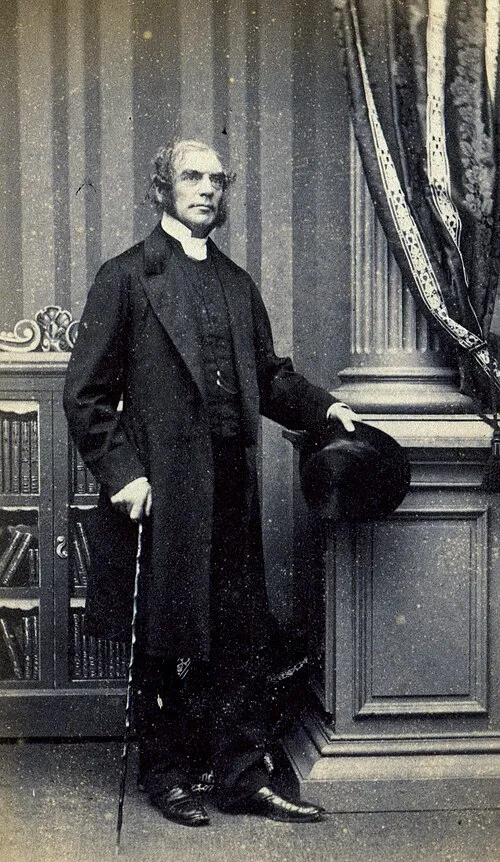
Capítulo 6: Acerca de contristar al Espíritu
«No contristéis al Espíritu Santo de Dios.» —Efesios 4:30.
Este asunto está en relación estrecha y solemne con la declinación espiritual y personal del creyente: su decaimiento en la gracia lo implica de manera necesaria y dolorosa. De todo lo que se ha obrado en el creyente en cuanto a convicción, arrepentimiento, fe, gozo, santidad, etc., el único Autor es el bendito y Eterno Espíritu. Grande y gloriosa es su obra: sí; de no ser por ella, la redención consumada por nuestro Señor Jesucristo, en cuanto a efecto salvador alguno, no habría aprovechado nada. El «Sol de justicia» podría haber nacido sobre el mundo en todo su esplendor sin igual; pero, hasta que el ojo de la mente hubiera sido abierto por el Espíritu Santo, ni un rayo habría hallado camino hasta las cámaras oscuras del entendimiento y del corazón. La «cena» del evangelio podría haberse aparejado, el Cordero inmolado y la invitación dada; pero, sin un poder sobrenatural que obrase sobre la voluntad, los deseos y los afectos del hombre, todos «no se habrían cuidado» de ella, y «se habrían ido, uno á su labranza, y otro á sus negocios». «Os es necesario que yo vaya», dijo Jesús, «porque si yo no fuese, el Consolador no vendría á vosotros; mas si yo fuere, os le enviaré. Y cuando él viniere redargüirá al mundo de pecado, y de justicia, y de juicio». Nuestros conceptos de la obra del Espíritu no pueden ser demasiado espirituales, ni nuestra estima de su valor puede ser demasiado alta. El gran peligro a que estamos expuestos no está en sobrestimarla, sino en subestimar la obra del oficio del Espíritu; no en pensar demasiado alto de ella, sino en pensar demasiado bajo; y que alguna cosa tienda más a herir, a contristar y a ahuyentar de nosotros su presencia sensible que una declinación conocida y consentida de su obra, no podemos imaginarlo. Este es el punto solemne e importante hacia el cual ha de dirigirse ahora la consideración del lector.
Las frases «enojar al Espíritu», «contristar al Espíritu», «apagar el Espíritu», «resistir al Espíritu», etc., aunque metafóricas, son no obstante altamente significativas y solemnes en su sentido. El dolor no es una pasión en el Espíritu Santo, como lo es en nosotros, como tampoco el «enojo», la «ira» y la «venganza» son emociones impías en Dios, aunque se le atribuyan. Por condescendencia con nuestra flaqueza, se emplean estas expresiones para exponer el odio extremo de Dios al pecado, y la santa sensibilidad del Espíritu Eterno ante cualquier descuido, menosprecio o declinación de su obra e influencia, tan llenas de gracia, en el alma. Propiamente, el Espíritu no puede ser contristado, no puede ser apagado, no puede ser resistido; porque no es criatura, aunque es persona. Creer lo contrario sería revestir al Espíritu Santo de Dios de atributos tales que serían incompatibles con su gloria divina y sus perfecciones infinitas: tales como pertenecen solo a una criatura débil, pecadora y finita. Pero, metafóricamente, «contristar al Espíritu» es desoír su voz, oponerse a su influencia y menospreciar su naturaleza bondadosa, amorosa y tierna; y causar así una retirada del alma —en unos casos temporal, en otros eterna— de su presencia, su influencia y su bendición. En el caso de los regenerados, la retirada del Espíritu al ser contristado es solo por un tiempo; en el de los finalmente impenitentes e incrédulos, el acallar de su voz, que les habla en la conciencia, en la providencia y en su palabra, es el entregarlos para siempre. Pero estos son puntos que aparecerán en una elucidación más avanzada de nuestro asunto. Diríjase ahora nuestra atención a la manera en que el Espíritu Santo de Dios puede ser contristado, y luego a la consideración de algunas de las consecuencias ciertas y dolorosas.
Doy por sentado que me dirijo a quienes admiten, en su sentido ilimitado, la doctrina escritural de la personalidad divina del Espíritu Santo; de otro modo convendría mostrar que una negación de esta verdad implica una negación absoluta del Espíritu —de su gloria personal y de la obra de su oficio— y hace recaer de lleno sobre la conciencia del que lo rechaza un pecado del carácter más maligno y de la tendencia más fatal. Ciertamente no hace falta el razonamiento de un momento para probar que cualquier duda existente, cualquier sospecha latente, acerca del derecho del Espíritu al homenaje divino, ha de implicar el pecado de contristar al Espíritu en el más alto grado. Que la frialdad, la esterilidad y el letargo espirituales, que son los resultados legítimos y ciertos, prueben la verdad de lo que afirmamos. En el momento en que un hombre abriga conceptos del Espíritu derogatorios de su dignidad personal, en ese momento parece como uno abandonado del Espíritu a las consecuencias temibles y ruinosas de su pecado: su espiritualidad se marchita, su gracia decae, el espíritu de devoción languidece y al fin expira. Si ministra en el oficio pastoral, todo poder y toda unción en su ministración se evaporan; o, si anda en la vida privada, todo celo, y ardor, y consagración en la causa de Cristo se estancan, y la maldición y el oprobio de la esterilidad caen como un tizón sobre el alma un día fértil y floreciente. Estos funestos efectos pueden rastrearse hasta conceptos bajos de la dignidad personal y de la obra oficial del Espíritu Santo. Pero ahora me dirijo en particular a aquellos cristianos que reconocen la deidad del Espíritu y su personalidad distinta en la Deidad, y que esperan con humildad ser sujetos de su gracia renovadora, y así conocen el poder y la gloria de su obra. Que aun tales pueden contristar de manera lamentable al Espíritu Santo de Dios, y ser en consecuencia grandes perdedores en lo espiritual, pensamos que las consideraciones siguientes, deducidas de la palabra inspirada, lo mostrarán con claridad.
Comenzamos por aquello que más directamente toca el asunto del presente volumen: la declinación de la obra de gracia del Espíritu en el alma de un hijo de Dios. ¿Qué puede contristar más al Espíritu que esto? Es un desaire espantoso, lanzado contra la producción más gloriosa y estupenda de su poder: en ninguna parte ha erigido un templo tan glorioso, en ninguna parte ha desplegado una energía tan poderosa, y en nada ha impreso tan hondo el contorno de su propio carácter santo, como en la obra de gracia que ha comenzado y lleva adelante en el corazón del hombre. Ahora bien, presenciar cualquier decaimiento, declinación o languidez en esta obra; notar la pérdida de vigor, de lozanía o de fruto en una sola gracia; ver a aquellos cuyas almas había vivificado, cuyas mentes había iluminado, cuyos afectos había desprendido de las cosas terrenas y centrado en Dios, que parecían «correr bien» y prometían mucho fruto y una «abundante entrada en el reino eterno», aflojar ahora el paso, cansarse del camino, volver a cruzarse de brazos en el sueño, volverse terrenos, sensuales y rastreros; el templo descuidado, sus puertas sin vigilancia y admitidos otros huéspedes; los motivos santos perdiendo su poder, el amor dejando de constreñir, las cosas espirituales que ya no atraen, ni deleitan, ni satisfacen el alma: ¡oh!, ¿podemos imaginar el corazón amoroso, fiel y tierno del Espíritu más sensiblemente tocado de dolor por alguna cosa que por esta? Bien podría exclamar: «¿Qué más se había de hacer á mi viña, que yo no haya hecho en ella? ¿Cómo, esperando yo que llevase uvas, ha llevado uvas silvestres?» «¿Qué haré á ti, Ephraim? ¿Qué haré á ti, oh Judá? La piedad vuestra es como la nube de la mañana, y como el rocío que de madrugada viene.»
De todos los estados espirituales, la tibieza es el más aborrecible para Dios y el que más contrista al Espíritu Santo. «Yo conozco tus obras, que ni eres frío, ni caliente. ¡Ojalá fueses frío, ó caliente! Mas porque eres tibio, y no frío ni caliente, te vomitaré de mi boca.» Así ha declarado Dios su total detestación de este estado. Y con todo, ¿quién lo contempla bajo esta luz tremenda? ¿Quién se detiene a examinarse, para averiguar qué progreso real hace su alma, qué gracia está debilitada, qué parte de la obra del Espíritu está decaída, qué lugar de su alma está estéril y sin fruto, y hasta dónde está contristando secreta y eficazmente al Espíritu Santo por un estado conocido, consentido y abrigado de declinación espiritual? Si, después de toda su pericia, ha de afectar al arquitecto presenciar el decaimiento de su edificio; si así le afecta al padre, después de su costoso desembolso de recursos en la educación, presenciar malogradas las tiernas esperanzas que acariciaba acerca de su hijo, ¡cuánto más infinitamente es afectado y contristado el Espíritu al contemplar el templo que erigió a tal costo, que cae en ruina; el alma que había enseñado con tanto cuidado y solicitud, retrocediendo a un estado de frialdad y formalismo en sus deberes y afectos espirituales! «El corazón del Espíritu», observa hermosamente el doctor Owen, «es infinitamente más tierno hacia nosotros que el del padre más afectuoso puede serlo hacia un hijo único. Y cuando él, con costo y cuidado, nos ha nutrido y criado hasta algún crecimiento y progreso en los afectos espirituales, en los cuales estriban todas sus solicitudes respecto de nosotros, que nosotros nos volvamos fríos, torpes, terrenales en la mente, y nos apeguemos a los placeres y las concupiscencias de este mundo, ¡cómo es contristado, cómo es provocado!» Mira, pues, que tu estado espiritual sea tal que ocasione gozo antes que dolor al Espíritu Santo de Dios. Nada puede llenar su corazón amoroso de un deleite mayor y más santo que presenciar el carácter que se ahonda y la influencia que se extiende de su propia obra en el creyente. Contemplar la luz tenue que él creó, «que va en aumento»; la planta tierna que exhala su fragancia y echa su fruto; el manantial del corazón que sube hacia el cielo, hacia Dios: tal cuadro ha de ser grato al Espíritu. Si el Redentor entronizado mira con satisfacción el trabajo de su alma en el llamamiento de sus redimidos, igualmente gozoso ha de ser para el Espíritu Eterno contemplar la ampliación de su reino en los santos, la maduración del alma para la herencia y la compañía de los «justos hechos perfectos». Notar una conformidad creciente a la imagen de Cristo, la santidad que extiende su raíz, cada gracia en ejercicio activo, desechado todo peso, mortificado todo pecado, y el cuerpo entero, el alma y el espíritu, un templo que se levanta a Dios, ha de llenar por cierto de gozo todo el cielo. Lector cristiano, mira bien por tu estado, para que el Espíritu Santo de Dios no sea contristado por ninguna declinación conocida y abrigada de su obra en tu alma.
El Espíritu es contristado por una negación, o por un menosprecio, de su obra llena de gracia en el corazón. Es una circunstancia digna de notarse, e importante por la instrucción que transmite, que, entre todos los ejemplos de profunda humildad, de abatimiento propio, de conciencia y de confesión del pecado registrados de los santos en la palabra, ni uno parece ofrecer un caso de negación o de menosprecio de la obra del Espíritu en el corazón. Por agudo que parezca haber sido el sentido de indignidad que sintieron Jacob, David, Job, Isaías, Pedro, Pablo y otros; por profunda que fuera su convicción, y por humillantes que fueran sus confesiones de lo sobremanera pecaminoso del pecado, ni una expresión parece delatar una negación de la obra del Espíritu Santo en sus almas: sintieron, y se lamentaron, y lloraron, y confesaron como hombres llamados de Dios, perdonados, justificados, adoptados; no como hombres que nunca habían gustado que el Señor es benigno, y que por tanto eran del todo extraños a la operación del Espíritu sobre sus corazones: reconocieron su pecaminosidad y sus retrocesos como hombres convertidos, siempre prontos y dispuestos a coronar al Espíritu en su obra. Pero ¿qué puede contristar más hondamente el corazón tierno y amoroso del Espíritu que una negación de su obra en el alma? Y con todo, hay una tendencia perpetua a esto, en las dudas incrédulas, los temores legales y los presagios sombríos a los que ceden aquellos santos que, a cada descubrimiento del pecado que mora en ellos, se entregan a la dolorosa convicción de que Dios los ha entregado para que crean la mentira. A tales les diríamos con empeño: No contristen así al Espíritu Santo de Dios. El profundo abatimiento propio, la conciencia de una nulidad total, no tienen por qué implicar necesariamente una negación de la gracia que mora en el corazón; sí, este estado bienaventurado es perfectamente compatible con la esperanza más elevada de la vida eterna. El que puede confesarse «el primero» de los pecadores y «el más pequeño de todos los santos» es quien con más probabilidad ha de reconocer: «yo sé á quien he creído»; «el cual me amó, y se entregó á sí mismo por mí». ¡Qué! ¿Es fábula todo lo que has creído? ¿Es engaño todo lo que has experimentado? ¿Has estado asiendo una sombra, creyendo á la mentira y peleando como quien hiere el aire? ¿Estás dispuesto a rendir tu esperanza y a desechar tu confianza? ¡Qué! ¿Nunca has conocido la plaga de tu propio corazón, la dulzura de la tristeza que es según Dios al pie de la cruz? ¿Nunca has sentido tu corazón dar un solo latido de amor a Jesús? ¿Su nombre amado nunca ha resonado con dulce cadencia en tu oído? ¿Estás dispuesto a admitir que todo el dolor que has sentido, y todo el gozo que has experimentado, y todas las anticipaciones bienaventuradas que has conocido, no fueron sino como «fábulas por arte compuestas», un artificio del maligno, una alucinación moral de la mente? ¡Oh, no contristes así al Espíritu Santo de Dios! ¡No niegues, no menosprecies su obra bendita dentro de ti! ¿Qué, si has sido llevado a descubrimientos más hondos de tu naturaleza caída, de tu indignidad, de tu vileza, de tu insuficiencia, de tus declinaciones y de tu retroceso de Dios? Preguntamos: ¿obra de quién es esto? ¿De quién, sino de ese mismo Espíritu bendito y amoroso a quien así estás hiriendo, apagando, contristando, negando? En este punto quien escribe lo siente con agudeza; cuando recuerda a cuántos, cuyo ojo acaso recorra esta página, están en este mismo estado —no meramente escribiendo cosas duras y amargas contra sí mismos, sino también contra el bendito, amoroso y fiel Espíritu de Dios—, llamando naturaleza a la gracia, negando la obra de él en ellos y, en un sentido dolorosísimo para su tierno corazón, «hablando palabras contra el Espíritu Santo», no puede menos que sentirlo. Hay mucha humildad espuria entre muchos santos de Dios, y esta es una de sus formas comunes. No es orgullo reconocer con gratitud cuán grandes cosas ha hecho el Señor por nosotros; es orgullo lo que se niega a reconocerlas. No es verdadera humildad dudar y rebajar, hasta que resulta fácil negar del todo la obra del Espíritu Santo dentro de nosotros; es verdadera humildad y bajeza confesar su obra, dar testimonio de su operación y atribuirle todo el poder, la alabanza y la gloria. Mira, pues, lector querido, que no abrigues esta falsa humildad, que no es sino otro nombre del orgullo hondo y no mortificado del corazón; recuerda que, así como Satanás puede transfigurarse en ángel de luz, así pueden sus agentes tomar el disfraz de las gracias más santas y hermosas; así el orgullo, uno de sus agentes principales del mal en el corazón, puede aparecer en forma de la humildad más profunda. Y querría que tuvieras presente, también, que aunque la obra del Espíritu en tu corazón pueda, para tu conocimiento imperfecto y tu ojo oscurecido, ser débil —el contorno apenas visible en medio de tanto pecado que mora dentro, la chispa casi escondida en medio de tanta corrupción que abunda—, con todo, al ojo del Espíritu esa obra aparece en toda su distinción y su gloria. «Conoce el Señor á los que son suyos.» Esta declaración se aplicará con igual verdad al conocimiento que el Espíritu Santo tiene de su propia obra en el creyente; su ojo está sobre los más tiernos brotes de la gracia que mora dentro, la más tenue chispa de amor, el más suave susurro de deseo santo, los más débiles anhelos del corazón hacia Jesús: todo, todo es conocido del Espíritu y amado por él; es obra suya, y extraño sería que no la reconociera. Permite que esta consideración tenga su debido peso para acallar esas murmuraciones, calmar esos temores y neutralizar esas dudas que tan hondamente contristan al Espíritu Santo de Dios: entrégate a él; reconoce con humildad lo que ha hecho en ti; sigue la poca luz que te ha dado; llama a ejercicio constante y activo el pequeño grado de gracia y de fe que te ha comunicado, y busca «con toda deprecación y súplica» una medida más amplia de su influencia santa, ungidora, santificadora y selladora.
Una sustitución de su propia obra en el alma, en lugar de la obra expiatoria y consumada de Jesús, contrista grandemente al Espíritu Santo de Dios. Un oficio esencial e importante del Espíritu es glorificar a Cristo: «El (el Espíritu) me glorificará», dijo Jesús; «él dará testimonio de mí»; «tomará de lo mío, y os [lo] hará saber». Siendo esta su obra respecto de Cristo, ha de ser, por supuesto, el gran deleite del Espíritu, siempre y en todo tiempo, enaltecer a Jesús y glorificarlo. ¿Y cómo glorifica el Espíritu a Cristo de la manera más alta, sino exaltando su obra expiatoria, dándole la preeminencia, la importancia y la gloria que demanda, llevando al pecador, a quien primero ha convencido de pecado, a aceptar a Jesús como Salvador dispuesto y del todo suficiente, a desechar toda confianza en sí mismo, todo apoyo en un pacto de obras, que no es sino un pacto de muerte, y así, saliendo enteramente de sí mismo, a asentar su descanso en la sangre y la justicia de Emanuel, el Mediador Dios-hombre? ¡Oh, qué dulce y santo deleite ha de ser para el Espíritu de Dios cuando un pobre pecador, en toda la conciencia de su nada, es llevado a edificar sobre Jesús, la «piedra de fortaleza, de esquina, de precio, de cimiento estable»!
Imagine, pues, el lector cuán contristante ha de ser para el Espíritu cuando hay algún descanso en la obra de él en el alma, sea para la aceptación, o para el consuelo, o para la paz, o para la fuerza, o aun para evidencia de un estado de gracia, y no única y enteramente en la obra expiatoria que Jesús ha consumado para la redención de los pecadores. La obra del Espíritu y la obra de Cristo, aunque forman partes de un solo todo glorioso, son sin embargo distintas, y han de distinguirse en la economía de la gracia y en la salvación de un pecador. Es la obra de Jesús solo —su perfecta obediencia a la ley de Dios quebrantada y su muerte sacrificial como satisfacción de la justicia divina— la que forma el fundamento de la aceptación de un pecador para con Dios, la fuente de su perdón, de su justificación y de su paz. La obra del Espíritu no es expiar, sino revelar la expiación; no obedecer, sino dar a conocer la obediencia; no perdonar ni justificar, sino traer al alma convencida, despertada y penitente a recibir el perdón y a abrazar la justificación ya provista en la obra de Jesús. Ahora bien, si hay alguna sustitución de la obra del Espíritu en lugar de la obra de Cristo, algún apoyo indebido y no autorizado en la obra de dentro, en vez de la obra de fuera del creyente, se le hace un deshonor a Cristo y, en consecuencia, se contrista al Espíritu Santo de Dios. No puede serle grato al Espíritu hallarse hecho sustituto de Cristo; y con todo, este es el pecado en el cual tantos caen de continuo. Si miro a las convicciones de pecado dentro de mí, a cualquier moción del Espíritu que mora en mí, a cualquier parte de su obra, como la fuente legítima de sanidad, de consuelo o de evidencia, vuelvo la espalda a Cristo, aparto el ojo de la cruz y menosprecio su gran obra expiatoria. ¡Hago un Cristo del Espíritu! ¡Hago un Salvador del Espíritu Santo! Convierto su obra en una obra expiatoria, y saco la evidencia y el consuelo de mi perdón y de mi aceptación de lo que él ha hecho, y no de lo que Jesús ha hecho. Oh, ¿no es esto, volvemos a preguntar, deshonroso para Cristo y contristante para el Espíritu Santo de Dios? No pienses que menospreciamos la obra del Espíritu: grande y preciosa es. Considerado como Vivificador, Juan 6:63; como Morador, 1 Corintios 6:19; como Santificador, 2 Tesalonicenses 2:13; como Sellador, Efesios 1:13; como Testigo, 1 Juan 5:10; como Consolador, Juan 14:26; como Autor de la oración, Romanos 8:26: su persona no puede ser amada con demasiado ardor, ni su obra puede ser estimada en demasiado; pero el amor que le tenemos y el honor que le damos no han de ser a expensas del honor, de la gloria y del amor debidos al Señor Jesucristo, a quien es su oficio y su deleite glorificar. La corona de la redención ha de ponerse sobre la cabeza de Jesús; solo él es digno de llevarla; solo él tiene derecho a llevarla. «Nos has redimido para Dios con tu sangre» es el cántico que cantan en la gloria, y «Tú llevarás la corona» habría de ser el cántico que devuelvan en eco los redimidos en la tierra. Mira, pues, que no contristes al Espíritu, ni por colocar fuera de su lugar la obra expiatoria de Jesús, ni por menospreciarla. Su sangre, aplicada por el Espíritu, perdona; su justicia, recibida por la fe, te justifica; y «la paz de Dios, que sobrepuja todo entendimiento» es el fruto cierto y bienaventurado de ambas. La evidencia constante de un estado de perdón y de justificación ha de brotar de un trato constante con el Señor Jesús y de una mirada constante a él; es en su luz donde «veremos la luz»; él es el Sol que alumbra la obra dentro de nosotros. El ojo del alma, apartado de su cruz y fijo en una mirada intensa sobre sí mismo, pronto se perderá entre sombras y oscuridad. De los gozos interiores puede vivirse hasta que el manantial del gozo deje de fluir; a las evidencias puede mirarse hasta que se desvanezcan en tinieblas. ¿Qué ha de hacer, en estas circunstancias, la pobre alma angustiada y alarmada, sino volar de nuevo a la cruz? ¿Adónde ha de mirar, sino otra vez a Jesús? ¿Qué ha de pronunciar un sentido de perdón, sino la sangre expiatoria; y qué ha de asegurar la «completa paz», sino la justicia justificadora del Hijo de Dios? ¡Oh, que hubiera una mirada más sencilla y directa, que saliera de uno mismo y se apartara de él, hacia el Salvador expiatorio! Entonces el precepto sería dulce, entonces la obediencia sería fácil, entonces la cruz sería ligera, y entonces también la paz fluiría como un río, y la justicia rodaría como las ondas de la mar.
Y con todo, hay un sentido en el cual la propia obra del Espíritu puede ser tan menospreciada que contriste hondamente su corazón. Hay propensión a los extremos aun en el hijo de Dios: puede o sobreestimar una cosa, o subestimarla; puede poner una dependencia injustificada en aquello que, en otro tiempo, se le halle menospreciando de manera dolorosa y pecaminosa. Así, respecto de las aflicciones del creyente, la palabra de Dios lo exhorta, por una parte, a no menospreciarlas, y con ternura lo amonesta, por la otra, a no desmayar bajo ellas. Hebreos 12:5. Podemos pensar o demasiado, o demasiado poco, de los castigos del pacto de Dios. ¡Qué necesidad de las enseñanzas del Espíritu a cada momento de la vida! ¡Cuán importante es hallarse desconfiando de continuo de sí mismo y dejando de apoyarse en sí, y confiando en Jesús y apoyándose en él! La oración de un hijo de Dios habría de ser incesante: que el Señor lo guarde de sí mismo; que la postura de su mente esté baja, a los pies de Jesús, aprendiendo de él y viviendo para él a cada momento. Pero ¿cómo puede el creyente menospreciar la obra del Espíritu? De varias maneras.
Puede abrigar una conciencia imperfecta de la morada del Espíritu en su corazón. Mostrar indiferencia alguna ante la presencia de un huésped, manifestar alguna falta de atención señalada y debida, es un desaire de naturaleza nada ordinaria: en este sentido puede ser contristado el Espíritu Santo de Dios. Que el Espíritu Santo llame con eficacia, renueve, santifique y tome posesión del alma —la haga su templo, su morada permanente—, y que, con todo, esa alma abrigue conceptos inadecuados de esta gran verdad, olvide quién mora con ella y en ella, menosprecie a su huésped celestial, y salga y entre, y viva y obre como si no fuera templo del Espíritu Santo: ¿qué puede ser más deshonroso para el Espíritu Bendito y Eterno? ¡Oh, que esta verdad trascendental se pierda de vista por el creyente aun por un solo momento! Que él sea la morada del Altísimo, del «Alto y Sublime, el que habita la eternidad, y cuyo nombre es el Santo», la residencia del Espíritu Santo, y que con todo abrigue un sentimiento o un pensamiento que no esté en perfecta armonía con un hecho tan grande, muestra por cierto la necesidad de la amonestación apostólica: «No contristéis al Espíritu Santo de Dios.»
Cuando, además, no se hace caso de su silbo apacible y delicado, y no se cede a sus dulces constreñimientos, se pone sobre su obra un desaire de naturaleza muy contristante. El Espíritu, Morador permanente del santo de Dios, habla, amonesta, guía, atrae y constriñe perpetuamente al alma; su gran obra allí es enseñar, santificar, escudar, refrenar y consolar al creyente. Todo santo retraimiento del pecado, toda firme resistencia de su poder, toda victoria lograda sobre sus mociones, toda aspiración a la santidad y todo débil deseo de andar en el camino de la obediencia filial a Dios y de la dulce comunión con él es fruto del Espíritu que mora en el corazón. ¡Cuán contristante, pues, para ese Espíritu, cuando esta voz amorosa suya y estos dulces constreñimientos suyos son pasados por alto, sofocados, desatendidos y menospreciados por el alma a la que tan tiernamente ama y sobre la cual tan fielmente vela! No contristes así al Espíritu Santo de Dios. En todos sus tratos contigo no busca sino tu verdadero bien; se propone ahondar su propia obra en tu corazón; no busca sino promover tu santidad y madurar tu alma para los gozos y la compañía de los santos en luz. Aún más: desea tu verdadera felicidad; te apartaría de las cosas carnales, te atraería de los objetos del sentido y del pecado, te abriría manantiales de gozo más alto y más puro, y te conduciría a pastos más hermosos y más verdes: esto haría él, desplegándote lo que posees en Jesús, en el pacto de gracia y en un Dios del pacto. Ten, pues, el oído abierto a la voz suave del Espíritu, y sigue con prontitud y sin reserva sus secretas y suaves conducciones.
La inconsecuencia en la profesión cristiana ha de ser altamente contristante para el Espíritu Santo de Dios. Notar falta de armonía entre los principios profesados y el hábito de vida en quien se declara templo suyo; rastrear un amor al mundo, un anhelo de su fama, un afán de asir su riqueza, una adopción de su política, una conformidad con sus máximas, sus ocupaciones, sus placeres y su religión, no puede dejar de herir al huésped sagrado, el Espíritu que mora dentro. Y con todo, ¡a cuántos profesantes marca este espíritu mundano, esta dolorosa inconsecuencia del principio cristiano profesado! ¡Qué número hay de los que profesan y se llaman cristianos, discípulos del Señor, seguidores del manso y humilde Cordero de Dios, que tienen en poco ponerse atavío vistoso y mundano, frecuentar bailes, moverse en la danza, unirse a la música carnal, asistir al teatro y leer novelas y romances, todo lo cual está en pugna con el carácter cristiano, es violación de la regla cristiana, es deshonroso para el nombre de Cristo y es hondamente contristante para el Espíritu Santo de Dios! Tú eres, en profesión, un templo del Espíritu Santo. ¡Qué! ¿Adornarás ese templo con esplendor terreno, según la moda de este mundo? ¿Qué dice el Espíritu Santo por su siervo? «Asimismo también las mujeres, ataviándose en hábito honesto, con vergüenza y modestia; no con cabellos encrespados, ú oro, ó perlas, ó vestidos costosos, sino de buenas obras, como conviene á mujeres que profesan piedad.» 1 Timoteo 2:9-10. Otra vez: «El adorno de las cuales no sea exterior con encrespamiento del cabello, y atavío de oro, ni en compostura de ropas; sino el hombre del corazón que está encubierto, en incorruptible [ornato] de espíritu agradable y pacífico, lo cual es de grande estima delante de Dios. Porque así también se ataviaban en el tiempo antiguo aquellas santas mujeres que esperaban en Dios.» 1 Pedro 3:3-5. ¿Concuerdan, pues, la extravagancia, el costo, la mundanería, la atención estudiada al gusto, que marcan el adorno exterior de tantos cristianos profesantes, con el espíritu y el precepto del evangelio? Antes bien, ¿no son tales indulgencias cuales el evangelio claramente prohíbe, y sobre las cuales el cristianismo frunce el ceño con severidad?
Otra vez: ¿se hallará el creyente, templo profeso del Espíritu Santo, mezclado con el mundo, hallando placer en sus diversiones, solicitando su compañía, obrando según sus principios y adoptando su política? ¿Debe ser esta la línea de conducta que siga un cristiano profesante? ¿Es este el camino para ilustrar el poder santo de la verdad, para recomendar el evangelio de Jesucristo, para reprender el pecado, la necedad y la rebelión del mundo, y para ganarlo a la obediencia de la fe? ¡Ciertamente no!
¿Y cómo puede alimentarse y sostenerse de tal fuente la vida divina en el alma? ¿Qué nutrición saca de las lecturas livianas y espumosas del día, de las páginas de un romance enfermizo, de una novela frívola, de un relato de ficción? ¿Qué alimento puede preparar la imaginación profana y no santificada de los hombres para el fortalecimiento, el sostén y la expansión de este principio divino en el alma? Ciertamente ninguno.
¿Y qué aptitud para la oración, para la comunión con Dios, para la lectura de su palabra sagrada, puede hallar un creyente en el baile atolondrado, en el canto carnal, en la novela inmoral? ¿Qué preparación de la mente ofrecen estas ocupaciones para acercarse a Dios, para el debido cumplimiento de los deberes cristianos, para la reflexión sobria, para la hora de la muerte y para el día del juicio? ¡Oh, las inconsecuencias tremendas que marcan la profesión de algunos, que hallan un sendero cercano y fácil desde el santuario, la mesa de la comunión y el aposento, hasta la tertulia de la noche, el salón de baile, la danza enmarañada, la novela vacía, el corazón mismo de un mundo alegre y atolondrado! ¿Es este el verdadero cristianismo? ¿Se parece a Cristo? ¿Es conforme a su mandato, a su precepto y a su ejemplo? Juzga tú.
Pero ¿cuál es la línea de deber trazada para la conducta de un creyente profesante? Es tan clara en la palabra de Dios como el sol del mediodía. Así está puesta: «Y no os conforméis á este siglo; mas reformaos por la renovación de vuestro entendimiento, para que experimentéis cuál sea la buena voluntad de Dios, agradable y perfecta.» Romanos 12:2. «Por lo cual salid de en medio de ellos, y apartaos, dice el Señor, y no toquéis lo inmundo; y yo os recibiré, y seré á vosotros Padre, y vosotros me seréis á mí hijos é hijas, dice el Señor Todopoderoso.» 2 Corintios 6:17-18. «No améis al mundo, ni las cosas que están en el mundo. Si alguno ama al mundo, el amor del Padre no está en él. Porque todo lo que hay en el mundo, la concupiscencia de la carne, y la concupiscencia de los ojos, y la soberbia de la vida, no es del Padre, mas es del mundo.» 1 Juan 2:15-16. «Adúlteros y adúlteras, ¿no sabéis que la amistad del mundo es enemistad con Dios? Cualquiera pues que quisiere ser amigo del mundo, se constituye enemigo de Dios.» Santiago 4:4. «La religión pura y sin mácula delante de Dios y Padre es esta: Visitar los huérfanos y las viudas en sus tribulaciones, y guardarse sin mancha de este mundo.» Santiago 1:27. Así, implícita y claramente, queda trazada por el Espíritu Santo la línea del deber cristiano respecto de la conexión de un creyente con el mundo; no puede apartarse de ella sin contristar al Espíritu, herir su propia alma y comprometer su profesión cristiana.
No contristes, pues, al Espíritu Santo de Dios con ninguna inconsecuencia conocida de conducta, ninguna conformidad pecaminosa con el mundo, ninguna búsqueda desordenada de su riqueza, de sus honores, de sus placeres, de sus amistades y de sus grandezas. Ora contra el pecado de la avaricia, ese gusano roedor que se alimenta en la raíz de tantas almas; ora contra el amor al vestido, ese pecado que aparta la mente de tantos profesantes de la sencillez de Cristo y quita el ojo del verdadero adorno; ora contra la sed de lectura liviana y frívola, esa extraña y pecaminosa inconsecuencia de tantos, cuya tendencia cierta es hambrear la vida de Dios en el alma, engendrar disgusto del alimento espiritual, de la palabra de Dios, de la meditación santa y de la comunión y el compañerismo divinos; sí, ora contra el espíritu de conformidad mundana y pecaminosa en todo, para que el Espíritu Santo no sea contristado, y para que Cristo no sea deshonrado y crucificado de nuevo en ti y por medio de ti. Es de temer que mucho del cristianismo profeso de hoy sea de carácter transigente. El espíritu que marca a tantos es: «¿Qué me queréis dar, y yo os lo entregaré?» Hay una entrega de Cristo delante del mundo, un trueque del cristianismo por la buena opinión de este, por sus puestos de honor, de influencia y de provecho. El mundo, la carne y Satanás están siempre alerta para cerrar un trato con un profesante cristiano por su religión. «¿Qué me darás a cambio?» es la pregunta ansiosa de muchos. ¡Oh, estado tremendo! ¡Oh, engaño temible! ¡Oh, fatal ilusión! ¡Lector! ¿Eres cristiano profesante? Guárdate, pues, de la menor transigencia con tus principios, de la menor entrega de Jesús, del primer paso en una inconsecuencia de conducta; sobre todo, ora y vela contra un cristianismo mundano: un cristianismo que viste un exterior hermoso, en cuanto se compone de asistencia a los cultos del santuario, a los sacramentos y a las instituciones religiosas, pero que excluye de sí la cruz del manso y humilde Cordero de Dios; un cristianismo que ama el mundo y las cosas del mundo, que «agrada en la carne», habla bien de Cristo y con todo lo entrega con un beso.
Pero no sea este el modelo de tu religión. No eres del mundo, como tampoco Cristo era del mundo; si el mundo te aborrece, también a él lo aborreció antes de aborrecerte a ti; si fueras del mundo, el mundo te amaría. ¡No te maravilles de esto! No esperes del mundo más de lo que recibió tu Maestro. El mundo que coronó de espinas a tu Señor nunca, si has de «vivir píamente en Cristo Jesús», te coronará de guirnaldas; el mundo que lo crucificó nunca, si eres discípulo consecuente suyo, te entronizará. El mundo es el enemigo jurado de tu Salvador; no sea tu amigo. ¡No! Sal de él, y apártate. Sea toda tu vida una solemne reprensión de él: que tu integridad reprenda su falta de principio; tu sobriedad, su frivolidad; tu sincera rectitud, su falta de corazón; tu crucifixión respecto de él, su vacío, su necedad y su pecaminosidad; que tu vestido, tu espíritu, toda tu conducta pongan de manifiesto qué espléndida nada es toda su pompa, su gloria y su pretensión. Así te asemejarás a tu Señor y Maestro, el que te amó hasta la muerte, cuya gloria estuvo en su humillación, cuya senda fue humilde, baja y oscura, y cuya muerte fue la muerte ignominiosa y maldita de la cruz. Así también te asemejarás a su amado apóstol, quien, tomando su lugar junto a la cruz y mirando al mundo desde la santa elevación en que estaba, pudo exclamar: «lejos esté de mí gloriarme, sino en la cruz de nuestro Señor Jesucristo, por el cual el mundo me es crucificado á mí, y yo al mundo.»
El Espíritu puede ser contristado por un desaire hecho a los medios de gracia: estos son sus canales para conducir al alma sus bendiciones del pacto. Ya no obra por milagros, sino por instrumentos, por diversas vías y medios: comunica su bendición y transmite su voz por medio de la palabra, el ministerio, el propiciatorio y otros diversos canales que ha provisto graciosamente para la nutrición espiritual de la vida divina en el alma. No los menosprecies, no los tengas en poco, no los descuides. No busques su bendición, ni esperes oír su voz, salvo en cuanto te halles andando en su propio camino señalado; lo contristarás, y harás que retire su presencia sensible, si algún medio de gracia es deliberadamente menospreciado y descuidado por ti. Estos son los delicados pastos, donde el pastor hace reposar su rebaño al mediodía; estas son las «aguas de reposo», adonde conduce sus almas; y, si se vuelve la espalda con menosprecio, han de seguir la flaqueza y la esterilidad, la frialdad y la muerte. «Los que esperan á Jehová tendrán nuevas fuerzas; levantarán las alas como águilas; correrán, y no se cansarán; caminarán, y no se fatigarán.»
En una palabra: el Espíritu es contristado por cualquier desviación de la conducta estricta y santa de un hijo de Dios; por cualquier sentimiento de culpa retenido en la conciencia; por cualquier pecado no confesado, no arrepentido y no abandonado; por cualquier contaminación conocida del templo que él habita; por cualquier desaire hecho a Jesús; por cualquier descuido de la sangre expiatoria; por cualquier porte liviano y frívolo; por cualquier conducta poco caritativa hacia otros cristianos; por erigirse en tribunal contra ellos. Todo esto ha de ser contristante para el Espíritu Santo de Dios.
Ver el original (inglés)
Original en inglés
Chapter 6: On Grieving the Spirit
“Grieve not the Holy Spirit of God.” (Ephesians 4:30)
This subject stands in close and solemn relation to the spiritual and personal declension of the believer: his decay in grace necessarily and painfully involves it. Of all that has been wrought in the believer in the way of conviction, repentance, faith, joy, holiness, etc., the blessed and Eternal Spirit is the sole Author. Great and glorious is his work: yes, but for it, the redemption accomplished by our Lord Jesus Christ, as to any saving effects, would have availed nothing. The “Sun of righteousness” might have risen upon the world in all his peerless splendor; but until the mental eye had been opened by the Holy Spirit, not a beam had found its way into the dark chambers of the understanding and the heart. The Gospel “supper” might have been prepared, the Lamb slain, and the invitation issued; but without a supernatural power working upon the will, the desires, and the affections of man, all would have “made light of it, and have gone their ways, one to his farm, another to his merchandise.” “It is expedient for you that I go away,” said Jesus, “for if I go not away, the Comforter will not come unto you; but if I depart, I will send him unto you. And when he is come, he will reprove the world of sin, and of righteousness, and of judgment.” Our views of the work of the Spirit cannot be too spiritual, nor can our estimate of its value be too high. The great danger to which we are exposed, is, not in overrating, but in undervaluing the office-work of the Spirit; not in thinking too high, but in thinking too low of it: and that anything tends more to wound, grieve, and chase from us his sensible presence, than a known and permitted declension of his work, we cannot imagine. This is the solemn and important point, to which the consideration of the reader is now to be directed.
The phrases, “vexing the Spirit,” “grieving the Spirit,” ” quenching the Spirit,” ” resisting the Spirit,” &c., though metaphorical, are nevertheless highly significant and solemn in their meaning. Grief is not a passion in the Holy Spirit, as it is in us, any more than “anger,” ” wrath,” ” revenge,” are unholy emotions in God, though ascribed to him. In condescension to our weakness, these expressions are employed to set forth God’s extreme hatred of sin, and the holy sensitiveness of the Eternal Spirit to any neglect, undervaluing, or declension of his most gracious work and influence in the soul. Properly, the Spirit cannot be grieved, cannot be quenched, cannot be resisted; because he is not a creature, though a person. To believe the contrary, would be to invest the Holy Spirit of God with such attributes as would be incompatible with his Divine glory and infinite perfections, - such as belong only to a weak, sinful, finite creature. But, metaphorically, to ” grieve the Spirit” is to disregard his voice, oppose his influence, and slight his kind, loving, and tender nature; and thus cause a withdrawment from the soul - in some cases temporary, in others eternal - of his presence, influence, and blessing. In the case of the regenerate, the withdrawment of the Spirit on being grieved, is for a season only; in that of the finally impenitent and unbelieving, the hushing of his voice, speaking to them in conscience, in providence, and in his word, is the giving of them up for ever. But these are points that will appear in a more advanced elucidation of our subject. Let our attention now be directed to the way in which the Holy of God may be grieved, and then to the consideration of some of the certain and mournful consequences.
I am supposed to address myself to those who admit, in its unlimited meaning, the scriptural doctrine of the Divine Personality of the Holy Spirit: else it might be proper to show, that a denial of this truth involves an absolute denial of the Spirit, - his personal glory and official work, - and charges home upon the conscience of the rejecter, a sin of the most malignant character, and of the most fatal tendency. It surely needs not the reasoning of a moment to prove that any existing doubt, any latent suspicion, as to the Spirit’s right to Divine homage, must involve the sin of grieving the Spirit in the highest degree. Let the spiritual coldness, sterility, lethargy, which are the legitimate and certain results, prove the truth of what we affirm. The moment a man entertains views of the Spirit derogatory from his personal dignity, that moment he seems like one abandoned of the Spirit to the fearful and ruinous consequences of his sin: his spirituality withers, his grace decays, the spirit of devotion languishes, and at length expires. If he ministers in the pastoral office, all power and unction in his ministrations evaporate; or if he moves in a private walk, all zeal, and ardor, and devotedness in the cause of Christ become stagnant, and the curse and the reproach of barrenness fall like a blight upon the once fertile and flourishing soul. These dire effects may be traced to low views of the personal dignity and official work of the Holy Spirit. But I now particularly address myself to those Christians who acknowledge the deity of the Spirit, and his distinct personality in the Godhead, and who humbly hope they are the subjects of his renewing grace, and thus are acquainted with the power and glory of his work. That even such may sadly grieve the Holy Spirit of God, and in consequence be great spiritual losers, we think the following considerations, deduced from the inspired word, will clearly show.
We commence with that which bears most directly upon the subject of the present volume, the declension of the Spirit’s work of grace in the soul of a child of God. What can grieve the Spirit more than this ? It is a dreadful slight cast upon the most glorious and stupendous production of his power: nowhere has he erected a temple so glorious, and nowhere has he put forth energy so mighty, and in nothing has he imprinted so deeply the outline of his own holy character, as in the work of grace which he has commenced, and carries on in the heart of man. Now, to witness any decay, declension, or languor in this work; to mark the loss of vigor, healthfulness, or fruitfulness, in any single grace; to see those whose souls he had quickened, whose minds he had illumined, whose affections he had detached from earthly things and centered in God, who did seem to ” run well” and promised much fruit, and ” an abundant entrance into the everlasting kingdom,” now slacken their pace, grow weary of the way, fold their arms again in slumber, grow earthly, sensual, and groveling; the temple neglected, its gates unwatched, and other guests admitted; holy motives losing their power, love ceasing to constrain, spiritual things no longer attracting, delighting, and satisfying the soul, - oh! can we imagine the loving, faithful, tender heart of the Spirit more sensibly touched with grief by anything than this ? Well might he exclaim, “What could I have done more for my vineyard than I have done ? Why, then, when I looked for grapes, did it bring forth wild grapes ?” ” O Ephraim, what shall I do unto you? O Judah, what shall I do unto you ? for your goodness is as a morning cloud, and as the early dew it goes away.”
Of all spiritual states, lukewarmness is most abhorrent to God, and grieving to the Holy Spirit. ” I know your works, that you are neither cold nor hot: I would you were cold or hot. So then because you are lukewarm, and neither cold nor hot, I will spue you out of my mouth.” Thus has God declared his utter detestation of this state. And yet, who contemplates it in this awful light; who pauses to examine himself, to ascertain what real progress his soul is making, - what grace is enfeebled, - what part of the Spirit’s work is decayed, - what spot of his soul is barren and unfruitful, and how far he is secretly and effectually grieving the Holy Spirit, by a known, allowed, and cherished state of spiritual declension? If, after all his skill, it must be affecting to the architect to witness the decay of his building; if so to the parent, after his costly expenditure of means in education, to witness the fond hopes he cherished of his child blasted, how infinitely more is the Spirit affected and grieved to behold the temple he has erected at such a cost, f ailing to decay; the soul he had taught with such care and solicitude, receding into a state of coldness and formality in its spiritual duties and affections! “The heart of the Spirit,” beautifully remarks Dr. Owen, ” is infinitely more tender towards us, than that of the most affectionate parent can be towards an only child. And when he with cost and care has nourished and brought us up into some growth and progress in spiritual affections, wherein all his concerns in us do lie, for us to grow cold, dull, earthly-minded, to cleave unto the pleasures and lusts of this world, how is he grieved, how is he provoked!” See, then, that your spiritual state is such as occasions joy rather than grief to the Holy Spirit of God. Nothing can fill his loving heart with greater and more holy delight, than to witness the deepening character and expanding influence of his own work in the believer. To behold the glimmering light which he created, ” shining more and more,” - the gentle plant emitting its fragrance and putting forth its fruit, - the well-spring in the heart rising heavenward, Godwards, - such a picture must be grateful to the Spirit. If the enthroned Redeemer looks down with satisfaction upon the travail of his soul in the calling in of his redeemed, equally joyous must it be to the Eternal Spirit, to behold the widening of his kingdom in the saints, - the maturing of the soul for the inheritance and the companionship of ” just men made perfect.” To mark a growing conformity to the image of Christ - holiness expanding its root - each grace in active exercise - every weight cast aside - every sin mortified, and the whole body, soul, and spirit, a rising temple to God, must indeed fill all heaven with joy. Christian reader, see well to your state, that the Holy Spirit of God is not grieved at any known and cherished declension of his work in your soul.
The Spirit is grieved by a denial, or undervaluing of his gracious work in the heart. It is a circumstance worthy of remark, and important in the instruction which it conveys, that, among all the examples of deep humility, self-abasement, consciousness and confession of sin recorded of the saints in the word, not one appears to afford an instance of a denial or undervaluing of the Spirit’s work in the heart. Keen as appears to have been the sense of unworthiness felt by Jacob, David, Job, Isaiah, Peter, Paul, and others; deep as was their conviction, and humiliating as were their confessions of sin’s exceeding sinfulness, not one expression seems to betray a denial of the work of the Holy Spirit in their souls: they felt, and mourned, and wept, and confessed as men called of God, pardoned, justified, adopted, not as men who had never tasted that the Lord was gracious, and who therefore were utter strangers to the operation of the Spirit upon their hearts: they acknowledged their sinfulness and their backslidings as converted men, always ready and forward to crown the Spirit in his work. But what can grieve the tender, loving heart of the Spirit more deeply than a denial of his work in the soul? And yet there is a perpetual tendency to this, in the unbelieving doubts, legal fears, and gloomy forebodings which those saints yield to, who, at every discovery of the sin that dwells in them, resign themselves to the painful conviction, that they have been given over of God to believe a lie! To such we would earnestly say. Grieve not thus the Holy Spirit of God. Deep self-abasement, the consciousness of utter worthlessness, need not necessarily involve a denial of indwelling grace in the heart; yes, this blessed state is perfectly consistent with the most elevated hope of eternal life. He who can confess himself the ” chief of sinners ” and ” the least of saints,” is most likely to acknowledge, ” I know in whom I have believed,” - “He has loved me, and given himself for me.” What! is it all fabulous that you have believed? is it all a delusion that you have experienced? have you been grasping at a shadow, believing a lie, and fighting as one that beats the air? are you willing to yield your hope and cast away your confidence? What! have you never known the plague of your own heart, the sweetness of godly sorrow at the foot of the cross? have you never felt your heart beat one throb of love to Jesus? has his dear name never broken in sweet cadence on your ear? are you willing to admit that all the grief you have felt, and all the joy you have experienced, and all the blessed anticipations you have known, were but as a ” cunningly devised fable,” a device of the wicked one, a moral hallucination of the mind? O grieve not thus the Holy Spirit of God! deny not, undervalue not, his blessed work within you! What if you have been led into deeper discoveries of your fallen nature, your unworthiness, vileness, insufficiency, declensions, and backsliding from God, we ask, Whose work is this? whose, but that same blessed, loving Spirit whom thus you are wounding, quenching, grieving, denying? On this point the writer feels acutely; when he remembers how many whose eye may trace this page, are in this very state, - not merely writing hard and bitter things against themselves, but also against the blessed, loving, faithful Spirit of God, - calling grace nature, denying his work in them, and, in a sense most painful to his tender heart, ” speaking words against the Holy Spirit” he cannot but feel. There is much spurious humility among many saints of God, and this is one of its common forms. It is not pride gratefully to acknowledge what great things the Lord has done for us, - it is pride that refuses to acknowledge them; it is not true humility to doubt, and underrate, until it becomes easy to deny altogether the work of the Holy Spirit within us, - it is true humility and lowliness to confess his work, bear testimony to his operation, and ascribe to him all the power, praise, and glory. See then, dear reader, that you cherish not this false humility, which is but another name for deep, unmortified pride of heart; remember that as Satan may transform himself into an angel of light, so may his agencies assume the disguise of the most holy and lovely graces; thus pride, one of his master agents of evil in the heart, may appear in the shape of the profoundest humility. And I would have you bear in mind, too, that though the work of the Spirit in your heart may, to your imperfect knowledge and dim eye, be feeble - the outline scarcely visible amid so much indwelling sin - the spark almost hid amid so much abounding corruption, yet, to the Spirit” s eye, that work appears in all its distinctness and glory. “The Lord knows them that are his.” This declaration will apply with equal truth to the knowledge which the Holy Spirit has of his own work in the believer; his eye is upon the gentlest buddings of indwelling grace the faintest spark of love - the softest whisper of holy desire - the most feeble yearnings of the heart towards Jesus, - all, all is known to, and loved by, the Spirit; it is his own work, and strange should he not recognize it. Suffer this consideration to have its proper weight in hushing those murmurings, and soothing those fears, and neutralizing those doubts that so deeply grieve the Holy Spirit of God: yield yourself up unto him; humbly acknowledge what he has done in you; follow the little light he has given you, call into constant and active exercise the small degree of grace and faith which he has imparted, and seek ” with all prayer and supplication ” an enlarged degree of his holy, anointing, sanctifying, and sealing influence.
A substitution of his own work in the soul for the atoning and finished work of Jesus, greatly grieves the Holy Spirit of God. One essential and important office of the Spirit is to glorify Christ: ” He (the Spirit) shall glorify me,” said Jesus; ” He shall testify of me ”; “He shall take of mine, and shall show it unto you.” This being his work in reference to Christ, it must be, of course, the great delight of the Spirit ever and at all times to lift up Jesus and glorify him. And how does the Spirit most glorify Christ, but by exalting his atoning work, - giving to it the pre-eminence, the importance, and the glory it demands, - leading the sinner, whom he has first convinced of sin, to accept of Jesus as a willing, an all-sufficient Savior, - to cast away all trust in self, all reliance upon a covenant of works, which is but a covenant of death, and thus going entirely out of himself, to take up his rest in the blood and righteousness of Immanuel, the God-man Mediator. Oh, what sweet, holy delight must it be to the Spirit of God, when a poor sinner in all his conscious nothingness is led to build upon Jesus, the “tried stone, the precious corner-stone, the sure foundation!”
Let the reader, then, imagine how grieving it must be to the Spirit, when there is any resting in his work in the soul, either for acceptance, or for comfort, or for peace, or for strength, or even for evidence of a state of grace, and not solely and entirely in the atoning work which Jesus has wrought out for the redemption of sinners. The work of the Spirit and the work of Christ, though they form parts of one glorious whole, are yet distinct, and to be distinguished in the economy of grace, and in the salvation of a sinner. It is the work of Jesus alone, his perfect obedience to the broken law of God, and his sacrificial death as a satisfaction of Divine justice, that form the ground of a sinner’s acceptance with God, - the source of his pardon, justification, and peace. The work of the Spirit is, not to atone, but to reveal the atonement; not to obey, but to make known the obedience; not to pardon and justify, but to bring the convinced, awakened, penitent soul to receive the pardon and embrace the justification already provided in the work of Jesus. Now, if there is any substitution of the Spirit’s work for Christ’s work, - any undue, unauthorized leaning upon the work within, instead of the work without, the believer, there is a dishonor done to Christ, and a consequent grieving of the Holy Spirit of God. It cannot be pleasing to the Spirit to find himself a substitute for Christ; and yet this is the sin which so many are constantly falling into. If I look to convictions of sin within me, to any motion of the indwelling Spirit, to any part of his work, as the legitimate source of healing, of comfort, or of evidence, I turn my back upon Christ, I remove my eye from the cross, and slight his great atoning work; I make a Christ of the Spirit! I make a Savior of the Holy Spirit! I convert his work into an atoning work, and draw the evidence and the consolation of my pardon and acceptance from what he has done, and not from what Jesus has done! O, is not this, again we ask, dishonoring to Christ, and grieving to the Holy Spirit of God? Do not think that we undervalue the Spirit’s work: great and precious is it. Viewed as a Quickener, John vi. 63 - as an Indweller, 1 Cor. vi. 19 - as a Sanctifier, 2 Thess. ii. 13 - as a Sealer, Eph. 1. 13 - as a Witness, 1 John v. 10 - as a Comforter, John xiv. 26 - as the Author of Prayer, Rom. viii. 26, - his person cannot be too ardently loved, nor can his work be too highly prized: but the love we bear him, and the honor we give him, must not be at the expense of the honor and glory and love due to the Lord Jesus Christ, whom it is his office and his delight to glorify. The crown of redemption must be placed upon the head of Jesus; he alone is worthy to wear it, - he alone has a right to wear it. “You have redeemed us by your blood,” is the song they sing in glory, and ” You shall wear the crown,” should be the song echoed back from the redeemed on earth. See, then, that you grieve not the Spirit, either by misplacing or by undervaluing the atoning work of Jesus. His blood, applied by the Spirit, pardons; his righteousness, received by faith, justifies you; and ” the peace of God which passes all understanding,” is the certain and blessed fruit of both. The constant evidence of a pardoned and justified state, must spring from a constant dealing with, and looking to, the Lord Jesus; it is ” in his light that we are to see light”; he is the Sun that shines upon the work within us. The eye of the soul withdrawn from his cross, and fixed in intense gaze upon itself, will soon be lost amid shadows and gloom. Inward joys may be lived upon, until the spring of joy ceases to flow; evidences may be looked to, until they melt away into darkness. What, under these circumstances, is the poor, distressed, alarmed soul to do, but to fly afresh to the cross? Where is it to look, but again unto Jesus? What is to speak a sense of pardon, but the atoning blood; and what is to assure of ” perfect peace,” but the justifying righteousness of the Son of God ? O that there were a more simple and direct looking out of, and away from, self, to the atoning Savior! Then would the precept be sweet, then would obedience be easy, then would the cross be light, and then, too, would peace flow as a river, and righteousness roll in as the waves of the sea.
And yet, there is a sense in which the Spirit’s own work may be so slighted, as deeply to grieve his heart. There is a proneness to extreme points even in the child of God: he may either overrate, or he may underrate a thing; he may place an unwarrantable dependence upon that which, at another period, he may be found painfully and sinfully to slight. Thus, in reference to the afflictions of the believer, the word of God exhorts him on the one hand not to despise them, and tenderly admonishes him on the other hand not to faint under them. Heb. xii. 5. We may either think too much or too little of God’s covenant chastenings. What need of the teachings of the Spirit every moment of one’s life! how important to be found constantly distrusting and leaning off of self, and trusting to, and leaning upon Jesus! The prayer of a child of God should unceasingly be, that the Lord would keep him from himself; that the posture of his mind might be low at the feet of Jesus, each moment learning of, and living to him. But how may the Spirit’s work be slighted by the believer? In various ways.
He may cherish an imperfect consciousness of the indwelling of the Spirit in his heart. To show any indifference to the presence of a guest, to manifest any want of marked and proper attention, is a slight of no ordinary nature: in this sense may the Holy Spirit of God be grieved. For the Holy Spirit effectually to call, renew, sanctify, and take possession of the soul - make it his temple, his permanent dwelling-place; and yet, for that soul to entertain inadequate views of this great truth, forget who is dwelling with and in him, slight his heavenly guest, and go out and come in, and live and act as if he were not a temple of the Holy Spirit, - what can be more dishonoring to the Blessed and Eternal Spirit! Oh that this momentous truth should even for a single moment be lost sight of by the believer! That he should be the dwelling-place of the Most High, the ’ High and Lofty One that inhabits eternity, whose name is Holy,’ the residence of the Holy Spirit, and yet entertain a feeling or a thought not in perfect harmony with so great a fact, does indeed show the necessity of the apostolic admonition, ’ Grieve not the Holy Spirit of God.’
When, too, his still small voice is unheeded, and his gentle constraints are not yielded to, there is a slight put upon his work of a very grievous nature. The abiding Indweller of the saint of God, the Spirit, is perpetually speaking to, admonishing, leading, drawing, and constraining the soul; his great work there is to teach, to sanctify, to shield, to check, and to comfort the believer. Every holy shrinking from sin, every firm resistance of its power, every victory achieved over its motions, every aspiration after holiness, and every feeble desire to walk in the way of filial obedience to, and sweet communion with God, is the fruit of the indwelling Spirit in the heart. How grieving, then, to that Spirit, when this loving voice of his, and these gentle constraints of his, are overlooked, stifled, disregarded, and slighted by the soul he so tenderly loves, and so faithfully watches over! Grieve not thus the Holy Spirit of God. In all his dealings with you, he seeks but your real good; he aims to deepen his own work in your hearts; he seeks but to promote your holiness, and to mature your soul for the joys and the companionship of the saints in light. Yet more; he desires your true happiness, - he would draw you off from carnal things, he would allure you from objects of sense and sin, and open to you springs of higher and purer enjoyment, and lead you into fairer and greener pastures: this would he do, by unfolding to you what you possess in Jesus, in the covenant of grace, and in a covenant God. Let your ear, then, be open to the gentle voice of the Spirit, and follow promptly and implicitly his secret and gentle leadings.
Inconsistency in the Christian profession must be highly grieving to the Holy Spirit of God. To mark a want of harmony between the professed principles and the habit of life in one avowedly his temple; to trace a love of the world, a panting for its fame, a grasping for its wealth, an adoption of its policy, a conforming to its maxims, its pursuits, its pleasures, and its religion, cannot fail to wound the sacred guest, the indwelling Spirit. And yet this worldly spirit, this painful inconsistency of avowed Christian principle, how many professors does it mark! What numbers there are professing and calling themselves Christians, the disciples of the Lord, the followers of the meek and lowly Lamb of God, who think lightly of putting on gay, worldly attire, - of frequenting balls, of moving in the dance, of joining in carnal music, - of attending plays, and reading novels and romances, - all of which are at variance with the Christian character, are violations of the Christian rule, are dishonoring to the name of Christ, and are deeply grieving to the Holy Spirit of God. You are professedly a temple to the Holy Spirit. What! shall you adorn that temple with earthly splendor, after the fashion of this world? What says the Holy Spirit by his servant? - ” In like manner also, that women adorn themselves in modest apparel, with shamefacedness and sobriety; not with braided hair, or gold, or pearls, or costly array; but (which be-comes women professing godliness) with good works.” i Tim. ii. 9, 10. Again, - ” Whose adorning let it not be that outward adorning of plaiting the hair, and of wearing of gold, or of putting on of apparel; but let it be the hidden man of the heart, in that which is not corruptible, even the ornament of a meek and quiet spirit, which is in the sight of God of great price. For after this manner in the old time the holy women also, who trusted in God, adorned themselves.” i Peter iii. 3-5. Do, then, the extravagance, the costliness, the worldliness, the studied attention to taste, that mark the outward adornment of so many professing Christians, comport with the spirit and the precept of the Gospel; rather, are they not such indulgences as the Gospel clearly interdicts, and on which Christianity severely frowns ?
Again: Shall the believer, the professed temple of the Holy Spirit, be found mingling with the world, taking pleasure in its amusements, courting its society, working upon its principles, and adopting its policy ? Ought this to be the line of conduct pursued by a professing Christian? Is this the way to illustrate the holy power of the truth, to recommend the Gospel of Jesus Christ, to rebuke the sin, and folly, and rebellion of the world, and to win it over to the obedience of the faith? Assuredly not!
And how can the Divine life in the soul be fed and sustained from such a source ? What nourishment does it derive from the light and frothy readings of the day, - from the pages of a sickly romance, a frivolous novel, a tale of fiction ? What food can the unhallowed, unsanctified imagination of men, prepare for the strengthening, supporting, and expanding of this Divine principle in the soul ? Surely none.
And what a fitness for prayer, for communion with God, for the reading of his sacred word, can a believer find in the giddy dance, in carnal song, in the immoral novel? What preparation of mind do these pursuits afford for approaching to God, for the proper discharge of Christian duties, for sober reflection, for the hour of death, and for the day of judgment? Oh! the awful inconsistencies that mark the profession of some, who can find a near and an easy path from the sanctuary, the communion table, and the closet, to the evening party, the ball-room, the mazy dance, the empty novel, the very heart of a gay and giddy world! Is this true Christianity? is this like Christ? is it after his command, his precept, and his example ? Judge you.
But what is the line of duty marked out for the walk of a professing believer? It is as clear in the word of God, as the meridian sun. Thus is it laid down: ” Be not conformed to this world: but be you transformed by the renewing of your mind, that you may prove what is that good, and acceptable, and perfect will of God.” Rom. xii. 2. “Come out from among them, and be you separate, says the Lord, and touch not the unclean thing; and I will receive you, and will be a Father unto you, and you shall be my sons and daughters, says the Lord Almighty.” 2 Cor. vi. 17, 18. “Love not the world, neither the things that are in the world. If any man love the world, the love of the Father is not in him. For all that is in the world, the lust of the flesh, and the lust of the eye, and the pride of life, is not of the Father, but is of the world.” i John ii. 15, 16. ” You adulterers and adulteresses, know you not that the friendship of the world is enmity with God? whoever therefore will be a friend of the world, is the enemy of God.” James iv. 4. ” Pure religion and undefiled before God and the Father, is this - to visit the fatherless and widows in their affliction, and to keep himself unspotted from the world.” i, 27. Thus implicitly and clearly is the line of Christian duty, in reference to a believer’s connection with the world, laid down by the Holy Spirit; he cannot depart from it without grieving the Spirit, wounding his own soul, and compromising his Christian profession.
Grieve not, then, the Holy Spirit of God by any known inconsistency of conduct, any sinful conformity to the world, any inordinate pursuit of its wealth, its honors, its pleasures, its friendships, and its great things. Pray against the sin of covetousness, that canker-worm that feeds at the root of so many souls; pray against a love of dress, that sin that diverts the mind of so many professors from the simplicity of Christ, and takes the eye off from the true adornment; - pray against a thirst for light and trifling reading, that strange and sinful inconsistency of so many, the certain tendency of which is, to starve the life of God in the soul, to engender a distaste for spiritual nourishment, for the word of God, for holy meditation, and for Divine communion and fellowship; - yes, pray against the spirit of worldly, sinful conformity in everything, that the Holy Spirit be not grieved, and that Christ be not dishonored and crucified afresh in and through you. It is to be feared that much of the professed Christianity of the day is of a compromising character. The spirit that marks so many is, ” What will you give me, and I will deliver him unto you?” There is a betraying of Christ before the world - a bartering of Christianity for its good opinion, its places of honor, and influence, and emolument. The world, the flesh, and Satan, are ever on the alert to frame a bargain with a Christian professor for his religion. “What will you give me in return?” is the eager inquiry of many. Oh, awful state! oh, fearful deception! oh, fatal delusion! Reader! are you a professing Christian? Then guard against the least compromise of your principles, the least betrayal of Jesus, the first step in an inconsistency of walk: above all, pray and watch against a worldly Christianity, a Christianity that wears a fair exterior, so far as it is composed of attendance upon sanctuary services, and sacraments, and religious institutions, but which excludes from it the cross of the meek and lowly Lamb of God, - a Christianity which loves the world and the things of the world, ” makes a fair show in the flesh,” speaks well of Christ, and yet betrays him with a kiss.
But let not this be the model of your religion. You are not of the world, even as Christ was not of the world; if the world hate you, it hated him also before it hated you: if you were of the world, the world would love you. Marvel not at this! Do not expect more from the world than your Master received. The world that crowned your Lord with thorns, will never, if you ” live godly in Christ Jesus,” crown you with garlands: the world that crucified him, will never, if you are his consistent disciple, enthrone you. The world is the sworn enemy of your Savior, let it not be your friend. No! come out of it, and be you separate. Let your whole life be a solemn rebuke of it: let your integrity rebuke its want of principle, - your sobriety rebuke its frivolousness, - your upright sincerity rebuke its heartlessness, - your crucifixion to it rebuke its emptiness, folly, and sinfulness, - let your dress, your spirit, your whole conversation evince what a splendid nothing is all its pomp, and glory, and pretension: so shall you resemble your Lord and Master, - he who loved you unto the death, whose glory was in his humiliation, whose path was humble, lowly, and obscure, and whose death was the ignominious and accursed death of the cross: thus, too, you shall resemble his beloved apostle, who, taking his place by the cross, and looking down upon the world from the holy elevation where he stood, could exclaim, “God forbid that I should glory, save in the cross of our Lord Jesus Christ, by whom the world is crucified unto me, and I unto the world.”
The Spirit may be grieved by a slight put upon the means of grace: these are his channels for the conveyance of his covenant blessings into the soul. He works not by miracles now, but by instrumentalities, by various agencies and means: he communicates his blessing and transmits his voice through the word, the ministry, the mercy-seat, and various other channels which he has graciously provided for the spiritual nourishment of the Divine life in the soul. Slight them not, undervalue them not, neglect them not. Look not for his blessing, nor expect to hear his voice, save as you are found walking in his own appointed way; you will grieve him, and cause him to withdraw his sensible presence, if any mean of grace is wilfully undervalued and neglected by you. These are the green pastures, where the shepherd causes his flock to rest at noon; these are the “still waters,” where he leads their souls: and if the back is turned slightingly upon them, leanness and barrenness, coldness and death, must ensue. “Those who wait upon the Lord shall renew their strength; they shall mount up with wings as eagles; they shall run and not be weary, and they shall walk and not faint.”
In a word; the Spirit is grieved by any deviation from the strict and holy walk of a child of God - by any sense of guilt retained upon the conscience - any sin unconfessed, unrepented, and unforsaken - any known defilement of the temple he inhabits - any slight put upon Jesus - any neglect of the atoning blood - any light and trifling deportment - any uncharitable walk towards other Christians - any taking of the judgment-seat against them - all these must be grieving to the Holy Spirit of God.
https://sermonesbiblicos.org/biblioteca/declinacion-y-avivamiento-del-alma-06-contristar-al-espiritu/