Sermones Bíblicos
La declinación junto al error doctrinal
Octavius Winslow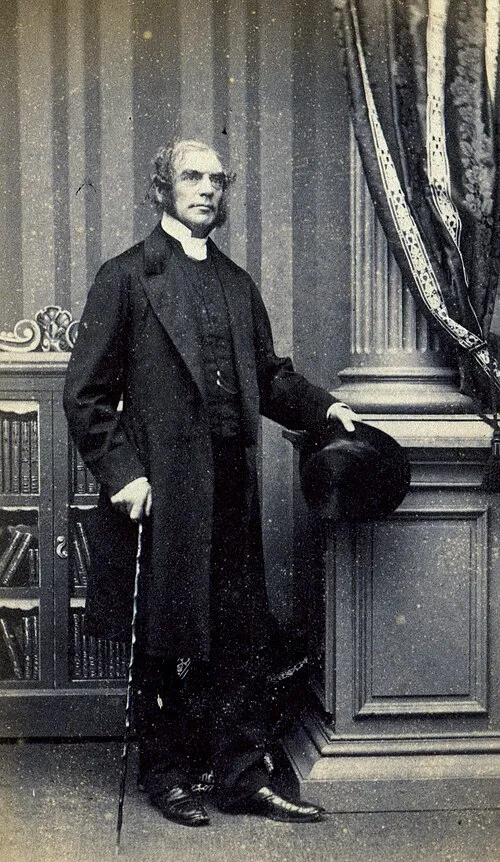
Capítulo 5: La declinación en conexión con el error doctrinal
«Santifícalos en tu verdad.» —Juan 17:17.
Ha placido a Dios, por su gracia, señalar a su iglesia como la gran conservadora de su verdad, y a su verdad como el medio especial de santificación para su iglesia; hay entre ambas una relación estrecha y hermosa. La iglesia puede compararse con la lámpara de oro que contiene el aceite sagrado, el cual, a su vez, alimenta la llama de su luz y de su santidad. La iglesia ha de guardar, con ojo celoso y vigilante, la pureza de la verdad, mientras la verdad ha de embellecer y santificar el arca que la preserva; compárese 1 Timoteo 3:15; Juan 17:17. Así hay una relación estrecha, y una influencia recíproca que de continuo existe y se ejerce, entre la iglesia de Cristo y la verdad de Dios.
Añádase a este pensamiento otro más: todo creyente individual en Jesús es él mismo un sujeto de la verdad y, por tanto, un testigo de ella. Ha sido vivificado, llamado, renovado y santificado en parte por medio de la verdad revelada de Dios: «Él, de su voluntad nos ha engendrado por la palabra de verdad» (Santiago 1:18). «Por la verdad que está en nosotros» (2 Juan 2). «Vosotros sois mis testigos, dice Jehová» [N. del T.: Isaías 43:10]. Aquí se despliega una de las verdades más solemnes y conmovedoras tocante al carácter y a la responsabilidad individual de un hijo de Dios. Es un sujeto de la verdad, es un depositario de la verdad y es un testigo de la verdad; sí, es el único testigo vivo de la verdad que Dios tiene sobre la tierra. El mundo en que vive es un mundo oscuro, contaminado, blasfemo contra Dios, negador de Cristo y despreciador de la verdad. Los santos que han sido llamados de en medio de él, según el propósito eterno y el amor de Dios, y por su gracia soberana, distintiva y gratuita, son las únicas luces y la única sal en medio de esta oscuridad y de esta corrupción moral. Aquí y allá brilla una luz, que irradia la esfera sombría en que se mueve; aquí y allá aparece un retazo de verdor, que alivia la desolación árida y estéril de la que está rodeado. Estos son los santos del Altísimo, los testigos del carácter divino, del poder omnipotente y de la tendencia santa de la bendita verdad de Dios. Que los santos de Dios pesen, pues, solemnemente este hecho conmovedor: que, aunque la palabra escrita y el Espíritu que la acompaña son los testigos de Dios en el mundo, ellos son, con todo, las únicas ejemplificaciones vivas del poder de la verdad y, como tales, son exhortados con empeño a ser «irreprensibles y sencillos, hijos de Dios sin culpa en medio de la nación maligna y perversa, entre los cuales resplandecéis como luminares en el mundo» (Filipenses 2:15).
El primer punto que nos toca tratar al abrir el asunto de este capítulo es la tendencia santa de la verdad divina, o la relación íntima entre la verdad y la santidad. Hay dos axiomas admitidos en todo ramo de la ciencia humana, que se aplicarán con igual fuerza al asunto que tenemos delante: a saber, que un efecto no puede existir sin una causa, y que una causa no opera sin el uso de medios. Sirvan estas proposiciones admitidas de base a nuestro razonamiento sobre este asunto importante. Dios se ha propuesto la santificación de su pueblo; ha señalado su verdad como el gran instrumento para efectuar la santificación de ellos; y, a fin de cumplir esto, ha declarado que su verdad ha de morar en el corazón con la misma riqueza, plenitud y pureza con que está revelada en su palabra.
Al sostener nuestra proposición, de que las verdades del evangelio son el gran medio que Dios emplea para la santificación de su pueblo, entiéndase con claridad desde el principio que rechazamos toda creencia en el mero poder de la verdad misma para producir santidad. Este es uno de los grandes errores de la teología moderna, del cual disentimos sin vacilar y que repudiamos con severidad. La mera presentación de la verdad a la mente no renovada, ya en forma de amenaza, ya de promesa, ya de motivo, nunca puede producir efecto salvador ni santificador alguno. El alma del hombre, en su estado no renovado, se representa como espiritualmente muerta, insensible a todo movimiento santo y espiritual. Ahora bien, sobre una mente así, ¿qué impresión ha de producir el mero alzar la verdad delante de su ojo? ¿Qué vida, qué emoción, qué efecto se conseguirá? Tan en vano desplegaríamos el lienzo pintado delante del ojo vidriado de un cadáver, y esperaríamos que, por la belleza del diseño, el brillo del colorido y el genio de la ejecución, animáramos el cuerpo con vida, hiciéramos palpitar el pecho de emoción y anegáramos el ojo de deleite, como lo sería esperar que resulten efectos morales semejantes del mero poner a la vista la verdad divina delante de una mente carnal, «muertos en vuestros delitos y pecados» [N. del T.: Efesios 2:1]. ¡Y, con todo, hay quienes sostienen la doctrina de que la verdad divina, sin que la acompañe poder alguno ajeno a ella, puede obrar todas estas maravillas! Contra tal teoría colocaríamos sencillamente un pasaje de la Palabra sagrada: «el que no naciere otra vez, no puede ver el reino de Dios» [N. del T.: Juan 3:3].
Pero el poder de la verdad por el cual abogamos es el que resulta de la energía y la demostración del Espíritu Santo que la acompañan. La Palabra sagrada, aunque inspirada, no es sino letra muerta, no revestida del poder vivificador del Espíritu Santo. Por tremendas que sean las verdades que ella despliega, por solemnes que sean las revelaciones que descubre, por conmovedoras que sean las escenas que retrata y por persuasivos que sean los motivos que suministra, con todo, dejada a su propia operación sin auxilio, la verdad divina es del todo impotente para producir vida espiritual, amor y santidad en el alma del hombre. Su influencia ha de ser, por necesidad, pasiva, pues no posee poder efectivo propio alguno, y depende de una influencia divina ajena a ella misma para que su enseñanza resulte eficaz. Los tres mil que se convirtieron el día de Pentecostés fueron, sin duda, despertados bajo un solo sermón, y algunos declararían que fue el poder de la verdad el que obró aquellas maravillas de gracia. En esto convenimos por completo; solo añadimos que fue la verdad en la mano poderosa de Dios la que les traspasó el corazón y les arrancó el clamor: «Varones hermanos, ¿qué haremos?» [N. del T.: Hechos 2:37]. El Espíritu Eterno fue la causa eficiente, y la verdad predicada no fue sino el instrumento empleado para producir el efecto; de no ser por su poder acompañante y eficaz, ellos, como lo hacen ahora las multitudes, habrían vuelto la espalda al sermón de Pedro, aunque estaba lleno de Cristo crucificado, burlándose de la verdad y rechazando al Salvador de quien ella hablaba. Pero plugo a Dios, en la soberanía de su voluntad, llamarlos por su gracia, y esto lo hizo por el poder eficaz y omnipotente del Espíritu Santo, mediante el instrumento de un evangelio predicado.
Así, pues, abogamos por un conocimiento personal y experiencial de la verdad, y por una recepción de ella, antes de que pueda producir en el alma algo semejante a la santidad. Que haya hallado entrada tan solo en el juicio no basta; si no avanza más, si no prende la voluntad, si no toca el corazón, si no renueva el alma entera, nunca puede erigir en el hombre el imperio de la santidad; el reinado de la santificación no puede haber comenzado. Puede el ojo de la mente estar claro, y cerrado el ojo moral; la mente, toda luz, y el corazón, todo tinieblas; el credo, ortodoxo, y la vida entera, en pugna con el credo. Tal es el efecto discordante de la verdad divina cuando se asienta simplemente en el entendimiento humano, sin que la acompañe el poder del Espíritu Santo en el corazón. Pero reciba un hombre la verdad en su corazón por el poder de Dios mismo; entre ella allí, desarmando y destronando al hombre fuerte; entre Jesús, y tome posesión el Espíritu Santo, renovando, sellando y santificando el alma; y entonces podremos esperar los «frutos de santidad que son para vida eterna».
Ahora bien, que es la tendencia natural de la verdad divina, así recibida en el corazón, producir santidad, lo mostrará un momento de atención a la palabra de Dios. El designio de todo el plan de redención fue asegurar la más alta santidad y la más alta felicidad de la criatura; y cuando el evangelio viene con el poder de Dios para salvación del alma, este fin se asegura de manera eminente. El hombre renovado es un hombre perdonado; el hombre perdonado viene a ser un hombre santo; y el hombre santo es un hombre feliz. Mira, pues, la palabra de Dios, sigue la tendencia de toda doctrina, de todo precepto, de toda promesa y de toda amenaza, y advierte la influencia santa de cada una. Tomemos, por ejemplo, algunas de las doctrinas distintivas de la gracia. Toma la doctrina del amor eterno de Dios hacia su pueblo, tal como se ve en la elección de ellos para vida eterna. ¡Cuán santa es la tendencia de esta verdad! «Bendito el Dios y Padre del Señor nuestro Jesucristo, el cual nos bendijo con toda bendición espiritual en lugares celestiales en Cristo: según nos escogió en él antes de la fundación del mundo, para que fuésemos santos y sin mancha delante de él en amor» (Efesios 1:3-4). No se aparte mi lector de esta doctrina gloriosa porque le parezca irreconciliable con otras que sostenga, o porque las nieblas del prejuicio se la hayan velado largo tiempo a la mente. Es una doctrina revelada y, por tanto, ha de recibirse por entero; es una doctrina santa y, por tanto, ha de amarse con ardor. Recibida en el corazón por la enseñanza del Espíritu Santo, pone el orgullo del hombre en el polvo, quita de debajo del alma todo suelo en que gloriarse de sí misma, y ensancha la mente con las visiones más elevadas de la gloria, la gracia y el amor de Jehová. El que recibe en su corazón, por el poder del Espíritu, la doctrina del amor de elección, lleva consigo la materia de un andar santo; su tendencia es humillar, abatir y santificar al hombre.
Así de santa es también la doctrina revelada de la gracia gratuita, soberana y distintiva de Dios. La tendencia de esta verdad es santificadora en sumo grado: que un hombre sienta que solo Dios lo ha hecho diferir de otro; que lo que tiene, lo ha recibido; que por la gracia gratuita y distintiva de Dios es lo que es: es una verdad que, experimentada en el corazón, tiene sin duda la más santa influencia. ¡Cómo pone el hacha a la raíz del yo! ¡Cómo deshonra el orgullo de la gloria humana, y acalla los susurros de la jactancia vana! Acuesta al pecador renovado donde siempre debe yacer, en el polvo; y pone la corona donde solo ella debe resplandecer, brillante y gloriosa, sobre la cabeza de la misericordia soberana. «Señor, ¿por qué yo? Estaba lejos de ti por las malas obras; era el menor de la casa de mi Padre y, de todos, el objeto más indigno y más improbable de tu amor; y, con todo, tu misericordia me buscó, tu gracia me escogió de entre todos los demás y me hizo un milagro de su poder omnipotente. Señor, ¿a qué puedo atribuir esto, sino a tu mera misericordia, a tu gracia soberana y gratuita, del todo aparte de todo valor o merecimiento que vieras en mí? Toma, pues, mi cuerpo, mi alma y mi espíritu, y sean, en el tiempo y por la eternidad, un templo santo para tu gloria.» Así, «la gracia de Dios que trae salvación a todos los hombres, se manifestó, enseñándonos que, renunciando a la impiedad y a los deseos mundanos, vivamos en este siglo templada, y justa, y píamente» [N. del T.: Tito 2:11-12]. Y así podríamos seguir por todas las doctrinas afines de la gracia, si fuera necesario, mostrando que la santificación del creyente es su gran fin y su tendencia.
Todos los preceptos, asimismo, están del lado de la santidad. «Si me amáis, guardad mis mandamientos»; «No améis al mundo, ni las cosas que están en el mundo»; «salid del mundo, y apartaos, y no toquéis lo inmundo»; «Velad y orad»; «Orad sin cesar»; «amándoos fraternalmente»; «Sed santos, porque yo soy santo»; «no nos ha llamado Dios a inmundicia, sino a santificación»; «Para que andéis como es digno del Señor, agradándole en todo, fructificando en toda buena obra, y creciendo en el conocimiento de Dios». ¡Preceptos santos! ¡Grábelos el Espíritu Eterno en lo hondo de nuestros corazones! [N. del T.: las citas corresponden a Juan 14:15; 1 Juan 2:15; 2 Corintios 6:17; Mateo 26:41; 1 Tesalonicenses 5:17; 1 Pedro 3:8; 1 Pedro 1:16; 1 Tesalonicenses 4:7 y Colosenses 1:10; la fuente inglesa no da las referencias.]
No menos santificadoras en su tendencia son aquellas «preciosas y grandísimas promesas» que contiene la palabra de verdad. «Así que, amados, pues tenemos tales promesas, limpiémonos de toda inmundicia de carne y de espíritu, perfeccionando la santificación en temor de Dios.» [N. del T.: las citas son 2 Pedro 1:4 y 2 Corintios 7:1.]
Igualmente santa es la tendencia de las amenazas divinas. «El día del Señor vendrá como ladrón en la noche; en el cual los cielos pasarán con grande estruendo, y los elementos ardiendo serán deshechos, y la tierra y las obras que en ella están serán quemadas. Pues como todas estas cosas han de ser deshechas, ¿qué tales conviene que vosotros seáis en santas y pías conversaciones? Bien que esperamos cielos nuevos y tierra nueva, según sus promesas, en los cuales mora la justicia. Por lo cual, oh amados, estando en esperanza de estas cosas, procurad con diligencia que seáis hallados de él sin mácula, y sin reprensión, en paz» [N. del T.: 2 Pedro 3:10-11, 13-14]. Así de santas y santificadoras son la naturaleza y el efecto de la verdad divina. Es, en su naturaleza y en sus propiedades, santísima; viene de un Dios santo; y siempre y dondequiera que es recibida en el corazón, como la buena e incorruptible semilla del reino, produce aquello que es conforme a su propia naturaleza: la santidad. Cual el árbol, tales los frutos; cual la causa, tales los efectos. Abate y humilla los pensamientos altivos del hombre, al revelarle el carácter de Dios; lo convence de su profunda culpa y de su tremenda condenación, al exhibirle la ley divina; le descubre el odio de Dios al pecado, su justicia al castigarlo y su misericordia al perdonarlo, al desplegar ante su vista la cruz de Cristo; y, tomando posesión entera del alma, implanta principios nuevos, suministra motivos nuevos, da un fin nuevo, engendra gozos nuevos e inspira esperanzas nuevas. En una palabra, se difunde por todo el hombre moral, lo cambia en la misma imagen y lo transforma en «morada de Dios en Espíritu» [N. del T.: Efesios 2:22].
Ahora bien, no hará falta una discusión trabajosa ni larga para mostrar que la naturaleza y la tendencia del error han de ser opuestas a las de la verdad; porque es imposible que dos cosas tan distintas en su naturaleza sean capaces de producir los mismos efectos. Si la naturaleza y la tendencia de la verdad son promover la santidad, ha de ser la naturaleza y la tendencia del error promover la falta de santidad. Si la una tiende a humillar el orgullo del hombre, a disminuirlo a sus propios ojos, a corregir los males de su naturaleza caída, a quebrantar el poder de la corrupción y a introducirlo en la santa libertad del hijo de Dios —pues «si la verdad lo libertare, será verdaderamente libre»—, de seguro la otra tiende a fomentar su orgullosa presunción de sí mismo, a engendrar un concepto elevado de sus propios dones y alcances, a menguar su modo de ver la excesiva pecaminosidad del pecado y, al rebajar el motivo y debilitar el poder de la santidad, suelta sin freno la rienda a todas las propensiones corruptas de una naturaleza caída.
Es la tendencia de la falsa doctrina desviar por un cauce errado la mente que la abriga: aparta el alma de Dios. Así como la verdad recibida de modo experiencial atrae el corazón a Dios, así el error abrigado en la mente aparta el corazón de Dios. Comunica conceptos torcidos del carácter divino, da conceptos bajos de la ley divina, nubla la obra consumada de Cristo, debilita la fuerza de la obligación moral y, paso a paso, aparta el alma por entero y, si la gracia no interviene, para siempre, de Dios.
Que la conexión entre la declinación espiritual y personal y la falsa doctrina es estrecha e inseparable, y que los resultados son siempre de lo más doloroso y desastroso, no puede ponerse en duda. En el momento en que un cristiano particular, o un maestro público, o un cuerpo asociado, se infecta de falsa doctrina, se aparta de la palabra de Dios y levanta doctrinas, y mandamientos, y ordenanzas, en pugna con la palabra revelada, ese momento lo halla, o los halla, deteriorándose en espiritualidad y declinando en santidad; y, desde una carrera de prosperidad espiritual, quizá sin igual, recayendo en un estado de formalismo, de muerte y de infructuosidad, del cual nada parece recobrarlos de manera plena y permanente.
Escoge a un creyente individual, a un ministro, o el caso de una iglesia que se haya apartado de «la fe que ha sido una vez dada a los santos» [N. del T.: Judas 3] y haya abandonado algunas de las doctrinas fundamentales del evangelio, ¡y cuán marcados y dolorosos son los resultados!
Toma, por ejemplo, el caso de un creyente individual. ¿Ha abandonado el término antiguo de la verdad? ¿Ha perdido la reverencia a su carácter, el sentido de su valor, el gusto por su dulzura? Rastrea los tristes efectos en su andar desigual, en su espíritu descuidado, en su espiritualidad de tono bajo, en su conciencia endurecida, en su corazón insensible, en su descuido de los medios; en una palabra, en el aparente marchitamiento de toda su gracia. ¡Qué cambio ha pasado sobre el hombre! ¡Qué espíritu distante señala ahora a aquel cuyo andar fue un tiempo tan cercano a Dios! ¡Qué exhibiciones del yo en aquel que fue un tiempo tan humilde y tan retraído, cuyo porte parecía hablar la conciencia interior del alma: «menos que el más pequeño de todos los santos» [N. del T.: Efesios 3:8]! ¡Qué volver la espalda a los medios de gracia, de parte de aquel para quien fueron un tiempo tan altamente estimados, tan ávidamente buscados, tan ricamente gozados, y en medio de los cuales andaba como por delicados pastos y junto a aguas de reposo! ¡Qué falta de bondad, qué porte altivo, qué distancia glacial señala ahora su conducta hacia los santos de Dios, un tiempo tan queridos de su corazón, sus compañeros escogidos y amados, con quienes deseaba vivir y morir! Se ha apartado de la fe, ¡y estos son algunos de los funestos efectos!
Toma el caso, aún más conmovedor, de un ministro profeso del evangelio. ¿Ha ocurrido algún cambio en su modo de ver el sistema cristiano? ¿Ha abandonado alguna doctrina fundamental del evangelio? ¿Ha abandonado algún elemento esencial de la verdad revelada? Quizá ha renunciado a la Deidad de Cristo y al carácter sacrificial de su muerte; o, tal vez, niega la Deidad y la Personalidad del Espíritu; o bien sus conceptos, tocante a la obligación del creyente para con la santidad, han sufrido una alteración dolorosa. Pero, sea cual fuere el error que ha bebido, ya doctrinal, ya preceptivo, una plaga temible ha caído, en consecuencia, sobre el hombre. ¡Cómo ha cambiado la disposición espiritual de su mente! Ya no lo señalan el celo, la ternura ni la solemnidad. ¡Cómo se ha alterado el carácter de su ministerio! Ya no lo viste el poder, el fervor ni la espiritualidad. ¡Cuán distintos sus resultados! Ya no lo siguen conversiones, ni la edificación, el consuelo y la afirmación de los santos. ¡Cuán distinto es su orar! Ya no respiran en sus peticiones la unción, la vida y el poder. Ha bebido el error, ha vuelto la espalda a la verdad de Dios, y Dios le ha vuelto la espalda a él.
Podríamos seguir rastreando los mismos efectos, o efectos semejantes, que muestran la estrecha conexión entre la falsa doctrina y la declinación espiritual, en la historia de una iglesia que se ha apartado de la pureza de la fe; pero basta, creemos, con lo adelantado para ilustrar las tremendas consecuencias de alterar la palabra de Dios y de soltar el asimiento de una sola verdad que él ha revelado para la santificación y la salvación del alma.
La pregunta se sugiere aquí con toda propiedad: ¿hasta dónde puede rastrearse la deficiencia de espiritualidad que prevalece hasta la influencia de conceptos laxos de la verdad divina entre cristianos que profesan ser ortodoxos, y hasta la existencia de errores alarmantes que, como un diluvio, amenazan con barrer los términos antiguos de la verdad del evangelio? Que tal escasez de espiritualidad existe de veras —rastreada en el púlpito, en la tribuna, desde la prensa y en la comunión social de los cristianos— no puede dudarse. La única pregunta es: ¿a qué hemos de atribuirla, como causa? Respondemos sin vacilar: a una teología defectuosa, a la falsa doctrina, a conceptos bajos y laxos de la verdad revelada de Dios. La declinación en la espiritualidad ha seguido siempre a un apartarse de la pureza de la fe. Mira las iglesias reformadas del continente de Europa. Se apartaron de las doctrinas puras de la Reforma, ¿y qué son ahora, y dónde están? Dispersas, muchas de ellas, a los cuatro vientos; arrancadas de raíz; mientras las que quedan se han hundido en un estado de la más honda declinación, abandonadas a la influencia marchitadora de una neología incrédula y de un trascendentalismo místico. Es verdad que el sol de la Reforma parece, en algunas partes de la tierra de Calvino y de Lutero, estar saliendo de su larga y honda oscuridad, e inspira esperanzas del avivamiento de un cristianismo más puro y más espiritual. ¿Y a qué han de rastrearse estos síntomas favorables, sino a un retorno de algunas de las iglesias y de los pastores a las doctrinas puras de la Reforma? Doctrinas que Lutero predicó con denuedo, sobre las cuales Calvino escribió con poder, y por las cuales Latimer, Ridley y Cranmer fueron sin temor a la hoguera. Es mucho de temer que, si las iglesias reformadas de Inglaterra y de América no vuelven pronto a una teología más pura y más espiritual, golpeen contra las rocas en las cuales las iglesias del continente han hecho tan tristemente naufragio en la fe. Para descender a lo particular:
¿No hay en el día presente, de parte de algunos, un retener criminal y, de parte de otros, un penoso menosprecio de las doctrinas escriturales y santas de la gracia? Las doctrinas que despliegan la eternidad del amor de Dios hacia su pueblo, la soberanía de su gracia en la elección de ellos, el poder eficaz del Espíritu en su llamamiento, la justificación gratuita de sus personas por la justicia imputada de Cristo y el quitar por entero sus pecados mediante su sangre expiatoria, la obligación solemne de «vivir en este siglo templada, y justa, y píamente» [N. del T.: Tito 2:12], y la certeza de su glorificación final en el mundo venidero: ¿no son estas verdades divinamente reveladas, en el momento presente, y por la gran masa de profesantes y predicadores cristianos, excluidas de nuestros púlpitos y desterradas de nuestra tierra? ¿No se las tiene por mezquinas y pasadas de moda? Y, habiendo perdido su sabor para con los muchos, ¿no son echadas fuera y holladas de los hombres? En verdad, y con solemnidad, creemos que así es. Unos las reciben de profesión, pero las retienen de modo criminal; otros las predican de profesión, pero con tal timidez y tal oscuridad que las dejan sin efecto alguno; y los muchos no las creen en absoluto y, por tanto, las niegan abierta y denodadamente. Y, con todo, estas son las doctrinas que resplandecen con tanta luz en cada página de los escritos del apóstol; estas son las doctrinas que formaron los grandes temas del ministerio de Cristo; y estas son las doctrinas a cuya predicación por los reformadores debemos toda la libertad civil y religiosa que, como nación, poseemos ahora. No vacilamos, pues, en decir que, junto con la negación o el menosprecio de estas doctrinas de la gracia, saldrá una influencia que marchitará la espiritualidad y estorbará la prosperidad de las iglesias de nuestra tierra. Es verdad que una apariencia exterior de fruto puede seguir a la exposición de doctrinas opuestas y encontradas; las muchedumbres pueden acudir a su estandarte, y multitudes parecer convertidas por su influencia; pero pronto se ve que estas apariencias engañosas pasan. Viene el tiempo de la prueba y de la criba, y entonces se halla —cuando, ¡ay!, es demasiado tarde para cerrar la compuerta contra los males abrumadores que ha producido la predicación del error— que la verdad, y solo la verdad, en las manos del Espíritu Eterno de Dios, puede de veras alumbrar la mente oscura, regenerar el alma sin vida, y sojuzgar y santificar el corazón rebelde. Entonces se descubre que la verdadera prosperidad de una iglesia —su estabilidad, su espiritualidad, su vigor y su influencia santa— está esencial y, por tanto, inseparablemente unida a un sostén intrépido y santo de las doctrinas de la gracia; que donde se las niega, o se las retiene, o de algún modo se las oscurece, puede haber, sí, la forma de la piedad, pero el poder —el poder glorioso, divino y santificador— falta. La predicación de la falsa doctrina puede edificar una iglesia compuesta de «madera, heno, hojarasca», pero solo la predicación de la verdad puede levantar una iglesia compuesta de «oro, plata, piedras preciosas» [N. del T.: 1 Corintios 3:12]. Y se acerca el día en que «la obra de cada uno será manifestada: porque el día la declarará; porque por el fuego será manifestada; y la obra de cada uno cuál sea, el fuego hará la prueba» (1 Corintios 3:13).
¿Anhelamos, y oramos, y trabajamos por un verdadero avivamiento de la obra del Señor? ¿Qué cosa es más propia para hacer descender sobre nosotros al Espíritu Santo de Dios en toda la plenitud de su influencia despertadora —para despertar a los descuidados, convencer de pecado a los impenitentes y a los incrédulos, aniquilar la justicia propia, postrar los pensamientos altivos y dar muerte al orgullo del corazón humano— que una exposición clara, puntual y fiel de la propia verdad revelada de Dios? ¿No se ha hecho ya el gran experimento, y no ha quedado zanjada la cuestión? Sí. El presidente Edwards, en su Narración de conversiones sorprendentes, da este testimonio: «Creo haber hallado —dice— que ningún discurso ha sido más notablemente bendecido que aquellos en que se ha insistido en la doctrina de la soberanía absoluta de Dios respecto de la salvación de los pecadores, y en su justa libertad respecto de responder a las oraciones, o de prosperar los afanes, de los meros hombres naturales que siguen siéndolo. Nunca hallé tanto fruto salvador inmediato, en medida alguna, de discurso alguno que haya ofrecido a mi congregación, como el de algunos sacados de aquellas palabras: “para que toda boca se tape” (Romanos 3:19); procurando mostrar desde allí que sería justo en Dios rechazar y desechar para siempre a los meros hombres naturales.»
Y, por remontarnos aún más atrás en busca de un testimonio más fuerte: ¿de qué fue resultado el gran avivamiento de Jerusalén el día de Pentecostés, sino de una exposición fiel de la verdad, aplicada a las conciencias y a los corazones de tres mil pecadores rebeldes por el denodado apóstol Pedro? Las doctrinas que entonces proclamó eran las doctrinas de la gracia, hoy despreciadas y tenidas en poco; las verdades que entonces tronó eran las más humillantes para el orgullo humano y las más ofensivas para el corazón natural y, con todo, las más propias, en las manos del Espíritu Eterno, para despertar la emoción más honda y para producir la pregunta más ansiosa: «A éste, entregado por determinado consejo y providencia de Dios, prendisteis y matasteis por manos de los inicuos, crucificándole» [N. del T.: Hechos 2:23]. «Entonces oído esto, fueron compungidos de corazón, y dijeron a Pedro y a los otros apóstoles: Varones hermanos, ¿qué haremos?» [N. del T.: Hechos 2:37]. Este fue el resultado de una predicación sencilla de la verdad: una exposición fiel de las doctrinas de la gracia. Los judíos de corazón obstinado escucharon con temor reverente. Los hombres que habían presenciado sin emoción la tremenda escena del Calvario ahora se acobardaron, temblaron, palidecieron y se golpearon el pecho, en toda la angustia de una convicción de pecado honda y punzante. ¡Cuán pronto se doblaron sus naturalezas orgullosas y se derritieron sus corazones duros; cuán pronto cedió la fortaleza fuerte de sus prejuicios ante la sencillez y la majestad de la verdad! Fue la desnuda «espada del Espíritu» [N. del T.: Efesios 6:17] la que Pedro esgrimió, y esta, de un solo golpe, derribó por tierra a tres mil de los pecadores más desahuciados e impenitentes. Fue un Salvador crucificado el que él levantó en alto, el cual, por el poder del Espíritu Santo, obró las maravillas del día de Pentecostés. «¿No es mi palabra», dice Dios, «como el fuego, y como martillo que quebranta la piedra?» [N. del T.: Jeremías 23:29]. «Tus saetas agudas, con que caerán pueblos debajo de ti, penetrarán en el corazón de los enemigos del Rey» [N. del T.: Salmos 45:5]. ¿Es, pues, irrazonable esperar que el mismo Espíritu honre con muestras semejantes de su poder la predicación de las mismas verdades en nuestro día? «Así dijo Jehová: Paraos en los caminos, y mirad, y preguntad por las sendas antiguas, cuál sea el buen camino, y andad por él, y hallaréis descanso para vuestra alma» (Jeremías 6:16).
Preguntaríamos también: ¿no hay en el día presente una triste declinación en el presentar al Señor Jesucristo? ¿No tenemos causa para tocar la nota de alarma tocante a este punto, el más importante? En verdad, y con solemnidad, creemos que los púlpitos de nuestra tierra son aquí culpables de un modo tremendo; que la predicación moderna del evangelio no está formada según el modelo de la de los apóstoles, la cual era Cristo crucificado: «no me propuse saber (o dar a conocer) algo entre vosotros, sino a Jesucristo, y a éste crucificado» [N. del T.: 1 Corintios 2:2]. ¿No se tiene a Jesús en segundo plano? ¿No está escondida su cruz, y velada gran parte de su gloria, como si hubiera vergüenza de presentarlo plenamente? ¿Se exponen con claridad la gloria, la majestad y la hermosura de su naturaleza divina y humana, de su persona admirable? ¿Se despliegan por entero y sin temor la naturaleza, la necesidad y la perfección de su gran obra? ¿Son su sangre preciosa, su justicia imputada, su plenitud mediadora, su exaltación y su intercesión a la diestra de Dios verdades exhibidas con prominencia y predicadas con fervor? ¿No se ponen, por el contrario, el saber humano, y los talentos espléndidos, y la elocuencia brillante, y la persuasión moral, en gran manera, en lugar de la predicación de la cruz? Que haya una triste declinación de la piedad vital, de la espiritualidad real y del esfuerzo activo allí donde Cristo no es plenamente predicado, no es de extrañar. La cruz de Jesús es el alma misma del cristianismo; todo es muerte donde Jesús no está. La gracia decae, la piedad languidece, y el formalismo ocupa el lugar del poder del evangelio, allí donde la persona y la obra de Cristo son tenidas en poco, menospreciadas o negadas. ¡Cómo debiéramos orar para que el Señor Jesucristo, el Cordero inmolado, que es «digno de tomar el poder y riquezas y sabiduría, y fortaleza y honra y gloria y alabanza» [N. del T.: Apocalipsis 5:12], sea predicado de manera más plena y más sencilla a lo largo y a lo ancho de nuestra tierra; para que la iglesia y el púlpito, de modo más manifiesto, lo coronen Señor de todo!
Una vez más: ¿no se tiene en poco la doctrina del Espíritu Santo? ¿No se lo niega en su persona, se lo deshonra en su obra, se lo hiere y se lo contrista en su influencia? ¿No hay una dependencia más marcada del poder de la criatura que del poder del Espíritu? ¿No olvidan tristemente los sermones, y los libros, y los informes reconocerlo y honrarlo como la gran fuente de toda bendición? ¿Se reconocen con claridad, y se honran como es debido, su poder, su gracia y su amor en la gran obra de la conversión? Que no haya preciosos soplos de gracia, ni avivamiento de la obra del Señor, ni verdadera prosperidad espiritual allí donde el Espíritu Santo no es glorificado, no podemos maravillarnos de ello. Todo ha de ser frío, formal y sin vida: aquella iglesia, una charca estancada, y aquel ministerio, un instrumento sin poder, allí donde el Espíritu de Dios es tenido en poco, herido o negado por completo.
Para concluir, observemos que, viviendo como vivimos en un día en que abunda el error, incumbe solemnemente a los que creen la verdad sostenerla sin temor. No haya compromiso alguno, ni trueque alguno de la verdad; cómprenla a costa de cualquier sacrificio de la opinión humana, y no la vendan a precio alguno. «Compra la verdad, y no la vendas» [N. del T.: Proverbios 23:23]. Ponte en pie como testigo de la verdad, con humildad, con denuedo y en la fuerza del Señor, dondequiera que su providencia te coloque. ¡Oh, considera el honor de que se te permita testificar de la verdad tal como es en Jesús! Puedes ser un testigo solo, un testigo solitario; pero no temas. Aquel que es «la verdad» misma te dice, como dijo a la iglesia en Filadelfia: «tienes un poco de potencia, y has guardado mi palabra, y no has negado mi nombre. Porque has guardado la palabra de mi paciencia, yo también te guardaré de la hora de la tentación que ha de venir en todo el mundo, para probar a los que moran en la tierra. He aquí, yo vengo presto; retén lo que tienes, para que ninguno tome tu corona» (Apocalipsis 3:8, 10-11).
Los que sostienen la verdad, cuiden de mantener buenas obras, y anden así en toda la santidad de la verdad que profesan. Procuren que, por ningún descuido en el porte, por ninguna falta de integridad, por ningún descuido de los medios de gracia, por ninguna manifestación de un temperamento no santo, por ninguna conformidad con el mundo, sí, por ninguna inconsecuencia cualquiera, traigan un baldón sobre las doctrinas santas que declaran sostener y amar. No se satisfagan con sostener una sarta de doctrinas, sin el poder santificador que las acompaña; antes procuren que, con la verdad en el juicio, posean la gracia en el corazón y una santidad sin mancha en la vida. «Y decía Jesús a los judíos que le habían creído: Si vosotros permaneciereis en mi palabra, seréis verdaderamente mis discípulos; y conoceréis la verdad, y la verdad os libertará» (Juan 8:31-32).
Ver el original (inglés)
Original en inglés
Chapter 5: Declension in Connection with DOCTRINAL ERROR
“Sanctify them through your truth.” (John 17:17)
God has been graciously pleased to appoint his church the great conservator of his truth, and his truth the especial medium of sanctification to his church; there is a close and beautiful relation between the two. The church may be compared to the golden lamp which contains the sacred oil, which, in its turn, feeds the flame of its light and holiness. The church is to guard with a jealous and vigilant eye the purity of the truth, while the truth is to beautify and sanctify the ark which preserves it; compare i Tim. iii. 15; John xvii. 17. Thus there is a close relation, and a reciprocal influence constantly existing and exerted, between the church of Christ and the truth of God.
To this thought add yet another: every individual believer in Jesus is himself a subject, and therefore a witness, of the truth; he has been quickened, called, renewed, and partially sanctified through the instrumentality of God’s revealed truth: ” Of his own will begat he us with the word of truth.” James i. 18. “For the truth’s sake which dwells in us.” 2 John 2. ” You are my witnesses, says the Lord.” Here is unfolded one of the most solemn and affecting truths touching the character and individual responsibility of a child of God. He is a subject of truth, he is a repository of the truth, and he is a witness for the truth; yes, he is the only living witness to the truth which God has on earth. The world he lives in is a dark, polluted, God-blaspheming, Christ-denying, truth-despising world. The saints who have been called out of it according to his eternal purpose and love, and by his sovereign, distinguishing, and free grace, are the only lights and the only salt in the midst of this moral darkness and corruption. Here and there a light glimmers, irradiating the gloomy sphere in which it moves; here and there a spot of verdure appears, relieving the arid and barren desolation by which it is surrounded. These are the saints of the Most High, the witnesses of the Divine character, the omnipotent power, and the holy tendency of God’s blessed truth. Let the saints of God, then, solemnly weigh this affecting fact, that though the written word and the accompanying Spirit are God’s witnesses in the world, yet they are the only living exemplifications of the power of the truth, and, as such, are earnestly exhorted to be ” blameless and harmless, the sons of God without rebuke, in the midst of a crooked and perverse nation, among whom you shine as lights in the world.” Phil. ii. 15.
The first point on which it is our duty to touch in opening the subject of this chapter, is the holy tendency of Divine truth, or the intimate relation between truth and holiness. There are two admitted axioms in every department of human science, which will apply with equal force to the matter before us; - that is, that an effect cannot exist without a cause, and that a cause does not operate without the use of means. Let these admitted propositions form the basis of our reasoning upon this important subject. God has designed the sanctification of his people; he has appointed his truth as the great instrument of effecting their sanctification; and in order to accomplish this, he has declared, that his truth must dwell in the heart in the same richness, fullness, and purity with which it is revealed in his word.
In sustaining our proposition, that the truths of the Gospel are the grand means which God employs for the sanctification of his people, let us be distinctly understood in the outset, as disclaiming all belief in the mere power of the truth itself to produce holiness. This is one of the grand errors of modern divinity from which we unhesitatingly dissent, and which we sternly repudiate. The mere presentation of truth to the un-renewed mind, either in the form of threatening, or promise, or motive, can never produce any saving or sanctifying effect. The soul of man in its unrenewed state, is represented as spiritually dead; insensible to all holy, spiritual motion. Now upon such a mind, what impression is to be produced by the mere holding up of truth before its eye? What life, what emotion, what effect will be accomplished? As well might we spread out the pictured canvas before the glazed eye of a corpse, and expect that by the beauty of the design, and the brilliancy of the coloring, and the genius of the execution, we would animate the body with life, and heave the bosom with emotion, and cause the eye to swim with delight, as to look for similar moral effects to result from the mere holding up to view Divine truth before a carnal mind, ” dead in trespasses and sins.” And yet there are those who maintain the doctrine, that Divine truth, unaccompanied by any extraneous power, can effect all these wonders! Against such a theory we would simply place one passage from the sacred Word: ” Except a man be born again, he cannot see the kingdom of God.”
But the power of the truth for which we plead, is that which results from the attending energy and demonstration of the Holy Spirit. The sacred Word, inspired though it be, ii but a dead letter, unclothed with the life-giving power of the Holy Spirit. Awful as are the truths it unfolds, solemn as are the revelations it discloses, touching as are the scenes it portrays, and persuasive as are the motives it supplies, yet, when left to its own unaided operation, Divine truth is utterly impotent to the production of spiritual life, love, and holiness in the soul of man. Its influence must necessarily be passive, possessing as it does no actual power of its own, and depending upon a Divine influence extraneous from itself, to render its teaching efficacious. The three thousand who were converted on the day of Pentecost, were doubtless awakened under one sermon, and some would declare it was the power of the truth which wrought those wonders of grace. With this we perfectly agree, only adding, that it was truth in the mighty hand of God which pierced them to the heart, and wrung from them the cry, ” Men and brethren, what shall we do?” The Eternal Spirit was the efficient cause, and the preached truth but the instrument employed, to produce the effect; but for his accompanying and effectual power, they would, as multitudes do now, have turned their backs upon the sermon of Peter, though it was full of Christ crucified, deriding the truth, and rejecting the Savior of whom it spoke. But it pleased God, in the sovereignty of his will, to call them by his grace, and this he did by the effectual, omnipotent power of the Holy Spirit, through the instrumentality of a preached gospel.
Thus, then, we plead for a personal experimental acquaintance with, and reception of, the truth, before it can produce anything like holiness in the soul. That it has found an entrance to the judgment merely, will not do; advancing not further, - arresting not the will, touching not the heart, renewing not the whole soul, - it can never erect the empire of holiness in man; the reign of sanctification cannot have commenced. The mental eye may be clear, the moral eye closed; the mind all light, the heart all dark; the creed orthodox, and the whole life at variance with the creed. Such is the discordant effect of Divine truth, simply settled in the human understanding, unaccompanied by the power of the Holy Spirit in the heart. But let a man receive the truth in his heart by the power of God himself; let it enter there, disarming and dethroning the strong man; let Jesus enter, and the Holy Spirit take possession, renewing, sealing, and sanctifying the soul; and then we may look for the ” fruits of holiness which are unto eternal life.”
Now that it is the natural tendency of Divine truth thus received into the heart, to produce holiness, a moment’s reference to the word of God will show. The design of the whole plan of redemption, was to secure the highest holiness and happiness of the creature; and when the gospel comes with the power of God unto the salvation of the soul, this end is pre-eminently secured. The renewed man is a pardoned man; the pardoned man becomes a holy man; and the holy man is a happy man. Look, then, at God’s word, and trace the tendency of every doctrine, precept, promise, and threatening, and mark the holy influence of each. To select, for example, a few of the distinguishing doctrines of grace. Take the doctrine of God’s everlasting love to his people, as seen in their election to eternal life. How holy is the tendency of this truth! “Blessed be the God and Father of our Lord Jesus Christ, who has blessed us with all spiritual blessings in heavenly places in Christ: according as he has chosen us in him before the foundation of the world, that we should be holy and without blame before him in love.” Eph. i. 3,4. Let not my reader turn from this glorious doctrine, because he may find it irreconcilable with others that he may hold, or because the mists of prejudice may long have veiled it from his mind; it is a revealed doctrine, and therefore to be fully received; it is a holy doctrine, and therefore to be ardently loved. Received in the heart by the teaching of the Holy Spirit, it lays the pride of man in the dust, knocks from beneath the soul all ground for self-glorying, and expands the mind with the most exalted views of the glory, grace, and love of Jehovah. He who receives the doctrine of electing love in his heart by the power of the Spirit, bears about with him the material of a holy walk; its tendency is to humble, abase, and sanctify the man.
Thus holy, too, is the revealed doctrine of God’s free, sovereign, and distinguishing grace. The tendency of this truth is most sanctifying: for a man to feel that God alone has made him to differ from another - that what he has he has received - that by the free, distinguishing grace of God, he is what he is, - is a truth, when experienced in the heart, surely of the most holy influence. How it lays the axe at the root of self! how it stains the pride of human glory, and hushes the whispers of vain boasting! It lays the renewed sinner, where he ought ever to lie, in the dust; and places the crown, where it alone ought to shine, bright and glorious, upon the head of sovereign mercy. ” Lord, why me ? I was far from you by wicked works; I was the least of my Father’s house, and of all, the most unworthy and unlikely object of your love: and yet your mercy sought me, - your grace selected me out of all the rest, and made me a miracle of its omnipotent power. Lord, to what can I refer this, but to your mere mercy, your sovereign and free grace, entirely apart from all worth or worthiness that you did see in me? Take, therefore, my body, soul, and spirit, and let them be, in time and through eternity, a holy temple to your glory.” Thus “the grace of God, that brings salvation, has appeared to all men, teaching us, that, denying ungodliness and worldly lusts, we should live soberly, righteously, and godly in this present evil world.” And so might we pass on through all the kindred doctrines of grace, were it necessary, showing that the sanctification of the believer is their great end and tendency.
All the precepts, too, are on the side of holiness. ” If you love me, keep my commandments”; “Love not the world, nor the things of the world ”; ” Come out of the world, and be you separate, and touch not the unclean thing ”; ” Watch and pray ”; ” Pray without ceasing ”; ” Love as brethren ”; ” Be you holy, for I am holy ”; ” God has not called us unto uncleanness, but unto holiness ”; ” That you might walk worthy of the Lord unto all pleasing, being fruitful in every good work, and increasing in the knowledge of God.” Holy precepts! May the Eternal Spirit engrave them deep upon our hearts!
Not less sanctifying in their tendency are those “exceeding great and precious promises ” which the word of truth contains. ” Having, therefore, these promises, dearly beloved, let us cleanse ourselves from all filthiness of the flesh and spirit, perfecting holiness in the fear of God.”
Equally holy is the tendency of the Divine threatenings. ” The day of the Lord will come as a thief in the night; in the which the heavens shall pass away with a great noise, and the elements shall melt with fervent heat, the earth also and the works that are therein shall be burned up. Seeing, then, that all these things shall be dissolved, what manner of persons ought you to be in all holy conversation and godliness! Nevertheless we, according to his promise, look for new heavens and a new earth, wherein dwells righteousness. Wherefore, beloved, seeing that you look for such things, be diligent that you may be found of him in peace, without spot, and blameless.” Thus holy and sanctifying are the nature and the effect of Divine truth. It is in its nature and properties most holy; it comes from a holy God; and whenever and wherever it is received in the heart, as the good and incorruptible seed of the kingdom, it produces that which is in accordance with its own nature, - holiness. As is the tree, so are the fruits; as is the cause, so are the effects. It brings down and lays low the high thoughts of man, by revealing to him the character of God; it convinces him of his deep guilt and awful condemnation, by exhibiting the Divine law; it unfolds to him God’s hatred of sin, his justice in punishing and his mercy in pardoning it, by unfolding to his view the cross of Christ; and taking entire possession of the soul, it implants new principles, supplies new motives, gives a new end, begets new joys, and inspires new hopes, - in a word, diffuses itself through the whole moral man, changes it into the same image, and transforms it into ” an habitation of God through the Spirit.”
Now it will require no labored or lengthened discussion to show, that the nature and tendency of error must be opposite to that of truth; for it is impossible that two things so different in their natures should be capable of producing the same effects. If the nature and the tendency of truth are to promote holiness, it must be the nature and tendency of error to promote unholiness: if the one tends to humble the pride of man, to diminish him in his own eyes, to correct the evils of his fallen nature, to break the power of corruption, and to introduce him into the holy liberty of the child of God, - for ” if the truth makes him free, then is he free indeed,” - surely the other tends to foster his proud conceit of himself, to beget a lofty view of his own gifts and attainments, to lessen his views of sin’s exceeding sinfulness, and, lowering the motive and weakening the power of holiness, gives the unchecked rein to all the corrupt propensities of a fallen nature.
It is the tendency of false doctrine to divert the mind that cherishes it into a wrong channel: it leads the soul away from God. As truth experimentally received draws the heart to God, so error cherished in the mind leads the heart from God. It imparts distorted views of the Divine character, gives low conceptions of the Divine law, beclouds the finished work of Christ, weakens the power of moral obligation, and, from step to step, leads the soul entirely, and, if grace do not interfere, forever, from God.
That the connection between spiritual and personal declension and false doctrine is close and inseparable, and the results always the most painful and disastrous, cannot be questioned. The moment a private Christian, or a public teacher, or an associated body, becomes infected with false doctrine, departs from the word of God, and sets up doctrines, and commandments, and ordinances, at variance with the revealed word, that moment finds him or them deteriorating in spirituality and declining in holiness; and from a career of spiritual prosperity, perhaps the most unexampled, relapsing into a state of formality, deadness, and unfruitfulness, from which nothing seems fully and permanently to recover them.
Select an individual believer, a minister, or the case of a church, which has departed from the “faith once delivered unto the saints,” and has relinquished some of the fundamental doctrines of the Gospel, and how marked and painful are the results!
Take, for example, the case of an individual believer. Has he abandoned the ancient landmark of truth? Has he lost a reverence for its character, a sense of its value, a relish for its sweetness ? Trace the sad effects in his uneven walk, his careless spirit, his low-toned spirituality, his hardened conscience, his insensible heart, his neglect of means - in a word, the apparent withering up of all his grace. What a change has passed over the man! what a distant spirit now marks him whose walk was once so close with God! what exhibitions of self in him who was once so humble and so retiring, whose carriage did seem to speak the inward consciousness of the soul ” less than the least of all saints!” what a turning of the back upon the means of grace by him to whom they were once so highly prized, so eagerly sought, so richly enjoyed, amid which he walked as through green pastures, and by the side of still waters! what unkindness, what haughty bearing, what frigid distance, now marks his conduct towards the saints of God, once so dear to his heart, his chosen and beloved companions, with whom he desired to live and to die! He has departed from the faith, and these are some of the dire effects!
Take the still more affecting case of a professed minister of the Gospel. Has any change taken place in his views of the Christian system? has he relinquished any fundamental doctrine of the Gospel? has he abandoned any essential element of revealed truth? Perhaps he has given up the Godhead of Christ, the sacrificial character of his death; or, it may be, he denies the Deity and Personality of the Spirit; or else his views touching the obligation of the believer to holiness have undergone a painful alteration. But, whatever be the error he has imbibed, whether doctrinal or preceptive, a fearful blight has in consequence fallen upon the man. How changed the spiritual frame of his mind! - no more zeal, tenderness, or solemnity marks him. How altered the character of his ministry! - no more power, earnestness, or spirituality, clothes it. How different its results! - no more conversions, and no more edification, comfort, and establishing of the saints, follow it. How differently he prays, - no more unction, life, and power breathe in his petitions. He has imbibed error, he has turned his back upon God’s truth, and God has turned his back upon him.
We might go on to trace the same or similar effects, showing the close connection between false doctrine and spiritual declension, in the history of a church which has departed from the purity of the faith; but sufficient has been advanced, we believe, to illustrate the awful consequences of tampering with God’s word, and of relinquishing our hold upon a single truth which he has revealed for the sanctification and salvation of the soul.
The inquiry appropriately suggests itself here, - how far may the prevailing deficiency in spirituality be traced to the influence of lax views of Divine truth among professedly orthodox Christians, and to the existence of alarming errors, which, like a flood, threaten to sweep away the ancient landmarks of Gospel truth? That such a dearth of spirituality does exist, - traced in the pulpit, on the platform, from the press, and in the social communion of Christians, cannot be doubted: the only question is, To what are we to refer it as a cause? We unhesitatingly reply, To a defective theology, to false doctrine, to low and lax views of God’s revealed truth. Declension in spirituality has ever followed a departure from the purity of the faith. Look at the reformed churches on the continent of Europe; they departed from the pure doctrines of the Reformation, and what and where are they now? Scattered, many of them, to the winds, - torn up by the roots; while those that remain have sunk into a state of the deepest declension, abandoned to the withering influence of an infidel neology, and a mystic transcendentalism. It is true, the sun of the Reformation appears in some parts of the land of Calvin and Luther to be emerging from its long and deep obscuration, inspiring hopes of the revival of a more pure and spiritual Christianity. And to what are these favorable symptoms to be traced, save to a return of some of the churches and pastors to the pure doctrines of the Reformation? - doctrines which Luther boldly preached, on which Calvin powerfully wrote, and for which Latimer, Ridley, and Cranmer went fearlessly to the stake. It is much to be feared, that if the reformed churches of England and of America return not soon to a purer and a more spiritual theology, they will smite upon the rocks on which the continental churches have so sadly made shipwreck of faith. To descend to particulars:
Is there not in the present day a criminal keeping back by some, and a painful undervaluing by others, of the scriptural and holy doctrines of grace? - The doctrines which unfold the eternity of God’s love to his people - the sovereignty of his grace in their election - the effectual power of the Spirit in their calling - the free justification of their persons through the imputed righteousness of Christ, and the entire putting away of their sins by his atoning blood - the solemn obligation to ” live soberly, righteously, and godly in this present evil world,” and the certainty of their final glorification in the world to come, - are not these Divinely-revealed truths, at the present moment, and by the great mass of Christian professors and preachers, excluded from our pulpits and exiled from our land? are they not considered mean and unfashionable? and, having lost their savor with the many, are they not cast out and trodden under foot of men? We verily and solemnly believe that it is so. By some they are professedly received, but criminally held back; by others they are professedly preached, but with such timidity and obscurity, as to render them of none effect: and by the many they are disbelieved altogether, and therefore openly and boldly denied! And yet, these are the doctrines which shine so luminously in every page of the apostle’s writings, - these are the doctrines which formed the grand themes of Christ’s ministration, - and these are the doctrines, to the preaching of which by the reformers, we owe all the civil and religious liberty which, as a nation, we now possess. We hesitate not, then, to say that, along with the denial or the undervaluing of these doctrines of grace, there will go forth an influence that will wither the spirituality and obstruct the prosperity of the churches of our land. It is true, an outward appearance of fruitfulness may follow the exhibition of opposite and conflicting doctrines, - crowds may flock to their standard, and multitudes seem converted by their influence, - but soon these delusive appearances are seen to pass away. The time of trial and of sifting comes, and then it is found - when, alas! too late to close the floodgate against the overwhelming evils which the preaching of error has produced - that the truth, and the truth only, in the hands of the Eternal Spirit of God, can really enlighten the dark mind, regenerate the lifeless soul, and subdue and sanctify the rebellious heart: it is then discovered, that the true prosperity of a church, its stability, its spirituality, its vigor, and its holy influence, are essentially, and therefore inseparably, connected with a fearless and holy maintenance of the doctrines of grace; that where they are denied, or held back, or in any way obscured, there may indeed exist the form of godliness, but the power - the glorious, Divine, and sanctifying power - is wanting. The preaching of false doctrine may build up a church composed of “wood, hay, stubble,” but the preaching of truth alone can rear a church composed of “gold, silver, precious stones.” And the day is approaching, when ” every man’s work shall be made manifest; for the day shall declare it, because it shall be revealed by fire; and the fire shall try every man’s work of what sort it is.” i Cor. iii. 13.
Do we long, and pray, and labor for a true revival of the Lord’s work? - What is more calculated to bring down the Holy Spirit of God upon us in all the plenitude of his awakening influence, - arousing the careless, convincing the impenitent and unbelieving of sin, annihilating the self-righteousness, prostrating the high thoughts, and slaying the pride of the human heart, - than a clear, pointed, and faithful exhibition of God’s own revealed truth? Has not the great experiment been tried, and the question set at rest? - It has. President Edwards, in his Narrative of Surprising Conversions, bears this testimony: - “I think I have found,” says he, “that no discourses have been more remarkably blessed than those in which the doctrine of God’s absolute sovereignty with regard to the salvation of sinners, and his just liberty with regard to his answering the prayers, or succeeding the pains of mere natural men, continuing such, have been insisted on. I never found so much immediate saving fruit, in any measure, of any discourses I have offered to my congregation, as some from those words, ’ That every mouth may be stopped Rom. iii. 19; endeavoring from thence to show, that it would be just with God forever to reject and cast off mere natural men.”
And to go still further back in search of a stronger testimony; what was the great revival at Jerusalem on the day of Pentecost the result of, but a faithful exhibition of the truth, brought to bear upon the consciences and the hearts of three thousand rebellious sinners, by the bold apostle Peter? The doctrines he then proclaimed, were the now despised and slighted doctrines of grace; the truths he then thundered forth, were the most humbling to human pride, and the most offensive to the natural heart, and yet the most calculated, in the hands of the Eternal Spirit, to awaken the deepest emotion, and to produce the most anxious inquiry:- “Him, being delivered by the determinate counsel and foreknowledge of God, you have taken, and by wicked hands have crucified and slain.” ” Now, when they heard this, they were pierced in their heart, and said unto Peter and the rest of the apostles. Men and brethren, what shall we do?” This was the result of a simple preaching of the truth, - a faithful exhibition of the doctrines of grace. The stout-hearted Jews listened with awe: the men who had witnessed the awful scene of Calvary without emotion, now quailed, trembled, turned pale, and smote on their breasts, in all the anguish of a deep, pungent conviction of sin. How soon did their proud natures bend, their hard hearts melt; the strong fortress of their prejudices yield before the simplicity and the majesty of the truth! It was the naked ” sword of the Spirit” which Peter wielded, and this, at one blow, smote to the earth three thousand of the most hopeless, impenitent sinners; it was a crucified Savior that he held up, which, by the power of the Holy Spirit, wrought the wonders of the day of Pentecost. ” Is not my word,” says God, ” like as a fire, and like a hammer that breaks the rock in pieces?” ” Your arrows are sharp in the hearts of the king’s enemies, whereby the people fall under you.” Is it unreasonable, then, to expect, that the same Spirit will honor with similar tokens of his power, the preaching of the same truths in our day ? ” Thus says the Lord, Stand you in the ways and see, and ask for the old paths, where is the good way, and walk therein, and you shall find rest for your souls.” Jer. vi. 16.
We would also inquire, is there not in the present day a sad declension in the setting forth of the Lord Jesus Christ? Have we not cause to sound the note of alarm touching this most important point? We verily and solemnly believe that the pulpits of our land are awfully guilty here; that the modern preaching of the Gospel is not formed on the model of the apostles’, which was - Christ crucified: ” I determined not to know (or to make known) anything among you, save Jesus Christ, and him crucified.” Is not Jesus kept in the background ? Is not his cross hidden, and much of his glory veiled, as if ashamed to bring him fully forward? Are the glory, the majesty, and the beauty of his Divine and human nature, his wondrous person, clearly set forth ? Are the nature, necessity, and perfection of his great work, fully and fearlessly unfolded? Are his precious blood, his imputed righteousness, his mediatorial fullness, his exaltation and intercession at the right hand of God, truths prominently exhibited and fervently preached? On the contrary, are not human knowledge, and splendid talents, and brilliant eloquence, and moral suasion, greatly substituted for the preaching of the cross? That there should be a sad declension of vital piety, of real spirituality, and of active exertion, where Christ is not fully preached, is not to be wondered at. The cross of Jesus is the very soul of Christianity; all is death where Jesus is not. Grace decays, piety languishes, and formality takes the place of the power of the Gospel, where the person and the work of Christ are slighted, undervalued, or denied. How we should pray that the Lord Jesus Christ, the Lamb slain, who is “worthy to receive power, and riches, and wisdom, and strength, and honor, and glory, and blessing,” should be more fully and simply preached through the length and breadth of our land; that the church and the pulpit should more manifestly crown him Lord of all!
Once more: Is not the doctrine of the Holy Spirit held slightly? Is he not denied in his person, dishonored in his work, wounded and grieved in his influence ? Is there not a more marked dependence on creature power than upon the power of the Spirit? Do not sermons, and books, and reports sadly forget to recognize and honor him as the grand source of all blessing? Are his power, grace, and love, in the great work of conversion, distinctly acknowledged and duly honored? That there should be no precious gales of grace, no revival of the Lord’s work, no true spiritual prosperity where the Holy Spirit is not glorified, we cannot marvel. All must be cold, formal, and lifeless - that church a stagnant pool, and that ministry a powerless instrument, where the Spirit of God is slighted, wounded, or absolutely denied.
In closing, let us remark, that, living as we do in a day of abounding error, it solemnly behooves those who believe the truth, fearlessly to maintain it. Let there be no compromise, no barter of the truth; buy it at any sacrifice of human opinion, sell it at no price whatever. ” Buy the truth, and sell it not.” Stand up a witness of the truth, humbly, boldly, and in the strength of the Lord, wherever his providence may place you. O consider the honor of being permitted to testify to the truth as it is in Jesus! You may be a lone, a solitary witness, yet fear not; he who is ” the truth ” itself says to you, as he did to the church in Philadelphia, - “You have a little strength, and have kept my word, and have not denied my name. Because you have kept the word of my patience, I also will keep you from the hour of temptation, which shall come upon all the world, to try them that dwell upon the earth. Behold, I come quickly; hold that fast which you have, that no man take your crown.” Rev. iii. 10, 11
Let those who hold the truth, be careful to maintain good works, and so walk in all the holiness of the truth they profess; let them see that by no carelessness of deportment, by no want of integrity, by no neglect of the means of grace, by no exhibitions of unholy temper, by no worldly conformity, yes, by no inconsistency whatever, they bring a slur upon the holy doctrines they avowedly maintain and love; let them not be satisfied with maintaining a string of doctrines, unaccompanied with their sanctifying power: but let them see that with the truth in their judgments, they possess grace in the heart, and unspotted holiness in the life. ” Then said Jesus to those Jews which believed on him, If you continue in my word, then are you my disciples indeed; and you shall know the truth, and the truth shall make you free.” John viii 31, 32.
https://sermonesbiblicos.org/biblioteca/declinacion-y-avivamiento-del-alma-05-declinacion-y-error-doctrinal/