Sermones Bíblicos
La declinación en la oración
Octavius Winslow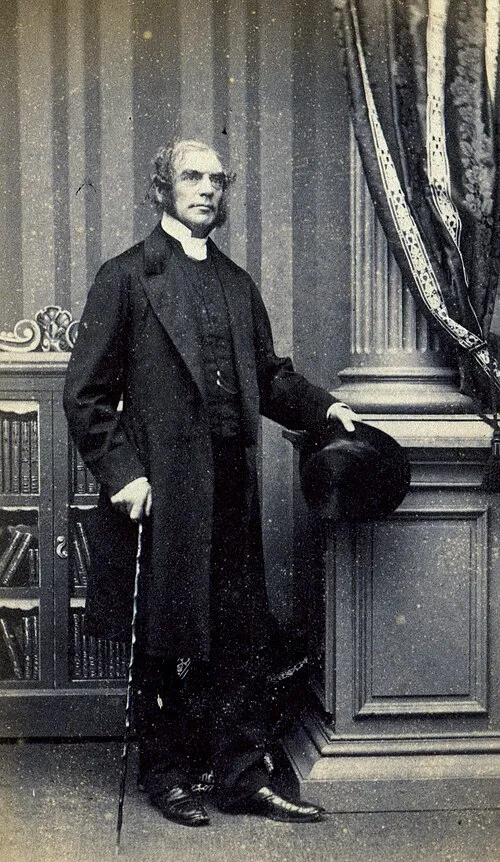
Capítulo 4: La declinación en la oración
«Menoscabas la oración delante de Dios.» —Job 15:4.
Si hubiéramos de escoger un solo rasgo de la declinación personal más marcado que cualquier otro, no vacilaríamos en adoptar como tal el decaimiento del espíritu de oración. Así como la oración es la primera evidencia de vida espiritual en el alma, y su crecimiento en espiritualidad y en vigor señala el estado sano y que avanza de esa vida, así la declinación de la oración en su espíritu, en su ejercicio y en su goce indica con fuerza el decaimiento de la gracia verdadera en un hijo de Dios. Nos aplicamos a desenvolver este asunto bajo la solemne convicción de que es de aplicación más general a los que profesan ser creyentes de lo que, a primera reflexión, algunos estarían quizá dispuestos a admitir; y de que entraña consecuencias más graves para los intereses espirituales del alma que cualquier rama de la declinación personal que hayamos considerado hasta aquí.
Al abrir ante el lector la naturaleza de la oración verdadera —lo cual parece propio antes de que consideremos su declinación—, observamos que hay muchas cosas solemnes y conmovedoras unidas a ella, que la presentan como un asunto de vasta importancia. ¿Qué es la oración? Es la comunión de la vida espiritual que hay en el alma del hombre con su Autor divino; es un devolver en aliento la vida divina al seno de Dios, de donde vino; es conversación santa, espiritual y humilde con Dios. Bello fue aquel dicho de un pagano convertido: «Abro mi Biblia, y Dios habla conmigo; cierro mi Biblia, y entonces hablo yo con Dios». ¡Definición sorprendente de la oración verdadera! Es hablar con Dios como habla un hijo con su padre, como conversa un amigo con su amigo: «y [Jehová] hablaba con Moisés» [N. del T.: Éxodo 33:9]. Recuérdese, pues, que la oración verdadera es la aspiración de un alma renovada hacia Dios; es el aliento de la vida divina, a veces en acentos de dolor, a veces como expresión de la necesidad, y siempre como reconocimiento de dependencia; es la mirada levantada de un hijo renovado, afligido, menesteroso y dependiente hacia su propio Padre amoroso, en toda la conciencia de una absoluta debilidad y en toda la dulzura de la confianza filial.
¿Quién es el objeto de la oración? Jehová, el Señor del cielo y de la tierra; solo a él, como el Tres en Uno, se dirige la oración verdadera. Solo él tiene oído para oír el relato de nuestro dolor, brazo que puede sostener en el tiempo de la necesidad, y corazón que puede simpatizar con nuestra profunda necesidad. El Alto y Sublime, el que habita la eternidad, y cuyo nombre es el Santo, Creador y Gobernador de todos los mundos, el que sostiene las columnas del universo, aquel a quien están sujetos todos los poderes que hay en el cielo, en la tierra y en el infierno: él es el Objeto glorioso a quien nos dirigimos en la oración.
No es menos asombroso el medio de la oración. ¿Cuál es? No una criatura, dependiente como nosotros, sino el Señor Jesucristo, el Hijo de Dios, igual en poder, majestad y dominio con el Padre, y sin embargo el Hermano Mayor, el Cordero inmolado, el Mediador y Fiador, el Sumo Sacerdote de su pueblo. La oración halla aceptación dentro del velo solo en cuanto se presenta en el nombre de Jesús. La voz que allí habla, a favor del humilde suplicante, es la voz de la sangre de Emmanuel; este es el «camino nuevo y vivo» [N. del T.: Hebreos 10:20]; este es el alegato que prevalece; este es el argumento que mueve a la Omnipotencia misma. Quien alega la sangre de Jesús en la oración puede tener diez mil lenguas que aleguen todas contra él, pero «la sangre de Jesús habla mejor» [N. del T.: cf. Hebreos 12:24], y ahoga todas sus voces. ¡Oh precioso y costoso medio de la oración!
Maravilloso es también el Autor de la oración. ¿Quién es? El apóstol nos informa: «Y asimismo también el Espíritu ayuda nuestra flaqueza: porque qué hemos de pedir como conviene, no lo sabemos; sino que el mismo Espíritu pide por nosotros con gemidos indecibles» [N. del T.: Romanos 8:26]. Así, es el Espíritu Santo quien engendra el deseo, dicta la petición y la exhala en oración, por Cristo, a Dios. ¡Qué ejercicio tan sublime, pues, es la oración! La salida de la vida divina en el alma es su naturaleza; Jehová, su objeto; el Señor Jesús, su medio; y el Espíritu Santo, su autor. Así, la bendita Trinidad en Unidad está empeñada en la gran obra del acercamiento de un pecador a Dios.
Tocante a la absoluta necesidad de la oración, ¿hace falta que nos extendamos? Y sin embargo hay que admitir que el creyente requiere exhortación constante al ejercicio de este deber. ¿Queremos prueba más fuerte de la tendencia perpetua a la declinación espiritual que esta: que el hijo de Dios necesita estímulos repetidos para el dulce y precioso privilegio de la comunión con su Padre celestial? ¿Que necesita ser urgido con los argumentos más fuertes y los motivos más persuasivos a valerse del privilegio más costoso y glorioso de este lado de la gloria? ¿No parece como rogarle a un hombre que viva, recordarle que ha de respirar si quiere conservar la vida? Sin el ejercicio de la oración, le decimos a un hijo de Dios, no puede vivir; que este es el aspirar de la vida divina y el volver a exhalarla; que la naturaleza espiritual requiere provisiones constantes de alimento espiritual; y que la única evidencia de su existencia sana es su continuo levantarse hacia Dios. Le decimos: deja de orar, y toda tu gracia se marchita, todo tu vigor decae y todo tu consuelo muere.
Pero observa cómo se manda la oración, como deber, en la palabra de Dios: «E invócame en el día de la angustia: te libraré, y tú me honrarás.» Salmos 1:15. [N. del T.: las palabras corresponden a Salmos 50:15; la fuente inglesa cita Salmos 1:15.] Como si el Señor hubiera dicho: «Invócame cuando todo esté oscuro, cuando todo esté contra ti; no hablo ahora del día de la prosperidad, de la hora soleada, cuando tu alma prospera, cuando tus negocios prosperan, cuando todo te va sin tropiezo, y el cielo sobre ti está sin nubes, y el mar debajo de ti está sin oleaje; sino invócame en el día de la angustia, el día de la escasez, el día de la adversidad, el día del desengaño y de la reprensión, el día en que los amigos te abandonan y el mundo te frunce el ceño, el día de las cisternas rotas y de las calabazas secas. Invócame en el día de la angustia, y te libraré». Observa también cómo nuestro amado Señor impuso este precioso deber a sus discípulos: «Mas tú, cuando oras, éntrate en tu cámara, y cerrada tu puerta, ora á tu Padre que está en secreto» (Mateo 6:6). Y observa cómo asimismo lo alentó: «De cierto, de cierto os digo, que todo cuanto pidiereis al Padre en mi nombre, os [lo] dará» (Juan 16:23). En armonía con esto está la dulce exhortación del apóstol: «Por nada estéis afanosos; sino sean notorias vuestras peticiones delante de Dios en toda oración y ruego, con hacimiento de gracias» (Filipenses 4:6). Y qué despliegue tan notable de la verdadera naturaleza de la oración nos da el mismo escritor en Efesios 6:18: «Orando en todo tiempo con toda deprecación y súplica en el Espíritu, y velando en ello con toda instancia y suplicación por todos los santos». El apóstol Santiago rinde el mismo testimonio: «Y si alguno de vosotros tiene falta de sabiduría, demándela á Dios, el cual da á todos abundantemente, y no zahiere; y le será dada» [N. del T.: Santiago 1:5].
Pero tomamos un terreno más alto que este: urgimos el ejercicio de la oración no meramente como un deber solemne que ha de observarse, sino también como un privilegio precioso del que se ha de gozar. Feliz aquel creyente cuando los deberes llegan a verse como privilegios. ¡Cómo! ¿No es privilegio tener una puerta de acceso siempre abierta hacia Dios? ¿No es privilegio, cuando la carga aplasta, echarla sobre Aquel que ha prometido sostener? Cuando las corrupciones de una naturaleza no santificada son fuertes, y las tentaciones se espesan, ¿no es entonces privilegio la oración? Y cuando estás perplejo por conocer la senda del deber, y anhelas andar cumplido en toda la voluntad de Dios, y, como hijo, temes ofender a un Padre amoroso, ¿no es entonces privilegio tener un trono de la gracia, una puerta abierta de esperanza? Cuando el mundo se va colando poco a poco en el corazón, o cuando ese corazón está herido por la falta de bondad de los amigos, o sangra bajo un duelo grave, ¿no es entonces privilegio ir y contárselo a Jesús? Digan, almas pobres, necesitadas, probadas, tentadas: digo, si la oración no es el privilegio más precioso, balsámico y costoso de este lado del cielo.
Y sin embargo, ¡cuánta incredulidad permanece todavía en el corazón de un alma renovada, tocante a este deber solemne y a este privilegio inmenso! Incredulidad es esa que lleva al creyente, en la hora de su necesidad, primero al brazo de carne, antes que en oración a Dios. Ir primero a la criatura es «descender á Egipto» por ayuda: pecado que Dios ha señalado con su más severo desagrado.
Pero la oración verdadera puede declinar en gran manera; y a la consideración de este punto, junto con los medios de su avivamiento, pasamos ahora a dirigir la atención seria del lector.
La oración es el pulso espiritual del alma renovada; su latido indica el estado sano o enfermo del creyente. Así como el médico juzgaría de la salud del cuerpo por la acción del pulso, así juzgaríamos nosotros de la salud espiritual del alma delante de Dios por la estima en que el creyente tiene la oración. Si el alma está en un estado espiritualmente sano y de crecimiento, la oración será vigorosa, viva, espiritual y constante; si, por el contrario, un proceso incipiente de declinación sigue adelante en el alma —si el corazón anda vagando, y el amor se enfría, y la fe decae—, el espíritu y el hábito de la oración lo delatarán al punto.
En primer lugar, observamos que el espíritu de oración puede declinar en el creyente, y que él puede no darse cuenta de ello en el acto. La forma y el hábito de la oración pueden continuar por un tiempo, sostenerse el altar doméstico, y visitarse aun de cuando en cuando el aposento; pero el espíritu de oración se ha evaporado, y todo es frialdad y embotamiento, ¡el mismo sopor y la frigidez de la muerte! Pero ¿de qué valor real es el hábito de la oración aparte del espíritu de oración? Justo lo que sería este planeta sin el sol, o el cuerpo sin el alma viva, animadora y que respira: ¿qué, sino una forma fría y sin vida? Sí; y un creyente puede ser inducido con engaño a este estado lamentable, sin que se despierte ni una sospecha de que existe; puede observar su hábito acostumbrado y usar su forma vacía, y no sospechar que todo está frío y sin aliento como la muerte misma. Oh, no es la forma observada con rigidez lo que Dios mira; ni es la gran volubilidad, ni la fluidez elocuente, ni el sentimiento rico, ni las imágenes espléndidas, ni los períodos redondeados, lo que Dios tiene en cuenta: lejos de eso. Puede un hombre no ser capaz de dar expresión a su emoción profunda en la oración; sus pensamientos pueden no hallar vehículo de palabra; el lenguaje puede faltarle por completo; o, si intenta la expresión audible de sus necesidades, puede haber mucho que ofenda un gusto refinado y que hiera con aspereza un oído musical, y sin embargo el espíritu de oración puede arder en su pecho; y este —el verdadero lenguaje de la oración— halla camino hasta el oído y hasta el corazón de Dios. Ahora bien, es manifiesto por la observación, como lo es por la palabra de Dios, que el espíritu de oración puede apartarse de un alma, y que el don de oración y su forma pueden permanecer. La forma puede hallarse fácil; las palabras, y aun el pensamiento, pueden fluir con libertad, y sin embargo ninguna calidez, ninguna vida, ninguna espiritualidad, ningún poder, ninguna unción acompañan la oración; y este puede continuar por largo tiempo siendo el estado de quien profesa la fe. Oh, guárdate de ello, lector; mira bien el estado de tu alma; examina tus oraciones; mira que no hayas sustituido la forma fría por el espíritu ardiente, el mero cuerpo por el alma. La oración verdadera es el aliento del propio Espíritu de Dios en el corazón; ¿tienes esto? Es comunión y compañerismo con Dios; ¿sabes lo que esto es? Es quebrantamiento, contrición, confesión, y esto a menudo brotando de un sentido abrumador de su bondad y de su amor derramado en el corazón; ¿es esta tu experiencia? Otra vez lo repetimos: mira bien tus oraciones; pruébalas, no por el don natural o adquirido que puedas poseer —esto nada es para con Dios—; en respuesta a todas tus formas, puede decir: «No oigo oración. ¿Para qué á mí la multitud de vuestros sacrificios? cuando vinieseis á presentaros delante de mí, ¿Quién demandó esto de vuestras manos, para hollar mis atrios? No me traigáis más vano presente: el perfume me es abominación. Vuestras lunas nuevas y vuestras solemnidades tiene aborrecidas mi alma: me son gravosas; cansado estoy de llevarlas. Cuando extendiereis vuestras manos, yo esconderé de vosotros mis ojos: asimismo cuando multiplicareis la oración, yo no oiré» [N. del T.: Isaías 1:11-15]; sino pruébalas por la comunión verdadera que tienes con Dios, por los retornos que ellas hacen a tu alma.
Hay todavía otro estado en el cual el hábito de la oración ni siquiera sobrevive a la declinación del espíritu de oración. Puede haber casos en los cuales, como acabamos de mostrar, la forma se sostenga con rigidez mucho después de que la oración verdadera se haya apartado del alma; puede haber demasiada luz en la conciencia, y demasiada fuerza en el poder del hábito, y algo también en la apariencia de la cosa, que no permitan un abandono total de esto. Pero, en la mayoría de los casos de retroceso efectivo, el hábito declina con el espíritu; ido este, aquel se vuelve insípido y tedioso, y al fin se desecha como cosa enfadosa y penosa para la mente. Y sin embargo, aun el dejar la forma no es siempre un acto repentino: Satanás es demasiado sutil, y el corazón demasiado engañoso, para permitirlo; tiene que haber pasos en la declinación. El romper de pronto con el hábito acostumbrado de la oración podría despertar alarma, y sorpresa, y reflexión: «¿Ha llegado a esto?» sería la exclamación del alma sobresaltada. «¿Tan lejos he llegado, que abandono hasta mi hábito acostumbrado de oración?» Tal pausa y tal pregunta podrían quizá conducir al examen de sí, a la contrición y a un volver; pero la declinación es gradual. El primer hábito que se deja con la declinación del espíritu de oración es el de la oración en el aposento: este es el primer ejercicio que pierde su dulzura, y se vuelve tedioso e insípido, porque es el más espiritual de todos los ejercicios devocionales, y es el que más tiene que ver con la comunión secreta del alma con Dios. ¿Y quién puede retratar la pérdida? No más visitas santificadas al aposento; no más apartarse de los negocios, del cuidado y del mundo, para quedar encerrado con Dios; no más estaciones preciosas, que derriten el corazón, que humillan el espíritu y que reavivan lo celestial, de comunión y compañerismo con el Padre que oye en secreto; no más dulces visitas de amor de parte de Jesús, ni exhalar los dolores y las necesidades del corazón en su oído secreto: el aposento queda abandonado, ¡y con él todo andar agradable, santo y feliz con Dios!
Sigue entonces el abandono de la oración jaculatoria. Aquel hábito santo de un cristiano que crece, el cual, mientras está en el mundo y diligentemente ocupado en su vocación lícita, lo mantiene, con todo, remontándose por encima de él; el cual sostiene las ruedas del alma en un movimiento fácil y constante, la preserva en una disposición santa y celestial, la fortifica contra las sorpresas del adversario y la fortalece en todo conflicto interior o exterior: la oración jaculatoria, la «oración sin cesar» [N. del T.: 1 Tesalonicenses 5:17], se deja; ¡y todo parece un vacío entre el alma y Dios!
La oración de familia es, quizá, el siguiente hábito devocional que se abandona. Aquel «orillo que impide que la tela de la vida diaria se deshilache»; aquel ejercicio que echa una influencia tan santificadora en torno al círculo doméstico, uniendo los corazones, despertando y concentrando las simpatías, fortificando la mente y suavizando los cuidados y las pruebas de cada miembro amado, se rinde ahora: la Biblia de la familia, sacada con tanta regularidad, abierta, leída y expuesta, se deja ahora a un lado; el altar en torno al cual se agrupaba en silencio devoto y reverente el humilde grupo, y del cual ascendía el sacrificio de la mañana y el de la tarde, es derribado; porque aquel que oficiaba ante su santo altar ha declinado en el espíritu de oración, y los efectos de su declinación se sienten y se rastrean en cada miembro, y por cada ámbito del círculo doméstico; ¡el patriarca no vuelve más a bendecir su casa!
La oración en común se deja ahora sin un suspiro. Aquel servicio que una vez se hallaba tan refrigerante y tan reanimador al cierre de los cuidados del día, y que, en medio de sus fatigas, ansiedades y desengaños, se anticipaba con tanto cariño y se anhelaba con tanto ardor, llega y pasa desatendido y sin que se le eche de menos. Llega la hora de la oración, miramos el lugar vacío y preguntamos: «¿dónde está?» —lejos, en medio del tumulto del mundo y ardiente en su busca—: «¿dónde está?» —ido, quizá, a alguna escena de diversión carnal, de necedad y de pecado—; y aquel que, cuando volvía la estación de la comunión en común, estaba presente para alegrar y alentar con sus oraciones y exhortaciones las almas de la asamblea devota, está ahora lejos, sembrando «para su carne» [N. del T.: Gálatas 6:8], y dando a las cosas «temporales» el tiempo y las energías que pertenecen a las cosas «eternas» [N. del T.: 2 Corintios 4:18]. ¡Este es el hombre en quien el espíritu de oración ha declinado! De un paso de declinación ha pasado a otro, hasta que su alma ha venido a ser, en cuanto a toda gracia, espiritualidad y amor, como el brezo árido del desierto, sin un punto de verdor que la anime y la avive. Pero hay todavía otras consecuencias de la declinación del alma en el espíritu y el hábito de la oración, demasiado solemnes y graves para pasarlas por alto: son las siguientes:
Un andar distante de Dios acarreará pensamientos distantes de Dios, y esto no es cosa leve. Si es verdadero el sencillo axioma de que, cuanto más íntimos nos hacemos con un objeto, mejor preparados estamos para juzgar de su naturaleza y de sus propiedades, podemos aplicarlo con peculiar propiedad a nuestro conocimiento de Dios. La invitación alentadora de su palabra es: «Amístate ahora con él, y tendrás paz» [N. del T.: Job 22:21]. Ahora bien, este amistarse con Dios es el que nos introduce en el conocimiento de su carácter como Dios santo, amoroso y fiel; y este conocimiento de su carácter es el que engendra amor y confianza en el alma hacia él. Cuanto más conocemos a Dios, más lo amamos; cuanto más lo experimentamos, más confiamos en él. Conciba, pues, el lector espiritual qué efectos funestos han de resultar de un andar distante de Dios. Cuanto más se aleja el alma de él, más imperfecto ha de ser su conocimiento de él. Cuando él aparece en sus tratos correctivos, ¿cómo se interpretarán esos tratos en el andar distante del alma? ¿Como de un Dios del pacto? ¿como de un Padre amoroso? No, lejos de eso. Recibirán una interpretación áspera y poco bondadosa, y esto neutralizará su efecto: porque, para cosechar el fruto propio de los tratos del Señor con el alma, es necesario que se vean a la luz de su fidelidad y de su amor. En el momento en que se interpretan de otro modo, el alma se aparta de un salto de Dios, y se envuelve en opiniones sombrías y repulsivas de su carácter, de su gobierno y de sus tratos. Pero esto seguirá con certeza de un andar distante. Oh, guárdate de la declinación en la oración: no haya distancia entre Dios y tu alma.
Un cambio en la dulzura y en el goce de los deberes espirituales puede considerarse otro efecto, y doloroso, de una declinación en este santo ejercicio: llegarán a desearse menos, y a ser más enfadosos e insípidos; se mirarán menos como privilegio, y más como carga y como tarea. ¿Cuál es el deber espiritual? ¿Es la meditación? La mente no está templada para esto. Exige una mente espiritual, una ricamente ungida del Espíritu Santo y acostumbrada a una comunión estrecha con Dios, para gozar de ella con rectitud y con provecho. ¿Es la comunión de los santos? Esta pronto se vuelve enfadosa e insípida. La compañía del pueblo humilde y quebrantado de corazón de Dios, hambriento y sediento de santidad, y que busca la crucifixión respecto del mundo; la palabra de Dios como su estudio, el amor de Cristo como su tema, y la conformidad divina como su blanco, pronto pierde su atracción para quien profesa la fe y anda a distancia de Dios. Sí, podríamos enumerar todos los deberes espirituales familiares al hijo de Dios, y no se hallará uno solo que posea atracción o dulzura para esa alma que atraviesa un proceso de declinación en la oración. ¿Por qué, lector, la meditación, y la investigación de la palabra de Dios, y la comunión santa con sus santos, y la alabanza, son privilegios secos y sin sabor para tu alma? Puedes volverte de ellos con repugnancia. ¡Cualquier ocupación menos estas: los llamados del negocio, la compañía mundana, la lectura de una novela, te satisfarán! ¿Dónde estás? ¡Cómo has declinado! No era así en otro tiempo. ¡Oh, cuán preciosos, en el primer amor de tus desposorios, eran los momentos de santa abstracción! ¡Cuán buscada con ansia, y cuán ricamente gozada, era la comunión de los santos! ¡Cuán dulce privilegio era la alabanza, y cuán sagrado deber era la oración! ¿Se ha ido todo? ¿Es todo invierno contigo ahora? ¿Ningún lugar de verdor, ningún pasto verde, ningunas aguas quietas? ¡Oh, vuelve otra vez a la oración! Tu triste distancia de Dios es el secreto de lo flaco de tu alma. El marchitarse del espíritu de oración ha marchitado tu gracia, y con ella todo goce espiritual de los medios.
Una caída en la conducta exterior del creyente es consecuencia necesaria, y a menudo cierta, de una declinación del espíritu y del hábito de la oración. La humildad, el olvido de sí, la suavidad de andar y el miramiento ejemplar por el honor y la gloria de Dios, propios del hombre de oración, son sucedidos a menudo por la altivez de espíritu y de porte, la confianza en sí mismo, la prontitud para sentarse a juzgar la conducta y las flaquezas de otros, una fría indiferencia hacia el aumento del reino de Cristo y la conversión de los pecadores, y un descuido en la conducta exterior del hombre sin oración. Todo retroceso tiene su comienzo en la declinación de la oración: puede fechar su principio en el trono de la gracia. El menoscabar la oración delante de Dios fue el primer paso en el apartamiento; y el primer paso dado, y no desandado al punto, fue seguido pronto por otros. La senda de quien retrocede de Dios es siempre hacia abajo: el descenso es fácil y rápido; la velocidad del apartamiento del alma aumenta con su avance; y cuando quien profesa la fe muestra una inclinación y una evidencia de declinación espiritual, no faltan influencias prontas a ayudarlo en su partida. Satanás, el enemigo sutil y sin sueño del alma, está preparado con mil atractivos para allanar la senda hacia abajo; el mundo aparece con algún nuevo atractivo; el pecado sabe menos amargo, y parece menos «sobremanera pecante» [N. del T.: Romanos 7:13]; los objetos de los sentidos se vuelven familiares, se miran, se admiran, luego se abrazan; y ahora el alma, de no ser por la gracia preservadora y refrenadora, se ha despedido para siempre de Dios. Lector, ¿tiemblas ante la posibilidad de llegar alguna vez a ser uno que retrocede? ¿temes una caída? ¿te espanta el pensamiento de herir a Jesús? Entonces, no menoscabes la oración delante de Dios; guarda con vigilancia contra el primer síntoma de declinación en este santo ejercicio, o, si ese síntoma ya ha aparecido, date prisa al amado Médico, el único que tiene poder para detener su avance y sanar tu alma.
Una acumulación de cruces diarias rara vez deja de seguir a la declinación en la oración. El ejercicio constante de la oración aligera toda carga y allana cada paso escabroso de un hijo de Dios: solo esto mantiene bajas sus pruebas; no que esté jamás exento de ellas —no; «es menester que por muchas tribulaciones entremos en el reino de Dios» [N. del T.: Hechos 14:22]—; es discípulo de la cruz, su religión es la de la cruz, es seguidor de Aquel que murió sobre la cruz, y una exención entera de la cruz nunca la espera hasta que pase a la posesión de la corona. Pero puede abatir sus cruces orando: la oración disminuirá su número y mitigará su severidad. El hombre cuyo andar está lejos de Dios, cuya disposición es fría, mundana y descuidada, si es verdadero hijo del pacto, uno de la familia del Señor, puede esperar que las cruces y las pruebas aumenten a cada paso que avanza hacia el reino. ¡Ah! poco piensan muchos de los creyentes probados, afligidos y constantemente desengañados cuán estrechamente relacionadas están estas mismas pruebas, y aflicciones, y desengaños, con su menoscabar la oración delante de Dios: cada paso parece atendido de alguna cruz nueva; cada designio es arruinado por algún viento adverso; cada esfuerzo es frustrado; el desengaño sigue al desengaño, ola sobre ola; nada de lo que intentan prospera, todo lo que emprenden fracasa; y todo parece contra ellos. ¡Oh! si pudiéramos pasar detrás del escenario, ¿qué descubriríamos? ¡Un trono de la gracia desierto! Si divulgáramos el secreto, y lo pusiéramos en forma de cargo contra el creyente, ¿cuál sería? «¡Has menoscabado la oración delante de Dios!» El designio se trazó sin oración, la empresa se emprendió sin oración, el esfuerzo se hizo sin oración; Dios ha soplado sobre ello, y todo ha venido a nada. No es de extrañar; no se consultó a Dios, no se reconoció al Señor, no se pidió su permiso, no se buscó su sabiduría, no se imploró su bendición; ¡y así sopló sobre todo ello! El precioso mandato es: «Fíate de Jehová de todo tu corazón, y no estribes en tu prudencia. Reconócelo en todos tus caminos, y él enderezará tus veredas» [N. del T.: Proverbios 3:5-6]. Donde esto se honra, allí está la bendición divina; donde se menosprecia, allí está el desagrado divino.
Pero no hace falta que nos extendamos; los males que resultan de una declinación de la oración son bastante evidentes. Hemos mostrado que el secreto de una vida feliz, y el manantial de una santa, están en un andar cercano con Dios; que si un hijo de Dios menoscaba la oración, abre la puerta a la partida de toda gracia y a la entrada de todo pecado: cuando estas declaraciones se hayan pesado con seriedad y con oración, siga el lector con nosotros a la consideración de aquellos medios que el Señor ha establecido y ha reconocido para el avivamiento del espíritu y del ejercicio de la oración en el creyente.
El creyente debe averiguar con rectitud el verdadero carácter de sus oraciones. ¿Son vivas y espirituales? ¿son ejercicios del corazón, o meramente del entendimiento? ¿Son los alientos del Espíritu que mora dentro, o la observancia fría de una forma sin el poder? ¿Es comunión y compañerismo? ¿Es el acercamiento filial de un hijo, que se lanza con confianza y con afecto al seno de un Padre, y allí se abriga en toda hora de necesidad? Ha de recordar todo el que profesa la fe que hay gran diferencia entre la oración y el orar; queremos decir, entre la observancia formal del deber y el carácter espiritual de su cumplimiento. No toda oración es comunión; y aquí un hombre puede estar grande y terriblemente engañado; puede repetir sus visitas al trono de la gracia, e ir y volver sin haber exhalado un solo aliento de oración espiritual; puede no haber respiración en el alma; todo es formal, frío y sin vida. Este, pues, es el primer paso hacia un avivamiento de la oración verdadera en el alma. Examina el carácter de tus devociones; ¿son tales que resistirán la prueba de la palabra de Dios? ¿se compararán con los santos alientos de David, y de Job, y de Salomón, y de los santos del Nuevo Testamento? ¿son los alientos de la vida de Dios dentro de ti? ¿van siempre acompañadas de quebrantamiento filial, de humildad de espíritu y de una confesión humilde y contrita del pecado? ¡Mira bien tus oraciones! no te contentes con devociones a medias; no te satisfagas con peticiones frías, embotadas y formales. Cuida de que tus oraciones de familia no degeneren en esto —hay peligro aquí—; mira que la llama arda viva y se eleve alta sobre ese altar sagrado; que tus alientos hacia Dios sean tales que lleven convicción a la mente de tus hijos, de tus domésticos y de tus amigos, de que el deber en que están empeñados es el más espiritual, santo y solemne de todos los empeños; ellos formarán su idea de la oración por tu manera de cumplirla en el altar doméstico. Sé cauto en no engendrar en ellos un disgusto por el ejercicio. Si sus mentes están sin regenerar, se necesitan gran sabiduría y profunda espiritualidad para guardarse de esto. Haz que vean que das una importancia grande y solemne al deber; no te apresures en su cumplimiento; que tome precedencia de todos los demás empeños; nada debe agolparse sobre él, y así recortar el tiempo consagrado a él solo. Si es posible, ha de preceder siempre a la comida de la mañana y a la de la tarde; la mente queda así santificada con el pensamiento solemne, y queda mejor dispuesta para los variados empeños que siguen. Se ha hallado también una práctica provechosa el proveer a cada miembro del círculo doméstico de una Biblia, leyendo cada uno por turno un versículo del capítulo, o bien siguiendo a la persona que conduce el ejercicio devocional. Esto evitará el ojo vagabundo, y refrenará la distracción del pensamiento, al concentrar la mente en la porción que se lee. Un comentario ocasional, que explique un término, o elucide una verdad, o reconcilie una aparente discrepancia, impartirá a menudo mayor interés y provecho al servicio. Si no hubiera padre piadoso a la cabeza de la familia, no se retraiga la madre cristiana del cumplimiento de este empeño: la palabra de Dios está de su parte; la gracia de Cristo Jesús está de su parte; Dios mismo está de su parte; levante ella el altar familiar en el temor de Dios y en la fuerza de Jesús; en torno a él reúna a sus hijos y a sus domésticos, y sea ella la sacerdotisa que ofrece el sacrificio de la mañana y el de la tarde: es su deber solemne; y para el cumplimiento de todo deber, el Señor ha prometido impartir gracia del todo suficiente (2 Corintios 12:9).
Un paso más en el avivamiento de la oración verdadera es llegar a conocer más a fondo nuestras muchas y variadas necesidades. Es el conocimiento de su necesidad lo que da verdadera elocuencia a la petición del mendigo: un sentido de desamparo, de carencia absoluta, de hambre efectiva, imparte energía a su alegato y perseverancia en alcanzarla. Su lenguaje es: «He de tener pan, o muero». Esto es justo lo que queremos que sienta el hijo de Dios. ¿Qué es él sino un pensionista de la diaria largueza de Dios? ¿qué recursos tiene dentro de sí mismo? Ninguno en absoluto; ¿y qué es él sin Dios? Pobre de veras. Ahora bien, a proporción que llega a conocer su caso real, su absoluto desamparo, asediará el trono de la gracia y no se conformará con una negativa. Ha de conocer sus necesidades, ha de conocer de qué gracia está falto, qué pecado que fácilmente lo asedia se le pega, qué flaquezas lo cercan, qué porción de la obra del Espíritu declina en su alma, dónde está más débil y más expuesto a los ataques del enemigo, y qué le falta todavía para perfeccionarlo en toda la voluntad de Dios; examínese con honradez, y conozca su condición real. Esto hará precioso el trono de la gracia, despertará el espíritu de oración adormecido, le suministrará recados para con Dios, y dará argumento, energía y perseverancia a su petición. Fue su sentido profundo y apremiante de necesidad lo que impartió tal denuedo y tal poder a los forcejeos de Jacob: «No te dejaré, si no me bendices»; y el Señor dijo: «No se dirá más tu nombre Jacob, sino Israel: porque has peleado con Dios y con los hombres, y has vencido» [N. del T.: Génesis 32:26, 28. La fuente inglesa, que sigue la versión KJV, dice «como príncipe has tenido poder con Dios y con los hombres, y has prevalecido»; la RV1909 dice «has peleado con Dios y con los hombres, y has vencido».] Imita así al patriarca; comienza el día pensando en lo que puedas necesitar antes de que cierre; si se anticipa alguna cruz, o se recela alguna tentación, o algún peligro al que puedas estar expuesto; y ve entonces y forcejea por la gracia necesaria y prometida. ¡Oh, es una gran misericordia tener un recado que nos envíe a Dios! Y cuando recordamos qué corazón tan lleno de amor tiene él, qué prontitud para oír, qué presteza en todas sus respuestas, qué entrar en la circunstancia más menuda de la historia de un creyente, ¡cómo reprende esto la renuencia y censura la incredulidad que manifestamos perpetuamente al valernos de este, el más costoso, santo y precioso de todos nuestros privilegios!
Ha de haber el buscar y el quitar aquello que estorba la oración. Muchas cosas debilitan la oración verdadera: el pecado no subyugado, el pecado no arrepentido, el pecado no perdonado —queremos decir el sentido secreto de él sobre la conciencia—, el ánimo mundano, la conversación ligera y frívola, las disputas vanas, la mucha y frecuente comunión, sea con personas no convertidas, sea con quienes solo profesan la fe, fríos y formales; todo esto junto, o una sola de estas cosas, si se le permite prevalecer, inhabilitará la mente para la conversación con Dios, y causará un decaimiento del espíritu de oración en el alma. Ten por dañoso aquello que toca la disposición devocional de tu mente; que acorta la hora de la oración y quita el filo delicado de su goce santo.
Pero aquello por lo que más encarecidamente abogamos, y que tenderá más que todo lo demás al avivamiento de la oración verdadera en el creyente, es una comunicación más amplia de la influencia llena de gracia del Espíritu Santo. Aquí yace la gran fuente y el secreto de toda oración verdadera, espiritual, creyente, perseverante y prevaleciente; es la falta de esto la causa del embotamiento, y de la formalidad, y de la renuencia, que tan a menudo marcan el ejercicio. Los santos de Dios no honran lo suficiente al Espíritu en esta parte importante de su obra; pierden demasiado de vista la verdad de que de toda oración verdadera él es el Autor y el Sustentador; y la consecuencia es, y siempre será, la autosuficiencia y la formalidad fría en el cumplimiento, y al fin el descuido total del deber. Pero aléguese la promesa: «Y derramaré sobre la casa de David, y sobre los moradores de Jerusalem, espíritu de gracia y de oración» [N. del T.: Zacarías 12:10]; reconózcase al Espíritu Santo como el Autor, y búsquese constantemente como el Sustentador de este santo ejercicio; sienta el santo de Dios que «qué hemos de pedir como conviene, no lo sabemos», que «el mismo Espíritu pide por nosotros con gemidos indecibles», y que Dios «sabe cuál es el intento del Espíritu, porque conforme á [la voluntad de] Dios, demanda por los santos» [N. del T.: Romanos 8:26-27]; ¡y qué impulso dará esto a la oración! ¡qué vida nueva impartirá, qué energía poderosa, qué unción y qué poder para con Dios! Busca, pues, con todas tus bendiciones, esta, la más rica y la prenda de todas: el bautismo del Espíritu; no te detengas antes de alcanzarlo; no eres nada, como quien profesa la fe, sin él; tu religión está sin vida, tu devoción es formal, tu espíritu está sin unción; no tienes poder moral para con Dios ni para con el hombre, aparte del bautismo del Espíritu Santo; búscalo, forcejea por él, agoniza por él, como trascendentemente más precioso que toda otra misericordia. Sumergido en sus influencias vivificadoras y avivadoras, ¡qué cristiano tan distinto serás! ¡cuán distintamente orarás, cuán distintamente vivirás y cuán distintamente morirás! ¿Languidece el espíritu de oración? ¿se vuelve enfadoso su ejercicio? ¿está abandonada la devoción del aposento? ¿se está volviendo el deber, en cualquier forma, una tarea? ¡Oh, despiértate a buscar el bautismo del Espíritu! Solo esto detendrá el avance de tu declinación, esto avivará dentro de ti el verdadero espíritu de oración, y esto dará a su ejercicio dulzura, agrado y poder. Dios ha prometido el otorgamiento de la bendición, y nunca defraudará al alma que la busca.
El derramamiento del Espíritu de oración se necesita también para dar frecuencia, y vida, y enfoque, a nuestras peticiones a favor de la iglesia y del mundo. La palabra de Dios es explícita en este punto. Así, por todas las clases y condiciones de hombres: «Amonesto pues, ante todas cosas, que se hagan rogativas, oraciones, peticiones, hacimientos de gracias, por todos los hombres; por los reyes y por todos los que están en eminencia, para que vivamos quieta y reposadamente en toda piedad y honestidad. Porque esto es bueno y agradable delante de Dios nuestro Salvador» (1 Timoteo 2:1-3). Y así también por la iglesia de Cristo: «Pedid la paz de Jerusalem: sean prosperados los que te aman» (Salmos 122:6). Se urge la oración intercesora de unos por otros: «Confesaos vuestras faltas unos á otros, y rogad los unos por los otros, para que seáis sanos; la oración del justo, obrando eficazmente, puede mucho» (Santiago 5:16). Y también por los ministros del Evangelio: «Hermanos, orad por nosotros» (Hebreos 13:18). [N. del T.: «Hermanos» no figura en Hebreos 13:18, sino en 1 Tesalonicenses 5:25; el autor funde ambos textos.] Estos son mandatos solemnes: ¿quién puede leerlos sin una conciencia secreta de haberlos menospreciado o pasado por alto? Pero ¿qué ha de dar intensidad, y poder, y fijeza, y prevalencia a nuestras oraciones por la iglesia de Cristo, y a favor de un mundo que está todavía bajo el dominio y la supremacía del pecado, sino una amplia efusión del Espíritu de oración? Estrechas serán nuestras simpatías, egoístas nuestros deseos, y frías y generales nuestras peticiones, si no somos bautizados en el Espíritu de oración. El Espíritu Santo, descendiendo como en el día de Pentecostés, llenándonos, abrumándonos y saturándonos con su influencia: ¡oh, cómo se levantarán entonces ante nosotros las necesidades apremiantes de la iglesia y las demandas morales del mundo, en todos sus alegatos elocuentes! Cerraremos el presente capítulo con unas pocas observaciones de tendencia práctica.
En toda oración verdadera ha de ponerse gran énfasis en la sangre de Jesús. Quizá ninguna evidencia distingue una declinación en el poder y la espiritualidad de la oración con más fuerza que el pasar esto por alto. Donde la sangre expiatoria se deja fuera de vista, no se reconoce, no se alega, no se forcejea con ella, no se hace de ella el gran alegato, hay una deficiencia de poder en la oración. Las palabras nada son, la fluidez de expresión nada, las finezas del lenguaje y el brillo del pensamiento nada, y aun el fervor aparente nada, donde la sangre de Cristo —el «camino nuevo y vivo» de acceso a Dios, el gran alegato que mueve a la Omnipotencia, que da admisión dentro del lugar santísimo— se menosprecia, se tiene en poco y no se hace el fundamento de toda petición. ¡Oh, cuánto se pasa esto por alto en nuestras oraciones; cómo se menosprecia la sangre expiatoria de Emmanuel! ¡Qué poca mención oímos de ella en el santuario, en el púlpito, en el círculo social; siendo así que es esto lo que hace a la oración lo que es para con Dios! Toda oración es acepta para con Dios, y solo así, en cuanto sube perfumada con la sangre de Cristo; toda oración es respondida en cuanto urge la sangre de Cristo como su alegato; es la sangre de Cristo la que satisface la justicia y responde a todas las demandas de la ley contra nosotros; es la sangre de Cristo la que compra y hace descender toda bendición al alma; es la sangre de Cristo la que reclama el cumplimiento de su última voluntad y testamento, cada uno de cuyos preciosos legados nos llega únicamente por causa de su muerte. Esto es, también, lo que nos da denuedo en el trono de la gracia: «teniendo libertad para entrar en el santuario por la sangre de Jesucristo» [N. del T.: Hebreos 10:19]. ¿Cómo se atreve un pobre pecador a acercarse sin esto? ¿cómo puede levantar los ojos, cómo puede pedir, cómo puede presentarse ante un Dios santo, sino trayendo en la mano de la fe la sangre preciosa de Jesús? Fuera de Cristo, Dios no puede tener comunicación alguna con nosotros; toda comunión queda suspendida, toda avenida de acceso queda cerrada, toda bendición es retenida. Dios ha coronado a su Hijo muy amado, y quiere que nosotros también lo coronemos; y nunca ponemos una corona más brillante sobre su cabeza bendita que cuando alegamos su justicia consumada como el fundamento de nuestra aceptación, y su sangre expiatoria como nuestro gran argumento para el otorgamiento de toda bendición de parte de Dios. Si, pues, amado lector, te sientes un pecador pobre, vil y sin santidad; si uno que retrocede, cuyos pies se han extraviado del Señor, en cuya alma el espíritu de oración ha declinado, y sin embargo sientes todavía algún secreto anhelo de volver, y no te atreves, por ser tan vil, tan sin santidad, tan en retroceso; con todo, puedes volver, «teniendo libertad para entrar en el santuario por la sangre de Jesucristo». Ven, porque la sangre de Cristo alega; vuelve, porque la sangre de Cristo te da la bienvenida: «si alguno hubiere pecado, abogado tenemos para con el Padre, á Jesucristo el justo» [N. del T.: 1 Juan 2:1].
No olvides que el tiempo de la prueba y del duelo es a menudo la ocasión santificada de un avivamiento de la oración en el alma. El Señor ha observado tus extravíos; ha tenido su ojo sobre la declinación de tu alma. Aquella voz, siempre tan agradable a su oído, ha cesado de invocarlo; y ahora quiere recuperarte; querría oír otra vez esa voz. ¿Y cómo lo efectuará? Hace que pases «bajo de vara» [N. del T.: Ezequiel 20:37], envía alguna prueba dolorosa, pone sobre ti alguna cruz pesada, trae turbación y dolor a tu alma, y entonces clamas a él, y sí asedias el propiciatorio. ¡Oh, cuán ávidamente se busca a Dios, cuán atractivo y cuán precioso se vuelve el trono de la gracia, cuando el alma es así conducida a aguas profundas de prueba! Ya no callado, ya no mudo, el creyente invoca a Dios, alega con «gran clamor y lágrimas» [N. del T.: Hebreos 5:7], forcejea y agoniza, y así el espíritu de oración adormecido es despertado y avivado en el alma. ¡Oh dulce aflicción, oh preciosa disciplina, que trae de vuelta el alma errante a un andar más cercano y más santo con Dios!
Otra vez exhortamos al creyente: guárdate de la menor declinación en la oración; el primer síntoma desfavorable que aparezca, que te alarme; acude al Señor en tus peores disposiciones; no te quedes lejos de él hasta tener una buena. El gran argumento de Satanás para apartar a un alma de la oración es: «No vayas con esa disposición fría e insensible; no vayas con ese corazón duro y pecaminoso; espera hasta estar más apto para acercarte a Dios». Y, escuchando este razonamiento especioso, muchas almas pobres, angustiadas, cargadas y anhelantes han sido apartadas del trono de la gracia, y por consiguiente de todo consuelo y consolación. Pero el Evangelio dice: «Ve en tus mismísimas peores disposiciones»; Cristo dice: «Ven tal como estás»; y toda promesa y todo ejemplo no hacen sino animar al alma a acudir a la cruz, cualquiera que sea su disposición o su condición.
Ver el original (inglés)
Original en inglés
Chapter 4: Declension in PRAYER
“You restrain prayer before God.” (Job 15:4)
Were we to select a single characteristic of personal declension more marked than another, we should feel no hesitation in adopting the decay of the spirit of prayer as that feature. As prayer is the first evidence of spiritual life in the soul, and its growth in spirituality and vigor marks the healthy and advancing state of that life, so the declension of prayer in its spirit, exercise, and enjoyment, is strongly indicative of the decay of real grace in a child of God. We address ourselves to the unfolding of this subject under the solemn conviction, that it is of more general application to professing believers that upon first reflection some would, perhaps, be ready to admit; and that it involves more serious consequences to the spiritual interests of the soul, than any branch of personal declension we have yet considered.
In opening to the reader the nature of true prayer, - which seems proper before we consider its declension, - we remark, there are many solemn and affecting things connected with it, which present it as a subject of vast importance. What is prayer? It is the communion of the spiritual life in the soul of man with its Divine Author; it is a breathing back the Divine life into the bosom of God from whence it came; it is holy, spiritual, humble converse with God. ’ That was a beautiful remark of a converted heathen, - ” I open my Bible, and God talks with me; I close my Bible, and then I talk with God.” Striking definition of true prayer! It is a talking with God as a child talks with his father, as a friend converses with his friend: ” And the Lord talked with Moses.” Let it be remembered, then, that true prayer is the aspiration of a renewed soul towards God; it is the breathing of the Divine life, sometimes in the accents of sorrow, sometimes as the expression of want, and always as the acknowledgment of dependence; it is the looking up of a renewed, afflicted, necessitous, and dependent child to its own loving Father, in all the consciousness of utter weakness, and in all the sweetness of filial trust.
Who is the object of prayer? Jehovah, the Lord of heaven and earth; to him, as the Three in One, does true prayer only address itself. He only has an ear to hear our tale of sorrow, an arm that can support in time of need, and a heart that can sympathize with our deep necessity. The high and lofty One that inhabits eternity, whose name is Holy, who is the Creator and Governor of all worlds, who bears up the pillars of the universe, to whom all the powers in heaven, in earth, and in hell, are subject, he is the glorious Object to whom we address ourselves in prayer.
Not less amazing is the medium of prayer; what is it? Not a creature, dependent as ourselves; but the Lord Jesus Christ, the Son of God, equal in might, majesty, and dominion with the Father, and yet the Elder Brother, the Slain Lamb, the Mediator and Surety, the High Priest of his people. Prayer finds acceptance within the veil, only as it is presented in the name of Jesus. The voice that speaks there, in behalf of the lowly suppliant, is the voice of Immanuel’s blood; this is the ” new and living way,” this is the plea that prevails, - this is the argument that moves Omnipotence itself. He who pleads the blood of Jesus in prayer, may have ten thousand tongues all pleading against him, but ” the blood of Jesus speaks better things,” and drowns their every voice. O precious, costly medium of prayer
Marvelous, too, is the Author of prayer; who is he ? The apostle informs us: ” Likewise the Spirit also helps our infirmities; for we know not what we should pray for as we ought; but the Spirit itself makes intercession for us, with groanings which cannot be uttered.” Thus it is the Holy Spirit who begets the desire, indites the petition, and breathes it forth in prayer through Christ to God. What a sublime exercise, then, is prayer! The outgoing of the Divine life in the soul is its nature, - Jehovah its object, - the Lord Jesus its medium, - and the Holy Spirit its author. Thus, the blessed Trinity in Unity is engaged in the great work of a sinner’s approach unto God.
Touching the absolute necessity of prayer need we enlarge? And yet it must be admitted, that the believer requires constant exhortation to the exercise of this duty. Do we want any stronger evidence of the perpetual tendency to spiritual declension than this, - that the child of God requires repeated stimulus to the sweet and precious privilege of communion with his heavenly Father? - that he needs to be urged by the strongest arguments and the most persuasive motives to avail himself of the most costly and glorious privilege this side of glory? Does it not seem like pleading with a man to live? - reminding him that he must breath if he would maintain life ? Without the exercise of prayer, we tell a child of God, he cannot live; that this is the drawing in of the Divine life, and the breathing of it forth again; that the spiritual nature requires constant supplies of spiritual nourishment; and that the only evidence of its healthy existence is, its constant rising towards God. We tell him, cease to pray, and all your grace withers, all your vigor decays, and all your comfort dies.
But observe how prayer, as a duty, is enjoined in God’s word: “Call upon me in the day of trouble, I will deliver you, and you shall glorify me.” Psalm 1. 15. As though the Lord had said, ” Call upon me when all is dark, when all is against you; I speak not now of the day of prosperity, of the sunny hour, when your soul prospers, when your business prospers, when all things go smooth with you, and the sky above you is cloudless, and the sea beneath you is unruffled; but call upon me in the day of trouble, the day of want, the day of adversity, the day of disappointment and of rebuke, the day when friends forsake and the world frowns upon you, the day of broken cisterns and withered gourds. - Call upon me in the day of trouble, and I will deliver you.” Observe, too, how our dear Lord enjoined this precious duty upon his disciples: ” You, when you pray, enter into your closet, and, when you have shut your door, pray to your Father which is in secret.” Matt. vi. 6. And observe how he also encouraged it: ” Verily, verily, I say unto you, whatever you shall ask the Father in my name, he will give it you.” John xvi. 23. In harmony with this, is the sweet exhortation of the apostle: ” Be careful for nothing; but in everything by prayer and supplication with thanksgiving let your requests be made known unto God.” Phil. iv. 6. And what a striking unfolding of the true nature of prayer does the same writer give us in Eph. vi. 18: ” Praying always with all prayer and supplication in the Spirit, and watching thereunto with all perseverance and supplication for all saints.” The apostle James bears the same testimony: ” If any of you lack wisdom, let him ask of God, that gives to all men liberally, and upbraids not, and it shall be given him.”
But we take higher ground than this; we urge the exercise of prayer, not merely as a solemn duty to be observed, but also as a precious privilege to be enjoyed. Happy is that believer, when duties come to be viewed as privileges. What! is it no privilege to have a door of access ever open to God? Is it no privilege when the burden crushes, to cast it upon One who has promised to sustain? When the corruptions of an unsanctified nature are strong, and temptations thicken, is prayer no privilege then ? And when perplexed to know the path of duty, and longing to walk complete in all the will of God, and, as a child, fearing to offend a loving Father, is it then no privilege to have a throne of grace, an open door of hope? When the world is slowly stealing upon the heart, or when that heart is wounded through the unkindness of friends, or is bleeding under severe bereavement, is it then no privilege to go and tell Jesus? Say, you poor, you needy, you tried, you tempted souls I say, if prayer is not the most precious, balmy and costly privilege this side heaven.
And yet, how much infidelity still lingers in the heart of a renewed soul, touching this solemn duty and immense privilege ! That is infidelity that takes a believer in the hour of his need first to the arm of flesh, rather than in prayer to God. To go to the creature first, is to ” go down into Egypt” for help, - a sin which God has signalized with his severest displeasure.
But true prayer may greatly decline; and to the consideration of this point, in connection with the means of its revival, we now proceed to direct the serious attention of the reader.
Prayer is the spiritual pulse of the renewed soul; its beat indicates the healthy or unhealthy state of the believer. Just as the physician would decide upon the health of the body from the action of the pulse, so would we decide upon the spiritual health of the soul before God, by the estimation in which prayer is held by the believer. If the soul is in a spiritually healthy, growing state, prayer will be vigorous, lively, spiritual, and constant; if, on the contrary, an incipient process of declension is going forward in the soul - if the heart is wandering, and love waxes cold, and faith is decaying, the spirit and the habit of prayer will immediately betray it.
In the first place, we remark, that the spirit of prayer may decline in the believer, and he may not at once be sensible of it. The form and the habit of prayer may for a while continue, the domestic altar sustained, and even the closet occasionally visited; - but the spirit of prayer has evaporated, and all is coldness and dullness, the very torpor and frigidity of death! But of what real worth is the habit of prayer apart from the spirit of prayer? just what this planet would be without the sun, or the body without the living, animating, breathing soul, - what but a cold, lifeless form? Yes; and a believer may be beguiled into this lamentable state, and not a suspicion of its existence be awakened; he may observe his accustomed habit, and use his empty form, and not suspect that all is cold and breathless as death itself. O it is not the rigidly-observed form that God looks at; nor is it great volubility, and eloquent fluency, and rich sentiment, and splendid imagery, and rounded periods, that God regards: far from this. A man may not be able to give expression to his deep emotion in prayer, his thoughts may find no vehicle of utterance, language may entirely fail him; or, if he attempts the audible expression of his wants, there may be much that offends a refined taste, and that grates harshly upon a musical ear, and yet the spirit of prayer may glow in his bosom, - and this - the true language of prayer - finds its way to the ear and to the heart of God. Now it is manifest from observation, as it is from God’s word, that the spirit of prayer may depart from a soul, and the gift of prayer and its form may remain. The form may be found easy, - words, and even thought, may flow freely, and yet, no warmth, no life, no spirituality, no power, no unction, attend the prayer; and this may long continue the state of a professing man. O guard against it, reader; look well to the state of your soul; examine your prayers; see that you have not substituted the cold form for the glowing spirit, the mere body for the soul. Real prayer is the breathing of God’s own Spirit in the heart; have you this? It is communion and fellowship with God; know you what this is ? It is brokenness, contrition, confession, and that often springing from an overwhelming sense of his goodness and his love shed abroad in the heart; is this your experience? Again we repeat it, look well to your prayers; test them, not by the natural or acquired gift which you may possess, - this is nothing with God; in answer to all your forms, he may say, ” I hear no prayer. To what purpose is the multitude of your sacrifices unto me, when you come to appear before me? who has required this at your hands to tread my courts? Bring no more vain oblations; incense is an abomination unto me. Your new moons and your appointed feasts my soul hates; they are a trouble unto me, I am weary to bear them. And when you spread forth your hands, I will hide mine eyes from you: yes, when you make many prayers, I will not hear”; but test them by the real communion you have with God, - the returns they make to your soul.
There is yet another state in which the habit of prayer does not even survive the declension of the spirit of prayer. There may be instances, in which, as we have just shown, the form may be rigidly sustained long after true prayer has departed from the soul; there may be too much light in the conscience, and too much strength in the force of habit, and something, too, in the appearance of the thing, that will not allow of a total abandonment of this. But, in most cases of actual backsliding, the habit declines with the spirit; the latter having gone, the former becomes insipid and tedious, and is at last thrown off as a thing irksome and painful to the mind. And yet even the relinquishment of the form is not always a sudden act: Satan is too subtle, and the heart too deceitful, to allow of this; there must be steps in the decline. The sudden breaking off from the accustomed habit of prayer might awaken alarm, and surprise, and thoughtfulness: “Has it come to this?” would be the exclamation of the startled soul. ” Am I so far gone, as to abandon even my customary habit of prayer?” Such a pause and such an inquiry might possibly lead to self-examination, contrition, and a return: but the declension is gradual. The first habit that is relinquished with the declension of the spirit of prayer, is that of closet prayer: this is the first exercise that loses its sweetness, and becomes tedious and insipid, because it is the most spiritual of all devotional exercises, and has most to do with the secret communion of the soul with God. And who can portray the loss? No more hallowed visits to the closet; no more turning aside from business, from care, and from the world, to be shut in with God; no more precious, heart-melting, spirit-humbling, heaven-reviving seasons of communion and fellowship with the Father who hears in secret; no more sweet visits of love from Jesus, nor breathing of the heart’s sorrows and wants into his secret ear; - the closet is abandoned, and with it all pleasant, holy, and happy walk with God!
The relinquishment of ejaculatory prayer then follows. That holy habit of a growing Christian, which, while in the world, and diligently engaged in its lawful calling, yet keeps him soaring above it; which sustains the wheels of the soul in easy and constant motion, preserves it in a holy, heavenly frame; fortifies it against the surprisals of the adversary, and strengthens it in every inward or outward conflict, - ejaculatory prayer, the ” prayer without ceasing,” is given up; and all seems a blank between the soul and God!
Family prayer is, perhaps, the next devotional habit that is abandoned. That ” border which keeps the web of daily life from unraveling ”; that exercise which throws so hallowing an influence around the domestic circle, - cementing the hearts, awakening and concentrating the sympathies, fortifying the mind, and softening the cares and trials of each loved member, is now yielded: the family Bible, so regularly brought out, spread open, read, and expounded, is now laid aside; the altar around which clustered in devout and reverential silence the lowly group, and from which ascended the morning and the evening sacrifice, is thrown down; for he who officiated at its holy shrine, has declined in the spirit of prayer, and the effects of his declension are felt and traced by every member, and through every department of the domestic circle; the patriarch no more returns to bless his household!
Social prayer is now relinquished without a sigh. That service that was once found so refreshing and exhilarating at the close of the day’s cares; and which, amid its fatigues, anxieties, and disappointments, was so fondly anticipated and ardently longed for, comes and passes away unheeded and unregretted. The hour of prayer arrives, we look at the vacant place and we inquire, ” where is he?” - away, amid the world’s turmoil and ardent in its pursuit: ” where is he ?” - gone, perhaps, to some scene of carnal amusement, folly, and sin; and he, who, when the season of social communion returned, was present to cheer and encourage with his prayers and exhortations the souls of the devout assembly, is now away ” sowing to the flesh,” and giving to the ” things that are temporal,” the time and the energies that belong to the ” things that are eternal.” This is the man in whom the spirit of prayer has declined! From one step of declension he has proceeded to another, until his soul has become, as to all grace and spirituality and love, like the barren heath of the desert, without a spot of verdure to cheer and enliven it. But there are yet other consequences of the soul’s declension in the spirit and habit of prayer too solemn and serious to overlook: they are the following:-
A distant walk from God will super-induce distant thoughts of God, and this is no light matter. If the simple axiom be true, that the more intimate we become with any object, the better we are prepared to judge of its nature and properties, we may apply it with peculiar appropriateness to our acquaintance with God. The encouraging invitation of his word, is, ” Acquaint now yourself with God, and be at peace.” Now, it is this acquaintance with God that brings us into the knowledge of his character as a holy, loving, and faithful God; and it is this knowledge of his character that begets love and confidence in the soul towards him. The more we know of God, the more we love him: the more we try him, the more we confide in him. Let the spiritual reader, then conceive what dire effects must result from a distant walk from God. The farther the soul gets from him, the more imperfect must be its knowledge of him. When he appears in his corrective dealings, how will those dealings be interpreted in the distant walk of the soul? As of a covenant God? as of a loving Father? No, far from it. They will receive a harsh and unkind interpretation, and this will neutralize their effect: for in order to reap the proper fruit of the Lord’s dealings with the soul, it is necessary that they should be viewed in the light of his faithfulness and love. The moment they are otherwise interpreted, the soul starts off from God, and wraps itself up in gloomy and repulsive views of his character, and government, and dealings. But this will assuredly follow from a distant walk. O guard against declension in prayer: let there be no distance between God and your soul.
A change in the sweetness and enjoyment of spiritual duties, may be regarded as another and painful effect of a declension in this holy exercise: they will become less desired, and more irksome and insipid: will be regarded less as a privilege, more as a burden and a task. What is the spiritual duty? Is it meditation? The mind is not attuned to this. It demands a spiritual mind, one richly anointed of the Holy Spirit, and accustomed to close communion with God, rightly and profitably to enjoy it. Is it the communion of saints? This soon becomes irksome and insipid. The company of God’s humble, broken-hearted people hungering and thirsting for holiness, and seeking crucifixion to the world; the word of God their study, the love of Christ their theme, and Divine conformity their aim, soon loses its attraction to a professing man walking at a distance from God. Yes, we might enumerate all the spiritual duties familiar to the child of God; and not one will be found to possess attraction or sweetness to that soul passing through a process of declension in prayer. Why is it, reader, that meditation, and the research of God’s word, and holy communion with his saints, and praise, are privileges dry and tasteless to your soul? You can turn from them with loathing. Any engagements but these, - the calls of business, worldly company, the perusal of a novel, will satisfy you! Where are you? How have you declined! It was not once so. O how precious in the first love of your espousals were the moments of holy abstraction! - now eagerly sought, and richly enjoyed, was the communion of saints! - how sweet a privilege was praise, and how sacred a duty was prayer! Is it all gone? Is it all winter with you now? No verdant spot, no green pasture, no still waters? O return again to prayer! Your sad distance from God is the secret of your soul’s leanness. The withering of the spirit of prayer has withered your grace, and with it all spiritual enjoyment of the means.
A falling off in the external deportment of the believer, is a necessary and often a certain consequence of a declension of the spirit and habit of prayer. The lowliness, self-oblivion, softness of walk, and exemplary regard for the honor and glory of God, of the prayerful man, are often succeeded by loftiness of spirit and of mien, self-confidence, a readiness to sit in judgment upon the conduct and infirmities of others, a cold indifference to the increase of the kingdom of Christ and the conversion of sinners, and a carelessness hi the outward deportment of the prayerless man. All backsliding has its commencement in the declension of prayer: it may date its beginning at the throne of grace. The restraining of prayer before God was the first step in departure; and the first step taken, and not immediately retraced, was quickly succeeded by others. The path of a backslider from God is always downward : the descent is easy and rapid: the velocity of the soul’s departure increases with its progress; and when a professing man evinces an inclination and an evidence of spiritual declension, there are not wanting influences ready to assist him on in his departure. Satan, the subtle and sleepless foe of the soul, is prepared with a thousand enticements to smooth the downward path; the world appears with some new attraction; sin tastes less bitter, and appears less “exceeding sinful”; objects of sense become familiar, are looked at, admired, then embraced: and now the soul, but for preserving and restraining grace, has taken a farewell forever of God. Reader, do you tremble at the possibility of ever becoming a backslider? do you fear a fall ? do you dread the thought of wounding Jesus? then, restrain not prayer before God; vigilantly guard against the first symptom of declension in this holy exercise, or if that symptom has already appeared, haste you to the dear Physician, who alone has power to arrest its progress, and heal your soul.
An accumulation of daily crosses, seldom fails to follow declension in prayer. The constant exercise of prayer makes light every burden, and smooths every rugged step of a child of God: it is this only that keeps down his trials; not that he is ever exempt from them, - no, it is ” through much tribulation that he is to enter the kingdom ”; - he is a disciple of the cross, his religion is that of the cross, he is a follower of Him who died upon the cross, and entire exemption from the cross he never expects until he passes to the possession of the crown. But he may pray down his crosses: prayer will lessen their number, and will mitigate their severity. The man whose walk is far from God, whose frame is cold, and worldly, and careless, if he be a true child of the covenant, one of the Lord’s family, he may expect crosses and trials to increase upon every step he advances towards the kingdom. Ah! little do many of the tried, afflicted, and constantly disappointed believers think, how closely related are these very trials, and afflictions, and disappointments, to their restraining of prayer before God: every step seems attended with some new cross, - every scheme is blasted by some adverse wind, - every effort is foiled, - disappointment follows disappointment, wave attends upon wave, - nothing they attempt prospers, all they enter upon fails, - and everything seems against them. O! could we pass behind the scene, what should we discover? - & deserted throne of grace! Were we to divulge the secret, and place it in the form of a charge against the believer, what would it be? - “YOU HAVE RESTRAINED PRAYER BEFORE GOD!!” The scheme was framed without prayer, the enterprise was entered upon without prayer; the effort was made without prayer; - God has blown upon it, and all has come to nothing. No marvel; God was not consulted, - the Lord was not acknowledged, his permission was not asked, his wisdom was not sought, his blessing was not craved; and so he blew upon it all! The precious injunction is, - ” Trust in the Lord with all your heart, and lean not unto your own understanding. In all your ways acknowledge him, and he shall direct your paths.” Where this is honored, there is the Divine blessing; where it is slighted, there is the Divine displeasure.
But we need not enlarge; the evils resulting from a declension of prayer are sufficiently obvious. We have shown that the secret of a happy life, and the spring of a holy one, are in a close walk with God; that if a child of God restrains prayer, he opens the door for the departure of every grace, and to the admission of every sin: when these statements have been seriously and prayerfully pondered, let the reader follow us to the consideration of those means which the Lord has appointed and owned, for the revival of the spirit and exercise of prayer in the believer.
The believer should correctly ascertain the true character of his prayers. Are they lively and spiritual? are they the exercises of the heart, or of the understanding merely? Are they the breathings of the indwelling Spirit, or the cold observance of a form without the power? Is it communion and fellowship? Is it the filial approach of a child, rushing with confidence and affection into the bosom of a Father, and sheltering itself there in every hour of need? It should be remembered by every professing man, that there is a great difference between prayer and praying; we mean, between the formal observance of the duty, and the spiritual character of the performance. All prayer is not communion; and here a man may be greatly and awfully deceived; he may repeat his visits to the throne of grace, and go and come without having exhaled a single breath of spiritual prayer; there may be no respiration in the soul; all is formal, cold, and lifeless. This, then, is the first step to a revival of true prayer in the soul. Examine the character of your devotions; are they such as will stand the test of God’s word? will they compare with the holy breathings of David, and Job, and Solomon, and the New Testament saints? are they the breathings forth of the life of God within you? are they ever accompanied with filial broken-ness, lowliness of spirit, and humble and contrite confession of sin? See well to your prayers! be not content with halfhearted devotions; be not satisfied with cold, dull, formal petitions. Take care that your family prayers degenerate not Into this, - there is danger here; see that the flame bums brightly, and rises high on that sacred altar, - that your breathings to God are such as to carry conviction to the minds of your children, your domestics, and your friends, that the duty in which they are engaged is the most spiritual, holy, and solemn of all engagements; they will form their view of prayer by your performance of it at the domestic altar. Be cautious that you beget not in them a disgust for the exercise. If their minds are unregenerate, great wisdom and deep spirituality are needed to guard against this. Let them see that you attach a great and solemn importance to the duty; be not hurried in its performance; let it take precedence of all other engagements; nothing should crowd upon it, and thus curtail the time sacred to it alone. If possible, it should always precede the morning and evening’s meal; the mind is thus hallowed with solemn thought, and is better fitted for the varied engagements that follow. It has been found a beneficial practice, too, to supply each member of the domestic circle with a Bible, each in succession reading a verse of the chapter, or else following the individual conducting the devotional exercise. This will prevent the roving eye, and will check distraction of thought, by concentrating the mind upon the portion that is read. An occasional comment, explaining a term, or elucidating a truth, or reconciling an apparent discrepancy, will often impart increased interest and profit to the service. Should there be no godly father at the head of the family, let not the Christian mother shrink from the discharge of this engagement: the word of God is on her side - the grace of Christ Jesus is on her side - God himself is on her side; let her erect the family altar in the fear of God, and in the strength of Jesus, - around it let her gather her children and her domestics, and let her be the priestess that offers up the morning and the evening sacrifice: it is her solemn duty, - and for the discharge of every duty, the Lord has promised to impart all-sufficient grace. 2 Cor. xii. 9.
A further step in the revival of true prayer is, to become more thoroughly acquainted with our many and varied necessities. It is the knowledge of his need that gives true eloquence to the petition of the beggar: a sense of destitution, of absolute want, of actual starvation, imparts energy to his plea, and perseverance in its attainment. His language is, ” I must have bread, or I die.” This is just what we want the child of God to feel. What is he but a pensioner on God’s daily bounty? - what resources has he within himself? - none whatever; and what is he without God ? - poor indeed. Now, in proportion as he becomes acquainted with his real case, his utter destitution, he will besiege the throne of grace, and take no denial. He must know his wants, he must know what grace he is deficient in, what easy besetting sin clings to him, what infirmities encompass him, what portion of the Spirit’s work is declining in his soul, where he is the weakest and the most exposed to the attacks of the enemy, and what yet he lacks to perfect him in all the will of God; let him examine himself honestly, and know his real condition. This will endear the throne of grace, will stir up the slumbering spirit of prayer, will supply him with errands to God, and give argument, energy, and perseverance to his suit. It was his deep and pressing sense of need, that imparted such boldness and power to the wrestlings of Jacob: ” I will not let you go, except you bless me ”; and the Lord said, ” Your name shall be called no more Jacob, but Israel; for as a prince have you power with God and with men, and have prevailed.” Thus imitate the patriarch; begin the day with thinking over what you may possibly need before its close; whether any cross is anticipated, or any temptation is apprehended, or any danger to which you may be exposed; and then go and wrestle for the needed and the promised grace. O it is a great mercy to have an errand that sends us to God; and when we remember what a full heart of love he has, what a readiness to hear, what promptness in all his answers, what entering into the minutest circumstance of a believer’s history, - how it chides the reluctance and rebukes the unbelief that we perpetually manifest in availing ourselves of this most costly, holy, and precious of all our privileges!
There should be the searching out and the removal of that which hinders prayer. Many things weaken true prayer: unsubdued sin - unrepented sin - unpardoned sin, we mean the secret sense of it upon the conscience - worldly-mindedness - light and trifling conversation, vain disputations, much and frequent communion either with unconverted individuals or cold and formal professors; all these combined, or any single one, will, if suffered to prevail, unfit the mind for converse with God, and cause a decay of the spirit of prayer in the soul. Regard that as injurious which touches the devotional frame of your mind; which abridges the hour of prayer, and removes the fine edge of its holy enjoyment.
But that for which we most earnestly plead, and which will tend more than all beside to the revival of true prayer in the believer, is, a more enlarged communication of the Holy Spirit’s gracious influence. Here lies the grand source and secret of all true, spiritual, believing, persevering, and prevailing prayer; it is the lack of this that is the cause of the dulness, and formality, and reluctance, that so frequently mark the exercise. The saints of God honor not sufficiently the Spirit in this important part of his work; they too much lose sight of the truth, that of all true prayer he is the Author and the Sustainer; and the consequence is, and ever will be, self-sufficiency and cold formality in the discharge, and ultimate neglect of the duty altogether. But, let the promise be pleaded, ” I will pour upon the house of David, and upon the inhabitants of Jerusalem, the Spirit of grace and of supplication ”; let the Holy Spirit be acknowledged as the Author, and constantly sought as the Sustainer of this holy exercise; let the saint of God feel that he knows not what he should pray for as he ought, that the Spirit itself makes intercession for us with groanings which cannot be uttered, and that God knows the mind of the Spirit, because he makes intercession for the saints according to his will; and what an impulse will this give to prayer! what new life will it impart, what mighty energy, what unction, and what power with God! Seek, then, with all your blessings, this, the richest and the pledge of all, the baptism of the Spirit; rest not short of it; you are nothing as a professing man without it; your religion is lifeless, your devotion is formal, your spirit is unctionless; you have no moral power with God or with man, apart from the baptism of the Holy Spirit; seek it, wrestle for it, agonize for it, as transcendently more precious than every other mercy. Submerged in his quickening and reviving influences, what a different Christian will you be! how differently will you pray, how differently will you live, and how differently will you die! Is the spirit of prayer languishing? is its exercise becoming irksome? is closet devotion abandoned? is the duty in any form becoming a task? - O rouse you to the seeking of the baptism of the Spirit! this alone will stay the progress of your declension, this will revive the true spirit of prayer within you, and this will give to its exercise sweetness, pleasantness, and power. God has promised the bestowment of the blessing, and he will never disappoint the soul that seeks it.
The outpouring of the Spirit of prayer, too, is needed to give frequency, and life, and directness, to our petitions on behalf of the church and the world. The word of God is explicit on this point. Thus for all classes and conditions of men: “I exhort, therefore, that first of all, supplications, prayers, intercessions, and giving of thanks, be made for all men; for kings, and for all that are in authority; that we may live a quiet and peaceable life in all godliness and honesty. For this is good and acceptable in the sight of God our Savior.” i Tim. ii. 1-3. And thus, too, for the church of Christ: ” Pray for the peace of Jerusalem: they shall prosper that love you.” Psalm cxxii. 6. Intercessory prayer one for the other is urged: ” Confess your faults one to another, and pray one for another, that you may be healed. The effectual fervent prayer of a righteous man avails much.” James v. 16. And also for the ministers of the Gospel: “Brethren, pray for us.” Heb. xiii. 18. These are solemn injunctions: who can read them without a secret consciousness of having slighted or overlooked them? But what is to give intensity, and power, and fixedness, and prevalency, to our prayers for the church of Christ, and in behalf of a world still under the dominion and supremacy of sin, but a large effusion of the Spirit of prayer? Contracted will be our sympathies, selfish our desires, and cold and general our petitions, if not baptized in the Spirit of prayer. The Holy Spirit, descending as on the day of Pentecost, filling, overwhelming, and saturating us with his influence, O how will the pressing necessities of the church and the moral claims of the world then rise before us in all their eloquent pleadings! We will close the present chapter with a few remarks of a practical tendency.
In all true prayer, great stress should be laid on the blood of Jesus. Perhaps no evidence distinguishes a declension in the power and spirituality of prayer more strongly than an overlooking of this. Where the atoning blood is kept out of view; not recognized, not pleaded, not wrestled with, not made the grand plea, there is a deficiency of power in prayer. Words are nothing, fluency of expression nothing, niceties of language and brilliancy of thought nothing, and even apparent fervor nothing, where the blood of Christ, - the new and living way of access to God, the grand plea that moves Omnipotence, that gives admission within the holy of holies, - is slighted, undervalued, and not made the groundwork of every petition. Oh, how much is this overlooked in our prayers, - how is the atoning blood of Immanuel slighted! how little mention we hear of it in the sanctuary, in the pulpit, in the social circle; whereas it is this that makes prayer what it is with God! All prayer is acceptable with God, and only so, as it comes up perfumed with the blood of Christ; all prayer is answered as it urges the blood of Christ as its plea: it is the blood of Christ that satisfies justice, and meets all the demands of the law against us; it is the blood of Christ that purchases and brings down every blessing into the soul; it is the blood of Christ that sues for the fulfillment of his last will and testament, every precious legacy of which comes to us solely on account of his death. This it is, too, that gives us boldness at the throne of grace, - ” Having boldness to enter into the holiest by the blood of Jesus.” How can a poor sinner dare approach without this? how can he look up, how can he ask, how can he present himself before a holy God, but as he brings in the hand of faith the precious blood of Jesus? Out of Christ, God can hold no communication with us; all communion is suspended, every avenue of approach is closed, all blessing is withheld. God has crowned his dearly beloved Son, and he will have us crown him too; and never do we place a brighter crown upon his blessed head, than when we plead his finished righteousness as the ground of our acceptance, and his atoning blood as our great argument for the bestowment of all blessing with God. If, then, dear reader, you feel yourself to be a poor, vile, unholy sinner; if a backslider, whose feet have wandered from the Lord, in whose soul the spirit of prayer has declined, and yet still feel some secret longing to return, and dare not, because so vile, so unholy, so backsliding; yet you may return, ” having boldness to enter into the holiest by the blood of Jesus.” Come, for the blood of Christ pleads; return, for the blood of Christ gives you a welcome : ” If any man sin, we have an advocate with the Father, Jesus Christ the righteous.”
Do not forget that the season of trial and of bereavement is often the sanctified occasion of a revival of prayer in the soul. The Lord has marked your wanderings: he has had his eye upon the declension of your soul. That voice, always so pleasant to his ear, has ceased to call upon him: and now he would recover you; he would hear that voice again. And how will he effect it? He causes you to “pass under the rod,” sends some sore trial, lays on you some weighty cross, brings trouble and sorrow into your soul, and then you cry unto him, and do besiege the mercy-seat. O how eagerly is God sought, how attractive and how precious does the throne of grace become, when the soul is thus led into deep waters of trial! No longer silent, no longer dumb, the believer calls upon God, pleads with “strong crying and tears,” wrestles and agonizes, and thus the slumbering spirit of prayer is stirred up and revived in the soul. O sweet affliction, O precious discipline, that brings back the wandering soul to a closer and a holier walk with God!
Again we exhort the believer, guard against the least declension in prayer; let the first unfavorable symptom that appears alarm you; go to the Lord in your worst frames; stay not from him until you get a good one. Satan’s grand argument to keep a soul from prayer, is - ” Go not with that cold and insensible frame; go not with that hard and sinful heart; stay until you are more fit to approach God.” And listening to this specious reasoning, many poor, distressed, burdened, longing souls have been kept from the throne of grace, and consequently from all comfort and consolation. But the Gospel says, - “Go in your very worst frames”; Christ says, - “Come just as you are”: and every promise and every example but encourages the soul to repair to the cross whatever be its frame or condition.
https://sermonesbiblicos.org/biblioteca/declinacion-y-avivamiento-del-alma-04-declinacion-en-la-oracion/