Sermones Bíblicos
La declinación incipiente
Octavius Winslow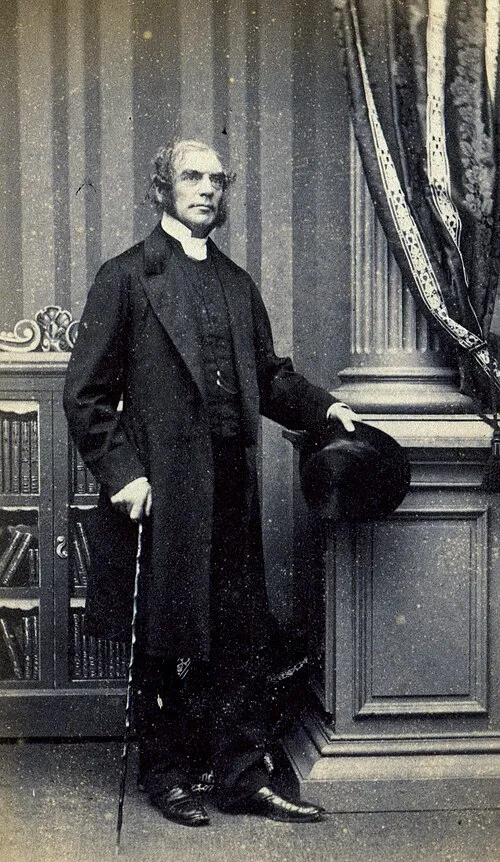
Capítulo 1: La declinación incipiente
«El apartado de razón.» —Proverbios 14:14.
Si hay una consideración más humillante que otra para un creyente de mente espiritual, es que, después de todo lo que Dios ha hecho por él —después de todas las ricas manifestaciones de su gracia, de la paciencia y la ternura de sus instrucciones, de la repetida disciplina de su pacto, de las muestras de amor recibidas y de las lecciones de la experiencia aprendidas—, exista todavía en el corazón un principio cuya tendencia es un apartamiento de Dios secreto, perpetuo y alarmante. En verdad, hay en este hecho solemne aquello que bien podría conducir al más profundo abatimiento de sí mismo delante de Él.
Si, en esta etapa temprana de nuestra indagación sobre el tema, se nos permitiera señalar una causa del poder creciente que se deja ejercer en el alma a este principio latente y sutil, la referiríamos al olvido constante, de parte del creyente, de esta verdad: que no hay en la gracia divina ningún elemento esencial capaz de asegurarla contra la declinación más profunda; que, si se la deja a su energía de sostén propio, tales son las influencias hostiles que la rodean, tales los asaltos severos a que está expuesta, y tan débil la resistencia que es capaz de oponer, que no hay un momento —por espléndidas que hayan sido sus victorias anteriores— en el cual el progreso incipiente y secreto de la declinación no pueda haber comenzado, y seguir adelante, en el alma. Hay en nosotros una propensión a endiosar las gracias del Espíritu. A menudo pensamos de la fe y del amor, y de las gracias afines, como si fueran esencialmente omnipotentes. Olvidamos que, aunque sin duda son divinas en su origen, espirituales en su naturaleza y santificadoras en sus efectos, no se sostienen por poder propio alguno, sino por comunicaciones constantes de vida y de alimento procedentes de Jesús. El momento en que se las deja a su fuerza inherente es el momento de su declinación y decadencia seguras.
Hemos de salvaguardar aquí, sin embargo, una verdad preciosa e importante: la naturaleza indestructible de la gracia verdadera. La gracia divina en el alma nunca puede morir de veras. La fe verdadera nunca puede fallar por completo y de manera final. Hablamos ahora solo de su decadencia. Una flor puede marchitarse y, con todo, vivir. Una planta puede estar enferma y, con todo, no morir. En el grado más bajo de la declinación espiritual, en el estado más débil de la gracia, hay una vida que nunca muere. En medio de todos sus desvíos súbitos, del flujo y del reflujo, del extravío y de la restauración, el creyente en Jesús es de aquellos que son «guardados en la virtud de Dios por fe, para alcanzar la salud». No puede caer del todo. No puede perderse finalmente. La inmutabilidad de Dios lo guarda; el pacto de la gracia lo guarda; la obra consumada de Jesús lo guarda; la inhabitación del Espíritu lo guarda, y lo guarda para la gloria eterna. Decimos, pues, que la gracia verdadera es gracia indestructible: nunca puede morir. Pero puede decaer. Y a la consideración de este tema solemne e importante se invita ahora la atención seria del lector. Nos proponemos exponer el tema de la declinación personal de la religión en el alma en algunas de sus formas y fases variadas y prominentes, y señalar aquellos medios que Dios ha ordenado y bendecido para su restauración y su avivamiento.
Creemos que ningún hijo de Dios retrocede a un estado de declinación interior y de retroceso exterior sino por pasos lentos y graduales. Creemos también que un proceso de decadencia espiritual puede ir adelante en los recintos secretos del alma, sin que se despierte en la mente del creyente sospecha ni temor alguno. Por eso sentimos que es de la mayor importancia que este estado se ponga primero a la vista en su forma incipiente y oculta. ¡Que el Señor el Espíritu llene de luz la mente de quien escribe y la del lector, llene el corazón de humildad, y levante y fije el ojo de la fe simple y únicamente en Jesús, mientras proseguimos en el desenvolvimiento de un tema tan puramente espiritual y que tan hondo escudriña el corazón!
Comenzamos con una breve exposición de una doctrina que ha de considerarse como el cimiento de nuestro tema; esto es, la vida de Dios en el alma del hombre. El creyente en Jesús es de los que han sido «hechos participantes de la naturaleza divina» (2 Pedro 1:4). Es «nacido del Espíritu». Cristo habita en él por la fe, y esto constituye su vida nueva y espiritual. Una sola expresión del apóstol, pero enfática, despliega la doctrina y confirma el hecho: «Cristo en vosotros» (Colosenses 1:27). No es tanto que el creyente viva, como que Cristo vive en él. Así lo expresa el apóstol: «Con Cristo estoy juntamente crucificado, y vivo, no ya yo, mas vive Cristo en mí.» ¿Miramos la historia de Pablo como ilustración de la doctrina? He aquí el gran secreto de su vida extraordinaria. Vivió sin reserva para Cristo, y el manantial de ello fue que Cristo vivía espiritualmente en él. Esto fue lo que lo hizo tan profundo en sabiduría, rico en conocimiento, denodado en la predicación, impávido en el celo, incansable en el trabajo, paciente en el sufrimiento y de buen éxito en la labor: Cristo vivía en él. Y esto forma la vida alta y santa de todo hijo de Dios: «Cristo, vuestra vida.» A él, como cabeza del pacto y mediador de su pueblo, le fue dado tener vida en sí mismo, para que diera vida eterna a todos cuantos el Padre le había dado. Cristo posee esta vida (Juan 5:26); Cristo la comunica (Juan 5:25); Cristo la sostiene (Juan 6:57); y Cristo la corona de gloria eterna (Juan 17:24).
Una característica peculiar de la vida de Dios en el alma es que está oculta. «Vuestra vida está escondida con Cristo en Dios.» Es una vida escondida. Su naturaleza, su fuente, sus operaciones, sus sostenes, están velados a la observación de los hombres. «El mundo no nos conoce.» No conoció a Jesús cuando habitó en la carne; de otro modo no habría crucificado al Señor de la vida y de la gloria. ¿Qué maravilla que no lo conozca, habitando, velado aún más hondo, en los corazones de sus miembros? Crucificó a Cristo en su propia persona; lo ha crucificado en las personas de sus santos; y, si se le diera poder, así lo crucificaría otra vez. Y, sin embargo, hay en la vida divina del creyente aquello que despierta el asombro de un mundo que rechaza a Cristo. Que el creyente sea «como ignorados, mas conocidos»; «como muriendo, mas he aquí vivimos»; «como castigados, mas no muertos»; «como doloridos, mas siempre gozosos»; «como pobres, mas enriqueciendo a muchos»; «como no teniendo nada, mas poseyéndolo todo», es en verdad un enigma, una paradoja para la mente carnal. Sí, hay momentos en que el creyente es un misterio para sí mismo. ¡Cómo se sostiene la vida divina en su alma en medio de tanto que la debilita; cómo se mantiene viva, rodeada de tanto que la amortigua; cómo la chispa que titila no se extingue, aunque se oscurezca, entre el oleaje! Dejando toda figura: cómo su alma avanza cuando más se le opone, se eleva cuando más cargada está, se goza cuando más afligida se halla, y canta más dulce y más fuerte cuando la cruz oprime más y la espina hiere más hondo, bien puede hacerle exclamar: «¡Soy un prodigio para otros, pero un prodigio mayor para mí mismo!» Pero si la naturaleza y los sostenes de la vida divina en el alma están escondidos, no así sus efectos, y estos prueban su existencia y su realidad. El mundo tiene puesto sobre el creyente su ojo agudo y escrutador. Nota bien cada paso suyo, pondera estrechamente cada uno de sus andares, investiga y analiza de cerca sus motivos secretos. Ningún defecto, ninguna desviación, ninguna transigencia escapa a su aviso ni a su censura. Espera, y tiene derecho a esperar, perfecta armonía de principio y de práctica. Reprende, y tiene derecho a reprender, cualquier discrepancia marcada entre ambos. Decimos, pues, que los efectos de la vida de Dios en el alma del creyente son observados por un mundo impío. Hay en el andar honrado y recto de un hijo de Dios aquello que detiene la atención y despierta la sorpresa de hombres que, mientras lo aborrecen y lo desprecian, no pueden sino admirarlo y maravillarse de él.
Con todo, otra característica de la vida divina en el alma es su seguridad. «Vuestra vida está escondida con Cristo en Dios.» Allí nada puede tocarla. Ningún poder puede destruirla. Está «escondida con Cristo», el Hijo amado del Padre, el deleite, la gloria, el tesoro más rico y más precioso de Jehová. Más aún: está «escondida con Cristo en Dios», en la mano, en el corazón, en la omnisuficiencia, sí, en la eternidad de Dios. ¡Oh, la seguridad perfecta de la vida espiritual del creyente! Ningún poder en la tierra ni en el infierno puede moverla. Puede ser embestida por Satanás, acometida por la corrupción, escarnecida por los hombres, y aun en el momento de la incredulidad y en la hora de la prueba profunda puede el creyente mismo dudar de su existencia. Pero allí está, alojada en lo hondo de la eternidad de Dios, atada al corazón y a la existencia de Jehová, y ningún enemigo puede destruirla. «Tan pronto —dice Charnock— podría Satanás sacar a Dios del cielo, socavar la seguridad de Cristo y arrancarlo del seno del Padre, como privar al creyente de su vida espiritual, o destruir aquel principio de gracia que Dios ha implantado en él.» Pero uno mayor que Charnock ha declarado: «Yo les doy vida eterna: y no perecerán para siempre, ni nadie las arrebatará de mi mano» (Juan 10:28). Alégrense las ovejas y los corderos de la «manada pequeña» de que el Pastor vive, y de que, porque él vive, ellos también vivirán. Pero pasamos ahora a la consideración de la declinación de esta vida en el alma.
Por un estado de declinación incipiente entendemos aquella decadencia de la vida espiritual y de la gracia en el creyente que señala su etapa más temprana y más oculta. Es latente y escondida, y por eso la menos sospechada y la más peligrosa. El proceso doloroso de la enfermedad espiritual puede avanzar en el alma tan en secreto, tan en silencio y tan sin ser advertido, que quien lo padece puede haber perdido mucho terreno, puede haberse desprendido de muchas gracias y de mucho vigor, y puede haber sido engañado hasta un estado alarmante de esterilidad y decadencia espirituales, antes de que siquiera una sospecha de su condición real se haya despertado en su pecho. Como Sansón, puede despertar de su sueño y decir: «Esta vez saldré como las otras, y me escaparé: no sabiendo que Jehová ya se había de él apartado» (Jueces 16:20). O puede asemejarse a Efraín, de quien está escrito: «Comieron extraños su sustancia, y él no lo supo; y aun vejez se ha esparcido por él, y él no lo entendió» (Oseas 7:9). Este es el estado del alma que ahora hemos de examinar: un estado que tiene que ver, no con la observación exterior de los hombres, sino de manera más especial e inmediata con un Dios santo que escudriña el corazón. Al mirar el estado del «apartado de razón», podemos, en primer lugar, mostrar lo que un estado incipiente de declinación no implica necesariamente.
Y lo primero: no implica alteración alguna en el carácter esencial de la gracia divina, sino una decadencia secreta de la salud, del vigor y del ejercicio de esa gracia en el alma. Como en el organismo animal el corazón no pierde nada de su función natural cuando, por la enfermedad, no envía por el cuerpo sino una pulsación débil y lánguida, así en la constitución espiritual del creyente la gracia divina puede estar enfermiza, débil e inoperante, y retener, con todo, su carácter y sus propiedades. El pulso puede latir débilmente, pero todavía late. La simiente puede no dar fruto, pero «vive y permanece para siempre». La naturaleza divina puede estar lánguida, pero nunca puede asimilarse ni fundirse con ninguna otra, y ha de retener siempre su divinidad sin mancha y sin cambio. Y, sin embargo, sin cambiar su naturaleza, la gracia divina puede declinar en medida alarmante en su poder y en su ejercicio. Puede estar enfermiza, marchita y a punto de morir. Puede llegar, por su decadencia, a tal debilitamiento, que oponga una resistencia ineficaz a las incursiones de una corrupción fuerte; tan baja, que el enemigo pueda atropellarla a su antojo; tan inoperante y cediza, que la pereza, la mundanalidad, el orgullo, la carnalidad y los vicios afines obtengan una conquista fácil y sin resistencia.
Esta decadencia de la gracia puede avanzar también sin una disminución marcada en la percepción espiritual del juicio, tocante a la hermosura y la idoneidad de la verdad espiritual. La pérdida del goce espiritual, no la de una percepción espiritual de la hermosura y la armonía de la verdad, será el síntoma que delate la verdadera condición del alma. El juicio no perderá nada de su luz, pero el corazón mucho de su fervor. Las verdades de la revelación, especialmente las doctrinas de la gracia, ocuparán el mismo lugar prominente en cuanto a su valor y su hermosura, y, sin embargo, la influencia de estas verdades puede apenas sentirse. Se asentirá a la Palabra de Dios; pero, como instrumento de santificación, de humillación y de alimento, el creyente puede serle casi del todo extraño. Sí: por necesidad ha de serlo, mientras este proceso de declinación secreta sigue adelante en su alma.
Este estado incipiente de declinación puede no implicar un rebajamiento de la norma de la santidad; y, sin embargo, no habrá ascenso del corazón, ni extensión de la mente hacia una conformidad práctica con esa norma. El juicio reconocerá la ley divina, tal como está encarnada en la vida de Cristo, como la regla del andar del creyente; y, sin embargo, a un estado tan bajo y tan débil puede haber declinado la piedad vital en el alma, que no habrá anhelo de conformidad con Cristo, ni suspiro por la santidad, ni «resistencia hasta la sangre, combatiendo contra el pecado». ¡Oh, condición alarmante para un hombre cristiano, cuando el corazón contradice al juicio y la vida desmiente la profesión! Cuando hay más conocimiento de la verdad que experiencia de su poder; más luz en el entendimiento que gracia en los afectos; más pretensión en la profesión que santidad y espiritualidad en el andar. Y, con todo, a este estado triste y melancólico es posible que quede reducido un profesante cristiano. ¡Cómo debería llevar al hombre de nociones vacías, de meros credos, de alta pretensión, de ortodoxia fría y sin vida, a detenerse, a escudriñar su corazón, a examinar su conciencia y a averiguar el verdadero estado de su alma delante de Dios!
Una vez más: este estado de apartamiento secreto de Dios puede existir junto con una observancia exterior y rígida de los medios de gracia; y, sin embargo, no habrá uso espiritual de los medios, ni goce en ellos. Y esto, puede ser, es la gran canción de cuna de su alma. Mecido hasta el sueño por una religión meramente formal, el creyente es inducido al engaño de que su corazón está bien y su alma prospera a los ojos de Dios. Aun más que esto: un creyente en declinación puede haber caído tan hondo en un estado de formalismo, que ponga los medios de gracia exteriores y públicos en lugar de un andar cercano y secreto con Dios. Puede haber fijado su morada en los atrios exteriores del templo. Puede habitar en el mero pórtico del santuario. El retiro frecuente, o aun el ocasional, consagrado a la meditación, al examen de sí mismo, a la lectura de la Palabra de Dios y a la oración secreta, puede ceder el lugar a una forma de piedad exterior y ajetreada. Reuniones públicas y de comité, sociedades religiosas, compromisos de negocio y de profesión —con aspecto religioso, e importantes aun en su lugar subordinado— pueden echar a Dios fuera del alma y excluir a Cristo del corazón. Y que un creyente se contente con «vivir a este pobre paso moribundo», satisfecho de morar en medio del estruendo y el ajetreo de las avanzadas, es uno de los síntomas más patentes y alarmantes de la declinación de la vida de Dios en su alma. Pero agrupemos algunas de las señales más positivas de un estado incipiente y oculto de declinación espiritual.
Cuando un profesante puede proseguir con sus deberes religiosos acostumbrados, de manera estricta, regular y formal, y no experimentar, con todo, goce alguno de Dios en ellos, ni cercanía filial, ni quebrantamiento y ternura, ni conciencia de un dulce retorno, puede sospechar que su alma está en un estado de retroceso secreto e incipiente respecto de Dios. Si satisface y alimenta su alma —si es que alimentarla puede llamarse— con una forma sin vida, ¿qué síntoma más fuerte necesita de su estado real? Un estado sano y creciente de la religión en el alma exige, para su alimento y su sostén, más que esto. Un creyente que anhela a Dios, que tiene hambre y sed de justicia, con la gracia que florece, el corazón profundamente empeñado en los deberes espirituales, vivo, dado a la oración, humilde y tierno, que asciende en sus disposiciones y en sus deseos: un estado señalado por estos rasgos no puede quedar atado a una forma de deberes religiosos sin vida y sin espíritu. Estos no serían sino cáscaras para un estado sano de la vida de Dios en el alma. Quiere más. Tendrá hambre y sed, y este anhelo espiritual ha de ser saciado. Y nada puede satisfacerlo y hartarlo sino el vivir de Cristo, el pan y el agua de la vida. «Yo soy el pan de vida.» «Si alguno tiene sed, venga a mí y beba.» «Mi carne es verdadera comida, y mi sangre es verdadera bebida.» El profesante que pasa todos sus días sin este alimento, matando así de hambre su alma, bien puede exclamar: «¡Mi flaqueza, mi flaqueza!» ¡Oh, cuán solemnes son para los tales las palabras de nuestro Señor: «De cierto, de cierto os digo: Si no comiereis la carne del Hijo del hombre, y bebiereis su sangre, no tendréis vida en vosotros» (Juan 6:53)!
Otra vez: cuando un profesante puede leer su Biblia sin gusto espiritual, o cuando la escudriña, no con un deseo sincero de conocer la mente del Espíritu para un andar santo y obediente, sino con un gusto y un fin meramente curiosos o literarios, es evidencia segura de que su alma no hace sino un movimiento retrógrado en la espiritualidad real. Nada indica quizá con más fuerza el tono de la espiritualidad de un creyente que la luz en que él considera las Escrituras. Pueden leerse y, con todo, leerse como cualquier otro libro, sin la convicción profunda y solemne de que «Toda Escritura es inspirada divinamente y útil para enseñar, para redargüir, para corregir, para instituir en justicia, para que el hombre de Dios sea perfecto, enteramente instruido para toda buena obra» (2 Timoteo 3:16-17). Pueden leerse sin sabor espiritual, sin volverse oración, sin atesorar en el corazón y reducir a la práctica diaria sus santos preceptos, sus preciosas promesas, sus dulces consuelos, sus fieles advertencias, sus afectuosas amonestaciones, sus tiernas reprensiones. Y leídas así, ¿cómo puede un creyente esperar sacar de las Escrituras aquel provecho que fueron destinadas a comunicar, y para el cual son tan adecuadas?
Cuando un profesante cristiano puede orar, y reconocer, con todo, que no tiene cercanía al trono, ni toque del cetro, ni comunión con Dios; que lo llama «Padre» sin el sentido de la adopción; que confiesa el pecado de un modo general, sin alzar la mirada a Dios a través de la cruz; que no tiene conciencia de poseer el oído y el corazón de Dios, la evidencia es indudable de un estado de declinación de la religión en el alma. Y cuando, además, no halla dulzura en un ministerio espiritual; cuando está inquieto e insatisfecho bajo un despliegue escudriñador y práctico de la verdad; cuando se prefieren las doctrinas a los preceptos, las promesas a los mandamientos, los consuelos a las amonestaciones del evangelio, queda marcada la declinación incipiente.
Cuando el creyente tiene pocos tratos con Cristo —cuando rara vez se acude a su sangre, cuando poco se vive de su plenitud, cuando apenas se mencionan su amor y su gloria—, los síntomas de declinación en el alma son patentes. Quizá nada forma un criterio más cierto del estado del alma que esto. Estaríamos dispuestos a probar la religión de un hombre, tanto en cuanto a su naturaleza como en cuanto a su crecimiento, por su respuesta a la pregunta: «¿Qué os parece del Cristo?» ¿Humedece su sangre cada día la raíz de tu profesión? ¿Es su justicia aquello que te exalta fuera de ti mismo y por encima de ti mismo, y te da cada día libre y cercano acceso a Dios? ¿Está mucho en tu corazón la dulzura de su amor, y mucho en tus labios la fragancia de su nombre? ¿Llevas cada día tus corrupciones a su gracia, tu culpa a su sangre, tus pruebas a su corazón? En una palabra, ¿es Jesús la sustancia de tu vida, la fuente de tu santificación, el único objeto glorioso en el cual descansa siempre tu ojo, el blanco hacia el cual siempre prosigues? No te ofendas, lector, si observamos que un profesante puede hablar bien de Cristo, y rendir homenaje a su nombre, y edificar su causa, y promover su reino, y quedarse, con todo, sin llegar a tener a Cristo en el corazón, la esperanza de gloria. No es el hablar de religión, ni de ministros, ni de iglesias, ni un celo exterior por la prosperidad de estas, lo que constituye o indica a un hombre verdaderamente espiritual. Y, sin embargo, ¡cuánto de esto, en nuestro día, pasa por moneda corriente de la vida de Dios en el alma! ¡Oh, que entre los queridos santos de Dios hubiera menos hablar de ministros, y más de Jesús; menos de sermones, y más del poder de la verdad en sus almas; menos de «Yo cierto soy de Pablo» y de «yo de Apolos», y más de «yo de Cristo»!
Un andar sin caridad hacia otros cristianos señala un estado bajo de la gracia en el alma. Cuanto más enteramente esté el corazón ocupado con el amor de Cristo, menos lugar habrá para la falta de caridad hacia sus santos. Es porque hay tan poco amor a Jesús que hay tan poco hacia los que lo siguen. A proporción que la mente se vuelve espiritual, se eleva por encima de las distinciones y los nombres de partido; renuncia a sus miras estrechas y exclusivas, echa de sí sus prejuicios contra otras secciones de la única iglesia, y abraza, en los anhelos de su simpatía cristiana, a todos los que «aman a nuestro Señor Jesucristo en sinceridad». Al abogar por una plataforma más amplia de amor cristiano, de ningún modo «venderíamos la verdad», ni transigiríamos con los principios, ni inmolaríamos la conciencia sobre el altar de un liberalismo incrédulo. Pero aquello por lo que abogamos es más de aquel amor cristiano, ternura de corazón, benignidad y caridad que concede el derecho del juicio privado, respeta el mantenimiento concienzudo de la verdad y otorga a otros el mismo privilegio que reclama para sí. Aunque muchos de los santos de Dios difieren por necesidad en el juicio, ¿existe la misma necesidad de que se enajenen en el afecto? Pensamos que muy lejos de ello. Hay un terreno común en el cual pueden estar firmes todos los cristianos que retienen la cabeza. Hay verdades que pueden asimilar todas nuestras mentes y fundir todos nuestros corazones. ¿Por qué, pues, hemos de mantenernos apartados del único cuerpo y exclamar: «El templo de Jehová, el templo de Jehová somos»? ¿Por qué hemos de rehusar reconocer la imagen del Padre en el rostro de los hijos, y tratarlos como extraños en la persona, en el espíritu y en el lenguaje, porque no ven ojo a ojo con nosotros en todas nuestras interpretaciones de la palabra de Dios? ¿Por qué no ha de ser que «Toda amargura, y enojo, e ira, y voces, y maledicencia sea quitada de vosotros, y toda malicia»? ¿Y por qué no habríamos de ser «los unos con los otros benignos, misericordiosos, perdonándonos los unos a los otros, como también Dios nos perdonó en Cristo», ya que la iglesia no es sino una, la familia no es sino una, y los verdaderos creyentes son todos «uno en Cristo Jesús»? Así será donde hay una espiritualidad que se ahonda. Y su ausencia señala una decadencia de la gracia, una mengua de la vida de Dios en el alma.
Así hemos procurado poner a la vista algunas de las características prominentes de un estado de declinación incipiente de la vida de Dios en el creyente. Se verá que nos hemos referido solo a aquellas que señalan el apartamiento oculto del corazón respecto de Dios: ese estado tan escondido, tan velado al ojo, y de exterior tan hermoso, que toda sospecha de su existencia queda adormecida, y el alma es arrullada con el engaño de que todo está bien en ella. Querido lector, ¿es este tu estado? ¿Ha descubierto hasta aquí este libro en ti alguna declinación secreta y algún apartamiento oculto, algún retroceso del corazón? ¿Te ha probado —hablando por él el Espíritu de Dios— que tu alma está en un estado enfermo, que la vida divina dentro de ti languidece? No te apartes del descubrimiento, por doloroso que sea. Míralo de lleno, con honestidad. No es paso alguno hacia la recuperación de un estado enfermizo disfrazar a la vista los peores síntomas de ese estado. La señal de la verdadera sabiduría y pericia es averiguar lo peor de la enfermedad, sondar la profundidad de la herida. Y aunque tal camino pueda ser doloroso para el enfermo, es esencial para su recuperación cabal. Amado lector, importa que conozcas el estado exacto de tu alma delante de Dios. Y si eres sincero en aquella petición que a menudo ha exhalado de tus labios: «Examíname, oh Dios, y conoce mi corazón: pruébame y reconoce mis pensamientos: y ve si hay en mí camino de perversidad», le agradecerás cualquier amonestación suave y fiel que te ponga en la gran obra del examen de ti mismo. «Conviene —dice el Dr. Owen— que los profesantes de toda clase sean recordados de estas cosas; porque podemos ver a no pocos de ellos en decaimientos visibles, sin esfuerzo sincero alguno tras una recuperación, los cuales, sin embargo, se complacen en que la raíz del negocio está en ellos. Así es, si el amor del mundo, la conformidad con él, la negligencia en los deberes santos y la frialdad en el amor espiritual son evidencia de tales decaimientos. Pero nadie engañe a su propia alma; dondequiera que hay un principio salvador de gracia, estará floreciendo y creciendo hasta el fin. Y si cae bajo estorbos, y por ello en decaimientos por una temporada, no dará descanso ni quietud al alma en que está, sino que trabajará de continuo por una recuperación. La paz en una condición de decadencia espiritual es una seguridad que arruina el alma; mejor estar bajo terror a causa de haber sido sorprendido en algún pecado, que estar en paz bajo decaimientos evidentes de la vida espiritual.»
Algunas de las características marcadas del estado de declinación del corazón que hemos estado considerando están expuestas de manera tan notable en el caso de la iglesia, según la describe el Espíritu Santo en el capítulo quinto de Cantares, que quisiéramos dirigir a ello la atención seria del lector, en conexión con esta parte de nuestra obra.
En el versículo 2, la iglesia reconoce su condición adormecida, aunque no del todo insensible: «Yo dormía, pero mi corazón velaba.» Había aquí existencia de la vida divina en el alma, y, sin embargo, esa vida estaba en declinación. Sabía que había caído en un estado descuidado y somnoliento, que la obra de la gracia en su alma decaía, que el espíritu de somnolencia había venido sobre ella; pero el rasgo terrible era que se contentaba con estar así. Oyó a su Amado que llamaba; pero tan enamorada estaba de su estado de somnolencia, que no le hizo caso: no le abrió. «Yo dormía, pero mi corazón velaba: la voz de mi amado que llamaba: Ábreme, hermana mía, amiga mía, paloma mía, perfecta mía; porque mi cabeza está llena de rocío, mis cabellos de las gotas de la noche.» Interpelada así, su deber habría sido despertarse al instante de su sueño y dar entrada a su Señor. Un creyente puede caer en un estado somnoliento del alma, no tan profundo que quede del todo perdido para la voz de su Amado, que habla por la conciencia, por la palabra y por las providencias; y, sin embargo, tanto puede haber decaído su gracia, tan frío puede haberse vuelto su amor, y tan endurecedora puede haber sido su declinación, que se contente con que este sea su estado. ¡Oh, síntoma alarmante de declinación del alma, cuando se prefiere la indulgencia de la pereza y del yo a una visita de Jesús!
Observa luego que, cuando ella se levantó, Cristo se había retirado. «Abrí yo a mi amado; mas mi amado se había ido, había ya pasado: y tras su hablar salió mi alma: busquélo, y no lo hallé; llamélo, y no me respondió» (versículo 6). Cansado de esperar tanto tiempo, dolido por el descubrimiento que hizo de la profunda declinación de ella, y herido por su fría repulsa, retiró su presencia sensible y amorosa, y la dejó a las consecuencias de su triste apartamiento. El Señor nunca se retira de su pueblo de buena gana. Nunca lo mueve un impulso arbitrario de su voluntad. Tal es su deleite en su pueblo, tal su amor hacia ellos, y tal el gozo que saca de su comunión, que andaría con ellos el día entero, y los bañaría de sol con la luz sin nube de su rostro. Pero cuando se esconde por un breve momento, es echado del abrazo de ellos por la tibieza de su corazón y por la resistencia descortés a su amor. Como posee él mismo un corazón tierno, la más leve indiferencia que se descubra en su hijo lo hiere. Océano de amor él mismo, la menor tibieza en el amor de su pueblo lo hace retirarse. Y, sin embargo, este retiro momentáneo no es una corrección judicial, sino paternal y amorosa, para llevarlos al conocimiento y a la confesión de su estado: «Andaré, y tornaré a mi lugar hasta que conozcan su pecado, y busquen mi rostro. En su angustia madrugarán a mí» (Oseas 5:15).
Es digno de notarse que ella retrocedió a este estado de declinación inmediatamente después de una manifestación peculiar del amor de Cristo a su alma. La hallamos que invita así a su Amado: «Levántate, Aquilón, y ven, Austro: sopla mi huerto, despréndanse sus aromas. Venga mi amado a su huerto, y coma de su dulce fruta.» Él acepta la invitación con gracia: «Yo vine a mi huerto, oh hermana, esposa mía: cogido he mi mirra y mis aromas; he comido mi panal y mi miel, mi vino y mi leche he bebido. Comed, amigos; bebed, amados, y embriagaos.» Así, su declinación fue precedida de una comunión cercana y peculiar con su Señor. ¡Y cuántos del pueblo del Señor pueden dar testimonio de la misma verdad solemne: que algunos de sus apartamientos más tristes han seguido de inmediato a temporadas de la comunión más entrañable y santa con su Dios y Padre! Después de tales períodos es cuando el creyente está más expuesto a un espíritu de complacencia propia. Sin una gran vigilancia sobre el corazón, el yo se toma la gloria y la alabanza de la visita graciosa de amor que Jesús ha hecho al alma, y mira adentro en busca de alguna causa secreta de la misericordia. Cuando el Señor imparte una bendición, necesitamos gracia especial que nos guarde de caer por esa misma bendición. El caso de los discípulos ofrece una ilustración memorable de este pensamiento. La ocasión en que sucedió la circunstancia a la que vamos a referirnos fue de lo más solemne y conmovedora: fue la escena que precedió de inmediato a la crucifixión de Jesús. Lucas la registra así: «Y tomando el pan, habiendo dado gracias, partió, y les dio, diciendo: Esto es mi cuerpo, que por vosotros es dado: haced esto en memoria de mí. Asimismo también el vaso, después que hubo cenado, diciendo: Este vaso es el nuevo pacto en mi sangre, que por vosotros se derrama» (Lucas 22:19-20). ¿Qué momento pudo ser más santo que este? ¿Qué ocasión más solemne y sagrada? ¡Aquí estaban los discípulos teniendo comunión con su adorable Emanuel en el misterio tremendo de sus sufrimientos! Pero inmediatamente después de cerrarse este servicio santificado, ¿qué leemos? «Y hubo entre ellos una contienda, quién de ellos parecía ser el mayor» (versículo 24). ¡Aquí estaban las peores exhibiciones de la naturaleza caída —pasión, odio, envidia— enconándose en el corazón, en un momento en que los elementos del amor moribundo de su Salvador estaban todavía en sus labios! ¡Oh, qué nos enseña esta lección instructiva! No confíes en las disposiciones y los sentimientos; ora sin cesar, y en particular «velad en oración» inmediatamente después de temporadas de cercanía peculiar a Dios, o de misericordias especiales recibidas de su mano. «Los goces espirituales especiales —observa Traill con sabiduría— son peligrosos, y dejan al hombre muy necesitado de la gracia auxiliadora de Dios. Exponen a tentaciones especiales; son aptos para dar lugar a corrupciones especiales, tales como el orgullo espiritual, el contentarse con una buena condición presente, el embotamiento del deseo de un estado mejor. Si el Señor concede comunicaciones singulares de sí mismo, sepa que es temporada de necesidad especial de gracia para conducirlas bien. Volverían con más frecuencia, y brotarían más alto y durarían más, si se aprovecharan mejor. Cuanto mayor sea la bendición, mayor es la dificultad de conducirla bien; y cuanto más difícil la obra, mayor nuestra necesidad de la gracia de Dios; y más frecuentes y fervientes han de ser nuestras solicitudes al trono de la gracia por aquella gracia necesaria y auxiliadora.»
Una vez más: advierte la tendencia endurecedora de la declinación repetida en el caso de ella. En el capítulo 3, versículo 1, manifiesta algún deseo de Cristo, aunque su postura indicaba un espíritu perezoso: «Por las noches busqué en mi lecho al que ama mi alma.» Inmediatamente después, Cristo llama; pero ella se había hundido tan hondo en el sueño, que no se levantó para darle entrada. Sigue los pasos, y advierte la naturaleza amortiguadora de la declinación del alma. Primero se pone en la postura de la pereza, y pronto se la oye decir: «Yo dormía.» ¿Por qué tantos que parecen buscar a Cristo se quedan cortos de él? En la mayoría de los casos no es difícil averiguar la verdadera causa. Es esta: lo buscan en postura somnolienta, en sus lechos. Sus deseos son tan lánguidos, la disposición de su espíritu tan muerta, sus corazones tan fríos, que su misma manera de buscarlo parece dar un aire de insinceridad a sus deseos, y parecería pedir que se les negaran sus peticiones. Pondera otra vez su confesión. ¡Oh! ¿No es la confesión de muchos? «Por las noches busqué en mi lecho al que ama mi alma: busquélo, y no lo hallé.» Y la razón por la cual no lo halló fue su postura perezosa y su espíritu adormecido al buscarlo. Guárdate de un buscar perezoso de Jesús. Con tal disposición, el desengaño seguirá de manera inevitable. Búscalo, antes bien, con todo tu corazón, con todo tu deseo, con toda la inclinación de tu alma. Búscalo como tu bien principal, tu único bien. Búscalo como aquello que puede suplir la ausencia de todo otro bien, sin el cual nada es bueno. Búscalo como aquella bendición que puede tornar en dulzura toda copa amarga, en resplandor toda nube oscura, en misericordia toda cruz; que puede sacar comida del que come, y miel de la peña. ¡Oh, qué porción tiene el alma que tiene a Jesús por su porción! «Mi parte es Jehová, dijo mi alma; por tanto en él esperaré.» Pero ha de buscársele con todo el vigor del alma, con toda la intensidad del deseo y con toda la perseverancia del propósito, si se lo ha de hallar. Y bien vale él este trabajo de búsqueda. Es aquella perla que pagará una búsqueda diligente. Recompensará en abundancia a todo el que venga sincero y humilde. No habrá necesidad que no supla, ni herida que no sane, ni dolor que no alivie, ni pecado que no perdone, ni corrupción que no sojuzgue. Pero búscalo con pleno propósito del alma, y será hallado. «Mi corazón ha dicho de ti: Buscad mi rostro. Tu rostro buscaré, oh Jehová» (Salmos 27:8). «Desea, y nada alcanza el alma del perezoso: mas el alma de los diligentes será engordada» (Proverbios 13:4).
Hay todavía un rasgo notable en el estado de la iglesia que hemos estado considerando, demasiado instructivo para pasarlo de largo sin notarlo. Aludimos a la persuasión que ella sentía de que, aunque la vida divina en su alma estaba en marea baja, con todo Cristo era suyo, y ella era de Cristo. «Yo dormía, pero mi corazón velaba: la voz de mi amado que llamaba.» En la peor disposición que pueda afectar a un verdadero hijo de Dios, hay siempre alguna indicación de que la vida divina en el alma no está del todo extinguida. En su mayor decadencia hay todavía algún síntoma de vida. En la hora más oscura hay, en la naturaleza de la gracia verdadera, aquello que emite algún destello de su gloria esencial; en su mayor derrota, aquello que afirma su divinidad. Tal como un rey, aunque depuesto de su trono y lanzado al destierro, nunca puede despojarse del todo de la dignidad de su carácter regio, así la gracia verdadera, aunque a menudo probada con dureza, asaltada con aspereza y a veces derrotada por un momento, nunca puede hundir su carácter ni renunciar a su soberanía. Advierte la prueba de esto en el caso del apóstol Pablo: «De manera que ya no obro aquello, sino el pecado que mora en mí. Porque no hago el bien que quiero; mas el mal que no quiero, éste hago. Y si hago lo que no quiero, ya no lo obro yo, sino el pecado que mora en mí» (Romanos 7:17, 19, 20). Y así lo expresa la iglesia: «Yo dormía, pero mi corazón velaba.» En su estado más adormecido y perezoso, no podía olvidar que todavía era de su Amado, y que su Amado era suyo. ¡Gloriosa naturaleza, y bienaventurado triunfo, de la vida de Dios en el alma del hombre!
Llegamos ahora a la consideración del avivamiento de esta vida divina en el alma del creyente. Por lo ya expuesto se percibirá que estamos muy lejos de tener este por un estado sin esperanza. Que un creyente en declinación se asiente bajo la convicción de que tal estado es irrecuperable; que, porque ha dado el primer paso en el apartamiento de Dios, por necesidad ha de dar el segundo, es ofrecer la evidencia más alarmante de un estado de declinación del alma. Muy lejos de esto, lo afirmamos de manera distinta y con énfasis: cualquiera que sea el apartamiento de un hijo de Dios que retrocede, es recuperable. No hay paso que haya perdido y no pueda desandarse; no hay gracia que haya decaído y no pueda restaurarse; no hay gozo que haya huido y no pueda recobrarse. ¡Ay de nosotros cuando llegue el día que cierre toda avenida de retorno a un alma que retrocede, el día que nos diga que el Padre ya no da la bienvenida en casa al pródigo; que la sangre de Jesús ya no sana un espíritu herido; que el Espíritu Santo ya no restaura los gozos perdidos de la salvación de Dios! Pero deseamos mostrar ahora que, para toda alma pobre, que se condena a sí misma, quebrantada de corazón y que vuelve, hay un afecto que permanece en el corazón del Padre, una acogida en la sangre de Jesús, y por tanto todo aliento para levantarse y venir a Dios.
La primera indicación que daríamos en el camino de la recuperación es: conoce a fondo el estado real de tu alma, tal como está delante de Dios. Así como el primer paso en la conversión fue conocerte pecador perdido, sin ayuda y condenado, así ahora, en tu reconversión a Dios, has de conocer el estado exacto de tu alma. Sé honesto contigo mismo. Haya un examen cabal y fiel de tu condición espiritual. Quítese todo disfraz, retírese el ojo de la opinión de los hombres, y enciérrese el alma con Dios en un escrutinio estrecho de su peor estado. Tu ministro, tu iglesia, tu amigo pueden no saber nada del estado secreto de tu alma. Pueden incluso no sospechar declinación oculta alguna de la gracia, ni retroceso incipiente alguno del corazón respecto de Dios. Para su ojo parcial, la superficie puede ser hermosa a la vista; para ellos, tu estado espiritual puede presentar aspecto de prosperidad y de fruto. Pero la cuestión solemne es con Dios, que no juzga como juzga el hombre —solo por la apariencia exterior—, sino que juzga el corazón. «Yo Jehová, que escudriño el corazón.» El «apartado de razón» puede engañarse a sí mismo, puede engañar a otros, pero a Dios no puede engañarlo. Procura, pues, conocer la condición real de tu alma. Escudriña, y ve qué gracias del Espíritu han declinado, qué frutos del Espíritu han decaído. Lector mío, solemne y grande es la obra en que te hemos puesto, pero es necesaria para tu recuperación. Quisiéramos traerte al tribunal de tu propio pecho, para que examines con equidad y con rigor el estado espiritual de tu alma. ¡Proceso solemne! Muchos son los testigos citados a declarar. La conciencia es testigo: ¡cuántas veces ha sido acallada! La palabra es testigo: ¡cuán tristemente ha sido descuidada! El trono de la gracia es testigo: ¡cuán a menudo ha sido menospreciado! Cristo es testigo: ¡cuánto ha sido tenido en poco! El Espíritu Santo es testigo: ¡cuán hondo ha sido contristado! Dios es testigo: ¡cuán grandemente ha sido robado! Todos estos testifican contra el alma de un apartado de razón y, sin embargo, todos pleitean por su retorno.
El segundo paso es descubrir y sacar a luz la causa de la declinación del alma. «¿No hay una causa?» Escudriña, y ve qué ha caído como plaga sobre tu alma, qué está royendo la raíz de tu cristianismo. El apóstol Pablo, diestro para detectar, y fiel para reprender, cualquier declinación en la fe o flojedad en la práctica de las iglesias primitivas, descubrió en la de Galacia un apartamiento de la pureza de la verdad, y un descuido consiguiente en el andar de ellos. Dolido por el descubrimiento, les dirigió una epístola afectuosa y fiel, expresiva de su asombro y de su dolor, y que proponía una indagación solemne y escudriñadora. «Estoy maravillado —escribe— de que tan pronto os hayáis traspasado del que os llamó a la gracia de Cristo.» «Habiendo conocido a Dios, o más bien, siendo conocidos de Dios, ¿cómo os volvéis de nuevo a los flacos y pobres rudimentos?» «Temo de vosotros, que no haya trabajado en vano en vosotros.» «¿Dónde está pues vuestra bienaventuranza?» «Estoy perplejo en cuanto a vosotros.» «Vosotros corríais bien: ¿quién os embarazó?» «Esta persuasión no es de aquel que os llama.» Al lector consciente, mientras se detiene sobre esta página, de una declinación secreta en su alma, le proponemos la misma indagación, escudriñadora y tierna. Corrías bien: ¿quién te estorbó? ¿Qué tropiezo ha caído en tu camino? ¿Qué ha impedido tu carrera hacia adelante? ¿Qué ha debilitado tu fe, enfriado tu amor, apartado tu corazón de Jesús, y vuelto a atraerte a los flacos y pobres rudimentos de un mundo pobre? Saliste bien; por un tiempo corriste bien. Tu celo, y tu amor, y tu humildad daban promesa de una vida útil, de una carrera gloriosa y de una contienda feliz por el premio. Pero algo ha estorbado. ¿Qué es? ¿El mundo, el amor a la criatura, la codicia, la ambición, el pecado de presunción, la corrupción no mortificada, la vieja levadura no purgada? Escudríñalo. No descanses hasta que sea descubierto. Tu declinación es secreta; quizá la causa es secreta: algún deber espiritual secretamente descuidado, o algún pecado conocido secretamente consentido. Escudríñalo, y sácalo a luz. Ha de ser una causa adecuada para producir efectos tan serios. No eres como antes eras. Tu alma ha perdido terreno. La vida divina ha declinado. El fruto del Espíritu se ha marchitado. El corazón ha perdido su blandura; la conciencia, su ternura; la mente, su recogimiento; el trono de la gracia, su dulzura; la cruz de Jesús, su atracción. ¡Oh, cuán triste y melancólico el cambio que ha pasado sobre ti! ¿Y no tienes en tu alma la conciencia de ello? ¿Dónde está la bienaventuranza de que hablabas? ¿Dónde el rostro luminoso de un Padre reconciliado? ¿Dónde los momentos ricos pasados delante de la cruz? ¿Las escenas santificadas de comunión en el aposento, encerrado con Dios? ¿Dónde la voz de la tórtola, el canto de las aves, los delicados pastos donde te apacentabas, las aguas de reposo a cuyas orillas descansabas? ¿Se ha ido todo? ¿Es invierno para tu alma? ¡Ah, sí! Tu alma se ve obligada a sentir que cosa mala y amarga es apartarse del Dios vivo. Pero todavía hay esperanza.
El paso siguiente en la obra del avivamiento personal es llevar de inmediato la causa de la declinación del alma al trono de la gracia, y ponerla delante del Señor. No ha de haber trato con ella, ni transigencia, ni encubrimiento. Ha de haber una exposición plena y sin reserva delante de Dios, sin paliativo ni disfraz alguno. Confiesa tu pecado en toda su culpa, sus agravantes y sus consecuencias. Esto es precisamente lo que Dios ama: una confesión del pecado abierta e ingenua. Aunque escudriña y conoce todos los corazones, se deleita, con todo, en el reconocimiento honesto y minucioso del pecado, de parte de su hijo que retrocede. El lenguaje no puede ser demasiado humillante; el detalle no puede ser demasiado menudo. Advierte el énfasis que ha puesto en este deber, y la bendición que le ha anexado. Así habló a los hijos de Israel, aquel pueblo errante, que retrocedía y se rebelaba: «Y confesarán su iniquidad, y la iniquidad de sus padres, por su prevaricación con que prevaricaron contra mí: y también porque anduvieron conmigo en oposición, yo también habré andado con ellos en contra, y los habré metido en la tierra de sus enemigos: y entonces se humillará su corazón incircunciso, y reconocerán su pecado; y yo me acordaré de mi pacto con Jacob, y asimismo de mi pacto con Isaac, y también de mi pacto con Abraham me acordaré; y haré memoria de la tierra» (Levítico 26:40-42). Bien podemos exclamar: «¿Qué Dios como tú, que perdonas la maldad, y olvidas el pecado del resto de su heredad? No retuvo para siempre su enojo, porque es amador de misericordia.» Esta fue también la experiencia bienaventurada de David, hijo querido de Dios y, con todo, tantas veces apartado: «Mi pecado te declaré, y no encubrí mi iniquidad. Confesaré, dije, contra mí mis rebeliones a Jehová; y tú perdonaste la maldad de mi pecado» (Salmos 32:5). ¡Y cómo se derritió de piedad y de compasión el corazón de Dios cuando oyó el ablandarse audible de su Efraín! «Escuchando, he oído a Efraín que se lamentaba: Azotásteme, y fui castigado como novillo indómito: conviérteme y seré convertido; porque tú eres Jehová mi Dios.» ¿Y cuál fue la respuesta de Dios? «¿No es Efraín hijo precioso para mí? ¿no es niño delicioso? pues desde que hablé de él, heme acordado de él constantemente. Por eso mis entrañas se conmovieron por él: apiadado, tendré de él misericordia, dice Jehová» (Jeremías 31:18, 20). Ni está la promesa de perdón, anexa a la confesión del pecado, desplegada con menos claridad y menos consuelo en los escritos del Nuevo Testamento: «Si confesamos nuestros pecados, él es fiel y justo para que nos perdone nuestros pecados, y nos limpie de toda maldad» (1 Juan 1:9). ¡Cuán plena, pues, la bendición; cuán rica la consolación unida a una confesión del pecado honesta y quebrantada de corazón! ¡Cuán fácil y cuán sencillo, también, este método de retorno a Dios! «Conoce empero tu maldad» (Jeremías 3:13). No es sino una confesión del pecado sobre la cabeza de Jesús, el gran sacrificio por el pecado. ¡Oh! ¿Qué es esto que Dios dice? «¡Conoce empero tu maldad!» ¿Es esto todo lo que requiere de su pobre hijo errante? ¡Esto es todo! «Entonces —puede exclamar el alma pobre—, Señor, a ti vengo. Soy uno que retrocede, un errante, un pródigo. Me he descarriado de ti como oveja perdida. Mi amor se ha enfriado; mis pasos se han aflojado en la senda de la santa obediencia; mi mente ha cedido a la influencia corruptora y amortiguadora del mundo, y mis afectos han andado vagando en busca de otros objetos de deleite, terrenos. Mas he aquí que a ti vengo. ¿Me invitas? ¿Extiendes tu mano? ¿Me mandas que me acerque a ti? ¿Dices: “Conoce empero tu maldad”? Entonces, Señor, vengo; en el nombre de tu Hijo amado, vengo: “vuélveme el gozo de tu salud”.» Confesando así el pecado sobre la cabeza de Jesús, hasta que el corazón no tenga ya nada más que confesar sino el pecado de su confesión —porque, amado lector, nuestra misma confesión del pecado ha de confesarse de nuevo, y sobre nuestras mismas lágrimas hay que orar, tan desfigurado de pecado está todo cuanto hacemos—, el alma, así vaciada y descargada, queda preparada para recibir de nuevo el sello del amor perdonador de un Padre.
La verdadera postura de un alma que vuelve se presenta a la vista con hermosura en la profecía de Oseas 14:1-2: «Conviértete, oh Israel, a Jehová tu Dios: porque por tu pecado has caído. Tomad con vosotros palabras, y convertíos a Jehová, y decidle: Quita toda iniquidad, y acepta el bien, y daremos becerros de nuestros labios.» Aquí están la convicción, la tristeza según Dios, la humillación y la confesión: los elementos esenciales de un verdadero retorno a Dios. Convicción del verdadero estado del alma que declina; tristeza según Dios, nacida del descubrimiento; humillación, honda y sincera, a causa de ello; y una confesión plena y sin reserva de ello delante de Dios. ¡Oh, evidencias bienaventuradas! ¡Oh, hermosa postura de un alma restaurada!
En conexión esencial con el descubrimiento y la confesión, ha de estar la mortificación entera y el abandono de la causa de la declinación secreta del alma. Fuera de esto, no puede haber avivamiento verdadero de la obra de la gracia divina en el corazón. La verdadera mortificación espiritual del pecado que mora dentro, y el abandono entero de la causa conocida —cualquiera que resulte ser— de la declinación del corazón, constituyen los verdaderos elementos de la restauración de un creyente a los gozos de la salvación de Dios. Y cuando hablamos de la mortificación del pecado, no se entienda mal la naturaleza de esta obra sagrada. Así ha sido en el caso de muchos; ¿por qué no ha de serlo en el tuyo? Pueden darse todas las señales de la superficie de la mortificación, y permanecer el corazón extraño a la obra. Un sermón que despierta, una providencia que alarma o una verdad que sobresalta pueden, por un momento, detener y agitar el alma que retrocede. Puede haber un abrirse del párpado, un movimiento convulsivo del organismo espiritual que, para un observador superficial, tenga apariencia de un retorno real a la conciencia, de un verdadero despertar a vida y vigor nuevos del alma adormecida; y, sin embargo, estos pueden no ser sino los impulsos pasajeros e intermitentes de un espíritu enfermizo y somnoliento. Puede volverse también a los medios de gracia —sentirse la declinación secreta, llorarse y reconocerse—, pero, si la causa oculta permanece sin mortificar y sin quitar, toda apariencia de recuperación cede pronto y con dolor. No fue sino una sacudida pasajera y momentánea, y todo quedó en quietud. El párpado pesado apenas se abrió, y volvió a cerrarse. La «piedad», que tanto bien prometía, no fue sino «como la nube de la mañana, y como el rocío que de madrugada viene». Y la razón se halla en esto: que no hubo verdadera mortificación del pecado. Y así puedo llegarme a una planta que se marchita y languidece en mi huerto. Puedo emplear todo medio exterior para su avivamiento. Puedo aflojar la tierra en torno de ella, regarla y ponerla al rayo tibio del sol. Pero si entretanto no he descubierto ni quitado la causa oculta de su decadencia —si no he sabido que un gusano roía en secreto la raíz y, ignorante de esto, he seguido con mi obra de restauración en la superficie—, ¿qué maravilla que, aunque el rayo de la mañana, y el rocío de la tarde, y la tierra aflojada hayan producido una frescura y una vida de un momento, mi planta haya dejado de existir, se haya marchitado y muerto? Así puede ser con un creyente en declinación. Los medios exteriores de avivamiento pueden emplearse con esmero; los medios de gracia, usarse con diligencia y aun multiplicarse; pero todo ello sin efecto real y permanente, mientras un gusano se alimenta en secreto de la raíz. Y hasta que la causa oculta de la decadencia sea mortificada, quitada y del todo extirpada, el avivamiento de la superficie no acaba sino en un sueño más hondo y en un engaño más temible del alma. Otra vez, y otra vez aún, lo repetiríamos: no puede haber, en modo alguno, avivamiento verdadero, espiritual y permanente de la gracia en un creyente, mientras el pecado secreto permanezca en el corazón sin descubrir y sin mortificar. La mortificación verdadera y espiritual del pecado no es obra de superficie. No consiste meramente en podar los zarcillos muertos que cuelgan aquí y allá de la rama. No es el cortar los pecados de afuera y una observancia exterior de los deberes espirituales. Incluye, en lo esencial, mucho más que esto. Es poner el hacha a la raíz del pecado en el creyente. No apunta a nada menos que al sojuzgamiento completo del principio del pecado. Y hasta que esto se haga con eficacia, no puede haber verdadero retorno del corazón a Dios. Lector cristiano, ¿cuál es la causa de la declinación secreta de tu alma? ¿Qué es lo que en este momento se alimenta de la planta preciosa de la gracia, destruyendo su vigor, su hermosura y su fruto? ¿Es un apego desordenado a la criatura? Mortifícalo. ¿El amor del yo? Mortifícalo. ¿El amor del mundo? Mortifícalo. ¿Algún hábito pecaminoso consentido en secreto? Mortifícalo. Ha de mortificarse, la raíz tanto como la rama, si has de experimentar un retorno cabal a Dios. Por querido que sea, como mano derecha o como ojo derecho, si con todo se interpone entre tu alma y Dios, si crucifica a Cristo en ti, si debilita la fe, enflaquece la gracia y destruye la espiritualidad del alma, dejándola estéril y sin fruto, no te detengas antes de su mortificación total.
Tampoco ha de emprenderse esta gran obra en tu propia fuerza. Es, de modo preeminente, el resultado de Dios el Espíritu Santo, que obra en el creyente y bendice los esfuerzos de este: «si por el espíritu mortificáis las obras de la carne, viviréis» (Romanos 8:13). Hay aquí un reconocimiento de los esfuerzos propios del creyente, en conexión con el poder del Espíritu Santo: «si vosotros» —creyentes, santos de Dios— «por el espíritu mortificáis las obras de la carne», etc. Es obra del creyente mismo, pero el poder es del Espíritu de Dios. Lleva, pues, al Espíritu el pecado que has descubierto. Ese Espíritu, trayendo a tu alma la cruz de Jesús con un poder que mata y que crucifica, y dándote una vista tal de un Salvador que padece por el pecado como quizá nunca antes tuviste, pondrá en un momento a tu enemigo muerto a tus pies. ¡Oh, no cedas a la desesperación, alma angustiada! ¿Anhelas un avivamiento gracioso de la obra de Dios dentro de ti? ¿Lloras en secreto tu declinación de corazón? ¿Has escudriñado y descubierto la causa oculta de tu decadencia? ¿Y es tu deseo real la mortificación de ella? Entonces alza la mirada, y oye las palabras consoladoras de tu Señor: «yo soy Jehová tu Sanador» (Éxodo 15:26). El Señor es quien te sana. Su amor puede restaurarte. Su sangre puede sanarte. Su gracia puede sojuzgar tu pecado. «Tomad con vosotros palabras, y convertíos a Jehová, y decidle: Quita toda iniquidad, y acepta el bien»; y el Señor responderá: «Yo medicinaré su rebelión, amarélos de voluntad: porque mi furor se apartó de ellos.»
Procura enriquecer y ensanchar tu mente con percepciones más espirituales de la gloria personal, del amor y de la plenitud de Cristo. Toda declinación del alma nace de admitir en la mente cosas contrarias a la naturaleza de la gracia que mora dentro. El mundo —sus placeres, sus vanidades, sus cuidados, sus tentaciones variadas— entra en la mente, disfrazado a menudo bajo la forma de empresas y deberes lícitos, y aparta la mente de Dios, y los afectos, de Cristo. Estos debilitan y amortiguan también la fe y el amor, y toda gracia del Espíritu que mora dentro. Son «las zorras, las zorras pequeñas, que echan a perder las viñas; pues que nuestras viñas están en cierne» (Cantares 2:15). El mundo es un lazo dañino en extremo para el hijo de Dios. Es imposible que mantenga un andar cercano y santo con Dios, que viva como peregrino y extranjero, que sostenga una guerra constante y victoriosa contra sus muchos enemigos espirituales, y que al mismo tiempo abra el corazón para admitir al mayor enemigo de la gracia: el amor del mundo. Pero cuando la mente está ya ocupada por Cristo, llena de contemplaciones de su gloria, y de su gracia, y de su amor, no queda lugar para que entren los atractivos de afuera. El mundo queda fuera, y la criatura queda fuera, y los encantos del pecado quedan fuera; y el alma sostiene una comunión constante y no turbada con Dios, en tanto que se le da poder para mantener una resistencia más vigorosa a todo ataque exterior del enemigo. Y ¡oh, cuán bienaventurada es la comunión del alma así encerrada con Jesús! «He aquí, yo estoy a la puerta y llamo: si alguno oyere mi voz y abriere la puerta, entraré a él, y cenaré con él, y él conmigo.» «Yo entraría —dice el amado Cordero de Dios—, y habitaría en ti, y haría morada contigo, y cenaría contigo, y tú conmigo.» ¡Esta sí es verdadera comunión! Y ¡oh, dulce respuesta de su propio Espíritu en el corazón, cuando el alma creyente exclama: «Mi corazón ha dicho de ti: Buscad mi rostro. Tu rostro buscaré, oh Jehová.» «Entra, Jesús precioso; no quiero a nadie sino a ti. No deseo compañía alguna, y no oiría ninguna voz sino la tuya. No tendré comunión con nadie sino contigo. Déjame cenar contigo; sí, dame a comer tu propia carne y a beber tu propia sangre»! ¡Ah, querido lector cristiano! Es porque tenemos tan poco que ver con Jesús —lo admitimos tan rara vez y con tanta renuencia en el corazón, tenemos con él tan pocos tratos, acudimos tan rara vez a su sangre y a su justicia, y vivimos tan poco de su plenitud— que nos vemos obligados tan a menudo a exclamar: «¡Mi flaqueza, mi flaqueza!» Pero si «habéis pues resucitado con Cristo, buscad las cosas de arriba, donde está Cristo sentado a la diestra de Dios». Procuremos conocer más a Cristo, tener comprensiones de su gloria más espirituales y más amplias, beber más hondo de su amor, embebernos más de su Espíritu y conformarnos más de cerca a su ejemplo.
Pero aquello que forma el gran secreto de todo avivamiento personal está todavía por descubrirse. Aludimos a un nuevo bautismo del Espíritu Santo. Esto lo necesita un alma en declinación más que todo lo demás. Si lo posee en amplia medida, posee toda bendición espiritual: lo incluye todo, y es la prenda de todo lo demás. Nuestro querido Señor procuró imprimir esta su última doctrina de consuelo en las mentes decaídas de sus discípulos. Les enseñó que su presencia corporal en medio de ellos no había de compararse con la morada espiritual y permanente del Espíritu entre ellos. El descenso del Espíritu Santo había de traer a su memoria todas las cosas que él les había enseñado. Había de perfeccionarlos en el conocimiento de la gloria suprema de su persona, de la perfección infinita de su obra, de la naturaleza y la espiritualidad de su reino, y de sus triunfos finales y ciertos en la tierra. El descenso del Espíritu había también de madurarlos en la santidad personal, y de capacitarlos de modo más eminente para su labor ardua y de buen éxito en la causa de él, ahondando su espiritualidad, enriqueciéndolos con más gracia y ensanchándolos con más amor. Y el bautismo del Espíritu Santo, el día de Pentecostés, cumplió todo esto de manera plena: los apóstoles salieron de su influencia como hombres que habían pasado por un estado de reconversión.
Y este es el estado, querido lector, por el que has de pasar, si has de experimentar un avivamiento de la obra de Dios en tu alma. Has de ser reconvertido, y ello por medio de un nuevo bautismo del Espíritu Santo. Nada que no sea esto avivará tus gracias que se mueren y derretirá tu amor helado. Nada, salvo esto, detendrá tu declinación secreta y restaurará tu corazón que retrocede. Has de ser bautizado de nuevo con el Espíritu. Ese Espíritu, a quien tan a menudo y tan hondo has herido, contristado, menospreciado y apagado, ha de entrar en ti de nuevo, y sellarte, y santificarte, y reconvertirte. ¡Oh, levántate, y ora, y lucha en oración por el derramamiento del Espíritu sobre tu alma! Deja tu religión sin vida, tu forma sin el poder, tu oración sin comunión, tus confesiones sin quebrantamiento, tu celo sin amor. Y ¡oh, cuántas y cuán preciosas promesas se apiñan en la palabra de Dios, y todas te invitan a buscar esta bendición! «Descenderá como la lluvia sobre la hierba cortada; como el rocío que destila sobre la tierra» (Salmos 72:6). «Yo medicinaré su rebelión, amarélos de voluntad: porque mi furor se apartó de ellos. Yo seré a Israel como rocío; él florecerá como lirio, y extenderá sus raíces como el Líbano. Extenderse han sus ramos, y será su gloria como la de la oliva, y olerá como el Líbano. Volverán, y se sentarán bajo de su sombra: serán vivificados como trigo, y florecerán como la vid: su olor, como de vino del Líbano» (Oseas 14:4-7). «Venid y volvámonos a Jehová: que él arrebató, y nos curará; hirió, y nos vendará. Darános vida después de dos días: al tercer día nos resucitará, y viviremos delante de él. Y conoceremos, y proseguiremos en conocer a Jehová: como el alba está aparejada su salida, y vendrá a nosotros como la lluvia, como la lluvia tardía y temprana a la tierra» (Oseas 6:1-3). Busca, pues, por encima y más allá de todas las demás bendiciones, el bautismo renovado del Espíritu Santo. «Sed llenos de Espíritu.» Búscalo con empeño. Búscalo bajo la convicción profunda de tu necesidad absoluta de él. Búscalo con perseverancia. Búscalo con fe. Dios ha prometido: «yo os derramaré mi espíritu»; y, pidiéndolo en el nombre de Jesús, lo recibirás.
Una palabra más. No te sorprendas si el Señor te pone en circunstancias de prueba profunda, a fin de recuperarte de la declinación de tu alma. El Señor adapta a menudo la peculiaridad de la disciplina a la del caso. ¿Es declinación secreta? Puede enviar alguna reprensión secreta, alguna cruz secreta, algún castigo oculto. Nadie ha descubierto tu declinación encubierta, y nadie descubre tu corrección encubierta. La declinación fue entre Dios y tu alma; así también puede serlo la reprensión. El retroceso fue del corazón; así también lo es el castigo. Pero si la prueba santificada obra la recuperación de tu alma, la restauración a Cristo de tu corazón vacilante, el avivamiento de toda la obra de él dentro de ti, lo adorarás por la disciplina; y, con David, ensalzando los tratos de un Dios y Padre del pacto, exclamarás: «Antes que fuera yo humillado, descarriado andaba; mas ahora guardo tu palabra. Bueno me es haber sido humillado, para que aprenda tus estatutos.»
Por último: sal de nuevo hacia Dios y hacia el cielo, como si nunca antes hubieras partido en el camino. Comienza por el principio. Ve como pecador a Jesús. Busca la influencia vivificadora, sanadora y santificadora del Espíritu. Y sea esta tu oración, presentada e instada, hasta que sea respondida, al escabel de la misericordia: «¡Oh Jehová, aviva tu obra! ¡Oh Jehová, vivifícame! ¡Vuélveme el gozo de tu salud!» En respuesta a tu petición, «Descenderá como la lluvia sobre la hierba cortada; como el rocío que destila sobre la tierra»; y tu cántico será el de la iglesia: «Mi amado habló, y me dijo: Levántate, oh amiga mía, hermosa mía, y vente. Porque he aquí ha pasado el invierno, hase mudado, la lluvia se fue. Hanse mostrado las flores en la tierra, el tiempo de la canción es venido, y en nuestro país se ha oído la voz de la tórtola. La higuera ha echado sus higos, y las vides en cierne dieron olor: levántate, oh amiga mía, hermosa mía, y vente.»
Ver el original (inglés)
Original en inglés
Chapter 1: Incipient Declension
“The backslider in heart.” (Proverbs 14:14)
If there is one consideration more humbling than another to a spiritually-minded believer, it is, that, after all God has done for him, - after all the rich displays of his grace, the patience and tenderness of his instructions, the repeated discipline of his covenant, the tokens of love received, and the lessons of experience learned, there should still exist in the heart a principle, the tendency of which is to secret, perpetual, and alarming departure from God. Truly, there is in this solemn fact, that which might well lead to the deepest self-abasement before Him.
If, in the present early stage of our inquiry into this subject, we might be permitted to assign a cause for the growing power which this latent, subtle principle is allowed to exert in the soul, we would refer to the believer’s constant forgetfulness of the truth, that there is no essential element in divine grace that can secure it from the deepest declension; that, if left to its self-sustaining energy, such are the hostile influences by which it is surrounded, such the severe assaults to which it is exposed, and such the feeble resistance it is capable of exerting, there is not a moment - splendid though its former victories may have been - in which the incipient and secret progress of declension may not have commenced and be going forward in the soul! There is a proneness in us to deify the graces of the Spirit. We often think of faith and love, and their kindred graces, as though they were essentially omnipotent; forgetting that though they undoubtedly are divine in their origin, spiritual in their nature, and sanctifying in their effects, they yet are sustained by no self-supporting power, but by constant communications of life and nourishment from Jesus; that, the moment of their being left to their inherent strength, is the moment of their certain declension and decay.
We must here, however, guard a precious and important truth; that is, the indestructible nature of true grace. Divine grace in the soul can never really die; true faith can never utterly and finally fail. We are speaking now but of their decay. A flower may droop, and yet live: a plant may be sickly, and yet not die. In the lowest stage of spiritual declension, in the feeblest state of grace, there is a life that never dies. In the midst of all his startings aside, the ebb and the flow, the wandering and the restoring, the believer in Jesus is “kept by the power of God through faith unto salvation.” He cannot utterly fall; he cannot finally be lost. The immutability of God keeps him, - the covenant of grace keeps him, - the finished work of Jesus keeps him, - the indwelling of the Spirit keeps him, and keeps him to eternal glory. We say, then, true grace is indestructible grace; it can never die. But it may decay; and to the consideration of this solemn and important subject, the reader’s serious attention is now invited. We propose to exhibit the subject of Personal Declension of Religion in the Soul in some of its varied and prominent forms and phases, and to direct to those means which God has ordained and blessed to its restoration and revival.
Believing, as we do, that no child of God ever recedes into a state of inward declension and outward backsliding, but by slow and gradual steps; and believing, too, that a process of spiritual decay may be going forward within the secret recesses of the soul, and not a suspicion or a fear be awakened in the mind of the believer; we feel it of the deepest moment that this state should first be brought to view in its incipient and concealed form. May the Lord the Spirit fill the writer’s and the reader’s mind with light, the heart with lowliness, and raise and fix the eye of faith simply and solely upon Jesus, as we proceed in the unfolding of a theme so purely spiritual and so deeply heart-searching!
We commence with a brief exposition of a doctrine which must be regarded as forming the groundwork of our subject; that is, THE LIFE OF GOD IN THE SOUL OF MAN. The believer in Jesus is a partaker of the divine nature (2 Pet 1:4). He is “born of the Spirit;” Christ dwells in him by faith; and this constitutes his new and spiritual life. A single but emphatic expression of the apostle’s, unfolds the doctrine and confirms the fact, “Christ in you (Col 1:27).” It is not so much that the believer lives, as that Christ lives in him. Thus the apostle expresses it: “I am crucified with Christ: nevertheless I live; yet not I, but Christ lives in me.” Do we look at the history of Paul as illustrative of the doctrine? Behold the grand secret of his extraordinary life. He lived unreservedly for Christ; and the spring of it was, Christ lived spiritually in him. This it was that rendered him so profound in wisdom, rich in knowledge, bold in preaching, undaunted in zeal, unwearied in toil, patient in suffering, and successful in labor; - Christ lived in him. And this forms the high and holy life of every child of God; - “Christ who is our life.” To him, as the covenant head and mediator of his people, it was given to have life in himself, that he might give eternal life to as many as the Father had given him. Christ possesses this life (John 5:26); Christ communicates it (John 5:25); Christ sustains it (John 6:57); and Christ crowns it with eternal glory (John 17:24).
A peculiar characteristic of the life of God in the soul, is, that it is concealed. “Your life is hid with Christ in God.” It is a hidden life. Its nature, its source, its actings, its supports are veiled from the observation of men. “The world knows us not.” It knew not Jesus when he dwelt in the flesh, else it would not have crucified the Lord of life and glory. Is it any wonder that it knows him not, dwelling, still deeper veiled, in the hearts of his members? It crucified Christ in his own person, it has crucified him in the persons of his saints, and, if power were given, would so crucify him yet again. And yet there is that in the divine life of the believer, which awakens the wonderment of a Christ-rejecting world. That the believer should be unknown, and yet well known; should die, and yet live; should be chastened, and yet not killed; sorrowful, yet always rejoicing; poor, yet making many rich; having nothing, and yet possessing all things, is indeed an enigma - a paradox to a carnal mind. Yes, there are moments when the believer is a mystery to himself. How the divine life in his soul is sustained in the midst of so much that enfeebles, kept alive surrounded by so much that deadens, the glimmering spark not extinguished, though obscured, amid the billows! To drop all figure, - how his soul advances when most opposed, soars when most burdened, rejoices when most afflicted, and sings the sweetest and the loudest, when the cross presses the heaviest, and the thorn pierces the deepest, may well cause him to exclaim, “I am a wonder to others, but a greater wonder to myself!” But, if the nature and the supports of the divine life in the soul are hid, not so are its effects, and these prove its existence and reality. The world has its keen, detecting eye upon the believer. It marks well his every step, it ponders narrowly his every going, it investigates and analyses closely his secret motives. No flaw, no deviation, no compromise, escapes its notice or its censure: it expects, and it has a right to expect, perfect harmony of principle and practice; it rebukes, and it has a right to rebuke, any marked discrepancy between the two. We say, then, that the effects of the life of God in the soul of the believer are observed by an ungodly world. There is that in the honest upright walk of a child of God, which arrests the attention and awakens the surprise of men, who, while they hate and despise, cannot but admire and marvel at it.
Yet another characteristic of the divine life in the soul, is its security. “Your life is hid with Christ in God.” There, nothing can touch it: no power can destroy it. It is “hid with Christ,” the beloved Son of the Father, the delight, the glory, the richest and most precious treasure of Jehovah: still more, it is “hid with Christ in God,” in the hand, in the heart, in the all-sufficiency, yes, in the eternity of God. Oh the perfect security of the spiritual life of the believer! No power on earth or in hell can move it. It may be stormed by Satan, assaulted by corruption, scorned by men, and even in the moment of unbelief and in the hour of deep trial its existence doubted by the believer himself; yet there it is, deep lodged in the eternity of God, bound up in the heart and with the existence of Jehovah, and no foe can destroy it. “As soon,” says Charnock, “might Satan pull God out of heaven, undermine the security of Christ, and tear him from the bosom of the Father, as deprive the believer of his spiritual life, or destroy that principle of grace which God has implanted in him.” But a greater than Charnock has declared, “I give unto them eternal life; and they shall never perish, neither shall any man pluck them out of my hand (Jn 10:28).” Let the sheep and the lambs of the “little flock” rejoice that the Shepherd lives, and that because he lives they shall live also. But we now pass to the consideration of the DECLENSION of this life in the soul.
By a state of incipient declension, we mean that decay of spiritual life and grace in the believer which marks its earliest and more concealed stage. It is latent and hidden, and therefore the least suspected and the more dangerous. The painful process of spiritual disease may be advanced in the soul so secretly, so silently, and so unobservedly, that the subject of it may have lost much ground, may have parted with many graces and much vigor, and may have been beguiled into an alarming state of spiritual barrenness and decay, before even a suspicion of his real condition has been awakened in his bosom. Like Samson, he may awaken out of his sleep, and say, “I will go out as at other times before, and shake myself. And he wished not that the Lord was departed from him (Judges 16.20).” Or he may resemble Ephraim, of whom it is recorded, “Strangers have devoured his strength, and he knows it not; yes, grey hairs are here and there upon him, yet he knows it not (Hos 7:9).” This is the state of the soul we are now to examine, - a state that has to do, not with the outward observation of men, but more especially and immediately with a holy and heart-searching God. In looking into the state of a backslider in heart, we may, in the first place, show what an incipient state of declension does not necessarily involve.
And first; it does not involve any alteration in the essential character of divine grace, but is a secret decay of the health, vigor, and exercise of that grace in the soul. As in the animal frame, the heart loses nothing of its natural function, when, through disease, it sends but a faint and languid pulsation through the system; so in the spiritual constitution of the believer, divine grace may be sickly, feeble, and inoperative, and yet retain its character and its properties. The pulse may beat faintly, but still it beats; the seen may not be fruitful, but it “lives and abides forever;” the divine nature may be languid, but it can never assimilate or coalesce with any other, and must always retain its divinity untainted and unchanged. And yet, without changing its nature, divine grace may decline to an alarming extent in its power and exercise. It may be sickly, drooping, and ready to die; it may become so enfeebled through its decay, as to present an ineffectual resistance to the inroads of strong corruption; so low, that the enemy may ride rough-shod over it at his will; so inoperative and yielding, that sloth, worldliness, pride, carnality, and their kindred vices, may obtain an easy and unresisted conquest.
This decay of grace may be advancing, too, without any marked decline in the spiritual perception of the judgment, as to the beauty and fitness of spiritual truth. The loss of spiritual enjoyment, not of a spiritual perception of the loveliness and harmony of the truth, shall be the symptom that betrays the true condition of the soul. The judgment shall lose none of its light, but the heart much of its fervor; the truths of revelation, especially the doctrines of grace, shall occupy the same prominent position as to their value and beauty, and yet the influence of these truths may be scarcely felt. The Word of God shall be assented to; but as the instrument of sanctification, of abasement, of nourishment, the believer may be an almost utter stranger to it; yes, he must necessarily be so, while this process of secret declension is going forward in his soul.
This incipient state of declension may not involve any lowering of the standard of holiness; and yet there shall be no ascending of the heart, no reaching forth of the mind towards a practical conformity to that standard. The judgment shall acknowledge the divine law, as embodied in the life of Christ, to be the rule of the believer’s walk; and yet to so low and feeble a state may vital godliness have declined in the soul, there shall be no panting after conformity to Christ, no breathing after holiness, no “resistance unto blood, striving against sin.” Oh, it is an alarming condition for a Christian man, when the heart contradicts the judgment, and the life belies the profession! - when there is more knowledge of the truth than experience of its power, - more light in the understanding than grace in the affections, - more pretension in the profession than holiness and spirituality in the walk! And yet to this sad and melancholy state it is possible for a Christian professor to be reduced. How should it lead the man of empty notions, of mere creeds, of lofty pretension, of cold and lifeless orthodoxy, to pause, search his heart, examine his conscience, and ascertain the true state of his soul before God!
Once more: This state of secret departure from God may exist in connection with an outward and rigid observation of the means of grace; and yet there shall be no spiritual use of, or enjoyment in, the means. And this, it may be, is the great lullaby of his soul. Rocked to sleep by a merely formal religion, the believer is beguiled into the delusion that his heart is right, and his soul prosperous in the sight of God. Even more than this, - a declining believer may have sunk so deeply into a state of formality, as to substitute the outward and the public means of grace for a close and secret walk with God. He may have taken up his abode in the outer courts of the temple; he may dwell in the mere porch of the sanctuary. Frequent or even occasional retirement consecrated to meditation, self-examination, the reading of God’s Word, and secret prayer, may yield to an outward, bustling form of godliness. Public and committee meetings - religious societies - business and professional engagements - wearing a religious aspect, and even important in their subordinate places, may thrust out God from the soul, and exclude Christ from the heart. And that a believer should be satisfied to “live at this poor dying rate,” content to dwell amid the din and the bustle of the outworks, is one of the most palpable and alarming symptoms of the decline of the life of God in his soul. But let us group some of the more positive marks of an incipient and hidden state of spiritual declension.
When a professing man can proceed with his accustomed religious duties, strictly, regularly, formally, and yet experience no enjoyment of God in them, no filial nearness, no brokenness and tenderness, and no consciousness of sweet return, he may suspect that his soul is in a state of secret and incipient backsliding from God. Satisfying and feeding his soul - if feeding it may be called - with a lifeless form; what stronger symptom needs he of his real state? A healthy, growing state of religion in the soul demands more for its nourishment and support than this. A believer panting for God, hungering and thirsting after righteousness, grace thriving, the heart deeply engaged in spiritual duties, lively, prayerful, humble, and tender, ascending in its frame and desires, - a state marked by these features cannot be tied down to a lifeless, spiritless form of religious duties. These were but husks to a healthy state of the life of God in the soul. It wants more. It will hunger and thirst, and this spiritual longing must be met. And nothing can satisfy and satiate it but living upon Christ, the bread and the water of life. “I am the bread of life.” “If any man thirst, let him come unto me and drink.” “My flesh is meat indeed, and my blood is drink indeed.” The professing man that goes all his days without this nourishment, thus starving his soul, may well exclaim, “My leanness, my leanness!” Oh, how solemn to such are the words of our Lord, “Verily, verily, I say unto you, Except you eat the flesh of the Son of Man, and drink his blood, you have no life in you (Jn 6:53).”
Again: When a professing man can read his Bible with no spiritual taste, or when he searches it, not with a sincere desire to know the mind of the Spirit in order to a holy and obedient walk, but with a merely curious, or literary taste and aim, it is a sure evidence that his soul is making but a retrograde movement in real spirituality. Nothing perhaps more strongly indicates the tone of a believer’s spirituality, than the light in which the Scriptures are regarded by him. They may be read, and yet read as any other book, without the deep and solemn conviction that “all scripture is given by inspiration of God, and is profitable for doctrine, for reproof, for correction, for instruction in righteousness; that the man of God may be perfect, thoroughly furnished unto all good works (2 Tim 3:16,17).” They may be read without a spiritual relish, without being turned into prayer, without treasuring up in the heart and reducing to daily practice its holy precepts, its precious promises, its sweet consolations, its faithful warnings, its affectionate admonitions, its tender rebukes. And thus read, how can a believer expect to derive that “profit” from the Scriptures which they were intended, and are so calculated to convey?
When a professing Christian can pray, and yet acknowledge that he has no nearness to the throne, no touching of the scepter, no fellowship with God, - calls him “Father,” without the sense of adoption, - confesses sin in a general way, without any looking up to God through the cross, - has no consciousness of possessing the ear and the heart of God, the evidence is undoubted of a declining state of religion in the soul. And when too, he can find no sweetness in a spiritual ministry, - when he is restless and dissatisfied under a searching and practical unfolding of truth, - when the doctrines are preferred to the precepts, the promises to the commands, the consolations to the admonitions of the gospel, incipient declension is marked.
When the believer has but few dealings with Christ - his blood but seldom traveled to, - his fullness but little lived upon, - his love and glory scarcely mentioned, the symptoms of declension in the soul are palpable. Perhaps nothing forms a more certain criterion of the state of the soul than this. We would be willing to test a man’s religion, both as to its nature and its growth, by his reply to the question, “What think you of Christ?” Does his blood daily moisten the root of your profession? Is his righteousness that which exalts you out of and above yourself, and daily gives you free and near access to God? Is the sweetness of his love much in your heart, and the fragrance of his name much on your lips? Are your corruptions daily carried to his grace, your guilt to his blood, your trials to his heart? In a word, is Jesus the substance of your life, the source of your sanctification, the one glorious object on which your eye is ever resting, the mark towards which you are ever pressing? Be not offended, reader, if we remark, that a professing man may talk well of Christ, and may do homage to his name, and build up his cause, and promote his kingdom, and yet rest short of having Christ in his heart, the hope of glory. It is not the talking about religion, or ministers, or churches, nor an outward zeal for their prosperity, that either constitutes or indicates a truly spiritual man. And yet how much of this in our day passes current for the life of God in the soul? Oh that among God’s dear saints there were less talking of ministers, and more of Jesus; less of sermons, and more of the power of the truth in their souls; less of “I am of Paul,” and “I of Apollos,” and more of “I am of Christ.”
An uncharitable walk towards other Christians, marks a low state of grace in the soul. The more entirely the heart is occupied with the love of Christ, the less room there will be for uncharitableness towards his saints. It is because there is so little love to Jesus, that there is so little towards his followers. In proportion as the mind becomes spiritual, it rises above party distinctions and names, - it resigns its narrow and exclusive views, casts away its prejudices against other sections of the one church, and embraces in the yearnings of its Christian sympathy all who “love the Lord Jesus Christ in sincerity.” In advocating a wider platform of Christian love, we would by no means “sell the truth,” or compromise principles, or immolate conscience upon the altar of an infidel liberalism. But that for which we plead, is, more of that Christian love, tender-heartedness, kindness, charity which allows the right of private judgment, respects a conscientious maintenance of truth, and concedes to others the same privilege it claims for itself. Differing as many of the saints of God necessarily do in judgment, does the same necessity exist wherefore they shall be alienated in affection? We think, far from it. There is common ground on which all Christians who hold the Head can stand. There are truths which can assimilate all our minds, and blend all our hearts. Why then should we stand aloof from the one body and exclaim, “The temple of the Lord, the temple of the Lord are we?” Why should we refuse to recognize the Father’s image in the children’s face, and treat them as aliens in person, in spirit, and in language, because they see not eye to eye with us, in all our interpretations of God’s word? Why should not “all bitterness, and wrath, and anger, and clamor, and evil speaking, be put away, with all malice?” and why should we not be “kind one to another, tender-hearted, forgiving one another, even as God for Christ’s sake has forgiven us,” seeing that the church is but one, the family but one, that true believers are all “one in Christ Jesus?” This will be so where there is a deepening spirituality. And its absence marks a decay of grace, a waning of the life of God in the soul.
We have thus endeavored to bring to view some of the prominent characteristics of a state of incipient declension of the life of God in the believer. It will be seen that we have referred to those only which mark the hidden departure of the heart from God; - that state that is so concealed, so veiled from the eye, and wearing so fair an exterior, that all suspicion of its existence is lulled to rest, and the soul is soothed with the delusion that all is well with it. Dear reader, is this your state? Has this book thus far detected in you any secret declension, and concealed departure, any heart backsliding? Has it proved to you - the Spirit of God speaking by it - that your soul is in an unhealthy state, the Divine life within you is drooping? Turn not from the discovery, painful though it be. Look at it fully, honestly. It is no step towards the recovery of a sickly state, to disguise the worst symptoms of that state from the eye. The mark of true wisdom and skill is, to ascertain the worst of the disease, to probe the depth of the wound. And although such a course may be painful to the patient, it is essential to his thorough recovery. Beloved reader, it is important that you should know the exact state of your soul before God. And if you are sincere in that petition which has often breathed from your lip, “Search me, O God, and know my heart; try me, and know my thoughts; and see if there be any wicked way in me;” you will thank him for any gentle and faithful admonition that sets you upon the great work of self-examination. “It is fit,” says Dr. Owen, “that professors of all sorts should be reminded of these things; for we may see not a few of them under visible decays, without any sincere endeavors after a recovery, who yet please themselves that the root of the matter is in them. It is so, if love of the world, conformity unto it, negligence in holy duties, and coldness in spiritual love, be an evidence of such decays. But let none deceive their own souls; wherever there is a saving principle of grace, it will be thriving and growing unto the end. And if it fall under obstructions, and thereby into decays for a season, it will give no rest or quietness unto the soul wherein it is, but will labor continually for a recovery. Peace in a spiritually-decaying condition, is a soul-ruining security; better be under terror on the account of surprisal into some sin, than be in peace under evident decays of spiritual life.”
Some of the marked characteristics of the state of heart declension which we have been considering, are so strikingly set forth in the case of the church, as described by the Holy Spirit in the fifth chapter of the Song of Solomon, that we would direct the serious attention of the reader to it in connection with this part of our work.
In the 2nd verse, the church acknowledges her drowsy, yet not entirely insensible condition: “I sleep, but my heart wakes.” Here was the existence of the Divine life in the soul, and yet that life was on the decline. She knew that she had fallen into a careless and slumbering state, that the work of grace in her soul was decaying, that the spirit of slumber had come over her; but the awful feature was, she was content to be so. She heard her Beloved knock; but so enamored was she with her state of drowsiness, she gave no heed to it - she opened not to him. “I sleep, but my heart wakes: it is the voice of my Beloved that knocks, saying, Open to me, my sister, my love, my dove, mu undefiled; for my head is filled with dew, and my locks with the drops of the night.” Thus addressed, her duty would have been instantly to have aroused herself from her sleep, and admitted her Lord. A believer may fall into a drowsy state of soul, not so profound as to be entirely lost to the voice of his Beloved speaking by conscience, by the word, and by providences: and yet so far may his grace have decayed, so cold may his love have grown, and so hardening may have been his declension, he shall be content that this should be his state. O, alarming symptom of soul declension, when the indulgence of sloth and self is preferred to a visit from Jesus!
Then observe that, when she did arise, Christ had withdrawn himself. “I opened to my Beloved, but my Beloved had withdrawn himself, and was gone: my soul failed when he spoke; I sought him, but I could not find him; I called him, but he gave me no answer (verse 6).” Weary with waiting so long, grieved at the discovery he made of her deep declension, and wounded by her cold repulse, he withdrew his sensible, loving presence, and left her to the consequences of her sad departure. The Lord never withdraws himself from his people willingly: he is never actuated by an arbitrary impulse of his will. Such is his delight in his people, such his love towards them, and such the joy he derives from their fellowship, that he would walk with them all the day long, and sun them with the unclouded light of his countenance. But when he hides himself for a little moment, he is driven from their embrace by their lukewarmness of heart, and unkind resistance of his love. Possessing a tender heart himself, the slightest indifference discoverable in his child wounds it: an ocean of love himself, the least lukewarmness in the love of his people causes him to withdraw. And yet this momentary withdrawment is not a judicial, but a fatherly, loving correction, to bring them to a knowledge and confession of their state: “I will go and return to my place, until they acknowledge their offence, and seek my face; in their affliction they will seek me early (Hos 5:15).”
It is worthy of remark, that she receded into this state of declension immediately after a peculiar manifestation of Christ’s love to her soul. We find her thus inviting her Beloved: “Awake, O north wind, and come, you south; blow upon my garden, that the spices may flow out. Let my Beloved come into his garden, and eat his pleasant fruits.” He graciously accepts the invitation: “I am come into my garden, my sister, my spouse. I have gathered my myrrh with my spice; I have eaten my honeycomb with my honey; I have drunk my wine with my milk. Eat, O friends; drink, yes, drink abundantly, O beloved.” Thus was her declension preceded by near and peculiar communion with her Lord. And how many of the Lord’s people can testify to the same solemn truth, that some of their saddest departures have immediately followed seasons of the most endeared and holy fellowship with their God and Father! It is after such periods that the believer is most exposed to a spirit of self-complacency. Without a great vigilance over the heart, self takes the glory and the praise of the gracious visit of love Jesus has made to the soul, and looks within for some secret cause of the mercy. When the Lord imparts a blessing, we need especial grace to keep us from falling through that very blessing. The case of the disciples affords a memorable illustration of this thought. The occasion on which the circumstance transpired to which we are about to refer, was a most solemn and affecting one; it was the scene that immediately preceded the crucifixion of Jesus. Luke thus records it: “And he took bread, and gave thanks, and broke it, and gave unto them, saying, This is my body which is given for you: this do in remembrance of me. Likewise also the cup after supper, saying, This cup is the new testament in my blood, which is shed for you (Luke 22:19,20).” What moment could have been more holy than this? what occasion more solemn and sacred? Here were the disciples holding fellowship with their adorable Immanuel in the awful mystery of his sufferings! But immediately after the close of this hallowed service, what do we read? - “There was also a strife among them, which should be accounted the greatest (verse 24).” Here were the worst exhibitions of fallen nature, - passion, hatred, envy, rankling in the heart, at a moment when the elements of their Savior’s dying love were yet upon their lips! Oh, what does this instructive lesson teach us! - trust not in frames and feelings, pray without ceasing, and particularly “watch unto prayer” immediately after seasons of peculiar nearness to God, or especial mercies received at his hands. “Special spiritual enjoyments,” wisely remarks Traill, “are dangerous, and render a man very needy of the helping grace of God. They expose to special temptations, are apt to give rise to special corruptions, such as spiritual pride, contentedness with a present good condition, dullness of desire after a better state. If the Lord grant singular communications of himself, know that it is a season of special need of grace to guide them well. They would return more frequently, and would spring higher and last longer if they were better improved. The greater the blessing be, the greater is the difficulty of guiding it well’ and the more difficult the work, the greater our need of the grace of God; and the more frequent and fervent should our applications be to the throne of grace for that needful, helpful grace.”
Yet once more: Mark the hardening tendency of repeated declension in her case. In chap. iii. I, she manifests some desire for Christ, though her posture indicated a slothful spirit: “By night on my bed I sought him whom my soul loves.” Immediately after, Christ knocks, but she had sunk so deep in slumber that she arose not to admit him. Trace the steps, and mark the deadening nature of soul declension. She first places herself in the posture of sloth, and soon is heard to say, “I sleep.” Why is it that so many who appear to be seeking Christ, rest short of him? It is not difficult in most cases to ascertain the true cause. It is this - they seek him in a slumbering posture - on their beds. Their desires are so languid, their frame of spirit so dead, their hearts so cold, that their very manner of seeking him seems to give an air of insincerity to their desires, and would seem to plead for a denial of their requests. Ponder again her confession: - Oh, is it not the confession of many? - “By night on my bed I sought him whom my soul loves: I sought him, but I found him not.” And the reason why she found him not, was her slothful posture, and her drowsy spirit in seeking him! Guard against a slothful seeking of Jesus. With such a frame, disappointment will inevitably ensue. But seek him with all your heart, with all your desire, with the whole bent of your soul. Seek him as your chief, your only good. Seek him as that which can supply the absence of all other good, without whom nothing is good. Seek him as that blessing that can turn every bitter cup into sweetness, every dark cloud into brightness, every cross into a mercy; that can bring bread out of the eater, and honey out of the rock. Oh what a portion has that soul that has Jesus for its portion! “The Lord is my portion, says my soul, therefore will I hope in him.” But he must be sought with all the vigor of the soul, with all the intensity of desire, and with all perseverance of purpose, if he would be found. And well is he worth this labor of search. He is that pearl that will repay a diligent seeking. He will plentifully reward every sincere, humble comer. Not a want but he will supply, not a wound but he will heal, not a sorrow but he will soothe, not a sin but he will pardon, not a corruption but he will subdue. But seek him with full purpose of soul, and he shall be found. “When you said, Seek you my face, my heart said unto you, Your face, Lord, will I seek (Ps 27:8).” “The soul of the slugged desires, and has nothing; but the soul of the diligent shall be made fat (Prov 13:4).”
There is yet one more remarkable feature in the state of the church we have been considering, too instructive to pass by unnoticed; - we allude to the persuasion she felt, that though the Divine life in her soul was at a low ebb, still, Christ was hers, and she was Christ’s. “I sleep, but my heart wakes; it is the voice of my Beloved that knocks.” In the worst frame that can affect a true child of God, there is always some indication that the Divine life in the soul is not quite extinguished. In its greatest decay, there is yet some symptom of life. In the darkest hour, there is that in the nature of true grace, which emits some scintillation of its essential glory; in its greatest defeat, that which asserts its divinity. Just as a king, though deposed from his throne and driven into exile, can never entirely divest himself of the dignity of his regal character; so real grace, though often severely tried, sharply assailed, and sometimes momentarily defeated, can never sink its character, nor relinquish its sovereignty. Mark the proof of this in the case of the apostle Paul: “Now then it is no more I that do it, but sin that dwells in me. For the good that I would I do not: but the evil which I would not, that I do. Now if I do that I would not, it is no more I that do it, but sin that dwells in me (Rom 7:17,19,20).” And so the church expresses it, “I sleep, but my heart wakes.” In her most drowsy, slothful state, she could not forget that she was still her Beloved’s, and that her Beloved was hers. Glorious nature, and blessed triumph of the life of God in the soul of man!
We now come to the consideration of the REVIVAL of this Divine life in the soul of the believer. From what has been already advanced it will be perceived that we are far from considering this a hopeless state. For a declining believer to settle down under the conviction that such a state is irrecoverable; that because he has taken the first step in departure from God, he must necessarily take the second, is to afford the most alarming evidence of a state of soul declension. But so far from this, we state it distinctly and emphatically, that whatever be the departure of a backsliding child of God, it is recoverable: not a step has he lost but may be retraced; not a grace has decayed but may be restored; not a joy has fled but may be won back. Alas! for us, when the day comes that shall close up every avenue to the return of a backsliding soul! that tells us that the Father no longer welcomes home the prodigal; that the blood of Jesus no longer heals a wounded spirit; that the Holy Spirit no longer restores the lost joys of God’s salvation! But we desire now to show, that for every poor, self-condemned, heart-broken, returning soul, there is a lingering affection in the heart of the Father, a welcome in the blood of Jesus, and therefore every encouragement to arise and come to God.
The first direction which we would give in the way of recovery is, acquaint yourself thoroughly with the real state of your soul as before God. As the first step in conversion was to know yourself to be a lost, helpless, condemned sinner; so now, in your re-conversion to God, you must know the exact state of your soul. Be honest with yourself; let there be a thorough, faithful examination of your spiritual condition; let all disguise be removed, the eye withdrawn from the opinion of men, and the soul shut in with God in a close scrutiny of its worst state. Your minister, your church, your friend, may know nothing of the secret state of your soul; they may not even suspect any hidden decline of grace, any incipient backsliding of heart from God. To their partial eye, the surface may be fair to look upon; to them your spiritual state may present the aspect of prosperity and fruitfulness; but the solemn question is between God that judges not as man judges - by the outward appearance only - but who judges the heart. “I, the Lord, search the heart.” The “backslider in heart” may deceive himself, he may deceive others, but God he cannot deceive. Seek then to know the real condition of your soul. Search and see what graces of the Spirit have declined, what fruits of the Spirit have decayed. My reader, this is a solemn and a great work we have set you upon, but it is necessary to your recovery. We would bring you into the court of your own bosom, to examine fairly and strictly the spiritual state of your soul. It is a solemn process! The witnesses summoned to testify are many; - conscience is a witness - how often it has been silenced; the word is a witness - how sadly it has been neglected; the throne of grace is a witness - how frequently it has been slighted; Christ is a witness - how much he has been undervalued; the Holy Spirit is a witness - how deeply he has been grieved; God is a witness - how greatly he has been robbed. All these testify against the soul of a backslider in heart, and yet all plead for its return!
The second step is, to discover and bring to light the cause of the soul’s declension. “Is there not a cause?” Search and see what has fallen as a blight upon your soul, what is feeding at the root of your Christianity. The apostle Paul, skillful to detect, and faithful to reprove, any declension in the faith or laxity in the practice of the early churches, discovered in that of Galatia a departure from the purity of the truth, and a consequent carelessness in their walk. Grieved at the discovery, he addressed to them an affectionate and faithful epistle, expressive of his astonishment and pain, and proposing a solemn and searching inquiry. “I marvel,” he writes, “that you are so soon removed from him that called you into the grace of Christ. How, after that you have known God, or rather are known of God, how turn you again to the weak and beggarly elements? I am afraid of you, lest I have bestowed upon you labor in vain. Where is the blessedness you spoke of? I stand in doubt of you. You did run well; who did hinder you? This persuasion comes not of him that calls you.” To the reader, conscious, as he hangs over this page, of secret declension in his soul, we propose the same searching and tender inquiry. You did run well; who did hinder you? - what stumbling-block has fallen in your way? - what has impeded your onward course? - what has enfeebled your faith, chilled your love, drawn your heart from Jesus, and lured you back to the weak and beggarly elements of a poor world? You set out fair; for a time you ran well; your zeal, and love, and humility, gave promise of a useful life, of a glorious race, and of a successful competition for the prize; but something has hindered. What is it? Is it the world, creature love, covetousness, ambition, presumptuous sin, unmortified corruption, the old leaven unpurged? Search it out. Rest not until it be discovered. Your declension is secret, perhaps the cause is secret, some spiritual duty secretly neglected, or some known sin secretly indulged. Search it out, and bring it to light. It must be a cause adequate to the production of effects so serious. You are not as you once were. Your soul has lost ground; the Divine life has declined; the fruit of the Spirit has withered; the heart has lost its softness, the conscience its tenderness, the mind its seclusion, the throne of grace its sweetness, the cross of Jesus its attraction. Oh, how sad and melancholy the change that has passed over you! And have you not the consciousness of it in your soul? Where is the blessedness you spoke of? where is the sunlight countenance of a reconciled Father? where are the rich moments spent before the cross? the hallowed scenes of communion in the closet, shut in with God? Where is the voice of the turtledove, the singing of birds, the green pastures where you did feed, the still waters on whose banks you did repose? Is it all gone? Is it winter with your soul? Ah! yes; your soul is made to feel that it is an evil and a bitter thing to depart from the living God. But yet there is hope.
The next step in the work of personal revival, is, to take the cause of the soul’s declension immediately to the throne of grace, and lay it before the Lord. There must be no parleying with it, no compromise, no concealment: there must be a full and unreserved disclosure before God, without anything of palliation or disguise. Let your sin be confessed in all its guilt, aggravation, and consequences. This is just what God loves - an open, ingenuous confession of sin. Searching and knowing, though he does, all hearts, he yet delights in the honest and minute acknowledgment of sin from his backsliding child. Language cannot be too humiliating, the detail cannot be too minute. Mark the stress he has laid upon this duty, and the blessing he has annexed to it. Thus he spoke to the children of Israel, that wandering, backsliding, rebellious people: “If they confess their iniquity, and the iniquity of their fathers, with their trespass which they trespassed against me, and that they have walked contrary unto me; and that I also have walked contrary unto them, and have brought them into the land of their enemies; if then their uncircumcised hearts be humbled, and they then accept of the punishment of their iniquity; then will I remember my covenant with Jacob, and also my covenant with Isaac, and also my covenant with Abraham will I remember; and I will remember the land (Lev 26:40-42).” Truly may we exclaim, “Who is a God like unto you, that pardons iniquity, and passes by the transgression of the remnant of his heritage! he retains not his anger forever, because he delights in mercy.” This, too, was the blessed experience of David, God’s dear yet often backsliding child: “I acknowledged my sin unto you, and mine iniquity have I not hid. I said, I will confess my transgressions unto the Lord: and you forgave the iniquity of my sin (Ps 32:5).” And how did the heart of God melt with pity and compassion when he heard the audible relentings of his Ephraim! “I have heard Ephraim bemoaning himself thus: You has chastised me, and I was chastised, as a bullock unaccustomed to the yoke: turn you me, and I shall be turned; for you are the Lord my God.” And what was the answer of God! “Is Ephraim my dear son? is he a pleasant child? for since I spoke against him, I do earnestly remember him still; therefore my affections are troubled for him: I will surely have mercy upon him, says the Lord (Jer 31:18,20).” Nor is the promise of pardon annexed to confession of sin, unfolded with less clearness and consolatoriness in the New Testament writings. “If we confess our sins, he is faithful and just to forgive us our sins, and to cleanse us from all unrighteousness (1 Jn 1:9).” How full, then, the blessing, how rich the consolation connected with an honest, heart-broken confession of sin? How easy and how simple, too, this method of return to God! “Only acknowledge your iniquity (Jer 3:13).” It is but a confession of sin over the head of Jesus, the great sacrifice for sin. O, what is this that God says? “Only acknowledge your iniquity!” Is this all he requires of his poor wandering child? This is all! “Then,” May the poor soul exclaim, “Lord, I come to you. I am a backslider, a wanderer, a prodigal. I have strayed from you like a lost sheep. My love has waxed cold, my steps have slackened in the path of holy obedience; my mind has yielded to the corrupting, deadening influence of the world, and my affections have wandered in quest of other and earthly objects of delight. But, behold, I come unto you. Do you invite me? Do you stretch out your hand? Do you bid me approach you? Do you say, ‘Only acknowledge your iniquity?’ Then, Lord, I come; in the name of your dear Son, I come; ‘restore unto me the joy of your salvation.’” Thus confessing sin over the head of Jesus, until the heart has nothing more to confess but the sin of its confession - for, beloved reader, our very confession of sin needs to be confessed over, our very tears to be prayed over, so defaced with sin is all that we do - the soul, thus emptied and unburdened, is prepared to receive anew the seal of a Father’s forgiving love.
The true posture of a returning soul is beautifully presented to view in the prophecy of Hosea 14:1,2: “O Israel, return unto the Lord your God; for you have fallen by your iniquity. Take with you words, and turn to the Lord: say unto him, Take away all iniquity, and receive us graciously: so will we render you the sacrifices of our lips.” Here are conviction, godly sorrow, humiliation, and confession, the essential elements of a true return to God. Conviction of the true state of the declining soul; godly sorrow resulting from the discovery; humiliation, deep and sincere, on account of it; and a full and unreserved confession of it before God. O blessed evidences! O lovely posture of a restored soul!
Essentially connected with the discovery and the confession, there must be the entire mortification and abandonment of the cause of the soul’s secret declension. Apart from this, there can be no true revival of the work of Divine grace in the heart. The true spiritual mortification of indwelling sin, and the entire forsaking of the known cause, whatever it is found to be, of the heart’s declension, constitute the true elements of a believer’s restoration to the joys of God’s salvation. And when we speak of the mortification of sin, let not the nature of this sacred work be misunderstood. It has been in the case of many, why may it not in yours? There may exist all the surface-marks of mortification, and still the heart remain a stranger to the work. An awakening sermon, an alarming providence, or a startling truth, may for a moment arrest and agitate the backsliding soul. There may be an opening of the eyelid, a convulsive movement of the spiritual frame, which, to a superficial observer, may wear the appearance of a real return to consciousness, of a true waking up to new life and vigor of the slumbering soul, and yet these may be but the transient and fitful impulses of a sickly and a drowsy spirit. The means of grace, too, may be returned to - the secret declension felt, deplored and acknowledged, but the hidden cause remaining unmortified and unremoved, all appearance of recovery quickly and painfully subsides. It was but a transient, momentary shock, and all was still; the heavy eyelid but feebly opened, and closed again; the “goodness” that promised so fair, was but as the morning cloud and the early dew. And the reason is found in the fact, that there was no true mortification of sin. And so I may repair to a plant withering and drooping in my garden; I may employ every external means for its revival; I may loosen the earth about it, water, and place it in the warm sunbeam; but if the while I had not discovered and removed the hidden cause of its decay - if I had not know that a worm was secretly feeding at the root, and, in ignorance of this, had proceeded with my surface-work of restoration, what marvel, though the morning sunbeam, and the evening dew, and the loosened earth, had produced a momentary freshness and life, that yet my plant had ceased to exist, had withered and died? Thus may it be with a declining believer. The external means of revival may be sedulously employed, means of grace diligently used and even multiplied, but all to no real and permanent effect, while a worm secretly feeds at the root; and until the hidden cause of decay be mortified, removed, and utterly extirpated, the surface revival does but end in a profounder sleep, and a more fearful deception of the soul. Again, and yet again would we repeat it - there cannot possibly be any true, spiritual, and abiding revival of grace in a believer, while secret sin remains undiscovered and unmortified in the heart. True and spiritual mortification of sin is not a surface-work: it consists not merely in pruning the dead tendrils that hang here and there upon the branch; it is not the lopping off of outward sins, and an external observance of spiritual duties; it includes essentially far more than this: it is a laying the axe at the root of sin in the believer; it aims at nothing less than the complete subjection of the principle of sin; and until this is effectually done, there can be no true return of the heart to God. Christian reader, what is the cause of your soul’s secret declension? What is it that at this moment feeds upon the precious plant of grace, destroying its vigor, its beauty, and its fruitfulness? Is it an inordinate attachment to the creature? mortify it; - the love of self? mortify it; the love of the world? mortify it; - some sinful habit secretly indulged? mortify it. It must be mortified, root as well as branch, if you would experience a thorough return to God. Dear though it be, as a right hand, or as a right eye, it yet it comes between your soul and God, if it crucifies Christ in you, if it weakens faith, enfeebles grace, destroys the spirituality of the soul, rendering it barren and unfruitful, rest not short of its utter mortification.
Nor must this great work be undertaken in your own strength. It is pre-eminently the result of God the Holy Spirit working in, and blessing the self-efforts of the believer: “If you through the Spirit do mortify the deeds of the body, you shall live (Rom 8:13).” Here is a recognition of the believer’s own exertions, in connection with the power of the Holy Spirit: “If you” (believers, you saints of God) “through the Spirit do mortify the deeds of the body,” etc. It is the work of the believer himself, but the power is of the Spirit of God. Take, then, your discovered sin to the Spirit: that Spirit, bringing the cross of Jesus, with a killing, crucifying power, into your soul, giving you such a view of a Savior suffering for sin, as it may be you never had before, will in a moment lay your enemy slain at your feet. O yield not to despair, distressed soul! Are you longing for a gracious revival of God’s work within you? - are you mourning in secret over your heart-declension? - have you searched and discovered the hidden cause of your decay? - and is your real desire for its mortification? Then look up, and hear the consolatory words of your Lord: “I am the Lord that heals you (Ex 15:26).” The Lord is your healer; his love can restore you; his blood can heal you; his grace can subdue your sin. “Take with you words, and turn to the Lord; say unto him, Take away all iniquity, and receive us graciously:” and the Lord will answer, “I will heal their backslidings, I will love them freely; for mine anger is turned away from him.”
Endeavor to enrich and enlarge your mind with more spiritual apprehensions of the personal glory, love, and fullness of Christ. All soul-declension arises from the admission of things into the mind contrary to the nature of indwelling grace. The world, - its pleasures, its vanities, its cares, its varied temptations, - these enter the mind, disguised in the shape often of lawful undertakings and duties, and draw off the mind from God, and the affections from Christ. These, too, weaken and deaden faith and love, and every grace of the indwelling Spirit: they are the “foxes that spoil the vines, for our vines have tender grapes (Song 2:15).” The world is a most hurtful snare to the child of God. It is impossible that he can maintain a close and holy walk with God, live as a pilgrim and a sojourner, wage a constant and successful warfare against his many spiritual foes, and at the same time open his heart to admit the greatest foe to grace - the love of the world. But when the mind is pre-occupied by Christ, filled with contemplations of his glory and grace and love, no room is left for the entrance of external allurements: the world is shut out, and the creature is hut out, and the fascinations of sin are shut out; and the soul holds a constant and undisturbed fellowship with God, while it is enabled to maintain a more vigorous resistance to every external attack of the enemy. And O, how blessed is the soul’s communion, thus shut in with Jesus! “Behold, I stand at the door and knock: if any man hear my voice and open the door, I will come in to him, and will sup with him, and he with me.” “I would come in,” says the dear Lamb of God, “and dwell in you, and take up my abode with you, and sup with you, and you with me.” This is true fellowship! And O, sweet response of his own Spirit in the heart, when the believing soul exclaims, - “When you said, Seek you my face; my heart said unto you, Your face, Lord, will I seek!” “Enter, you precious Jesus; I want none but You; I desire no company, and would hear no voice but your; I will have fellowship with none but you, - let me sup with you: yes, give me your own flesh to eat, and your own blood to drink.” Ah! dear Christian reader, it is because we have so little to do with Jesus - we admit him so seldom and so reluctantly to our hearts - we have so few dealings with him - travel so seldom to his blood and righteousness, and live so little upon his fullness, that we are compelled so often to exclaim, - “My leanness, my leanness!” But, if we be “risen with Christ, seek those things which are above, where Christ sits on the right hand of God;” let us seek to know Christ more, to have more spiritual and enlarged comprehensions of his glory, to drink deeper into his love, to imbibe more of his Spirit, and conform more closely to his example.
But that which forms the great secret of all personal revival is yet to be disclosed; we allude to a fresh baptism of the Holy Spirit. This a declining soul needs more than all beside. Possessing this in a large degree, he possesses every spiritual blessing: it includes, and is the pledge of every other. Our dear Lord sought to impress this, his last consoling doctrine, upon the drooping minds of his disciples: his bodily presence in their midst, he taught them, was not to be compared with the spiritual and permanent dwelling of the Spirit among them. The descent of the Holy Spirit was to bring all things that he had taught them to their remembrance; it was to perfect them in their knowledge of the supreme glory of his person, the infinite perfection of his work, the nature and spirituality of his kingdom, and its ultimate and certain triumphs in the earth. The descent of the Spirit, too, was to mature them in personal holiness, and more eminently fit them for their arduous and successful labor in his cause, by deepening their spirituality, enriching them with more grace, and enlarging them with more love. And fully did the baptism of the Holy Spirit, on the day of Pentecost, accomplish all this: the apostles emerged from his influence, like men who had passed through a state of re-conversion.
And this is the state, dear reader, you must pass through, would you experience a revival of God’s work in your soul: you must be reconverted, and that through a fresh baptism of the Holy Spirit. Nothing short of this will quicken your dying graces, and melt your frozen love; nothing save this will arrest your secret declension, and restore your backsliding heart. You must be baptized afresh with the Spirit; that Spirit whom you have so often and so deeply wounded, grieved, slighted and quenched, must enter you anew, and seal, and sanctify, and reconvert you. O arise, and pray, and agonize for the outpouring of the Spirit upon your soul; give up your lifeless religion, your form without the power, your prayer without communion, your confessions without brokenness, your zeal without love. And O, what numerous and precious promises cluster in God’s word, all inviting you to seek this blessing! “He shall come down like rain upon the mown grass; as showers that water the earth (Ps 72:6).” “I will heal their backslidings, I will love them freely; for mine anger is turned away from him. I will be as the dew unto Israel: he shall grow as the lily, and cast forth his roots as Lebanon. His branches shall spread, and his beauty shall be as the olive-tree, and his smell as Lebanon. Those who dwell under his shadow shall return; they shall revive as the corn, and grow as the vine: the scent thereof shall be as the wine of Lebanon (Hos 14:4-7).” “Come, let us return unto the Lord; for he has torn, and he will heal us; he has smitten, and he will bind us up. After two days he will revive us, in the third day he will raise us up, and we shall live in his sight. Then shall we know, if we follow on to know the Lord: his going forth is prepared as the morning; and he shall come unto us as the rain, as the latter and former rain unto the earth (Hos 6:1-3).” Seek, then, above and beyond all other blessings, the renewed baptism of the Holy Spirit. “Be filled with the Spirit;” seek it earnestly, - seek it under the deep conviction of your absolute need of it, - seek it perseveringly, - seek it believingly. God has promised, “I will pour out my Spirit upon you;” and, asking it in the name of Jesus, you shall receive.
One word more: Be not surprised if the Lord should place you in circumstances of deep trial, in order to recover you from your soul-declension: the Lord often adapts the peculiarity of the discipline to that of the case. Is it secret declension? He may send some secret rebuke, some secret cross, some hidden chastisement; no one has discovered your concealed declension, and no one discovers your concealed correction. The declension was between God and your soul, so also it may be is the rebuke; the backsliding was of the heart, so also is the chastisement. But if the sanctified trial works the recovery of your soul, the restoration to Christ of your wavering heart, the revival of his entire work within you, you shall adore him for the discipline; and with David, extolling the dealings of a covenant God and Father, shall exclaim, - “Before I was afflicted I went astray, but now have I kept your word. It is good for me that I have been afflicted, that I might learn your statutes!”
Lastly: Set out afresh for God and heaven, as though you had never started in the way before. Commence at the beginning; go as a sinner to Jesus; seek the quickening, healing, sanctifying influence of the Spirit; and let this be your prayer, presented, and urged until answered, at the footstool of mercy: “O Lord, revive your work! Quicken me, O Lord! Restore unto me the joy of your salvation!” In answer to your petition, “He shall come down like rain upon the mown grass, as showers that water the earth;” and your song shall be that of the church, “My Beloved spoke, and said unto me, Rise up, my love, my fair one, and come away. For lo, the winter is past, the rain is over and gone. The flowers appear on the earth, the time of the singing of birds is come, and the voice of the turtle is heard in our land. The fig-tree puts forth her green figs, and the vines with the tender grape give a good smell. Arise, my love, my fair one, and come away.”
https://sermonesbiblicos.org/biblioteca/declinacion-y-avivamiento-del-alma-01-declinacion-incipiente/