Sermones Bíblicos
Cristo, el camino, la verdad y la vida
Robert Murray M'Cheyne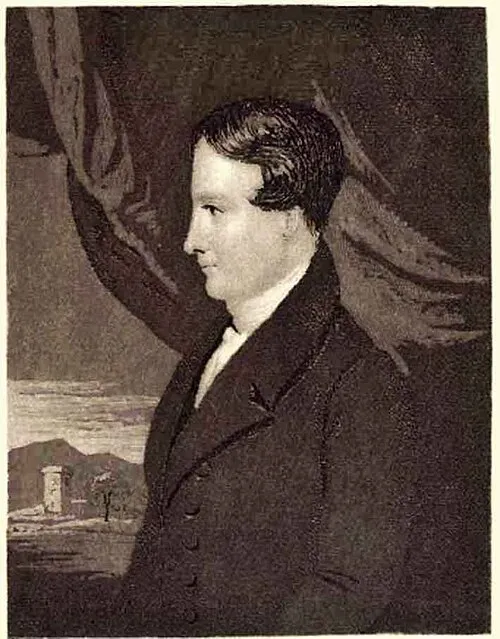
«Jesús le dice: Yo soy el camino, y la verdad, y la vida: nadie viene al Padre, sino por mí.» Juan 14:6.
Es dicho de un antiguo teólogo que Dios a menudo lo dispone así: cuando tiene entre manos las mayores misericordias para con nosotros, entonces somos nosotros los que más pecamos contra él; lo cual hace para magnificar aún más su amor.
En las palabras que he leído hallamos un ejemplo de esto. En ningún momento rebosó el corazón de Jesús de un amor más tierno y más soberano hacia sus discípulos que cuando dijo: «No se turbe vuestro corazón.» Estaban turbados por muchas cosas. Les había dicho que iba a dejarlos; les había dicho que uno lo entregaría, que otro lo negaría, que todos serían escandalizados por causa de él aquella misma noche; y quizá pensaban que se iba de ellos con ira. Pero, cualquiera que fuese la causa de su turbación, el pecho de Jesús era como una vasija llena hasta rebosar, y estas palabras eran las gotas de amor que se derramaban por el borde: «No se turbe vuestro corazón: creéis en Dios, creed también en mí.» Ciertamente, palabras de tan confiada ternura nunca antes se habían susurrado en este mundo frío; y ¡oh!, piensen entonces cuán fría, cuán oscura, cuán torpe es la pregunta con que Tomás irrumpe en el discurso celestial: «Dícele Tomás: Señor, no sabemos á dónde vas: ¿cómo, pues, podemos saber el camino?» Y, con todo, ¡con qué condescendencia soporta Jesús su torpeza de corazón frío! ¡Con qué amor comienza con ellos el alfabeto mismo de la salvación, y no solo responde, sino que responde de sobra a Tomás: le da más de lo que podía pedir o pensar! Él preguntó por el camino y por el lugar, pero Cristo responde: «Yo soy el camino, y la verdad, y la vida: nadie viene al Padre, sino por mí.» Teniendo esto, pues, por una descripción completa de la salvación del evangelio, recorramos las distintas partes de ella.
I. Cristo es el camino. – «Yo soy el camino; nadie viene», etc. Toda la Biblia da testimonio de que por naturaleza no tenemos camino al Padre. Por naturaleza estamos llenos de pecado, y Dios es por naturaleza infinitamente santo; es decir, se retrae del pecado. Así como la planta sensitiva, por su misma naturaleza, se retrae del contacto de una mano humana, así Dios, por su misma naturaleza, se retrae del contacto del pecado. Está eternamente apartado de los pecadores; es muy limpio de ojos para ver el mal.
- Esto se enseñó de manera impresionante a Adán y a los patriarcas. Mientras Adán anduvo en santidad, Dios habitaba en él, y andaba en él, y conversaba con él; pero cuando Adán cayó, «Dios echó fuera al hombre del paraíso, y puso al oriente del huerto de Edén querubines, y una espada encendida que se revolvía á todos lados, para guardar el camino del árbol de la vida.» Esta espada encendida entre los querubines era un emblema magnífico de Dios: el Dios justo que aborrece el pecado. En la zarza se apareció a Moisés como fuego consumidor; en el templo se apareció entre los querubines en la gloria más suave de la Shekiná; pero aquí se apareció entre los querubines como una espada: un Dios justo que aborrece el pecado. Y les ruego que observen que esta espada encendida se revolvía a todos lados, para guardar el camino del árbol de la vida. Si no se hubiera revuelto a todos lados; si hubiera dejado alguna senda sin que el fulgor la cruzara, entonces Adán habría podido entrar a hurtadillas por esa senda y hacerse su propio camino hasta el árbol de la vida. Pero no: cualquier avenida que intentara —por secreta que fuera, por estrecha que fuera, por empinada y difícil que fuera—, por silenciosamente que se arrastrara, este meteoro de fuego le salía al encuentro, y parecía decir: «¿Cómo se justificará el hombre con Dios? Por las obras de la ley ninguna carne viviente se justificará.» Bien podía Adán sentarse, cansado de la búsqueda vana de una senda hacia la vida; porque el hombre por naturaleza no tiene camino al Padre.
Pero Cristo dice: «Yo soy el camino.» Como dice en el Salmo 16: «Me mostrarás la senda de la vida.» Ningún hombre pudo hallar esta senda de la vida; pero Jesús dice: «Me la mostrarás; hartura de alegrías hay con tu rostro; deleites en tu diestra para siempre.» Jesús se compadeció de los pobres hijos de Adán, que luchaban en vano por hallar un camino al paraíso de Dios, y dejó el seno del Padre precisamente para abrirnos un camino hasta el seno del Padre. ¿Y cómo lo hizo? ¿Fue escapando de la vigilancia de la espada encendida? No; porque se revolvía a todos lados. ¿Fue ejerciendo su autoridad divina y mandando a la hoja centelleante que se retirara? No; porque eso habría sido deshonrar la ley de su Padre, en vez de engrandecerla. Por tanto, se hizo hombre en nuestro lugar; sí, fue hecho pecado. Dios hizo recaer sobre él las iniquidades de todos nosotros. Avanzó en nuestro lugar al encuentro de aquel meteoro de fuego; cayó bajo su hoja penetrante; porque se acordó de la palabra del Profeta, que está escrita: «Levántate, oh espada, sobre el pastor, y sobre el hombre compañero mío, dice Jehová de los ejércitos.»
Y ahora, puesto que la hoja centelleante está bañada en el costado del Redentor, el más culpable de los pecadores —seas quien seas, seas lo que seas— puede entrar pasando sobre su cuerpo ensangrentado, puede hallar acceso al paraíso de Dios, para comer del árbol de la vida y vivir para siempre. Ven pronto; no dudes; porque él dice: Yo soy el camino.
- El mismo hecho —que el hombre por naturaleza no tiene camino al Padre— se enseñó de manera impresionante a Moisés y al pueblo de Israel.
Cuando Dios condescendió a habitar entre los hijos de Israel, habitó de un modo peculiar en el lugar santísimo, el aposento más interior del templo judío. Allí la señal visible de su presencia reposaba entre los querubines: unas veces descrita como una luz inaccesible y llena de gloria; otras, como una nube que llenaba el templo. Pero este aposento más interior, o lugar santísimo (o lugar secreto, como se le llama en los Salmos), estaba separado del lugar santo por una cortina o velo, y por aquel velo a nadie se le permitía pasar, so pena de muerte, salvo al sumo sacerdote, que entraba una vez al año, no sin sangre. Ahora bien, ningún cuadro podía expresar con más claridad que el camino al lugar santísimo no estaba descubierto; que ningún hombre pecador tiene camino alguno para llegar a la presencia de Dios.
Pero Jesús dice: «Yo soy el camino.» A Jesús le dolía que estuviéramos excluidos del lugar santísimo, de la presencia de Dios; porque sabía por experiencia que en esa presencia hay hartura de alegrías. Pero ¿cómo abrió el camino? ¿Corrió el velo a un lado, para que pudiéramos entrar a hurtadillas, en secreto y con facilidad, a la presencia del Padre? No; sino que se ofreció a sí mismo, ofrenda para satisfacer la justicia divina y reconciliarnos con Dios. «Dijo: Consumado es. Y habiendo inclinado la cabeza, dió el espíritu. Y he aquí, el velo del templo se rompió en dos, de alto á bajo.» ¡Consumado es! El castigo de la ley ha sido llevado; las demandas de la ley están satisfechas; el camino está acabado; ¡el velo está rasgado, de alto á bajo! Ni un jirón queda ya de la cortina tremenda para interceptarnos. El más culpable, el más vil pecador de todos ustedes, tiene ahora libertad para entrar por el velo rasgado, bajo la luz del rostro de Jehová, para morar en el secreto de su tabernáculo, para contemplar su hermosura e inquirir en su templo.
Y ahora, amigos míos, ¿es este el camino de ustedes para llegar al Padre? Cristo dice: «Yo soy el camino; nadie viene al Padre, sino por mí.» Si, pues, todavía quieren seguir su propio camino, sea cual sea —ya el camino de las lágrimas, o de las penitencias, o de los votos de enmienda, o de las esperanzas de que Dios no tratará con rigor—, si no quieren ser advertidos, hallarán en el día del juicio que la espada de los querubines se revolvía a todos lados, y que quedan por presa del fuego consumidor.
Pero ¡oh!, si hay un alma que no puede hallar paz en ningún camino de propia justicia; si hay alguno de ustedes que halla que está perdido en sí mismo: he aquí que Cristo te dice: «Yo soy el camino», como dice en otro lugar: «Yo soy la puerta.» Es un camino pleno, gratuito y abierto, y es un camino para pecadores. ¿Por qué esperar un momento más? Hubo una vez una pared intermedia de separación entre ti y Dios; pero Cristo la ha derribado. Dios estuvo una vez airado; pero su ira se ha apartado de esta senda bendita. En Cristo tiene siempre su complacencia.
II. Cristo es la verdad. – Toda la Biblia, y toda la experiencia, dan testimonio de que por naturaleza ignoramos la verdad. Sin duda hay muchas verdades que un inconverso sí conoce. Puede conocer las verdades de las matemáticas y de la aritmética; puede conocer muchas de las verdades comunes de cada día; pero, con todo, no puede decirse que un inconverso conozca la verdad, porque Cristo es la verdad. A Cristo puede llamársele la piedra clave del arco de la verdad. Quita la piedra clave de un arco, y el todo se vuelve un montón de escombros. Las mismas piedras pueden seguir ahí, pero todas están caídas, sofocadas y confusas, sin orden, sin un fin. Así también: quita a Cristo, y todo el arco de la verdad puede seguir ahí; pero todas están caídas, sin coherencia, sin orden, sin un fin. A Cristo puede llamársele el sol del sistema de la verdad. Quita el sol de nuestro sistema, y cada planeta se precipitaría en confusión. Los mismos planetas seguirían ahí; pero sus fuerzas en pugna los arrastrarían de aquí para allá, astro chocando contra astro en perplejidad sin fin. Así también: quita a Cristo, y todo el sistema de la verdad se precipita en confusión. Las mismas verdades pueden estar en la mente, pero todas en pugna y en discordia, en laberintos inextricables; porque «El camino de los impíos es como la oscuridad: no saben en qué tropiezan.» Pero sea Cristo revelado a un alma inconversa; que no sea meramente un hombre hablándole de Cristo, sino que el Espíritu de Dios lo revele, y queda revelada, no una verdad, sino la verdad. Se pone la piedra clave en el arco de la verdad; se devuelve el sol al centro del sistema. Toda verdad se vuelve ordenada y útil en esa mente.
Ahora conoce la verdad respecto de sí mismo. ¿Dejó realmente el Hijo de Dios el seno del Padre para llevar la ira en nuestro lugar? Entonces yo tengo que estar bajo la ira. ¿Se hizo el Señor Jesús siervo, para obedecer la voluntad de Dios en lugar de los pecadores? Entonces yo tengo que estar sin justicia alguna, un hijo de desobediencia.
Además, conociendo a Cristo, conoce la verdad respecto de Dios. ¿Entregó Dios libremente a su Hijo a la muerte por todos nosotros? Entonces, si creo en Jesús, ninguna condenación hay para mí. Dios es mi Padre, y Dios es amor.
Amigos míos, ¿han visto a Cristo, que es la verdad? ¿Les ha sido revelado, no por carne ni sangre, sino por el Espíritu de nuestro Dios? Entonces saben cuán cierto es que en él «están escondidos todos los tesoros de sabiduría y conocimiento»; que él es el «Alpha y la Omega», el principio y el fin de todo conocimiento. Pero si no han visto a Cristo, aún no saben nada como deben saber; todo su conocimiento es como un puente sin piedra clave, como un sistema sin sol. ¿De qué les servirá en el infierno haber conocido todas las ciencias del mundo, todos los sucesos de la historia y toda la política afanosa de su breve día? ¿No saben que su mismo conocimiento se convertirá en instrumento de tormento en el infierno? ¡Oh, cómo desearán en aquel día haber leído menos el periódico y más la Biblia; que, ante toda su posesión, hubieran adquirido inteligencia; y que, con todo su conocimiento, hubieran conocido al Salvador, a quien conocer es vida eterna!
III. Cristo es la vida. – Toda la Biblia da testimonio de que por naturaleza estamos muertos en delitos y pecados; que somos tan incapaces de andar en santidad en el mundo como un muerto es incapaz de levantarse y andar.
Tanto la Escritura como la experiencia testifican igualmente que por naturaleza estamos muertos en delitos y pecados; y, con todo, no es una muerte en la que estemos del todo inactivos, porque en ella se dice que andamos conforme a la condición de este mundo, conforme al príncipe de la potestad del aire.
Esta verdad se nos enseña de manera impresionante en aquella visión del profeta Ezequiel, cuando el Espíritu lo sacó y lo puso en medio de un valle abierto, lleno de huesos secos; y al pasar junto a ellos todo alrededor, he aquí que eran muy muchos sobre la haz del campo, y por cierto secos en gran manera.
Tal es precisamente la visión que todo hijo de Dios tiene del mundo. Los huesos secos son muy muchos, y están secos en gran manera; y hace la misma pregunta que Dios hizo a Ezequiel: «¿Vivirán estos huesos?» ¡Oh, sí, amigos míos!; ¿y no les enseña la experiencia lo mismo? Cierto: los muertos no pueden saber que están muertos; y, con todo, si el Señor les toca el corazón, lo descubrirán. Profetizamos a huesos secos, porque este es el camino del Señor: mientras profetizamos, entra el aliento. Miren, pues, atrás, sobre su vida. Vean cómo han andado conforme a la condición de este mundo. Siempre han sido como un hombre que nada a favor de la corriente, nunca como un hombre que nada contra la corriente. Miren dentro de su corazón, y vean cómo se ha vuelto contra todos los mandamientos; sienten que el sábado es un cansancio, en vez de llamarlo delicias y glorioso. Si alguna vez intentaron guardar los mandamientos de Dios; si alguna vez intentaron guardar sus ojos de deseos ilícitos [N. del T.: el texto fuente dice «lícitos», aparente errata], su lengua de palabras de ira, o de chisme, o de amargura, su corazón de malicia, y de envidia, y de avaricia; si alguna vez han intentado esto, y me imagino que la mayoría de los hombres inconversos lo han intentado; si alguna vez han intentado esto, ¿no lo hallaron imposible? Era como resucitar a un muerto. ¿No hallaron una lucha contra ustedes mismos? ¡Oh, cuán claro es que están muertos, que no han nacido de nuevo! No se maravillen de que les digamos: Os es necesario nacer otra vez. Deben ser unidos a Cristo, porque Cristo es la vida. Supongan que fuera posible que un miembro muerto se uniera a un cuerpo vivo, de manera tan completa que todas las venas recibieran la marea purpúrea de la sangre viva; supongan que hueso se uniera a hueso, tendón a tendón y nervio a nervio: ¿no ven que ese miembro, por muerto que antes estuviera, llegaría a ser un miembro vivo? Antes estaba frío, rígido, inmóvil y lleno de corrupción; ahora está cálido, flexible y lleno de vida y de movimiento. Es un miembro vivo, porque está unido a aquel que es la vida. O supongan que fuera posible que una rama seca se injertara en una vid viva, de manera tan completa que todos los canales recibieran el flujo de la savia generosa: ¿no ven que esa rama, por muerta que antes estuviera, llega a ser una rama viva? Antes estaba seca, sin fruto y marchita; ahora está llena de savia, de vida y de vigor. Es una rama viva, porque está unida a la vid, que es su vida. Pues bien, exactamente de la misma manera, Cristo es la vida de toda alma que se aferra a él. «Empero el que se junta con el Señor, un espíritu es.» ¿Es tu alma como un miembro muerto: fría, rígida, inmóvil y llena de corrupción? Aférrate a Cristo; únete a él por la fe, y serás un mismo espíritu; serás hecho cálido, vigoroso y lleno de actividad en el servicio de Dios.
¿Es tu alma como una rama seca: seca, sin fruto y marchita, carente de hojas y de fruto? Aférrate a Cristo; únete a él, y serás un mismo espíritu. Hallarás que es verdad que Cristo es la vida; tu vida estará escondida con Cristo en Dios. Dirás: Vivo; «no ya yo, mas vive Cristo en mí: y lo que ahora vivo en la carne, [lo] vivo en la fe del Hijo de Dios, el cual me amó, y se entregó á sí mismo por mí.»
Acuérdense, pues, amigos incrédulos: el único camino para que lleguen a ser santos es unirse a Cristo. Y acuérdense ustedes, amigos creyentes: si alguna vez aflojan en la santidad, la razón es que están aflojando su aferramiento a Cristo. Estad en mí, y yo en vosotros: así llevaréis mucho fruto. Separados de mí, nada podéis hacer.
Ver el original (inglés)
Original en inglés
‘Jesus saith unto him, I am the way, the truth, and the life; no man cometh to the Father but by me.’ John 14:6.
IT is the saying of an old divine, that God often orders it, that when he is in hand with the greatest mercies for us, then we are the most of all sinning against him; which he doth to magnify his love the more.
In the words I have read, we find an example of this. At no time did the heart of Jesus overflow with a tenderer and more sovereign love to his disciples, than when he said, ‘Let not your heart be troubled.’ They were troubled by many things. He had told them that he was going to leave them; he had told them that one should betray him – that another should deny him – that they should all be offended because of him that very night; and perhaps they though he was going from them in anger. But, whatever the cause of their trouble was, Jesus’ bosom was like a vessel full to overflowing, and these words were the overlipping drops of love – ‘Let not your heart be troubled: ye believe in God, believe also in me.’ Surely such words of confiding tenderness were never whispered in this cold world before; and O then, think how cold, how dark, how dull is the question with which Thomas breaks in upon the heavenly discourse – ‘Thomas saith unto him, Lord, we know not whither thou goest, and how can we know the way?’ And yet how condescendingly does Jesus bear with their cold-hearted dullness! How lovingly does he begin the very alphabet of salvation with them, and not only answers, but over-answers Thomas – gives him more than he could ask or think. He asked about the way and the place, but Christ answers, ‘I am the way, the truth, and the life; no man cometh unto the Father but by me.’ Regarding this, then, as a complete description of the gospel salvation, let us go over the different parts of it.
I. Christ is the Way. – ‘I am the way; no man cometh,’ etc. The whole Bible bears witness that by nature we have no way to the Father. We are by nature full of sin, and God is by nature infinitely holy – that is, he shrinks away from sin. Just as the sensitive plant, by its very nature, shrinks away from the touch of a human hand, so God, by his very nature, shrinks away from the touch of sin. He is everlastingly separate from sinners; he is of purer eyes than to behold iniquity.
- This is impressively taught to Adam and the patriarchs. As long as Adam walked holily, Go dwelt in him, and walked in him, and communed with him; but when Adam fell, ‘God drove the man out of paradise; and he placed at the east of the garden of Eden, cherubim and a flaming sword, which turned every way to keep the way of the tree of life.’ This flaming sword between the cherubim was a magnificent emblem of God – the just and sin-hating God. In the bush, he appeared to Moses as a consuming fire – in the temple, he appeared between the cherubim in the milder glory of the Shecinah; but here he appeared between the cherubim as a sword – a just and sin-hating God. And I beseech you to remark, that this flaming sword turned every way to keep the way of the tree of life. If it had not turned every way – if it had left some foot-path unglared across – then Adam might have stolen in by that foot-path, and made his own way to the tree of life. But no; whatever avenue he tried – however secret, however narrow, however steep and difficult – however silently he crept along – still this flaming meteor met him and it seemed to say, ‘How can man be just with God? by the deeds of the law there shall no flesh living be justified.’ Well might Adam sit down, wearied with the vain search for a pathway into life; for man by nature has no way to the Father.
But Christ says, ‘I am the way.’ As he says in the sixteenth Psalm, ‘Thou wilt shew me the path of life.’ No man could find out this path of life; but Jesus says, ‘Thou wilt shew it me; in thy presence is fullness of joy – at thy right hand are pleasures forevermore.’ Jesus pitied the poor sons of Adam vainly struggling to find out a way into the paradise of God, and he left the bosom of the Father, just that he might open up a way for us into the bosom of the Father. And how did he do it? Was it by escaping the vigilance of the flaming sword? No; for it turned every way. Was it by exerting his divine authority, and commanding the glittering blade to withdraw? No; for that would have been to dishonor his Father’s law, instead of magnifying it. He therefore became a man in our stead – yea, became sin. God caused to meet on him the iniquities of us all. He advanced in our stead to meet that fiery meteor – he fell beneath its piercing blade; for he remembered the word of the Prophet, which is written, ‘Awake, O sword! against my shepherd, and against the man that is my fellow, saith the Lord of Hosts.’
And now, since the glittering blade is bathed in the side of the Redeemer, the guiltiest of sinners – whoever you be – whatever you be – may enter in over his bleeding body – may find access to the paradise of God, to eat of the tree of life, and live forever. Come quickly – doubt not; for he says, I am the way.
- The same fact – that man has by nature no way to the Father – was impressively taught to Moses and the people of Israel.
When God condescended to dwell among the children of Israel, he dwelt peculiarly in the holiest of all – the innermost apartment of the Jewish temple. There the visible token of his presence rested between the cherubim – at one time described to us as a light inaccessible and full of glory - at another time as a cloud that filled the temple. But this innermost apartment, or holiest of all (or secret place, as it is called in the Psalms), was separated from the holy place by a curtain or vail, and through that vail no man was allowed to pass, lest he should die, except the High Priest, who entered in, once in the year, not without blood. Now, no picture could express more plainly that the way into the holiest was not made manifest – that no sinful man has any way of coming into the presence of God.
But Jesus says, ‘I am the way.’ Jesus was grieved that we were shut out from the holiest of all – from the presence of God; for he knew by experience that in that presence there is fullness of joy. But how did he open the way? Did he pull aside the vail, that we might steal in secretly and easily into the presence of the Father? No; but he offered himself – an offering to satisfy Divine justice and reconcile us to God. ‘He said, It is finished, and bowed his head and gave up the ghost. And, behold, the vail of the temple was rent in twain, from the top to the bottom.’ It is finished – the punishment of the law is borne – the demands of the law are answered – the way is finished – the vail is rent, from the top to the bottom! Not a shred of the dreadful curtain now remains to intercept us. The guiltiest – the vilest sinner of you all has now liberty to enter in through the rent vail, under the light of Jehovah’s countenance – to dwell in the secret of his tabernacle – to behold his beauty, and to inquire in his temple.
And now, my friends, is this your way of coming to the Father? Christ says, ‘I am the way; no man cometh unto the Father but by me.’ If, then, you will still keep to your own way, whatever it be – whether it be the way of tears, or penances, or vows of amendment, or hopes that God will not deal strictly – if you will not be warned, you will find in the judgment day that the cherubic sword turned every way, and that you are left a prey to the consuming fire.
But oh! if there be one soul that can find no peace in any self-righteous way – if there be one of you who find that you are lost in yourself – behold Christ says to you, ‘I am the way,’ as he says in another place, ‘I am the door.’ It is a full, free, and open way, and it is a way for sinners. Why wait a moment longer? There was once a partition wall between you and God; but Christ hath cast it down. God was once angry; but his anger is turned away from this blessed path. In Christ he is ever well pleased.
II. Christ is the Truth. – The whole Bible, and the whole of experience, bear witness that by nature we are ignorant of the truth. No doubt there are many truths which an unconverted man does know. He may know the truths of mathematics and arithmetic – he may know many of the common everyday truths; but still it cannot be said that an unconverted man knows the truth, for Christ is the truth. Christ may be called the key-stone of the arch of truth. Take away the key-stone of an arch, and the whole becomes a heap of rubbish. The very same stones may be there, but they are all fallen, smothered, and confused – without order – without end. Just so – take Christ away, and the whole arch of truth may be there; but they are all fallen – without coherence – without order – without end. Christ may be called the sum of the system of truth. Take away the sun out of our system, and every planet would rush into confusion. The very same planets would be there; but their conflicting forces would draw them hither and thither, orb dashing against orb in endless perplexity. Just so – take Christ away, and the whole system of truth rushes into confusion. The same truths may be in the mind, but all conflicting and jarring in inextricable mazes; for ‘the path of the wicked is as darkness; they know not at what they stumble.’ But let Christ be revealed to an unconverted soul – let it not be merely a man speaking about Christ unto him – but let the Spirit of God reveal him, and there is revealed, not a truth, but the truth. You put the key-stone into the arch of truth; you restore the sun to the center of the system. All truth becomes orderly and serviceable in that mind.
Now he knows the truth with regard to himself. Did the Son of God really leave the bosom of the Father to bear wrath in our stead? – then I must be under wrath. Did the Lord Jesus become a servant, that he might obey the will of God instead of sinners? – then I must be without any righteousness, a child of disobedience.
Again, knowing Christ, he knows the truth with regard to God. Did God freely give up his Son to the death for us all? – then, if I believe in Jesus, there is no condemnation to me. God is my Father, and God is love.
My friends, have you seen Christ, who is the truth? Has he been revealed to you, not by flesh and blood, but by the Spirit of our God? Then you know how true it is that in him ‘are hid all the treasures of wisdom and knowledge’ – that he is the ‘Alpha and Omega,’ the beginning and the ending of all knowledge. But if you have not seen Christ, then you know nothing yet as you ought to know; all your knowledge is like a bridge without a key-stone – like a system without a sun. What good will it do you in hell, that you knew all the sciences in the world – all the events of history, and all the busy politics of your little day? Do you not know that your very knowledge will be turned into an instrument of torture in hell? Oh, how will you wish in that day that you had read your newspaper less and your Bible more – that with all your getting you had got understanding – and that with all your knowledge you had known the Savior, whom to know is life everlasting.
III. Christ is the life. – The whole Bible bears witness that by nature we are dead in trespasses and sins – that we are as unable to walk holily in the world as a dead man is unable to rise and walk.
Both Scripture and experience alike testify that we are by nature dead in trespasses and sins; and yet it is not a death in which we are wholly inactive, for in it we are said to walk according to the course of this world – according to the prince of the power of the air.
This truth is taught us impressively in that vision of the prophet Ezekiel, where he was carried out by the Spirit, and set down in the midst of an open valley, full of dry bones; and as he passed by them round about, behold there were very many in the open valley, and lo! they were very dry.
Just such is the view which every child of God gets of the world. The dry bones are very many, and they are very dry; and he asks the same question which God asked of Ezekiel – ‘Can these bones live?’ Oh yes, my friends; and does not experience teach you the same thing? True, the dead cannot know that they are dead; and yet, if the Lord touch your heart, you will find it out: we prophesy to dry bones; for this is the Lord’s way; – while we prophesy the breath enters in. Look back over your life then. See how you have walked according to the course of this world. You have always been like a man swimming with the stream – never like a man swimming against the current. Look into your heart, and see how it has turned against all the commandments; you feel the Sabbath to be a weariness – instead of calling it a delight and honorable. If ever you tried to keep the commandments of God – if ever you tried to keep you eyes from lawful desires, your tongue from words of anger, or gossiping, or bitterness, your heart from malice, and envy, and covetousness – if ever you have tried this, and I fancy most unconverted men have tried it – if every you have tried this – did you not find it impossible? It was like raising the dead. Did you not find a struggle against yourself? O how plain that you are dead - not born again! Marvel not that we say unto you, ye must be born again. You must be joined to Christ, for Christ is the life. Suppose it were possible for a dead limb to be joined into a living body, so completely that all the veins should receive the purple tide of living blood – suppose bone to join on to bone, and sinew to sinew, and nerve to nerve – do you not see that that limb, however dead before, would become a living limb. Before, it was cold, and stiff, and motionless, and full of corruption; now, it is warm, and pliable, and full of life and motion. It is a living limb, because joined on to that which is life. Or, suppose it possible for a withered branch to be grafted into a living vine, so completely that all the channels should receive the flow of the generous sap, do you not see that that branch, however dead before, becomes a living branch? Before, it was dry, and fruitless, and withered; now, it is full of sap, of life, and vigor. It is a living branch, for it is joined to the vine, which is its life. Well, then, just in the same way, Christ is the life of every soul that cleaves to him. He that is joined to the Lord is one spirit. Is your soul like a dead limb – cold, stiff, motionless, and full of corruption? Cleave you to Christ – be joined to him by faith, and you shall be one spirit – you shall be made warm, and vigorous, and full of activity, in God’s service.
Is your soul like a withered branch – dry, fruitless, and withered, wanting both leaves and fruit? Cleave you to Christ; be joined to him, and you shall be one spirit. You will find it true that Christ is the life; your life will be hid with Christ in God. You will say, I live; ‘yet not I, but Christ liveth in me; and the life which I now live in the flesh, I live by the faith of the Son of God, who loved me, and gave himself for me.’
Remember, then, my unbelieving friends, the only way for you to become holy is to become united to Christ. And remember you, my believing friends, that if ever you are relaxing in holiness, the reason is, you are relaxing your hold on Christ. Abide in me, and I in you – so shall ye bear much fruit. Severed from me, ye can do nothing.
https://sermonesbiblicos.org/biblioteca/cristo-el-camino-la-verdad-y-la-vida/