Sermones Bíblicos
Cristo crucificado
Charles H. Spurgeon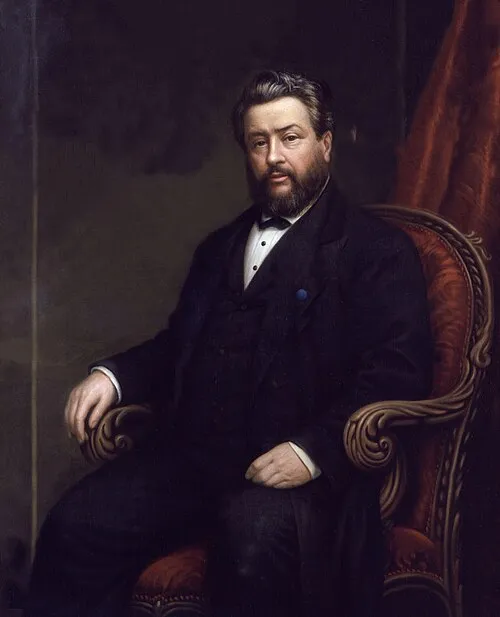
Cristo crucificado
Un sermón
(N.º 7-8)
Predicado el domingo por la mañana, 11 de febrero de 1855, por el
REV. C. H. SPURGEON
En Exeter Hall, Strand.
«Mas nosotros predicamos á Cristo crucificado, á los Judíos ciertamente tropezadero, y á los Gentiles locura; Empero á los llamados, así Judíos como Griegos, Cristo potencia de Dios, y sabiduría de Dios.»—1 Corintios 1:23-24.
¡Qué desprecio ha derramado Dios sobre la sabiduría de este mundo! ¡Cómo la ha reducido a la nada, y la ha hecho aparecer como nada! Le ha permitido desarrollar sus propias conclusiones, y demostrar su propia necedad. Los hombres se jactaban de que eran sabios; decían que podían descubrir a Dios a la perfección; y para que su necedad quedara refutada de una vez y para siempre, Dios les dio la oportunidad de hacerlo. Dijo: «Sabiduría mundana, te pondré a prueba. Dices que eres poderosa, que tu intelecto es vasto y comprensivo, que tu ojo es penetrante, y que puedes hallar todos los secretos; ahora, mira, te pongo a prueba; te doy un gran problema que resolver. Aquí está el universo; las estrellas forman su dosel, los campos y las flores lo adornan, y las corrientes ruedan sobre su superficie; mi nombre está escrito en él; las cosas invisibles de Dios pueden verse con claridad en las cosas que han sido hechas. Filosofía, te doy este problema: descúbreme. Aquí están mis obras: descúbreme. Descubre, en el mundo maravilloso que he hecho, la manera de adorarme de un modo aceptable. Te doy espacio suficiente para hacerlo: hay datos suficientes. Mira las nubes, la tierra y las estrellas. Te doy tiempo suficiente; te daré cuatro mil años, y no intervendré; pero harás de tu propio mundo lo que quieras. Te daré hombres de sobra; porque haré mentes grandes y vastas, a quienes llamarás señores de la tierra; tendrás oradores, tendrás filósofos. Descúbreme, oh razón; descúbreme, oh sabiduría; descúbreme, si puedes; descúbreme hasta la perfección; y si no puedes, entonces cierra tu boca para siempre, y entonces te enseñaré que la sabiduría de Dios es más sabia que la sabiduría del hombre; sí, que la necedad de Dios es más sabia que los hombres.» ¿Y cómo resolvió la sabiduría del hombre el problema? ¿Cómo ejecutó la sabiduría su hazaña? Miren a las naciones paganas; allí ven ustedes el resultado de las pesquisas de la sabiduría. En el tiempo de Jesucristo, habrían podido contemplar la tierra cubierta con el limo de la contaminación, una Sodoma en gran escala: corrupta, inmunda, depravada; entregada a vicios que no nos atrevemos a mencionar; revolcándose en una lujuria demasiado abominable aun para que nuestra imaginación se detenga en ella un momento. Hallamos a los hombres postrándose ante trozos de madera y de piedra, adorando a diez mil dioses más viciosos que ellos mismos. Hallamos, en efecto, que la razón escribió sus líneas con un dedo cubierto de sangre y de inmundicia, y que para siempre se excluyó de toda su gloria por las viles obras que hizo. No quiso adorar a Dios. No quiso inclinarse ante aquel que «claramente se ve», sino que adoró a cualquier criatura: el reptil que se arrastraba, la víbora; todo podía ser un dios; pero no, por cierto, el Dios del cielo. El vicio podía convertirse en ceremonia, el mayor crimen podía exaltarse hasta volverse religión; pero de la adoración verdadera ella no sabía nada. ¡Pobre razón! ¡Pobre sabiduría! ¡Cómo has caído del cielo! Como Lucifer —tú, hijo de la mañana—, estás perdida; has escrito tu conclusión, pero una conclusión de necedad consumada. «Porque por no haber el mundo conocido en la sabiduría de Dios á Dios por sabiduría, agradó á Dios salvar á los creyentes por la locura de la predicación.»
La sabiduría había tenido su tiempo, y tiempo de sobra; había hecho todo lo suyo, y eso era bien poco; había dejado el mundo peor de lo que estaba antes de poner el pie en él, y «ahora», dice Dios, «la necedad vencerá a la sabiduría; ahora la ignorancia, como ustedes la llaman, barrerá la ciencia; ahora la fe humilde, semejante a la de un niño, reducirá a polvo todos los sistemas colosales que las manos de ustedes han amontonado». Él llama a sus ejércitos. Cristo se lleva la trompeta a la boca, y suben los guerreros, vestidos con traje de pescadores, con el acento del lago de Galilea: pobres y humildes marineros. Aquí están los guerreros, oh sabiduría, que han de confundirte; estos son los héroes que vencerán a tus filósofos orgullosos; estos hombres han de plantar su estandarte sobre tus muros en ruinas, y ordenarles que caigan para siempre; estos hombres y sus sucesores han de exaltar en el mundo un evangelio del cual ustedes podrán reírse como de un absurdo, del cual podrán burlarse como de una necedad, pero que será exaltado por encima de los collados, y será glorioso hasta los cielos más altos. Desde aquel día, Dios ha levantado siempre sucesores de los apóstoles; no por descendencia lineal alguna, sino porque yo tengo el mismo rollo y la misma carta que cualquier apóstol, y estoy tan llamado a predicar el evangelio como el propio Pablo; si no igualmente acreditado por la conversión de pecadores, con todo, en alguna medida, bendecido por Dios; y, por tanto, aquí estoy, necio como pudo serlo Pablo, necio como Pedro, o como cualquiera de aquellos pescadores; pero aun así, con el poder de Dios empuño la espada de la verdad, y vengo aquí a «predicar á Cristo, y á éste crucificado, á los Judíos ciertamente tropezadero, y á los Gentiles locura; Empero á los llamados, así Judíos como Griegos, Cristo potencia de Dios, y sabiduría de Dios.»
Antes de entrar en nuestro texto, permítanme decirles muy brevemente qué creo yo que es predicar a Cristo, y a él crucificado. Amigos míos, no creo que sea predicar a Cristo, y a él crucificado, dar a la gente una tanda de filosofía cada domingo por la mañana y por la noche, y descuidar las verdades de este Libro Santo. No creo que sea predicar a Cristo, y a él crucificado, dejar fuera las principales doctrinas cardinales de la Palabra de Dios, y predicar una religión que es toda niebla y bruma, sin verdad definida alguna. Entiendo que aquel hombre no predica a Cristo, y a él crucificado, que puede acabar un sermón sin mencionar ni una sola vez el nombre de Cristo; ni predica a Cristo, y a él crucificado, aquel hombre que deja fuera la obra del Espíritu Santo, que nunca dice una palabra acerca del Espíritu Santo, de modo que los oyentes bien podrían decir: «Ni siquiera sabemos si hay Espíritu Santo.» Y tengo mi opinión personal: que no existe tal cosa como predicar a Cristo, y a él crucificado, a menos que se predique lo que hoy día se llama calvinismo. Tengo mis propias ideas, y siempre las expongo con franqueza. Llamarlo calvinismo es ponerle un apodo. El calvinismo es el evangelio, y nada más. No creo que podamos predicar el evangelio si no predicamos la justificación por la fe, sin obras; no, a menos que prediquemos la soberanía de Dios en su dispensación de la gracia; ni a menos que exaltemos el amor electivo, inalterable, eterno, inmutable y vencedor de Jehová; ni creo que podamos predicar el evangelio a menos que lo fundemos sobre la redención particular que Cristo hizo por su pueblo electo y escogido; ni puedo comprender un evangelio que deja a los santos caer después de haber sido llamados, y consiente que los hijos de Dios sean quemados en los fuegos de la condenación, después de haber creído. Tal evangelio lo aborrezco. El evangelio de la Biblia no es un evangelio así. Nosotros predicamos a Cristo, y a él crucificado, de otra manera, y a todos los contradictores les respondemos: «No hemos aprendido así á Cristo.»
Hay tres cosas en el texto: primero, un evangelio rechazado, «Cristo crucificado, á los Judíos ciertamente tropezadero, y á los Gentiles locura»; segundo, un evangelio triunfante, «á los llamados, así Judíos como Griegos»; y tercero, un evangelio admirado; es, para los que son llamados, «la potencia de Dios y la sabiduría de Dios.»
I. Primero, tenemos aquí UN EVANGELIO RECHAZADO. Uno habría imaginado que, cuando Dios envió su evangelio a los hombres, todos los hombres escucharían con mansedumbre y recibirían con humildad sus verdades. Habríamos pensado que a los ministros de Dios no les quedaba sino proclamar que la vida es sacada a la luz por el evangelio, y que Cristo ha venido para salvar a los pecadores, y que todo oído estaría atento, toda mirada estaría fija, y todo corazón estaría bien abierto para recibir la verdad. Habríamos dicho, juzgando con favor a nuestros semejantes, que no existiría en el mundo un monstruo tan vil, tan depravado, tan contaminado, como para poner siquiera una piedra en el camino del avance de la verdad; no habríamos podido concebir tal cosa; y sin embargo esa concepción es la verdad. Cuando el evangelio fue predicado, en lugar de ser aceptado y admirado, un silbido universal subió hasta el cielo; los hombres no podían soportarlo; a su primer predicador lo arrastraron hasta el borde del monte, y lo habrían precipitado de cabeza; sí, hicieron más: lo clavaron en la cruz, y allí lo dejaron languidecer hasta el fin su vida moribunda, en una agonía como ningún hombre ha soportado desde entonces. Todos sus ministros escogidos han sido odiados y aborrecidos por los mundanos; en lugar de ser escuchados, han sido escarnecidos; tratados como si fueran el desecho de todas las cosas, y la misma escoria de la humanidad. Miren a los santos varones de los tiempos antiguos, cómo fueron expulsados de ciudad en ciudad, perseguidos, afligidos, atormentados, apedreados hasta la muerte, dondequiera que el enemigo tuvo poder para hacerlo. Aquellos amigos de los hombres, aquellos verdaderos filántropos, que venían con corazones henchidos de amor, y manos llenas de misericordia, y labios preñados de fuego celestial, y almas que ardían con santa influencia; aquellos hombres fueron tratados como si fueran espías en el campamento, como si fueran desertores de la causa común de la humanidad; como si fueran enemigos, y no, como en verdad lo eran, los mejores de los amigos. No supongan, amigos míos, que a los hombres les agrada el evangelio más ahora que entonces. Hay una idea de que ustedes van mejorando. Yo no lo creo. Ustedes van empeorando. En muchos aspectos los hombres pueden ser mejores: mejores por fuera; el corazón de adentro sigue igual. El corazón humano de hoy, diseccionado, sería como el corazón humano de hace mil años; la hiel de amargura dentro de ese pecho de ustedes es exactamente tan amarga como la hiel de amargura en el de Simón, el de antaño. Tenemos en el corazón la misma oposición latente a la verdad de Dios; y de ahí que hallemos a hombres, lo mismo que antaño, que desprecian el evangelio.
Al hablar del evangelio rechazado, procuraré señalar las dos clases de personas que por igual desprecian la verdad. Los judíos la hacen tropezadero, y los griegos la tienen por locura. Ahora bien, estos dos caballeros muy respetables —el judío y el griego—, no voy a hacer de estos antiguos individuos el objeto de mi condenación, sino que los miro como miembros de un gran parlamento, representantes de una gran circunscripción, y procuraré mostrar que, si toda la raza de los judíos fuera exterminada, todavía habría en el mundo un gran número que respondería al nombre de judíos, para quienes Cristo es un tropezadero; y que, si Grecia fuera tragada por algún terremoto y dejara de ser nación, todavía quedaría el griego para quien el evangelio sería locura. Simplemente presentaré al judío y al griego, y los dejaré hablar un momento con ustedes, a fin de que vean a los caballeros que los representan; los hombres representativos; las personas que están en lugar de muchos de ustedes, que todavía no son llamados por la gracia divina.
El primero es un judío; para él el evangelio es tropezadero. Hombre respetable era el judío en su día; toda la religión formal se concentraba en su persona; subía al templo con mucha devoción; diezmaba todo cuanto tenía, hasta la menta y el comino. Lo verían ayunar dos veces por semana, con el rostro todo marcado de tristeza y de dolor. Si lo miraban, tenía la ley entre los ojos; allí estaba la filacteria, y las orlas de sus vestidos, de una anchura asombrosa, para que jamás se supusiera que era un perro gentil; para que nadie pudiera concebir jamás que no era un hebreo de pura descendencia. Tenía una ascendencia santa; venía de una familia piadosa; un hombre de veras bueno era él. No le gustaban nada aquellos saduceos, que no tenían religión. Era un hombre enteramente religioso; defendía su sinagoga; no admitía aquel templo del monte Gerizim; no podía soportar a los samaritanos; no tenía tratos con ellos; era un religionista de primer orden, un hombre de la especie más refinada; un ejemplar del hombre que es moralista, y que ama las ceremonias de la ley. Así pues, cuando oyó de Cristo, preguntó quién era Cristo. «El Hijo de un carpintero.» ¡Ah! «El hijo de un carpintero, y el nombre de su madre era María, y el nombre de su padre era José.» «Eso, de por sí, ya es presunción suficiente», dijo él; «prueba positiva, en realidad, de que no puede ser el Mesías.» ¿Y qué dice? Pues dice: «¡Ay de vosotros, escribas y Fariseos, hipócritas!» «Eso no sirve.» Además, dice: «No es por las obras de la carne que hombre alguno puede entrar en el reino de los cielos.» Al instante el judío ató un nudo doble en su filacteria; pensó que mandaría hacer las orlas de su vestido dos veces más anchas. ¡Él, inclinarse ante el Nazareno! No, no; y si siquiera un discípulo cruzaba la calle, tenía por contaminado el lugar, y no pisaba sus huellas. ¿Creen que entregaría la religión de su viejo padre, la religión que venía del monte Sinaí, aquella antigua religión que yacía en el arca y bajo los querubines que hacían sombra? ¡Entregar él eso! Él no. Un vil impostor: eso era todo cuanto Cristo era a sus ojos. Así lo pensaba. «Un tropezadero para mí; no puedo oír hablar de ello; no lo escucharé.» Así pues, hizo oídos sordos a toda la elocuencia del predicador, y no escuchó en absoluto. ¡Adiós, viejo judío! Duermes con tus padres, y tu generación es una raza errante, que todavía anda por la tierra. ¡Adiós! He acabado contigo. ¡Ay, pobre desdichado! Aquel Cristo, que fue tu tropezadero, será tu juez, y sobre tu cabeza caerá aquella maldición en alta voz: «Su sangre [sea] sobre nosotros, y sobre nuestros hijos.» Pero voy a descubrir al señor Judío aquí, en Exeter Hall: personas que responden a su descripción, para quienes Jesucristo es un tropezadero. Permítanme presentarlos a ustedes mismos, a algunos de ustedes. Tú también venías de una familia piadosa, ¿no es cierto? Sí. Y tienes una religión que amas; la amas en cuanto a lo que es su crisálida: lo de fuera, la cubierta, la cáscara. No consentirías que se alterara una sola rúbrica del culto, ni que se derribara uno de esos queridos arcos antiguos, ni que se quitaran los vitrales, por nada del mundo; y a cualquier hombre que dijera una palabra contra tales cosas, lo señalarías al instante como hereje. O quizá no acudes a un lugar de culto así, sino que amas alguna antigua y sencilla casa de reunión, donde adoraban tus antepasados, llamada capilla disidente. ¡Ah! Es un hermoso lugar sencillo; lo amas, amas sus ordenanzas, amas su exterior; y si alguien hablara contra el lugar, ¡cuánto te molestaría! Crees que lo que allí hacen, deberían hacerlo en todas partes; de hecho, tu iglesia es una iglesia modelo; el lugar adonde vas es exactamente la clase de lugar para todo el mundo; y si yo te preguntara por qué esperas ir al cielo, quizá dirías: «Porque soy bautista», o «Porque soy episcopal», o cualquiera otra secta a la que pertenezcas. Ahí estás tú mismo; yo sé que Jesucristo será para ti un tropezadero. Si vengo y te digo que todo tu ir a la casa de Dios no sirve para nada; si te digo que todas aquellas muchas veces que has estado cantando y orando, todas pasan por nada a la vista de Dios, porque eres un hipócrita y un formalista. Si te digo que tu corazón no está bien con Dios, y que, a menos que lo esté, todo lo exterior no sirve para nada, sé lo que dirás: «No volveré a oír a ese joven.» Es un tropezadero. Si hubieras entrado en cualquier parte donde hubieras oído exaltar el formalismo; si te hubieran dicho: «esto debes hacer, y esto otro debes hacer, y entonces serás salvo», lo aprobarías mucho. Pero ¡cuántos hay, exteriormente religiosos, en cuyo carácter no podrías hallar falta, pero que nunca han tenido la influencia regeneradora del Espíritu Santo; que nunca fueron puestos a yacer postrados sobre el rostro ante la cruz del Calvario; que nunca dirigieron una mirada anhelante a aquel Salvador crucificado; que nunca pusieron su confianza en aquel que fue muerto por los hijos de los hombres! Aman una religión superficial, pero cuando un hombre habla más hondo que eso, lo dan por gazmoñería. Puedes amar todo lo que hay de exterior en la religión, así como puedes amar a un hombre por su ropa, sin que te importe nada el hombre mismo. Si es así, sé que eres de aquellos que rechazan el evangelio. Me oirás predicar; y mientras hable de lo exterior, me oirás con atención; mientras defienda la moralidad, y arguya contra la embriaguez, o muestre lo atroz de profanar el día de reposo; pero si una vez digo: «si no os volviereis, y fuereis como niños, de ningún modo podéis entrar en el reino de Dios»; si una vez te digo que has de ser elegido de Dios; que has de ser comprado con la sangre del Salvador; que has de ser convertido por el Espíritu Santo, dices: «¡Es un fanático! ¡Fuera con él, fuera con él! ¡No queremos oír eso más!» Cristo crucificado es, para el judío —el ceremonialista—, un tropezadero.
Pero hay otro ejemplar de este judío que hallar. Es enteramente ortodoxo en sus sentimientos. En cuanto a formas y ceremonias, no piensa nada de ellas. Va a un lugar de culto donde aprende doctrina sana. No oirá sino lo que es verdadero. Le gusta que tengamos buenas obras y moralidad. Es un buen hombre, y nadie puede hallarle falta. Aquí lo tienen, puntual en su banco del domingo. En el mercado anda delante de los hombres con toda honradez: así lo imaginarías. Pregúntale acerca de cualquier doctrina, y puede darte una disquisición sobre ella. De hecho, podría escribir un tratado sobre cualquier cosa de la Biblia, y sobre muchísimas cosas además. Sabe casi todo; y aquí, arriba, en este oscuro desván de la cabeza, su religión ha fijado su morada; tiene abajo, en el corazón, la mejor sala, pero su religión nunca va allí: aquello le está cerrado. Allí dentro tiene dinero: Mammón, mundanalidad; o tiene otra cosa: amor propio, orgullo. Quizá le guste oír la predicación de la experiencia; la admira toda; de hecho, ama cualquier cosa que sea sana. Pero luego, no hay nada sano en él mismo; o, más bien, todo es sonido y no hay sustancia. Le gusta oír la doctrina verdadera; pero nunca penetra en su hombre interior. Nunca lo ves llorar. Prédicale de Cristo crucificado, tema glorioso, y nunca ves rodar una lágrima por su mejilla; háblale de la poderosa influencia del Espíritu Santo: te admira por ello, pero nunca tuvo sobre su alma la mano del Espíritu Santo; háblale de la comunión con Dios, de zambullirse en el mar más hondo de la Deidad y perderse en su inmensidad: al hombre le encanta oír, pero nunca lo experimenta; nunca ha tenido comunión con Cristo; y así, cuando empiezas de veras a dar en lo vivo; cuando lo tiendes sobre la mesa, sacas el cuchillo de disección, empiezas a cortarlo y le muestras su propio corazón, le dejas ver lo que es por naturaleza y lo que ha de llegar a ser por gracia: el hombre se sobresalta, no puede soportar eso; no quiere nada de eso: a Cristo recibido en el corazón, y aceptado. Por más que lo ame bastante en la cabeza, para él es un tropezadero, y lo arroja lejos. ¿Se ven aquí, amigos míos? ¿Se ven como los ve Dios? Porque así es: aquí hay muchos para quienes Cristo es ahora tan tropezadero como lo fue siempre. ¡Oh, formalistas! Les hablo; ¡oh, ustedes, que tienen la cáscara de la nuez, pero aborrecen el meollo; oh, ustedes, que gustan de los adornos y del vestido, pero nada les importa aquella hermosa virgen que va vestida con ellos; oh, ustedes, que gustan de la pintura y del oropel, pero aborrecen el oro macizo! Les hablo; les pregunto: ¿les da su religión un consuelo sólido? ¿Pueden, con ella, mirar a la muerte cara a cara, y decir: «Yo sé que mi Redentor vive»? ¿Pueden cerrar los ojos por la noche, cantando como canto de vísperas?—
«Yo hasta el fin he de perseverar, tan cierto como que las arras son dadas»
¿Pueden bendecir a Dios por la aflicción? ¿Pueden lanzarse, así equipados como están, y nadar a través de todas las avenidas de la prueba? ¿Pueden marchar triunfantes por el foso de los leones, reírse de la aflicción y desafiar al infierno? ¿Pueden? ¡No! El evangelio de ustedes es cosa afeminada: cosa de palabras y de sonidos, y no de poder. Arrójenlo lejos de ustedes, se lo ruego; no vale la pena guardarlo; y cuando comparezcan ante el trono de Dios, hallarán que les fallará, y que les fallará de tal modo que nunca hallarán otro; porque, perdidos, arruinados, destruidos, hallarán que Cristo, que ahora es «un tropezadero», será el Juez de ustedes.
Ya he descubierto al judío, y ahora me toca descubrir al griego. Es una persona de exterior muy distinto del judío. En cuanto a la filacteria, para él todo eso es basura; y en cuanto al vestido de ancha orla, lo desprecia. No le importan las formas de la religión; tiene, en realidad, una aversión intensa a los sombreros de ala ancha, o a todo lo que parezca ostentación exterior. Le gusta la elocuencia; admira un dicho agudo; ama una expresión pintoresca; le gusta leer el último libro nuevo; es un griego, y para él el evangelio es locura. El griego es un caballero que se halla en todas partes, hoy en día; fabricado a veces en los colegios, hecho de continuo en las escuelas, producido en todas partes. Está en la bolsa, en el mercado; tiene una tienda, anda en carruaje; es noble, un caballero; está en todas partes, hasta en la corte. Es cabalmente sabio. Pregúntale lo que sea, y lo sabe. Pídele una cita de cualquiera de los poetas antiguos, o de cualquier otro, y puede dártela. Si eres musulmán, y defiendes los títulos de tu religión, te oirá con mucha paciencia. Pero si eres cristiano, y le hablas de Jesucristo, «Basta de gazmoñería», dice, «no quiero oír nada de eso.» Este caballero griego cree toda filosofía excepto la verdadera; estudia toda sabiduría excepto la sabiduría de Dios; le gusta todo saber excepto el saber espiritual; ama todo excepto aquello que Dios aprueba; le gusta todo lo que hace el hombre, y nada de lo que viene de Dios; para él es locura, locura rematada. No tienes más que discurrir acerca de una sola doctrina de la Biblia, y cierra los oídos; ya no quiere tu compañía: es locura. Me he topado con este caballero muchísimas veces. Una vez, cuando lo vi, me dijo que no creía en religión alguna; y cuando le dije que yo sí creía, y que tenía la esperanza de que al morir iría al cielo, dijo que bien podía ser muy cómodo, pero que él no creía en la religión, y que estaba seguro de que lo mejor era vivir como dictara la naturaleza. Otra vez habló bien de todas las religiones, y creía que eran muy buenas en su lugar, y todas verdaderas; y no dudaba de que, si un hombre era sincero en cualquier clase de religión, al fin le iría bien. Le dije que yo no pensaba así, y que creía que no había sino una religión revelada por Dios: la religión de los electos de Dios, la religión que es don de Jesús. Entonces dijo que yo era un fanático, y me deseó buenos días. Para él era locura. No quería saber nada de mí. O no le gustaba religión alguna, o le gustaban todas. Otra vez lo tomé del botón del abrigo, y discutí un poco con él acerca de la fe. Dijo: «Todo eso está muy bien; creo que esa es la verdadera doctrina protestante.» Pero enseguida dije algo sobre la elección, y él dijo: «Eso no me gusta; mucha gente lo ha predicado y le ha sacado mal partido.» Entonces insinué algo acerca de la gracia gratuita; pero eso no lo podía sufrir: para él era locura. Era un griego pulido, y pensaba que, si él no era escogido, debía serlo. Nunca le gustó aquel pasaje: «lo necio del mundo escogió Dios, para avergonzar á los sabios, y lo que no es, para deshacer lo que es.» Le parecía que desacreditaba mucho a la Biblia, y que, cuando el libro fuera revisado, no había duda de que se lo suprimiría. A un hombre así —porque está aquí esta mañana, venido muy probablemente a oír esta caña meneada del viento— tengo que decirle esto: ¡Ah, hombre sabio, lleno de sabiduría mundana! Tu sabiduría te valdrá aquí, pero ¿qué harás en las hinchazones del Jordán? La filosofía puede servirte bien para apoyarte en ella mientras andas por este mundo; pero el río es hondo, y vas a necesitar algo más que eso. Si no tienes el brazo del Altísimo que te sostenga en la inundación y te aliente con promesas, te hundirás, hombre; con toda tu filosofía, te hundirás; con todo tu saber, te hundirás, y serás arrastrado a ese océano espantoso de tormento eterno, donde estarás para siempre. ¡Ah, griegos! Puede que para ustedes sea locura, pero verán al hombre, juez de ustedes, y entonces lamentarán el día en que alguna vez dijeron que el evangelio de Dios era locura.
II. Habiendo hablado hasta aquí del evangelio rechazado, hablaré ahora brevemente del EVANGELIO TRIUNFANTE. «A nosotros que somos llamados, tanto judíos como griegos, es la potencia de Dios y la sabiduría de Dios.» Aquel hombre rechaza el evangelio, desprecia la gracia y se ríe de ella como de un engaño. Aquí hay otro hombre que también se rió de ella; pero Dios lo hará caer de rodillas. Cristo no morirá para nada. El Espíritu Santo no contenderá en vano. Dios ha dicho: «Mi palabra no volverá á mí vacía, antes hará lo que yo quiero, y será prosperada en aquello para que la envié.» «Del trabajo de su alma verá [y] será saciado.» Si un pecador no es salvo, otro lo será. El judío y el griego nunca despoblarán el cielo. Los coros de la gloria no perderán un solo cantor por toda la oposición de judíos y de griegos; porque Dios lo ha dicho; algunos serán llamados; algunos serán salvos; algunos serán rescatados.
«Perezca la virtud, como debe, aborrecida, y con ella el necio que insulta a su Señor. La expiación que el amor del Redentor ha obrado no es para ti: el justo no la necesita. Mira a aquella ramera que corteja a cuantos halla, desgastada molestia de las calles públicas, ella misma, de la mañana a la noche, de la noche a la mañana, su propio horror, y otro tanto tu desprecio: el aguacero de la gracia, ilimitado y libre, caerá sobre ella, cuando el cielo a ti te lo niegue. De cuanto la sabiduría dicta, este es el sentido: que el hombre está muerto en pecado, y la vida es un don.»
Si los justos y los buenos no son salvos, si rechazan el evangelio, hay otros que han de ser llamados, otros que serán rescatados; porque Cristo no perderá los méritos de sus agonías, ni la compra de su sangre.
«A nosotros que somos llamados.» Esta semana recibí una nota en la que me pedían que explicara esa palabra «llamados»; porque en un pasaje dice: «muchos son llamados, y pocos escogidos», mientras que en otro parece que todos los que son llamados han de ser escogidos. Ahora bien, observen que hay dos llamamientos. Como dice mi viejo amigo John Bunyan, la gallina tiene dos llamados: el cloqueo común, que da cada día y cada hora, y el especial, que destina a sus polluelos. Así hay un llamamiento general, un llamamiento hecho a todo hombre; todo hombre lo oye. Muchos son llamados por él; todos ustedes son llamados esta mañana en ese sentido, pero muy pocos son escogidos. El otro es un llamamiento especial, el llamamiento de los hijos. Saben cómo suena la campana sobre el taller, para llamar a los hombres al trabajo: ese es un llamamiento general. Un padre va a la puerta y llama: «Juan, es hora de comer»: ese es el llamamiento especial. Muchos son llamados con el llamamiento general, pero no son escogidos; el llamamiento especial es solo para los hijos, y eso es lo que se quiere decir en el texto: «A nosotros que somos llamados, tanto judíos como griegos, la potencia de Dios y la sabiduría de Dios.» Ese llamamiento es siempre especial. Mientras estoy aquí de pie y llamo a los hombres, nadie viene; mientras predico universalmente a los pecadores, no se hace bien alguno; es como el relámpago de calor que a veces se ve en la tarde de verano, hermoso, grandioso; pero ¿quién ha oído jamás que algo fuera herido por él? Pero el llamamiento especial es el rayo hendido que baja del cielo; hiere en alguna parte; es la saeta enviada por entre las junturas de la armadura. El llamamiento que salva es como el de Jesús, cuando dijo «María», y ella le dijo «Rabboni». ¿Sabes algo de ese llamamiento especial, amado mío? ¿Te llamó Jesús alguna vez por tu nombre? ¿Puedes recordar la hora en que te susurró tu nombre al oído, cuando dijo: «Ven a mí»? Si es así, concederás la verdad de lo que voy a decir ahora acerca de él: que es un llamamiento eficaz; no hay cómo resistirlo. Cuando Dios llama con su llamamiento especial, no hay modo de mantenerse fuera. ¡Ah!, yo sé que me reía de la religión; la despreciaba, la aborrecía; ¡pero aquel llamamiento! Oh, yo no quería venir. Pero Dios dijo: «Tú vendrás. Todo lo que el Padre me da, vendrá á mí.» «Señor, no quiero.» «Pero tú vendrás», dijo Dios. Y he subido a la casa de Dios a veces casi resuelto a no escuchar, pero escuchar, tenía que escuchar. ¡Oh, cómo entró la palabra en mi alma! ¿Había algún poder de resistencia? No; fui derribado; cada hueso parecía quebrado; fui salvo por la gracia eficaz. Apelo a la experiencia de ustedes, amigos míos. Cuando Dios los tomó entre manos, ¿pudieron resistirle? Se opusieron a su ministro veces de sobra. El achaque no los derrumbó; la enfermedad no los llevó a los pies de Dios; la elocuencia no los convenció; pero cuando Dios pone la mano en la obra, ¡ah!, entonces sí que hay cambio. Como Saulo, que con sus caballos iba a Damasco, aquella voz del cielo dijo: «Yo soy Jesús á quien tú persigues.» «Saulo, Saulo, ¿por qué me persigues?» Entonces ya no hubo cómo seguir adelante. Aquello fue un llamamiento eficaz. Semejante, otra vez, al que Jesús dio a Zaqueo, cuando estaba arriba en el árbol; poniéndose debajo del árbol, dijo: «Zaqueo, desciende; hoy es necesario que pose en tu casa.» Zaqueo quedó preso en la red; oyó su propio nombre; el llamamiento se le hundió en el alma; no pudo quedarse arriba en el árbol, porque un impulso todopoderoso lo atrajo hacia abajo. Y podría contarles algunos casos singulares de personas que iban a la casa de Dios y oían describir su carácter, trazado a la perfección, de modo que han dicho: «Me está pintando, me está pintando.» Así como podría decirle a aquel joven de aquí, que ayer robó los guantes de su amo, que Jesús lo llama al arrepentimiento. Puede ser que haya aquí tal persona; y cuando el llamamiento llega a un carácter peculiar, por lo general llega con un poder especial. Dios da a sus ministros un pincel, y les muestra cómo usarlo para pintar retratos al natural, y así el pecador oye el llamamiento especial. Yo no puedo dar el llamamiento especial; solo Dios puede darlo, y lo dejo en sus manos. Algunos han de ser llamados. Podrán reírse el judío y el griego, pero con todo hay algunos que son llamados, tanto judíos como griegos.
Luego, para cerrar este segundo punto, es una gran misericordia que a más de un judío se le haya hecho soltar su propia justicia; que a más de un legalista se le haya hecho soltar su legalismo, y venir a Cristo; y que más de un griego haya inclinado su genio ante el trono del evangelio de Dios. Tenemos unos pocos así. Como dice Cowper:
«Nos preciamos de algunos ricos a quienes el evangelio domina, y de uno que lleva coroneta, y ora; como rebuscos de un olivo se muestran, uno aquí y otro allá, en la rama más alta.»
III. Llegamos ahora a nuestro tercer punto, UN EVANGELIO ADMIRADO; para nosotros, que somos llamados de Dios, es la potencia de Dios y la sabiduría de Dios. Ahora bien, amados, esto ha de ser cosa de pura experiencia entre las almas de ustedes y Dios. Si son llamados de Dios esta mañana, lo sabrán. Yo sé que hay veces en que un cristiano tiene que decir:
«Es un punto que anhelo saber, y a menudo me causa ansioso pensar: ¿amo al Señor, o no? ¿soy suyo, o no lo soy?»
Pero si un hombre nunca en su vida se conoció cristiano, nunca fue cristiano. Si nunca tuvo un momento de confianza, en que pudiera decir: «yo sé á quien he creído», creo que no digo cosa dura al afirmar que ese hombre no puede haber nacido de nuevo; porque no entiendo cómo un hombre puede ser muerto y luego vuelto a vivir, y no saberlo; cómo un hombre puede pasar de muerte a vida, y no saberlo; cómo un hombre puede ser sacado de las tinieblas a una libertad maravillosa sin saberlo. Yo de cierto lo sé, cuando grito mi vieja estrofa:
«Ya libre del pecado, ando en libertad; la sangre de mi Salvador es mi pleno descargo; a sus amados pies, contento, me postro, pecador salvo, y le rindo homenaje.»
Hay momentos en que los ojos brillan de gozo y podemos decir: «Estamos persuadidos, confiados, ciertos.» No deseo angustiar a nadie que esté bajo la duda. A menudo prevalecerán dudas sombrías; hay temporadas en que temes no haber sido llamado, en que dudas de tu parte en Cristo. ¡Ah! ¡Qué misericordia que no es tu asimiento de Cristo lo que te salva, sino el asimiento de él sobre ti! ¡Qué dulce verdad, que no es el modo en que tú agarras su mano, sino el modo en que él agarra la tuya, lo que te salva! Con todo, pienso que alguna vez debes saber si eres llamado de Dios. Si es así, me seguirás en la parte siguiente de mi discurso, que es cosa de pura experiencia; para nosotros, que somos salvos, es «Cristo potencia de Dios, y sabiduría de Dios.»
El evangelio es, para el verdadero creyente, cosa de poder. Es Cristo, la potencia de Dios. Sí, hay en el evangelio de Dios un poder que supera toda descripción. Una vez, yo, como Mazeppa, atado sobre el caballo salvaje de mi concupiscencia, atado de pies y manos, incapaz de resistir, iba galopando, con los lobos del infierno detrás de mí, aullando por mi cuerpo y por mi alma, como presa suya justa y legítima. Vino una mano poderosa, que detuvo aquel caballo salvaje, cortó mis ataduras, me puso en tierra y me trajo a la libertad. ¿Hay poder, señor? Sí, hay poder, y quien lo ha sentido tiene que reconocerlo. Hubo un tiempo en que yo vivía en el fuerte y viejo castillo de mis pecados, y descansaba en mis obras. Vino un trompeta a la puerta, y me mandó abrirla. Con ira lo eché del pórtico, reprendiéndolo, y dije que jamás entraría. Vino un personaje hermoso, de rostro amoroso; las manos las tenía marcadas de cicatrices, donde habían entrado los clavos, y los pies tenían también señales de clavos; alzó su cruz, y la usó como martillo; al primer golpe, la puerta de mi prejuicio se sacudió; al segundo, tembló más; al tercero, cayó por tierra, y él entró; y dijo: «Levántate, y ponte sobre tus pies, porque con amor eterno te he amado.» ¡Cosa de poder! ¡Ah, es cosa de poder! Lo he sentido aquí, en este corazón; tengo dentro el testimonio del Espíritu, y sé que es cosa de fuerza, porque me ha vencido; me ha doblegado.
«Solo su gracia gratuita, de principio a fin, ha ganado mi afecto y mi alma ha retenido firme.»
El evangelio, para el cristiano, es cosa de poder. ¿Qué es lo que hace que el joven se consagre como misionero a la causa de Dios, que deje padre y madre, y se vaya a tierras lejanas? Es cosa de poder la que lo hace: es el evangelio. ¿Qué es lo que constriñe a aquel ministro, en medio del cólera, a subir por aquella escalera que cruje, y a ponerse junto al lecho de alguna criatura moribunda que tiene esa enfermedad funesta? Ha de ser cosa de poder lo que lo lleva a arriesgar la vida; es el amor a la cruz de Cristo el que le manda hacerlo. ¿Qué es aquello que capacita a un hombre para ponerse en pie ante una multitud de sus semejantes, sin preparación alguna quizá, pero resuelto a no hablar sino de Cristo, y de él crucificado? ¿Qué es lo que lo capacita para gritar, como el caballo de guerra de Job en la batalla, ¡Ea!, y avanzar glorioso en poder? Es cosa de poder la que lo hace: es Cristo crucificado. ¿Y qué envalentona a aquella mujer tímida para recorrer aquel callejón oscuro en la tarde de lluvia, a fin de ir a sentarse junto a la víctima de una fiebre contagiosa? ¿Qué la fortalece para atravesar aquella guarida de ladrones, y pasar junto al disoluto y al profano? ¿Qué la mueve a entrar en aquel osario de la muerte, y sentarse allí, y susurrar palabras de consuelo? ¿La hace hacerlo el oro? Son demasiado pobres para darle oro. ¿La hace hacerlo la fama? Nunca será conocida, ni escrita entre las mujeres poderosas de esta tierra. ¿Qué la hace hacerlo? ¿Es amor al mérito? No; ella sabe que no tiene merecimiento alguno ante el alto cielo. ¿Qué la impele a ello? Es el poder del evangelio en su corazón; es la cruz de Cristo; la ama, y por eso dice:
«Si todo el reino de la naturaleza fuera mío, ese presente sería demasiado pequeño; un amor tan asombroso, tan divino, exige mi alma, mi vida, mi todo.»
Pero contemplo otra escena. Un mártir va hacia el poste; los alabarderos lo rodean; las muchedumbres se burlan, pero él marcha firme, adelante. Miren: lo atan, con una cadena en torno a la cintura, al poste; amontonan haces de leña todo en derredor; se enciende la llama; oigan sus palabras: «Bendice, alma mía, á Jehová; y [bendigan] todas mis entrañas su santo nombre.» Las llamas prenden en torno a sus piernas; el fuego lo quema hasta el hueso; mírenlo alzar las manos y decir: «Yo sé que mi Redentor vive, y aunque el fuego devore este cuerpo, con todo, en mi carne he de ver al Señor.» Mírenlo aferrar el poste y besarlo, como si lo amara, y óiganlo decir: «Por cada cadena de hierro con que el hombre me ciña, Dios me dará una cadena de oro; por todos estos haces de leña, y por este oprobio y esta vergüenza, él aumentará el peso de mi gloria eterna.» Miren: todas las partes bajas de su cuerpo están consumidas; todavía vive en el tormento; al fin se inclina, y la parte superior del cuerpo se le viene abajo; y al caer se le oye decir: «En tus manos encomiendo mi espíritu.» ¿Qué magia portentosa había sobre él, señores? ¿Qué hizo fuerte a aquel hombre? ¿Qué lo ayudó a soportar aquella crueldad? ¿Qué lo hizo permanecer inconmovible entre las llamas? Fue la cosa de poder; fue la cruz de Jesús crucificado. Porque «para nosotros que somos salvos, es la potencia de Dios.»
Pero miren otra escena, muy distinta. Allí no hay muchedumbre; es un cuarto silencioso. Hay un pobre jergón, un lecho solitario; un médico de pie al lado. Hay una joven: el rostro lo tiene emblanquecido por la tisis; hace mucho que el gusano le come la mejilla, y aunque a veces venía el rubor, era el rubor de la muerte, el de la tisis engañosa. Allí yace, débil, pálida, macilenta, consumida, moribunda; y con todo, miren una sonrisa en su rostro, como si hubiera visto un ángel. Habla, y hay música en su voz. La Juana de Arco de antaño no era ni la mitad de poderosa que aquella joven. Está luchando con dragones en su lecho de muerte; pero vean su serenidad, y oigan el soneto con que muere:
«Jesús, amante de mi alma, déjame volar a tu seno, mientras ruedan las aguas más cercanas, mientras la tempestad sigue en su altura. Escóndeme, oh Salvador mío, escóndeme, hasta que pase la tormenta de la vida; guíame a salvo hasta el puerto, ¡oh, recibe mi alma al fin!»
Y con una sonrisa cierra los ojos a la tierra, y los abre en el cielo. ¿Qué la capacita para morir así? Es la cosa de poder; es la cruz; es Jesús crucificado.
Poco tiempo me queda para discurrir sobre el otro punto, y lejos esté de mí cansarlos con un sermón largo y prosaico, pero hemos de echar una mirada a la otra afirmación: Cristo es, para los llamados, la sabiduría de Dios tanto como la potencia de Dios. Para un creyente, el evangelio es la perfección de la sabiduría, y si no les parece así a los impíos, es por la perversión del juicio consiguiente a su depravación.
Hace mucho que una idea posee el ánimo del público: que un hombre religioso difícilmente puede ser un hombre sabio. Ha sido costumbre hablar de los incrédulos, de los ateos y de los deístas como de hombres de pensamiento profundo y de intelecto comprensivo; y temblar por el controversista cristiano, como si de cierto hubiera de caer por mano de su enemigo. Pero esto es puro error; porque el evangelio es la suma de la sabiduría; un epítome del conocimiento; una cámara del tesoro de la verdad; y una revelación de secretos misteriosos. En él vemos cómo pueden desposarse la justicia y la misericordia; aquí contemplamos la ley inexorable enteramente satisfecha, y el amor soberano que se lleva al pecador en triunfo. Meditar en él ensancha la mente; y conforme se abre a nuestra alma en destellos sucesivos de gloria, quedamos asombrados ante la sabiduría profunda que en él se manifiesta. ¡Ah, queridos amigos! Si buscan sabiduría, la verán desplegada en toda su grandeza; no en el equilibrio de las nubes, ni en la firmeza de los cimientos de la tierra; no en la marcha medida de los ejércitos del cielo, ni en los movimientos perpetuos de las olas del mar; no en la vegetación, con todas sus formas feéricas de hermosura; ni en el animal, con su tejido maravilloso de nervio, y vena, y tendón; ni siquiera en el hombre, aquella obra última y más excelsa del Creador. ¡Pero apártense, y vean esta gran visión!: un Dios encarnado sobre la cruz; un sustituto que expía la culpa mortal; un sacrificio que satisface la venganza del Cielo, y libra al pecador rebelde. Aquí está la sabiduría esencial; entronizada, coronada, glorificada. Admiren, hombres de la tierra, si no están ciegos; y ustedes, que se glorían en su saber, inclinen la cabeza con reverencia, y confiesen que toda su destreza no habría podido idear un evangelio a un tiempo tan justo para con Dios y tan seguro para el hombre.
Acuérdense, amigos míos, de que, si bien el evangelio es en sí mismo sabiduría, también confiere sabiduría a quienes lo estudian; ella enseña a los jóvenes sabiduría y discreción, y da entendimiento a los simples. Un hombre que es admirador creyente y amante de corazón de la verdad tal como es en Jesús, está en el lugar debido para seguir con provecho cualquier otro ramo de la ciencia. Confieso que ahora tengo en la cabeza un estante para cada cosa. Cuanto leo, sé dónde ponerlo; cuanto aprendo, sé dónde guardarlo. Antes, cuando leía libros, juntaba todo mi conocimiento en una confusión gloriosa; pero desde que he conocido a Cristo, he puesto a Cristo en el centro, como mi sol, y cada ciencia gira en torno a él como un planeta, mientras las ciencias menores son satélites de estos planetas. Cristo es para mí la sabiduría de Dios. Ahora puedo aprenderlo todo. La ciencia de Cristo crucificado es la más excelente de las ciencias; ella es para mí la sabiduría de Dios. ¡Oh, joven, edifica tu estudio sobre el Calvario! Levanta allí tu observatorio, y escudriña por la fe las cosas altas de la naturaleza. Tómate una celda de ermitaño en el huerto de Getsemaní, y lava tu frente con las aguas de Siloé. Sea la Biblia tu obra clásica de referencia, tu última apelación en materias de contienda. Sea su luz tu iluminación, y llegarás a ser más sabio que Platón, más verdaderamente docto que los siete sabios de la antigüedad.
Y ahora, mis queridos amigos, solemne y encarecidamente, como a la vista de Dios, apelo a ustedes. Están reunidos aquí esta mañana, lo sé, por motivos distintos; algunos de ustedes han venido por curiosidad; otros son mis oyentes de siempre; unos han venido de un lugar y otros de otro. ¿Qué me han oído decir esta mañana? Les he hablado de dos clases de personas que rechazan a Cristo: el religionista, que tiene una religión de forma y nada más; y el hombre del mundo, que llama locura a nuestro evangelio. Ahora, ponte la mano sobre el corazón, y pregúntate esta mañana: «¿Soy yo uno de estos?» Si lo eres, anda entonces por la tierra con todo tu orgullo; vete como entraste; pero sabe que, con todo esto, el Señor te traerá a juicio; sabe tú que tus gozos y tus deleites se desvanecerán como un sueño, «y, como la fábrica sin cimiento de una visión», serán barridos para siempre. Sabe además esto, oh hombre: que un día, en los salones de Satanás, abajo en el infierno, quizá yo te vea entre aquella miríada de espíritus que giran para siempre en un círculo perpetuo, con las manos sobre el corazón. Si tu mano fuera transparente, y tu carne transparente, miraré a través de tu mano y de tu carne, y veré dentro tu corazón. ¿Y cómo lo veré? Metido en un estuche de fuego: ¡en un estuche de fuego! Y allí girarás para siempre, con el gusano que roe dentro de tu corazón, el cual nunca morirá: un estuche de fuego en torno a tu corazón, que nunca muere y siempre es torturado. ¡Dios bueno! No dejes que estos hombres sigan rechazando y despreciando a Cristo; sino que este sea el tiempo en que sean llamados.
A los demás de ustedes, que son llamados, no necesito decirles nada. Cuanto más vivan, tanto más poderoso hallarán que es el evangelio; cuanto más profundamente los enseñe Cristo, cuanto más vivan bajo la influencia constante del Espíritu Santo, tanto más conocerán que el evangelio es cosa de poder, y tanto más también entenderán que es cosa de sabiduría. ¡Que toda bendición repose sobre ustedes; y que Dios venga con nosotros esta tarde!
«Caven hombres o ángeles las minas donde brilla el tesoro de oro de la naturaleza; traídos cerca de la doctrina de la cruz, todo el oro de la naturaleza parece escoria. Si viles blasfemos, con desdén, dan por vanas las verdades de Jesús, haremos frente al escándalo y a la afrenta, y cantaremos y triunfaremos en su nombre.»
Ver el original (inglés)
Original en inglés
Christ Crucified
A Sermon
(No. 7-8)
Delivered on Sabbath Morning, February 11, 1855, by the
REV. C.H. SPURGEON
At Exeter Hall, Strand.
“But we preach Christ crucified, unto the Jews a stumblingblock, and unto the Greeks foolishness; but unto them which are called, both Jews and Greeks, Christ the power of God, and the wisdom of God.”—1 Corinthians 1:23-24.
What contempt hath God poured upon the wisdom of this world! How hath he brought it to nought, and made it appear as nothing. He has allowed it to word out its own conclusions, and prove its own folly. Men boasted that they were wise; they said that they could find out God to perfection; and in order that their folly might be refuted once and forever, God gave them the opportunity of so doing. He said, “Worldly wisdom, I will try thee. Thou sayest that thou art mighty, that thine intellect is vast and comprehensive, that thine eye is keen, and thou canst find all secrets; now, behold, I try thee; I give thee one great problem to solve. Here is the universe; stars make its canopy, fields and flowers adorn it, and the floods roll o’er its surface; my name is written therein; the invisible things of God may be clearly seen in the things which are made. Philosophy, I give thee this problem—find me out. Here are my works—find me out. Discover in the wondrous world which I have made, the way to worship me acceptably. I give thee space enough to do it—there are data enough. Behold the clouds, the earth, and the stars. I give thee time enough; I will give thee four thousand years, and I will not interfere; but thou shalt do as thou wilt with thine own world. I will give thee men enough; for I will make great minds and vast, whom thou shalt call lords of earth; thou shalt have orators, thou shalt have philosophers. Find me out, O reason; find me out, O wisdom; find me out, if thou canst; find me out unto perfection; and if thou canst not, then shut thy mouth forever, and then will I teach thee that the wisdom of God is wiser than the wisdom of man; yea, that the foolishness of God is wiser than men.” And how did the wisdom of man work out the problem? How did wisdom perform her feat? Look upon the heathen nations; there you see the result of wisdom’s researches. In the time of Jesus Christ, you might have beheld the earth covered with the slime of pollution, a Sodom on a large scale—corrupt, filthy, depraved; indulging in vices which we dare not mention; revelling in lust too abominable even for our imagination to dwell upon for a moment. We find the men prostrating themselves before blocks of wood and stone, adoring ten thousand gods more vicious than themselves. We find, in fact, that reason wrote out her lines with a finger covered with blood and filth, and that she forever cut herself out from all her glory by the vile deeds she did. She would not worship God. She would not bow down to him who is “clearly seen,” but she worshipped any creature—the reptile that crawled, the viper— everything might be a god; but not, forsooth, the God of heaven. Vice might be made into a ceremony, the greatest crime might be exalted into a religion; but true worship she knew nothing of. Poor reason! poor wisdom! how art thou fallen from heaven; like Lucifer—thou son of the morning—thou art lost; thou hast written out thy conclusion, but a conclusion of consummate folly. “After that in the wisdom of God, the world by wisdom knew not God, it pleased God by the foolishness of preaching to save them that believe.”
Wisdom had had its time, and time enough; it had done its all, and that was little enough; it had made the world worse than it was before it stepped upon it, and “now,” says God, “Foolishness shall overcome wisdom; now ignorance, as ye call it, shall sweep away science; now, humble, child-like faith shall crumble to the dust all the colossal systems your hands have piled.” He calls his armies. Christ puts his trumpet to his mouth, and up come the warriors, clad in fishermen’s garb, with the brogue of the lake of Galilee—poor humble mariners. Here are the warriors, O wisdom, that are to confound thee; these are the heroes who shall overcome thy proud philosophers; these men are to plant their standard upon thy ruined walls, and bid them to fall forever; these men and their successors are to exalt a gospel in the world which ye may laugh at as absurd, which ye may sneer at as folly, but which shall be exalted above the hills, and shall be glorious even to the highest heavens. Since that day, God has always raised up successors of the apostles; not by any lineal descent, but because I have the same roll and charter as any apostle, and am as much called to preach the gospel as Paul himself; if not as much owned by the conversion of sinners, yet, in a measure, blessed of God; and, therefore, here I stand, foolish as Paul might be, foolish as Peter, or any of those fishermen; but still with the might of God I grasp the sword of truth, coming here to “preach Christ and him crucified, unto the Jews a stumblingblock, and unto the Greeks foolishness; but unto them which are called, both Jews and Greeks, Christ the power of God, and the wisdom of God.”
Before I enter upon our text, let me very briefly tell you what I believe preaching Christ and him crucified is. My friends, I do not believe it is preaching Christ and him crucified, to give people a batch of philosophy every Sunday morning and evening, and neglect the truths of this Holy Book. I do not believe it is preaching Christ and him crucified, to leave out the main cardinal doctrines of the Word of God, and preach a religion which is all a mist and a haze, without any definite truths whatever. I take it that man does not preach Christ and him crucified, who can get through a sermon without mentioning Christ’s name once; nor does that man preach Christ and him crucified, who leaves out the Holy Spirit’s work, who never says a word about the Holy Ghost, so that indeed the hearers might say, “We do not so much as know whether there be a Holy Ghost.” And I have my own private opinion, that there is no such thing as preaching Christ and him crucified, unless you preach what now-a-days is called Calvinism. I have my own ideas, and those I always state boldly. It is a nickname to call it Calvinism. Calvinism is the gospel, and nothing else. I do not believe we can preach the gospel, if we do not preach justification by faith without works; not unless we preach the sovereignty of God in his dispensation of grace; nor unless we exalt the electing, unchangeable, eternal, immutable, conquering love of Jehovah; nor, I think, can we preach the gospel, unless we base it upon the peculiar redemption which Christ made for his elect and chosen people; nor can I comprehend a gospel which lets saints fall away after they are called, and suffers the children of God to be burned in the fires of damnation, after having believed. Such a gospel I abhor. The gospel of the Bible is not such a gospel as that. We preach Christ and him crucified in a different fashion, and to all gainsayers we reply, “We have not so learned Christ.”
There are three things in the text: first, a gospel rejected, “Christ crucified, to the Jews a stumblingblock, and to the Greeks foolishness”; secondly, a gospel triumphant, “unto those who are called, both Jews and Greeks”; and thirdly, a gospel admired; it is to them who are called “the power of God and the wisdom of God.”
I. First, we have here A GOSPEL REJECTED. One would have imagined that, when God sent his gospel to men, all men would meekly listen, and humbly receive its truths. We should have thought that God’s ministers had but to proclaim that life is brought to light by the gospel, and that Christ is come to save sinners, and every ear would be attentive, every eye would be fixed, and every heart would be wide open to receive the truth. We should have said, judging favorably of our fellow-creatures, that there would not exist in the world a monster so vile, so depraved, so polluted, as to put so much as a stone in the way of the progress of truth; we could not have conceived such a thing; yet that conception is the truth. When the gospel was preached, instead of being accepted and admired, one universal hiss went up to heaven; men could not bear it; its first preacher they dragged to the brow of the hill, and would have sent him down headlong; yea, they did more—they nailed him to the cross, and there they let him languish out his dying life in agony such as no man hath borne since. All his chosen ministers have been hated and abhorred by worldlings; instead of being listened to they have been scoffed at; treated as if they were the offscouring of all things, and the very scum of mankind. Look at the holy men in the old times, how they were driven from city to city, persecuted, afflicted, tormented, stoned to death, wherever the enemy had power to do so. Those friends of men, those real philanthropists, who came with hearts big with love, and hands full of mercy, and lips pregnant with celestial fire, and souls that burned with holy influence; those men were treated as if they were spies in the camp, as if they were deserters from the common cause of mankind; as if they were enemies, and not, as they truly were, the best of friends. Do not suppose, my friends, that men like the gospel any better now than they did then. There is an idea that you are growing better. I do not believe it. You are growing worse. In many respects men may be better—outwardly better; the heart within is still the same. The human heart of today dissected, would be like the human heart a thousand years ago; the gall of bitterness within that breast of yours, is just as bitter as the gall of bitterness in that of Simon of old. We have in our hearts the same latent opposition to the truth of God; and hence we find men, even as of old, who scorn the gospel.
I shall, in speaking of the gospel rejected, endeavour to point out the two classes of persons who equally despise truth. The Jews make it a stumblingblock, and the Greeks account it foolishness. Now these two very respectable gentlemen—the Jew and the Greek—I am not going to make these ancient individuals the object of my condemnation, but I look upon them as members of a great parliament, representatives of a great constituency, and I shall attempt to show that, if all the race of Jews were cut off, there would be still a great number in the world who would answer to the name of Jews, to whom Christ is a stumblingblock; and that if Greece were swallowed up by some earthquake, and ceased to be a nation, there would still be the Greek unto whom the gospel would be foolishness. I shall simply introduce the Jew and the Greek, and let them speak a moment to you, in order that you may see the gentlemen who represent you; the representative men; the persons who stand for many of you, who as yet are not called by divine grace.
The first is a Jew; to him the gospel is a stumblingblock. A respectable man the Jew was in his day; all formal religion was concentrated in his person; he went up to the temple very devoutly; he tithed all he had, even to the mint and the cummin. You would see him fast twice in the week, with a face all marked with sadness and sorrow. If you looked at him, he had the law between his eyes; there was the phylactery, and the borders of his garments of amazing width, that he might never be supposed to be a Gentile dog; that no one might ever conceive that he was not an Hebrew of pure descent. He had a holy ancestry; he came of a pious family; a right good man was he. He could not like those Sadducees at all, who had no religion. He was thoroughly a religious man; he stood up for his synagogue; he would not have that temple on Mount Gerizim; he could not bear the Samaritans, he had no dealings with them; he was a religionist of the first order, a man of the very finest kind; a specimen of a man who is a moralist, and who loves the ceremonies of the law. Accordingly, when he heard about Christ, he asked who Christ was. “The Son of a Carpenter.” Ah! “The son of a carpenter, and his mothers’s name was Mary, and his father’s name was Joseph.” “That of itself is presumption enough,” said he; “positive proof, in fact, that he cannot be the Messiah.” And what does he say? Why, he says, “Woe unto you, Scribes and Pharisees, hypocrites.” “That won’t do.” Moreover, he says, “It is not by the works of the flesh that any man can enter into the kingdom of heaven.” The Jew tied a double knot in his phylactery at once; he thought he would have the borders of his garment made twice as broad. He bow to the Nazarene! No, no; and if so much as a disciple crossed the street, he thought the place polluted, and would not tread in his steps. Do you think he would give up his old father’s religion, the religion which came from Mount Sinai, that old religion that lay in the ark and the overshadowing cherubim? He give that up! not he. A vile imposter—that is all Christ was in his eyes. He thought so. “A stumblingblock to me; I cannot hear about it; I will not listen to it.” Accordingly, he turned a deaf ear to all the preacher’s eloquence, and listened not at all. Farewell, old Jew! Thou sleepest with thy fathers, and thy generation is a wandering race, still walking the earth. Farewell! I have done with thee. Alas! poor wretch, that Christ, who was thy stumbling-block, shall be thy judge, and on thy head shall be that loud curse. “His blood be on us and on our children.” But I am going to find out Mr. Jew here in Exeter Hall—persons who answer to his description—to whom Jesus Christ is a stumblingblock. Let me introduce you to yourselves, some of you. You were of a pious family too, were you not? Yes. And you have a religion which you love; you love it so far as the chrysalis of it goes, the outside, the covering, the husk. You would not have one rubric altered, nor one of those dear old arches taken down, nor the stained glass removed, for all the world; and any man who should say a word against such things, you would set down as a heretic at once. Or, perhaps, you do not go to such a place of worship, but you love some plain old meeting-house, where your forefathers worshipped, called a dissenting chapel. Ah! it is a beautiful plain place; you love it, you love its ordinances, you love its exterior; and if any one spoke against the place, how vexed you would feel. You think that what they do there, they ought to do everywhere; in fact, your church is a model one; the place where you go is exactly the sort of place for everybody; and if I were to ask you why you hope to go to heaven, you would perhaps say, “Because I am a Baptist,” or, “Because I am an Episcopalian,” or whatever other sect you belong to. There is yourself; I know Jesus Christ will be to you a stumblingblock. If I come and tell you, that all your going to the house of God is good for nothing; if I tell you that all those many times you have been singing and praying, all pass for nothing in the sight of God, because you are a hypocrite and a formalist. If I tell you that your heart is not right with God, and that unless it is so, all the external is good for nothing, I know what you will say,—“I shan’t hear that young man again.” It is a stumblingblock. If you had stepped in anywhere where you had heard formalism exalted: if you had been told “this must you do, and this other must you do, and then you will be saved,” you would highly approve of it. But how many are there externally religious, with whose characters you could find no fault, but who have never had the regenerating influence of the Holy Ghost; who never were made to lie prostrate on their face before Calvary’s cross; who never turned a wistful eye to yonder Saviour crucified; who never put their trust in him that was slain for the sons of men. They love a superficial religion, but when a man talks deeper than that, they set it down for cant. You may love all that is external about religion, just as you may love a man for his clothes—caring nothing for the man himself. If so, I know you are one of those who reject the gospel. You will hear me preach; and while I speak about the externals, you will hear me with attention; whilst I plead for morality, and argue against drunkenness, or show the heinousness of Sabbath-breaking, but if once I say, “Except ye be converted, and become as little children, ye can in no wise enter into the kingdom of God”; if once I tell you that you must be elected of God: that you must be purchased with the Saviour’s blood—that you must be converted by the Holy Ghost—you say, “He is a fanatic! Away with him, away with him! We do not want to hear that any more.” Christ crucified, is to the Jew—the ceremonialist—a stumblingblock.
But there is another specimen of this Jew to be found. He is thoroughly orthodox in his sentiments. As for forms and ceremonies, he thinks nothing about them. He goes to a place of worship where he learns sound doctrine. He will hear nothing but what is true. He likes that we should have good works and morality. He is a good man, and no one can find fault with him. Here he is, regular in his Sunday pew. In the market he walks before men in all honesty—so you would imagine. Ask him about any doctrine, and he can give you a disquisition upon it. In fact, he could write a treatise upon anything in the Bible, and a great many things besides. He knows almost everything: and here, up in this dark attic of the head, his religion has taken up its abode; he has a best parlor down in his heart, but his religion never goes there—that is shut against it. He has money in there—Mammon, worldliness; or he has something else—self-love, pride. Perhaps he loves to hear experimental preaching; he admires it all; in fact, he loves anything that is sound. But then, he has not any sound in himself; or rather, it is all sound and there is no substance. He likes to hear true doctrine; but it never penetrates his inner man. You never see him weep. Preach to him about Christ crucified, a glorious subject, and you never see a tear roll down his cheek; tell him of the mighty influence of the Holy Ghost—he admires you for it, but he never had the hand of the Holy Spirit on his soul; tell him about communion with God, plunging in Godhead’s deepest sea, and being lost in its immensity—the man loves to hear, but he never experiences, he has never communed with Christ; and accordingly, when you once begin to strike home; when you lay him on the table, take out your dissecting knife, begin to cut him up, and show him his own heart, let him see what it is by nature, and what it must become by grace—the man starts, he cannot stand that; he wants none of that—Christ received in the heart, and accepted. Albeit that he loves it enough in the head, ‘tis to him a stumblingblock, and he casts it away. Do you see yourselves here, my friends? See yourselves as God sees you? For so it is, here be many to whom Christ is as much a stumblingblock now as ever he was. O ye formalists! I speak to you; O ye who have the nutshell, but abhor the kernel; O ye who like the trappings and the dress, but care not for that fair virgin who is clothed therewith; O ye who like the paint and the tinsel, but abhor the solid gold, I speak to you; I ask you, does your religion give you solid comfort? Can you stare death in the face with it, and say, “I know that my Redeemer liveth?” Can you close your eyes at night, singing as your vesper song—
“I to the end must endure As sure as the earnest is given”?
Can you bless God for affliction? Can you plunge in, accounted as ye are, and swim through all the floods of trial? Can you march triumphant through the lion’s den, laugh at affliction, and bid defiance to hell? Can you? No! Your gospel is an effeminate thing—a thing of words and sounds, and not of power. Cast it from you, I beseech you; it is not worth your keeping; and when you come before the throne of God, you will find it will fail you, and fail you so that you shall never find another; for lost, ruined, destroyed, ye shall find that Christ, who is now “a stumblingblock,” will be your Judge.
I have found out the Jew, and I have now to discover the Greek. He is a person of quite a different exterior to the Jew. As to the phylactery, to him it is all rubbish; and as to the broad hemmed garment, he despises it. He does not care for the forms of religion; he has an intense aversion, in fact, to broad-brimmed hats, or to everything which looks like outward show. He likes eloquence; he admires a smart saying; he loves a quaint expression; he likes to read the last new book; he is a Greek, and to him the gospel is foolishness. The Greek is a gentleman found everywhere, now-a-days; manufactured sometimes in colleges, constantly made in schools, produced everywhere. He is on the exchange, in the market; he keeps a shop, rides in a carriage; he is noble, a gentleman; he is everywhere, even in court. He is thoroughly wise. Ask him anything, and he knows it. Ask for a quotation from any of the old poets, or any one else, and he can give it you. If you are a Mohammedan, and plead the claims of your religion, he will hear you very patiently. But if you are a Christian, and talk to him of Jesus Christ, “Stop your cant,” he says, “I don’t want to hear anything about that.” This Grecian gentleman believes all philosophy except the true one; he studies all wisdom except the wisdom of God; he likes all learning except spiritual learning; he loves everything except that which God approves; he likes everything which man makes, and nothing which comes from God; it is foolishness to him, confounded foolishness. You have only to discourse about one doctrine in the Bible, and he shuts his ears; he wishes no longer for your company—it is foolishness. I have met this gentleman a great many times. Once, when I saw him, he told me he did not believe in any religion at all; and when I said I did, and had a hope that when I died I should go to heaven, he said he dared say it was very comfortable, but he did not believe in religion, and that he was sure it was best to live as nature dictated. Another time he spoke well of all religions, and believed they were very good in their place, and all true; and he had no doubt that, if a man were sincere in any kind of religion, he would be alright at last. I told him I did not think so, and that I believed there was but one religion revealed of God—the religion of God’s elect, the religion which is the gift of Jesus. He then said I was a begot, and wished me good morning. It was to him foolishness. He had nothing to do with me at all. He either liked no religion, or every religion. Another time I held him by the coat button, and I discussed with him a little about faith. He said, “It is all very well, I believe that is true Protestant doctrine.” But presently I said something about election, and he said, “I don’t like that; many people have preached that and turned it to bad account.” I then hinted something about free grace; but that he could not endure, it was to him foolishness. He was a polished Greek, and thought that if he were not chosen, he ought to be. He never liked that passage, “God hath chosen the foolish things of this world to confound the wise, and the things which are not, to bring to nought things that are.” He thought it was very discreditable to the Bible and when the book was revised, he had no doubt it would be cut out. To such a man—for he is here this morning, very likely come to hear this reed shaken of the wind—I have to say this: Ah! thou wise man, full of worldly wisdom; thy wisdom will stand thee here, but what wilt thou do in the swellings of Jordan? Philosophy may do well for thee to learn upon whilst thou walkest through this world; but the river is deep, and thou wilt want something more than that. If thou hast not the arm of the Most High to hold thee up in the flood and cheer thee with promises, thou wilt sink, man; with all thy philosophy, thou wilt sink; with all thy learning, thou shalt sink, and be washed into that awful ocean of eternal torment, where thou shalt be forever. Ah! Greeks, it may be foolishness to you, but ye shall see the man your judge, and then shall ye rue the day that e’er ye said that God’s gospel was foolishness.
II. Having spoken thus far upon the gospel rejected, I shall now briefly speak upon the GOSPEL TRIUMPHANT. “Unto us who are called, both Jews and Greeks, it is the power of God, and the wisdom of God.” Yonder man rejects the gospel, despises grace, and laughs at it as a delusion. Here is another man who laughed at it, too; but God will fetch him down upon his knees. Christ shall not die for nothing. The Holy Ghost shall not strive in vain. God hath said, “My word shall not return unto me void, but it shall accomplish that which I please, and it shall prosper in the thing whereto I sent it.” “He shall see of the travail of his soul, and shall be abundantly satisfied.” If one sinner is not saved, another shall be. The Jew and the Greek shall never depopulate heaven. The choirs of glory shall not lose a single songster by all the opposition of Jews and Greeks; for God hath said it; some shall be called; some shall be saved; some shall be rescued.
“Perish the virtue, as it ought, abhorred, And the fool with it, who insults his Lord. The atonement a Redeemer’s love has wrought Is not for you—the righteous need it not. See’st thou yon harlot wooing all she meets, The worn-out nuisance of the public streets Herself from morn till night, from night to morn, Her own abhorrence, and as much your scorn: The gracious shower, unlimited and free, Shall fall on her, when heaven denies it thee. Of all that wisdom dictates, this the drift, That man is dead in sin, and life a gift.”
If the righteous and good are not saved, if they reject the gospel, there are others who are to be called, others who shall be rescued; for Christ will not lose the merits of his agonies, or the purchase of his blood.
“Unto us who are called.” I received a note this week asking me to explain that word “called”; because in one passage it says, “Many are called but few are chosen,” while in another it appears that all who are called must be chosen. Now, let me observe that there are two calls. As my old friend, John Bunyan, says, the hen has two calls, the common cluck, which she gives daily and hourly, and the special one, which she means for her little chickens. So there is a general call, a call made to every man; every man hears it. Many are called by it; all you are called this morning in that sense, but very few are chosen. The other is a special call, the children’s call. You know how the bell sounds over the workshop, to call the men to work—that is a general call. A father goes to the door and calls out, “John, it is dinner time”—that is the special call. Many are called with the general call, but they are not chosen; the special call is for the children only, and that is what is meant in the text, “Unto us who are called, both Jews and Greeks, the power of God and the wisdom of God.” That call is always a special one. While I stand here and call men, nobody comes; while I preach to sinners universally, no good is done; it is like the sheet lightning you sometimes see on the summer’s evening, beautiful, grand; but whoever heard of anything being struck by it? But the special call is the forked flash from heaven; it strikes somewhere; it is the arrow sent in between the joints of the harness. The call which saves is like that of Jesus, when he said “Mary,” and she said unto him “Rabonni.” Do you know anything about that special call, my beloved? Did Jesus ever call you by name? Canst thou recollect the hour when he whispered thy name in thine ear, when he said, “Come to me”? If so, you will grant the truth of what I am going to say next about it—that it is an effectual call; there is no resisting it. When God calls with his special call, there is no standing out. Ah! I know I laughed at religion; I despised, I abhorred it; but that call! Oh, I would not come. But God said, “Thou shalt come. All that the Father giveth to me shall come.” “Lord, I will not.” “But thou shalt,” said God. And I have gone up to God’s house sometimes almost with a resolution that I would not listen, but listen I must. Oh, how the word came into my soul! Was there a power of resistance? No; I was thrown down; each bone seemed to be broken; I was saved by effectual grace. I appeal to your experience, my friends. When God took you in hand, could you withstand him? You stood against your minister times enough. Sickness did not break you down; disease did not bring you to God’s feet; eloquence did not convince you; but when God puts his hand to the work, ah! then what a change. Like Saul, with his horses going to Damascus, that voice from heaven said, “I am Jesus whom thou persecutest.” “Saul, Saul, why persecutest thou me?” There was no going further then. That was an effectual call. Like that, again, which Jesus gave to Zaccheus, when he was up in the tree; stepping under the tree, he said, “Zaccheus, come down, today I must abide in thy house.” Zaccheus was taken in the net; he heard his own name; the call sank into his soul; he could not stop up in the tree, for an almighty impulse drew him down. And I could tell you some singular instances of persons going to the house of God and having their characters described, limned out to perfection, so that they have said, “He is painting me, he is painting me.” Just as I might say to that young man here, who stole his master’s gloves yesterday, that Jesus calls him to repentance. It may be that there is such a person here; and when the call comes to a peculiar character, it generally comes with a special power. God gives his ministers a brush, and shows them how to use it in painting life-like portraits, and thus the sinner hears the special call. I cannot give the special call; God alone can give it, and I leave it with him. Some must be called. Jew and Greek may laugh, but still there are some who are called, both Jews and Greeks.
Then, to close up this second point, it is a great mercy that many a Jew has been made to drop his self righteousness; many a legalist has been made to drop his legalism, and come to Christ; and many a Greek has bowed his genius at the throne of God’s gospel. We have a few such. As Cowper says:
“We boast some rich ones whom the gospel sways, And one who wears a coronet, and prays; Like gleanings of an olive tree they show, Here and there one upon the topmost bough.”
III. Now we come to our third point, A GOSPEL ADMIRED; unto us who are called of God, it is the power of God, and the wisdom of God. Now, beloved, this must be a matter of pure experience between your souls and God. If you are called of God this morning, you will know it. I know there are times when a Christian has to say,
“Tis a point I long to know, Oft it causes anxious thought; Do I love the Lord or no? Am I his, or am I not?”
But if a man never in his life knew himself to be a Christian, he never was a Christian. If he never had a moment of confidence, when he could say, “Now I know in whom I have believed,” I think I do not utter a harsh thing when I say, that that man could not have been born again; for I do not understand how a man can be killed and then made alive again, and not know it; how a man can pass from death unto life, and not know it; how a man can be brought out of darkness into marvellous liberty without knowing it. I am sure I know it when I shout out my old verse,
“Now free from sin, I walk at large, My Saviour’s blood’s my full discharge; At his dear feet content I lay, A sinner saved, and homage pay.”
There are moments when the eyes glisten with joy and we can say, “We are persuaded, confident, certain.” I do not wish to distress any one who is under doubt. Often gloomy doubts will prevail; there are seasons when you fear you have not been called, when you doubt your interest in Christ. Ah! what a mercy it is that it is not your hold of Christ that saves you, but his hold of you! What a sweet fact that it is not how you grasp his hand, but his grasp of yours, that saves you. Yet I think you ought to know, sometime or other, whether you are called of God. If so, you will follow me in the next part of my discourse, which is a matter of pure experience; unto us who are saved, it is “Christ the power of God, and the wisdom of God.”
The gospel is to the true believer a thing of power. It is Christ the power of God. Ay, there is a power in God’s gospel beyond all description. Once, I, like Mazeppa, bound on the wild horse of my lust, bound hand and foot, incapable of resistance, was galloping on with hell’s wolves behind me, howling for my body and my soul, as their just and lawful prey. There came a mighty hand which stopped that wild horse, cut my bands, set me down, and brought me into liberty. Is there power, sir? Ay, there is power, and he who has felt it must acknowledge it. There was a time when I lived in the strong old castle of my sins, and rested in my works. There came a trumpeter to the door, and bade me open it. I with anger chide him from the porch, and said he ne’er should enter. There came a goodly personage, with loving countenance; his hands were marked with scars, where nails were driven, and his feet had nail-prints too; he lifted up his cross, using it as a hammer; at the first blow the gate of my prejudice shook; at the second it trembled more; at the third down it fell, and in he came; and he said, “Arise, and stand upon thy feet, for I have loved thee with an everlasting love.” A thing of power! Ah! it is a thing of power. I have felt it here, in this heart; I have the witness of the Spirit within, and know it is a thing of might, because it has conquered me; it has bowed me down.
“His free grace alone, from the first to the last, Hath won my affection, and held my soul fast.”
The gospel to the Christian is a thing of power. What is it that makes the young man devote himself as a missionary to the cause of God, to leave father and mother, and go into distant lands? It is a thing of power that does it—it is the gospel. What is it that constrains yonder minister, in the midst of the cholera, to climb up that creaking staircase, and stand by the bed of some dying creature who has that dire disease? It must be a thing of power which leads him to venture his life; it is love of the cross of Christ which bids him do it. What is that which enables one man to stand up before a multitude of his fellows, all unprepared it may be, but determined that he will speak nothing but Christ and him crucified? What is it that enables him to cry, like the war-horse of Job in battle, Aha! and move glorious in might? It is a thing of power that does it—it is Christ crucified. And what emboldens that timid female to walk down that dark lane in the wet evening, that she may go and sit beside the victim of a contagious fever? What strengthens her to go through that den of thieves, and pass by the profligate and profane? What influences her to enter into that charnel-house of death, and there sit down and whisper words of comfort? Does gold make her do it? They are too poor to give her gold. Does fame make her do it? She shall never be known, nor written among the mighty women of this earth. What makes her do it? Is it love of merit? No; she knows she has no desert before high heaven. What impels her to it? It is the power of the gospel on her heart; it is the cross of Christ; she loves it, and she therefore says—
“Were the whole realm of nature mine. That were a present far too small; Love so amazing, so divine, Demands my soul, my life, my all.”
But I behold another scene. A martyr is going to the stake; the halberd men are around him; the crowds are mocking, but he is marching steadily on. See, they bind him, with a chain around his middle, to the stake; they heap faggots all about him; the flame is lighted up; listen to his words: “Bless the Lord, O my soul, and all that is within me, bless his holy name.” The flames are kindling round his legs; the fire is burning him even to the bone; see him lift up his hands and say, “I know that my Redeemer liveth, and though the fire devour this body, yet in my flesh shall I see the Lord.” Behold him clutch the stake and kiss it, as if he loved it, and hear him say, “For every chain of iron that man girdeth me with, God shall give me a chain of gold; for all these faggots, and this ignominy and shame, he shall increase the weight of my eternal glory.” See all the under parts of his body are consumed; still he lives in the torture; at last he bows himself, and the upper part of his body falls over; and as he falls you hear him say, “Into thy hands I commend my Spirit.” What wondrous magic was on him, sirs? What made that man strong? What helped him to bear that cruelty? What made him stand unmoved in the flames? It was the thing of power; it was the cross of Jesus crucified. For “unto us who are saved it is the power of God.”
But behold another scene far different. There is no crowd there; it is a silent room. There is a poor pallet, a lonely bed: a physician standing by. There is a young girl: her face is blanched by consumption; long hath the worm eaten her cheek, and though sometimes the flush came, it was the death flush of the deceitful consumption. There she lieth, weak, pale, wan, worn, dying, yet behold a smile upon her face, as if she had seen an angel. She speaketh, and there is music in her voice. Joan of Arc of old was not half so mighty as that girl. She is wrestling with dragons on her death-bed; but see her composure, and hear her dying sonnet:
“Jesus, lover of my soul, Let me to thy bosom fly, While the nearer waters roll, While the tempest still is high! Hide me, O my Saviour, hide, Till the storm of life is past, Safe into the haven guide, O receive my soul at last!”
And with a smile she shuts her eye on earth, and opens it in heaven. What enables her to die like that? It is the thing of power; it is the cross; it is Jesus crucified.
I have little time to discourse upon the other point, and it be far from me to weary you by a lengthened and prosy sermon, but we must glance at the other statement: Christ is, to the called ones, the wisdom of God as well as the power of God. To a believer, the gospel is the perfection of wisdom, and if it appear not so to the ungodly, it is because of the perversion of judgement consequent on their depravity.
An idea has long possessed the public mind, that a religious man can scarcely be a wise man. It has been the custom to talk of infidels, atheists, and deists, as men of deep thought and comprehensive intellect; and to tremble for the Christian controversialist, as if he must surely fall by the hand of his enemy. But this is purely a mistake; for the gospel is the sum of wisdom; an epitome of knowledge; a treasure-house of truth; and a revelation of mysterious secrets. In it we see how justice and mercy may be married; here we behold inexorable law entirely satisfied, and sovereign love bearing away the sinner in triumph. Our meditation upon it enlarges the mind; and as it opens to our soul in successive flashes of glory, we stand astonished at the profound wisdom manifest in it. Ah, dear friends! if ye seek wisdom, ye shall see it displayed in all its greatness; not in the balancing of the clouds, nor the firmness of earth’s foundations; not in the measured march of the armies of the sky, nor in the perpetual motions of the waves of the sea; not in vegetation with all its fairy forms of beauty; nor in the animal with its marvellous tissue of nerve, and vein, and sinew: nor even in man, that last and loftiest work of the Creator. But turn aside and see this great sight!—an incarnate God upon the cross; a substitute atoning for mortal guilt; a sacrifice satisfying the vengeance of Heaven, and delivering the rebellious sinner. Here is essential wisdom; enthroned, crowned, glorified. Admire, ye men of earth, if ye be not blind; and ye who glory in your learning bend your heads in reverence, and own that all your skill could not have devised a gospel at once so just to God, so safe to man.
Remember, my friends, that while the gospel is in itself wisdom, it also confers wisdom on its students; she teaches young men wisdom and discretion, and gives understanding to the simple. A man who is a believing admirer and a hearty lover of the truth as it is in Jesus, is in a right place to follow with advantage any other branch of science. I confess I have a shelf in my head for everything now. Whatever I read I know where to put it; whatever I learn I know where to stow it away. Once when I read books, I put all my knowledge together in glorious confusion; but ever since I have known Christ, I have put Christ in the centre as my sun, and each science revolves round it like a planet, while minor sciences are satellites to these planets. Christ is to me the wisdom of God. I can learn everything now. The science of Christ crucified is the most excellent of sciences, she is to me the wisdom of God. O, young man, build thy studio on Calvary! there raise thine observatory, and scan by faith the lofty things of nature. Take thee a hermit’s cell in the garden of Gethsemane, and lave thy brow with the waters of Silo. Let the Bible be thy standard classic—thy last appeal in matters of contention. Let its light be thine illumination, and thou shalt become more wise than Plato, more truly learned than the seven sages of antiquity.
And now, my dear friends, solemnly and earnestly, as in the sight of God, I appeal to you. You are gathered here this morning, I know, from different motives; some of you have come from curiosity; others of you are my regular hearers; some have come from one place and some from another. What have you heard me say this morning? I have told you of two classes of persons who reject Christ; the religionist, who has a religion of form and nothing else; and the man of the world, who calls our gospel foolishness. Now, put your hand upon your heart, and ask yourself this morning, “Am I one of these?” If you are, then walk the earth in all your pride; then go as you came in: but know that for all this the Lord shall bring thee unto judgement; know thou that thy joys and delights shall vanish like a dream, “and, like the baseless fabric of a vision,” be swept away forever. Know thou this, moreover, O man, that one day in the halls of Satan, down in hell, I perhaps may see thee amongst those myriad spirits who revolve forever in a perpetual circle with their hands upon their hearts. If thine hand be transparent, and thy flesh transparent, I shall look through thy hand and flesh, and see thy heart within. And how shall I see it? Set in a case of fire—in a case of fire! And there thou shalt revolve forever with the worm gnawing within thy heart, which ne’er shall die—a case of fire around thy never-dying, ever-tortured heart. Good God! let not these men still reject and despise Christ; but let this be the time when they shall be called.
To the rest of you who are called, I need say nothing. The longer you live, the more powerful will you find the gospel to be; the more deeply Christ-taught you are, the more you live under the constant influence of the Holy Spirit, the more you will know the gospel to be a thing of power, and the more also will you understand it to be a thing of wisdom. May every blessing rest upon you; and may God come up with us in the evening!
“Let men or angels dig the mines Where nature’s golden treasure shines; Brought near the doctrine of the cross, All nature’s gold appears but dross. Should vile blasphemers with disdain Pronounce the truths of Jesus vain, We’ll meet the scandal and the shame, And sing and triumph in his name.”
https://sermonesbiblicos.org/biblioteca/cristo-crucificado/