Sermones Bíblicos
Cómo pasar cada día con Dios
Matthew Henry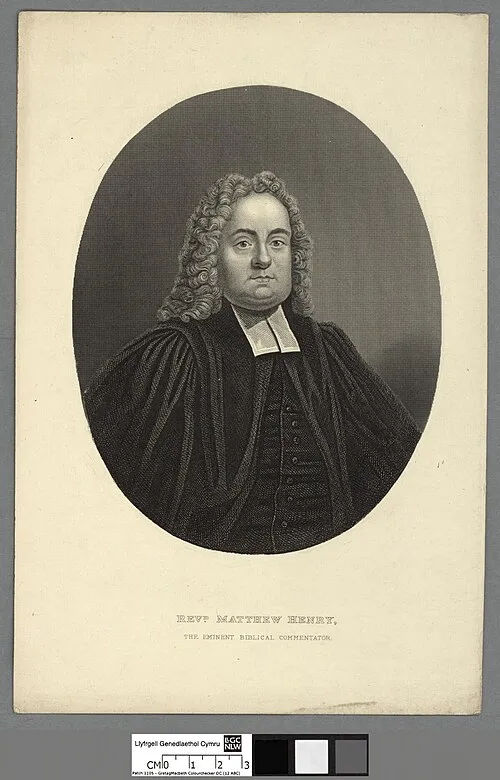
Cómo pasar cada día con Dios
«en ti he esperado todo el día.» — Salmo 25:5
¡Quién de nosotros hay que pueda decir así de verdad! ¿Quién vive esta vida de comunión con Dios, que es tanto nuestro quehacer como nuestra bienaventuranza? ¡Cuán cortos nos quedamos del espíritu del santo David, aunque tenemos auxilios mucho mejores para nuestro conocimiento de Dios que los que tenían entonces los santos, por las revelaciones más claras de la mediación de Cristo! Sin embargo, para que los cristianos débiles que son sinceros no desesperen por ello, recuérdese que el propio David no estaba siempre en tal temple que pudiera decirlo; tenía sus flaquezas, y con todo era varón conforme al corazón de Dios. Nosotros tenemos las nuestras; y si se lamentan con sinceridad y se lucha contra ellas, y la inclinación habitual de nuestras almas es hacia Dios y el cielo, seremos aceptos por Cristo, porque no estamos bajo la ley, sino bajo la gracia.
Con todo, la profesión de David en el texto nos muestra cuál ha de ser nuestra práctica: en Dios hemos de esperar todo el día. Eso señala dos cosas: una expectación paciente y una asistencia constante. 1. Habla de una expectación paciente de que él venga a nosotros por vía de misericordia; y entonces «todo el día» ha de tomarse en figura, por todo el tiempo en que se demora la misericordia echada de menos y deseada. David, en la primera parte del versículo, oraba por conducción e instrucción divinas: «Encamíname en tu verdad, y enséñame». Estaba perplejo, y deseaba vivamente saber qué quería Dios que hiciese, y estaba pronto a hacerlo; pero Dios lo retenía en suspenso: aún no tenía claro cuál era la mente y la voluntad de Dios, qué rumbo debía seguir y cómo había de disponer de sí mismo. ¿Procederá, pues, sin dirección divina? No: en ti esperaré todo el día, como Abraham asistió junto a su sacrificio desde la mañana hasta que el sol se puso, antes de que Dios le diese respuesta a sus indagaciones acerca de su simiente, Génesis 15:5, Génesis 15:12; y como Habacuc estuvo sobre su atalaya, para ver qué respuesta le daría Dios cuando consultó su oráculo; y aunque no venga al momento, con todo «al fin hablará, y no mentirá».
David, en las palabras inmediatamente anteriores al texto, había llamado a Dios el Dios de su salud [N. del T.: la RV1909 dice «salud» donde el inglés dice «salvation», salvación], el Dios de quien dependía para la salvación, salvación temporal y eterna; de quien esperaba liberación de sus angustias presentes, aquellas congojas de su corazón que se habían aumentado, v. 17, y de las manos de aquellos enemigos que estaban prontos a triunfar sobre él, v. 2, y que lo aborrecían con odio violento, v. 19. Esperando que Dios será su Salvador, resuelve esperar en él todo el día, como genuino hijo de Jacob, cuya profesión al morir fue, Génesis 49:18: «Tu salud esperé, oh Jehová.» A veces Dios se anticipa a su pueblo con las bendiciones de su bondad: antes que clamen, les responde; está en medio de su iglesia para ayudarla, y eso al clarear la mañana, Salmo 46:5. Pero otras veces parece ponerse lejos; demora la liberación, y los tiene largo tiempo en expectación de ella; es más, en suspenso acerca de ella. La luz ni es clara ni oscura; es día, y eso es todo; es un día nublado y oscuro, y no es sino al tiempo de la tarde cuando hay luz, cuando llega el consuelo que se les ha hecho esperar todo el día. Es más, quizá no llega sino muy entrada la noche: es a medianoche cuando se da el clamor: «He aquí, el esposo viene». La liberación de la iglesia de sus tribulaciones, el éxito de sus luchas y el reposo de ellas, un rescate de bajo la vara del impío, y el cumplimiento de todo aquello que Dios ha prometido acerca de ello, es lo que hemos de seguir esperando humildemente de Dios, sin desconfianza ni impaciencia. Hemos de esperar todo el día. a. Aunque sea un día largo; aunque se nos tenga esperando mucho tiempo, muy más allá de nuestro propio cálculo. Aunque, cuando ya hemos esperado mucho, todavía se nos pone a esperar más, y se nos manda, con el criado del profeta, que volvamos aún siete veces (1 Reyes 18:43) antes de percibir la menor señal de que viene la misericordia. Esperábamos que este y aquel fuese el que había de redimir a Israel, pero salimos defraudados. «Pasóse la siega, acabóse el verano, y nosotros no hemos sido salvos», Jeremías 8:20. El tiempo se prolonga; es más, las oportunidades se dejan pasar: el tiempo del verano y el tiempo de la siega, cuando pensábamos haber segado el fruto de todas nuestras oraciones, nuestros trabajos y nuestra paciencia, ha pasado y terminado, y estamos tan lejos como siempre de la salvación. El tiempo que el arca permaneció en Kirjath-jearim fue largo, mucho más largo de lo que se pensó que sería cuando primero se alojó allí: fueron veinte años; de modo que toda la casa de Israel lamentaba en pos de Jehová, y empezaba a temer que permanecería para siempre en aquella oscuridad, 1 Samuel 7:2.
Pero aunque sea un día largo, no es más que un día, un solo día, y es conocido de Jehová, Zacarías 14:7. Parece largo mientras se nos tiene esperando, pero el desenlace dichoso nos permitirá recordarlo como corto, y como de un momento. No dura más de lo que Dios ha señalado, y estamos seguros de que su tiempo es el mejor tiempo, y de que sus favores merecen que se espere por ellos. El tiempo es largo, pero no es nada junto a los días de la eternidad, cuando quienes tuvieron larga paciencia serán recompensados por ella con una salvación eterna. b. Aunque sea un día oscuro, esperemos con todo en Dios todo el día. Aunque, mientras se nos tiene esperando lo que Dios hará, se nos tenga a oscuras respecto de lo que él está haciendo y de lo que más nos conviene hacer, contentémonos con esperar en la oscuridad. Aunque no veamos nuestras señales, aunque no haya quien nos diga hasta cuándo, resolvamos esperar, por largo que sea; porque, aunque lo que Dios hace no lo sabemos ahora, lo sabremos después, cuando el misterio de Dios sea consumado.
Nunca estuvo hombre más sumido en apuro acerca de los tratos de Dios con él que el pobre Job: «He aquí yo iré al oriente, y no lo hallaré; y al occidente, y no lo percibiré; si al norte él obrare, yo no lo veré; al mediodía se esconderá, y no lo veré», Job 23:8, 9. Con todo se sienta, v. 10, resuelto a esperar en Dios todo el día, satisfecho en esto: que, aunque yo no conozco el camino que él toma, él conoce el camino que yo tomo, y cuando me haya probado, «saldré como oro», aprobado y mejorado. Él se sienta al lado como afinador, y cuidará de que el oro no esté en el horno más tiempo del necesario para afinarse. Cuando el camino de Dios es en la mar, de modo que no se le puede rastrear, con todo estamos seguros de que su camino es en el santuario, de modo que se puede confiar en él; véase Salmo 77:13, Salmo 77:19. [N. del T.: la RV1909 del Salmo 77:13 dice «en santidad es tu camino»; la versión inglesa que Henry comenta dice «en el santuario». El 77:19 dice: «En la mar fue tu camino, y tus sendas en las muchas aguas; y tus pisadas no fueron conocidas».] Y cuando nube y oscuridad están alrededor de él, aun entonces «justicia y juicio son el asiento de su trono». c. Aunque sea un día tempestuoso, con todo hemos de esperar en Dios todo el día. Aunque no solo estemos en calma y no avancemos, sino que el viento sea contrario y nos empuje atrás; es más, aunque sea borrascoso, y la iglesia sea zarandeada por tempestades y esté a punto de hundirse, aun así hemos de esperar lo mejor; hemos de esperar y capear el temporal con paciencia. Es algún consuelo que Cristo está en la barca: la causa de la iglesia es la propia causa de Cristo; él la ha desposado, y la hará suya. Va embarcado en el mismo bajel que su pueblo; y por tanto, «¿por qué teméis?» No duden de que la barca llegará salva a tierra. Aunque Cristo parezca por ahora estar dormido, las oraciones de sus discípulos lo despertarán, y reprenderá los vientos y las olas. Aunque la zarza arda, si Dios está en ella, no se consumirá. Pero no es esto todo: Cristo no solo está en la barca, sino al timón. Cuanto amenaza a la iglesia es ordenado por el Señor Jesús, y será hecho para que obre para bien de ella. Lo expresa de modo excelente el señor George Herbert:
¡Fuera, desesperación! Mi Dios de gracia oye, cuando vientos y olas embisten mi quilla; él la preserva, él la gobierna, aun cuando la barca más parece zozobrar. Las tormentas son el triunfo de su arte: bien puede cerrar los ojos, mas no el corazón.
Es palabra oportuna en este día. Qué hará Dios con nosotros, no podemos decirlo; pero de esto estamos seguros: él es Dios de juicio, infinitamente sabio y justo, y por tanto «bienaventurados todos los que le esperan», Isaías 30:18. Él hará su propia obra a su propio modo y tiempo; y aunque seamos empujados de vuelta al desierto, cuando pensábamos estar ya en los confines de Canaán, padecemos justamente por nuestra incredulidad y nuestras murmuraciones, pero Dios obra con sabiduría, y se hallará fiel a su promesa. Su tiempo de juzgar a favor de su pueblo, y de arrepentirse respecto de sus siervos, es cuando ve que la fuerza de ellos pereció. Esto se vio antiguamente en el monte de Jehová, y se verá otra vez. Por tanto, perseveremos en una disposición de espera. Mantengan la fe y la paciencia, porque «bueno es esperar callando en la salud de Jehová».
- Habla de una asistencia constante a él por vía de deber. Y así entendemos el día literalmente: era la práctica de David esperar en Dios «todo el día». Significa tanto cada día como el día entero. Es lo mismo que aquel mandamiento, Proverbios 23:17: «antes persevera en el temor de Jehová todo tiempo». [N. del T.: la versión inglesa que cita Henry dice «todo el día».]
Doctrina. No nos basta comenzar cada día con Dios, sino que en él hemos de esperar cada día, y todo el día.
Para abrir esto he de mostrar: (I.) qué es esperar en Dios; y (II.) que hemos de hacerlo cada día, y todo el día.
I. En cuanto a lo primero, inquiramos qué es esperar en Dios. Han oído cuánto es nuestro deber, por la mañana, hablarle en oración solemne. Pero ¿hemos acabado entonces con él por todo el día? No: hemos de seguir esperando en él, como en uno con quien estamos muy estrechamente emparentados y muy fuertemente obligados. Esperar en Dios es vivir una vida de deseo hacia él, de deleite en él, de dependencia de él y de consagración a él.
A. Es vivir una vida de deseo hacia Dios; esperarlo como el mendigo espera a su bienhechor, con deseo ardiente de recibir de él el socorro; como los enfermos y llagados del estanque de Betesda esperaban el movimiento del agua, y asistían en los pórticos con deseo de ser ayudados a entrar y quedar sanos. Cuando el profeta había dicho: «en el camino de tus juicios, oh Jehová, te hemos esperado», se explicó así en las palabras siguientes: «a tu nombre y a tu memoria es el deseo del alma»; y «con mi alma te he deseado», Isaías 26:8, 9. Nuestro deseo no ha de ser solo hacia las cosas buenas que Dios da, sino hacia Dios mismo, su favor y su amor, la manifestación de su nombre a nosotros y las influencias de su gracia sobre nosotros. Entonces esperamos en Dios, cuando nuestras almas anhelan por él y por su favor, cuando tenemos sed de Dios, del Dios vivo. ¡Oh, si contemplara la hermosura de Jehová! ¡Oh, si gustara su bondad! ¡Oh, si llevara su imagen y fuese enteramente conformado a su voluntad! Porque no hay nadie en el cielo ni en la tierra a quien pueda desear en comparación de él. ¡Oh, si lo conociera más, y lo amara mejor, y fuese acercado más a él, y hecho más apto para él! Así, sobre las alas del deseo santo, nuestras almas han de seguir remontándose hacia Dios, seguir avanzando, avanzando hacia el cielo.
No solo hemos de orar con solemnidad por la mañana, sino que aquel deseo que es la vida y el alma de la oración, como el fuego sobre el altar, ha de mantenerse ardiendo de continuo, pronto para los sacrificios que han de ofrecerse sobre él. La inclinación y el sesgo del alma en todos sus movimientos han de ser hacia Dios: servirlo en todo lo que hacemos, y gozar de él en todo lo que tenemos. Y esto es lo que principalmente se pretende en los mandamientos que se nos dan de orar siempre, de orar sin cesar, de perseverar en la oración. Aun cuando no nos estemos dirigiendo a Dios de hecho, hemos de tener inclinaciones habituales hacia él; como un hombre sano, aunque no siempre está comiendo, tiene siempre en sí una disposición hacia el alimento y los deleites del cuerpo. Así hemos de estar siempre esperando en Dios, como nuestro sumo bien, y moviéndonos hacia él.
B. Es vivir una vida de deleite en Dios, como el amante espera a su amada. El deseo es el amor en movimiento, como un ave sobre el ala; el deleite es el amor en reposo, como un ave sobre el nido. Ahora bien, aunque nuestro deseo ha de seguir de tal modo hacia Dios que hayamos de querer más de Dios, nuestro deleite ha de estar de tal modo en Dios que nunca hayamos de querer más que Dios. Creyéndolo un Dios todo suficiente, en él hemos de estar enteramente satisfechos: sea él mío, y tengo bastante. ¿Amamos amar a Dios? Es un placer para nosotros pensar que hay un Dios, que es tal como se ha revelado ser, que es nuestro Dios por creación para disponer de nosotros como le place, nuestro Dios en el pacto para disponerlo todo para nuestro mayor bien. Esto es esperar en nuestro Dios: mirar siempre hacia él con placer.
Algo tiene el alma en que se estima, algo en que se recuesta; ¿y qué es? ¿Dios, o el mundo? ¿De qué nos enorgullecemos? ¿Qué hacemos materia de nuestra jactancia? Es el carácter de la gente mundana jactarse «en la muchedumbre de sus riquezas», Salmo 49:6, y de su propia fuerza y del poder de sus propias manos, que piensan haberles conseguido esta riqueza. Es el carácter de la gente piadosa que «en Dios nos gloriaremos todo tiempo», Salmo 44:8. Eso es esperar en Dios: tener el ojo siempre puesto en él con una complacencia secreta, como la tienen los hombres en aquello que es su gloria y de lo cual se glorían.
¿Con qué nos complacemos, qué abrazamos con la mayor satisfacción, en cuyo seno recostamos la cabeza, y en tener lo cual nos abrazamos a nosotros mismos, como quien tiene todo lo que querría tener? El hombre mundano, cuando sus graneros están llenos de trigo, dice: alma, repósate, come, bebe, huélgate. El hombre piadoso nunca puede decirlo hasta que halla su corazón lleno de Dios, de Cristo y de gracia; y entonces: «Vuelve, oh alma mía, a tu reposo»; aquí recuéstate. El alma llena de gracia mora en Dios, está en casa en él, y allí mora a sus anchas; está en él perpetuamente complacida; y cualquier cosa que encuentre en el mundo que la desazone, halla bastante en Dios para contrapesarla. C. Es vivir una vida de dependencia de Dios, como el hijo espera a su padre, en quien tiene confianza y sobre quien echa todo su cuidado. Esperar en Dios es contar con que todo bien nos venga de él, como el que obra todo bien para nosotros y en nosotros, el dador de todo bien a nosotros y nuestro protector contra todo mal. Así se explica David, Salmo 62:5: «Alma mía, en Dios solamente reposa», y sigue reposando así, «porque de él es mi esperanza». [N. del T.: el inglés dice «My soul, wait thou only upon God», alma mía, espera solo en Dios.] No miro a ningún otro para el bien que necesito; porque sé que toda criatura es para mí aquello, y no más, que él la hace ser, y que de él procede el juicio de cada hombre. ¿Alzaremos nuestros ojos a los montes? ¿Viene de allí nuestro socorro? ¿El rocío que riega los valles no viene de más lejos que de las cumbres de los montes? ¿Subiremos más alto, y alzaremos los ojos a los cielos, a las nubes? ¿Pueden ellas de sí mismas dar lluvia? No: si Dios no oye a los cielos, ellos no oyen a la tierra. Hemos de mirar, pues, más arriba de los montes y más arriba de los cielos, porque todo nuestro socorro viene de Jehová. Fue el reconocimiento de un rey, y no de uno bueno: «Si no te salva Jehová, ¿de dónde te tengo de salvar yo? ¿del alfolí, o del lagar?»
Y nuestras expectaciones de Dios, en cuanto son guiadas por la palabra que él ha dicho y se fundan en ella, deben ser humildemente confiadas, y con plena certidumbre de fe. Hemos de saber y estar seguros de que ninguna palabra de Dios caerá en tierra, y de que la esperanza de los pobres no perecerá. La gente mundana dice a su oro: tú eres mi esperanza; y al oro fino: tú eres mi confianza; y las riquezas del rico son la ciudad de su fortaleza. Pero Dios es el único refugio y la porción del hombre piadoso aquí, en la tierra de los vivientes. Solo a él le dice, y se lo dice con santa osadía: tú eres mi esperanza y mi confianza. Los ojos de todos esperan en él, porque él es bueno para con todos; pero los ojos de sus santos, en especial, porque él es de un modo peculiar bueno para con Israel, bueno para con ellos. Conocen su nombre, y por tanto confiarán y triunfarán en él, como quienes saben que no serán avergonzados de su esperanza.
D. Es vivir una vida de consagración a Dios, como el siervo espera a su amo, pronto a observar su voluntad, a hacer su obra y, en todo, a consultar su honra y su interés. Esperar en Dios es remitirnos entera y sin reserva a sus sabias y santas direcciones y disposiciones, y asentir a ellas con alegría y conformarnos a ellas. El siervo que espera a su amo no escoge su propio camino, sino que sigue a su amo paso a paso. Así hemos de esperar en Dios, como quienes no tienen voluntad propia, sino aquella que está reservada por entero en la de él; y hemos de estudiar, por tanto, acomodarnos a la suya. Es el carácter de los redimidos de Jehová que siguen al Cordero por donde quiera que fuere, con una fe y una obediencia implícitas. Como los ojos de los siervos miran a la mano de sus señores, y los ojos de la sierva a la mano de su señora, así nuestros ojos han de esperar en Jehová, para hacer lo que él nos señala y tomar lo que él nos destina. Padre, hágase tu voluntad; Amo, hágase tu voluntad.
El siervo espera a su amo no solo para servirle, sino para honrarle; y así hemos de esperar en Dios, para serle por fama y por alabanza. Su gloria ha de ser nuestro fin último, al cual nosotros, y todo lo que somos, tenemos y podemos hacer, hemos de estar dedicados. Hemos de vestir su librea, asistir en sus atrios y seguir sus movimientos como siervos suyos, con este fin: que él sea glorificado en todas las cosas.
Esperar en Dios es hacer de su voluntad nuestra regla.
- Hacer de la voluntad de su precepto la regla de nuestra práctica, y cumplir cada deber con la mira puesta en ella. Hemos de esperar en él para recibir sus mandamientos, con resolución de cumplirlos, por mucho que contradigan nuestras inclinaciones corruptas o nuestros intereses seculares. Hemos de esperarlo como lo hacen los santos ángeles, que ven siempre la faz de su Padre, como quienes están a su menor seña y prontos a ir, a la menor insinuación de su voluntad, aunque no sea más que un guiño de su ojo, adondequiera que los envíe. Así hemos de hacer la voluntad de Dios como la hacen los ángeles que están en el cielo, aquellos ministros suyos que hacen su voluntad y están siempre alrededor de su trono para ello; nunca fuera del camino.
David ora aquí para que Dios le muestre su camino, y lo guíe, y lo enseñe, y lo guarde, y lo haga avanzar en el camino de su deber; y así el texto entra como un alegato para reforzar aquella petición, porque en ti espero todo el día, pronto a recibir la ley de tu boca y, en todo, a observar tus órdenes. Y entonces da a entender esto: que aquellos, y solo aquellos, pueden esperar ser enseñados por Dios, que están prontos y dispuestos a hacer según se les enseña. El que quisiere hacer su voluntad —resuelto con firmeza, en la fuerza de su gracia, a conformarse a ella—, conocerá cuál es su voluntad. David ora: Señor, «dame entendimiento», y luego se promete a sí mismo: «guardaré tu ley; y la observaré», como el siervo que espera a su amo. Los que suben a la casa de Jehová con la expectación de que él les enseñará sus caminos, han de hacerlo con una humilde resolución de que caminarán por sus sendas, Isaías 2:3. Señor, vaya delante de mí la columna de nube y de fuego, porque estoy determinado, con pleno propósito de corazón, a seguirla, y a esperar así en mi Dios todo el día.
- Hacer de la voluntad de su providencia la regla de nuestra paciencia, y llevar cada aflicción con la mira puesta en ella. Estamos seguros de que es Dios quien realiza todas las cosas por nosotros, y de que realiza lo que está señalado para nosotros. Estamos seguros de que bien está todo lo que Dios hace, y de que será hecho para que obre para bien de todos los que lo aman; y para eso debemos asentir a toda la voluntad de Dios y acomodarnos a ella. Esperar en el Señor es decir: Jehová es; haga conmigo lo que bien le pareciere, porque nada le parece bien sino lo que es realmente bueno; y así lo veremos, cuando la obra de Dios aparezca en plena luz. Es decir: no como yo quiero, sino como tú; porque ¿ha de ser eso según mi mente? Es traer nuestra mente a nuestra condición en todo, de modo que la mantengamos calma y sosegada, suceda lo que suceda para desazonarnos.
Y por eso hemos de llevar la aflicción, cualquiera que sea, porque es la voluntad de Dios; es lo que nos ha destinado aquel que hace todas las cosas según el consejo de su voluntad. Esta es la paciencia cristiana: «Enmudecí, no abrí mi boca», no porque de nada sirviera quejarme, sino «porque tú lo hiciste», y por tanto yo no tenía razón para quejarme. Y esto nos reconciliará con toda aflicción, lo mismo con una que con otra, porque, sea la que sea, es la voluntad de Dios; y, en conformidad con ella, no solo hemos de callar, por la soberanía de su voluntad —«¡Ay del que pleitea con su Hacedor!»—, sino que hemos de quedar satisfechos, por la sabiduría y la bondad de ella. Sean cuales sean las disposiciones de la providencia de Dios acerca de los que esperan en él, podemos estar seguros de que, así como no les hace agravio, tampoco les pretende daño. Es más: pueden decir como el salmista, aun cuando era azotado todo el día y su castigo empezaba por las mañanas: sea como sea, con todo Dios es bueno; y por tanto, «aunque me matare, en él esperaré», y con todo esperaré en él.
Podría abrir este deber de esperar en Dios con otras expresiones de la Escritura que dicen lo mismo y, como esta, abarcan gran parte de aquel homenaje que estamos obligados a rendirle, y de aquella comunión que nos interesa mantener con él. Así, «nuestra comunión verdaderamente es con el Padre, y con su Hijo Jesucristo».
Es poner a Dios siempre delante de nosotros, Salmo 16:8. Mirarlo como a uno siempre cerca de nosotros, siempre a nuestra diestra, y que tiene su ojo sobre nosotros dondequiera que estemos y cualquiera cosa que hagamos; es más, como a uno en quien vivimos, y nos movemos, y somos, con quien tenemos que ver y a quien hemos de dar cuenta. Esto se nos urge como el gran principio de la obediencia evangélica: «anda delante de mí, y sé perfecto» [N. del T.: el inglés dice «be thou upright», sé recto]; en esto consiste aquella rectitud que es nuestra perfección evangélica: en andar en todo tiempo como delante de Dios, y en estudiar aprobarnos delante de él.
Es tener nuestros ojos siempre hacia Jehová, como sigue aquí, Salmo 25:15. Aunque no podemos verlo, a causa de nuestra distancia y oscuridad presentes, hemos de mirar hacia él, hacia el lugar donde habita su honra, como quienes desean el conocimiento de él y de su voluntad, y enderezan todo a su honra como la meta a que apuntamos, trabajando en esto: que, ya ausentes, ya presentes, le seamos aceptos. Esperar en él es seguirlo con el ojo en todas aquellas cosas en que tiene a bien manifestarse, y admitir los descubrimientos de su ser y de sus perfecciones.
Es reconocerlo en todos nuestros caminos, Proverbios 3:6: en todas las acciones de la vida y en todos los asuntos de la vida hemos de andar de su mano, y ponernos en la vía de sus pasos. En todas nuestras empresas hemos de esperar en él la dirección y el éxito, y por la fe y la oración encomendarle nuestro camino para que él lo tome por nosotros; y a él hemos de llevar con nosotros dondequiera que vayamos: «Si tu rostro no ha de ir con nosotros, no nos saques de aquí.» En todos nuestros consuelos hemos de ver su mano que nos los reparte, y en todas nuestras cruces hemos de ver la misma mano que nos las impone, para que aprendamos a recibir lo bueno y lo malo, y a bendecir el nombre de Jehová tanto cuando da como cuando quita.
Es seguir a Jehová cumplidamente, como lo hizo Caleb, Números 14:24. Es cumplir en pos de Jehová, pues así es la palabra: «cumplió de ir en pos de mí»; tener respeto a todos sus mandamientos, y estudiar para estar completos en toda su voluntad. Dondequiera que Dios nos lleve y vaya delante de nosotros, hemos de ser sus imitadores, como hijos amados; hemos de seguir al Cordero por dondequiera que fuere, y tomarlo por guía dondequiera que vayamos.
Esto es esperar en Dios; y los que así lo hacen pueden esperar en él con alegría, porque él aparecerá sin falta, a su debido tiempo, para gozo de ellos, y se cumplirá en ellos aquella palabra de Salomón: el que espera a su señor será honrado [N. del T.: la RV1909 dice «el que guarda á su señor, será honrado»; el inglés, «he that waiteth on his master»], porque Cristo ha dicho: «donde yo estuviere, allí también estará mi servidor», Juan 12:26.
II. En cuanto a lo segundo. Habiéndoles mostrado qué es esperar en Dios, paso ahora a mostrar que esto hemos de hacerlo cada día, y todo el día.
A. Hemos de esperar en nuestro Dios cada día. Omni die (cada día), según algunos. Esta es la obra de cada día, que ha de hacerse en su día, porque el deber de cada día lo exige. Los siervos en las cortes de los príncipes tienen señaladas sus semanas o sus meses de asistencia, y están obligados a asistir solo en ciertos tiempos. Pero los siervos de Dios nunca han de estar fuera de asistencia: todos los días de nuestro tiempo señalado, el tiempo de nuestro trabajo y de nuestra milicia aquí en la tierra, hemos de estar esperando, Job 14:14, y no desear ni contar con ser dados de baja de esta asistencia hasta que lleguemos al cielo, donde esperaremos en Dios como lo hacen los ángeles, más de cerca y con más constancia.
Hemos de esperar en Dios cada día. 1. Tanto en los días de sábado como en los días de semana. El día del Señor está instituido y señalado a propósito para nuestra asistencia a Dios en los atrios de su casa; allí hemos de esperarlo, para darle gloria y para recibir de él tanto mandamientos como favores. Los ministros han de atender entonces a su ministerio, Romanos 12:7 [N. del T.: el inglés dice «wait on their ministering», esperar en su ministerio; la RV1909, «si ministerio, en servir»], y el pueblo ha de atenderlo también, diciendo como Cornelio por sí y por sus amigos: «Ahora pues, todos nosotros estamos aquí en la presencia de Dios, para oír todo lo que Dios te ha mandado», Hechos 10:33. Es para honra de Dios ayudar a llenar las asambleas de los que asisten al estrado de su trono, y añadir al número de ellos. Todo el tiempo del sábado, salvo lo que ocupan las obras de necesidad y de misericordia, ha de emplearse en esperar en nuestro Dios. Los cristianos son sacerdotes espirituales, y como tales les toca esperar en la casa de Dios a la hora señalada.
Pero eso no basta; hemos de esperar en nuestro Dios también en los días de semana, porque cada día de la semana necesitamos misericordia de él, y tenemos obra que hacer para él. Nuestro esperar en él en las ordenanzas públicas el primer día de la semana está pensado para fijarnos en la comunión con él, y disponernos para ella, toda la semana siguiente; de modo que no respondemos a los designios del sábado si las impresiones de él no permanecen en nosotros, y no van con nosotros a los negocios de la semana, y no se guardan siempre en la imaginación de los pensamientos de nuestro corazón. Así, de sábado en sábado y de mes en mes, hemos de mantenernos en un temple santo y lleno de gracia; hemos de estar de tal modo en el Espíritu en el día del Señor, que andemos en el Espíritu toda la semana.
- Tanto en los días ociosos como en los días ocupados hemos de hallarnos esperando en Dios. Algunos días de nuestra vida son días de trabajo y de prisa, cuando nuestro llamamiento particular pide una aplicación estrecha y diligente; pero no hemos de pensar que eso nos excuse de nuestra asistencia constante a Dios. Aun entonces, cuando nuestras manos trabajan en lo del mundo, nuestros corazones pueden estar esperando en nuestro Dios, por un respeto habitual a él, a su providencia como nuestro guía y a su gloria como nuestro fin, en nuestros negocios mundanos; y así hemos de permanecer con él en ellos. Los que madrugan para levantarse, se recogen tarde y comen pan de dolores en pos del mundo, con todo están obligados a esperar en Dios, porque de otro modo todo su cuidado y su trabajo no significarán nada: es trabajo en vano, Salmo 127:1, 2; es más, es trabajo para el fuego.
Algunos días de nuestra vida nos aflojamos de los negocios y nos damos al descanso. Muchos de ustedes tienen su tiempo de diversión; pero entonces, cuando dejan a un lado los demás negocios, este de esperar en Dios no ha de dejarse a un lado. Cuando se prueban con alegría, como hizo Salomón, y dicen que gozarán un poco de placer, quede con todo con ustedes esta sabiduría, Eclesiastés 2:1, 3: esté entonces su ojo hacia Dios, y cuídense de dejar caer la comunión con él en eso que llaman una conversación agradable con sus amigos. Sea día de trabajo o día de descanso, no hallaremos nada como el esperar en Dios, tanto para alumbrar la fatiga de nuestro trabajo como para endulzar el consuelo de nuestro reposo. De modo que, tengamos mucho que hacer o poco que hacer en el mundo, aun así hemos de esperar en Dios, para ser guardados de la tentación que acompaña lo uno y lo otro.
- Tanto en días de prosperidad como en días de adversidad hemos de hallarnos esperando en Dios. ¿Nos sonríe el mundo y nos corteja? No nos volvamos, con todo, de asistir a Dios para hacer la corte al mundo. Aunque tengamos cuanto se quiera de la riqueza del mundo, no podemos decir que no necesitamos a Dios, ni que ya no hay ocasión de valernos de él, como David estuvo a punto de decir cuando en su prosperidad dijo que no sería jamás conmovido; pero pronto vio su error, cuando Dios escondió su rostro y él fue conturbado, Salmo 30:6. Cuando nuestros asuntos prosperan, y Dios trae con abundancia a nuestras manos, hemos de esperar en Dios como nuestro gran propietario, y reconocer nuestras obligaciones para con él; hemos de pedir su bendición sobre lo que tenemos, y su favor junto con ello, y depender de él tanto para la continuación como para el consuelo de ello. Hemos de esperar en Dios sabiduría y gracia para usar lo que tenemos en el mundo para los fines con que se nos ha confiado, como quienes han de dar cuenta, y no saben cuán pronto. Y por mucho que tengamos de este mundo, y por ricamente que se nos dé gozarlo, aun hemos de esperar en Dios cosas mejores, no solo mejores que las que da el mundo, sino mejores que las que él mismo da en este mundo. Señor, no me despaches con esto por porción.
Y cuando el mundo nos frunce el ceño, y las cosas van muy a contrapelo, no hemos de irritarnos tanto con sus ceños, ni asustarnos tanto con ellos, que eso nos aparte de esperar en Dios; antes bien, que eso nos empuje a ello. Las aflicciones se envían con este fin: traernos al trono de la gracia, enseñarnos a orar y hacernos preciosa la palabra de la gracia de Dios. En los días de nuestra tristeza hemos de esperar en Dios aquellos consuelos que bastan para contrapesar nuestro dolor. Job, cuando estaba en lágrimas, se postró y adoró a Dios, que quita lo mismo que da. En el día de nuestro temor hemos de esperar en Dios aquellos alientos que bastan para acallar nuestros temores. Josafat, en su angustia, esperó en Dios, y no fue en vano: su corazón quedó afirmado por ello; y así el de David muchas veces, lo cual lo trajo a esta resolución, que fue ancla de su alma: «En el día que temo, yo en ti confío.»
- Tanto en los días de la juventud como en los días de la vejez hemos de hallarnos esperando en Dios. Los que son jóvenes no pueden comenzar demasiado pronto su asistencia a Dios. El niño Samuel servía a Jehová, y el relato de la Escritura pone en ello una señal particular de honra; y Cristo se complació de modo admirable en los hosannas de los niños que lo esperaban, cuando entró en triunfo en Jerusalén. Cuando Salomón, en su juventud, al subir al trono, esperó en Dios pidiendo sabiduría, se dice que la petición agradó a Jehová. «Heme acordado de ti —dice Dios a Israel—, de la misericordia de tu mocedad, cuando andabas en pos de mí» y esperabas en mí «en el desierto», Jeremías 2:2. Esperar en Dios es acordarse de nuestro Criador, y el tiempo propio para ello es en los días de nuestra juventud, Eclesiastés 12:1. Los que quieran esperar en Dios como es debido han de aprender a hacerlo temprano; los cortesanos más cumplidos son los que se crían en la corte.
¿Y pueden los siervos ancianos de Jesús ser despedidos de esperarlo? No: su asistencia se exige todavía, y será todavía aceptada. Su Amo no los desechará en el tiempo de la vejez, y por tanto no deserten ellos entonces de su servicio. Cuando, por las flaquezas de la edad, ya no pueden ser siervos que trabajan en la familia de Dios, aún pueden ser siervos que esperan. Los que, como Barzillai, no sirven para los banquetes de las cortes de los príncipes de la tierra, pueden con todo gustar los placeres de los atrios de Dios tan bien como siempre. Los levitas, pasada la edad de cincuenta años, y dados de baja de la parte fatigosa de su ministerio, aún habían de esperar en Dios: habían de esperar en quietud, para darle honra y para recibir de él consuelo. Los que han hecho la voluntad de Dios, y su obra de hacer ha terminado, necesitan paciencia que los capacite para esperar hasta que hereden la promesa; y cuanto más cerca esté la dicha que esperan, tanto más querido ha de ser el Dios en quien esperan, y con quien esperan estar pronto, estar eternamente.
B. Hemos de esperar en nuestro Dios todo el día. Toto die (todo el día), así lo leemos. Cada día, desde la mañana hasta la noche, hemos de seguir esperando en Dios. Cualquier cambio que haya en nuestra ocupación, esta ha de ser la disposición constante de nuestras almas: hemos de asistir a Dios y tener nuestros ojos siempre hacia él. No hemos de permitirnos en ningún momento apartarnos de Dios, ni asistir a ninguna otra cosa fuera de él, sino a lo que asistimos por él, en subordinación a su voluntad y en servicio de su gloria.
- Hemos de echar sobre él nuestros cuidados diarios. Cada día trae consigo sus cuidados frescos, más o menos; estos despiertan con nosotros cada mañana, y no necesitamos ir tan adelante como el mañana para buscar cuidado: «basta al día su afán». Ustedes, que son grandes negociantes en el mundo, tienen sus cuidados acompañándolos todo el día; aunque se los guarden para sí, con todo se sientan con ustedes y se levantan con ustedes; salen y entran con ustedes, y les son más carga de lo que advierten aquellos con quienes conversan. Algunos, por la debilidad de su espíritu, apenas pueden resolver nada sino con temor y temblor.
Echen esta carga sobre el Señor, creyendo que su providencia se extiende a todos sus asuntos, a todos los sucesos que los conciernen y a todas las circunstancias de ellos, aun las más menudas y al parecer casuales; que sus tiempos están en su mano, y todos sus caminos a su disposición. Crean su promesa de que todas las cosas serán hechas para que obren para bien de los que lo aman, y luego remítanse a él en todo, para que haga con ustedes y con lo suyo lo que bien parezca a sus ojos, y descansen satisfechos de haberlo hecho, y resuelvan estar sosegados. Traigan sus cuidados a Dios en oración por la mañana, extiéndanlos delante de él, y hagan ver luego todo el día, por la compostura y la alegría de su espíritu, que los dejaron con él, como Ana, la cual, cuando hubo orado, «fuése la mujer su camino, y comió, y no estuvo más triste», 1 Samuel 1:18. Encomienden su camino a Jehová, y sométanse luego a la disposición que él haga de él, aunque cruce sus expectaciones; y sosténganse sobre la seguridad que Dios les ha dado de que él tendrá cuidado de ustedes, como el padre tierno del hijo.
- Hemos de manejar nuestros negocios diarios para él, con la mira en su providencia, que nos pone en el llamamiento y el empleo en que estamos; y en su precepto, que hace de la diligencia en ello nuestro deber; con la mira en su bendición, como aquello que es necesario para hacerlo llevadero y próspero; y en su gloria, como nuestro fin más alto en todo. Esto santifica para Dios nuestras acciones comunes, las endulza y nos las hace agradables. Si Gayo acompaña un trecho del camino a los amigos de quienes se despide, no es más que una cortesía común; pero hágalo como conviene según Dios: tribute en ello respeto a ellos, porque pertenecen a Cristo y por amor de él; hágalo para tener ocasión de una comunicación mucho más provechosa con ellos, y entonces se vuelve un acto de piedad cristiana, 3 Juan 6. Es regla general con la cual hemos de gobernarnos en los negocios de cada día: todo lo que hagamos, sea de palabra o de hecho, hacerlo todo en el nombre del Señor Jesús, Colosenses 3:17; y así, en el Mediador y por el Mediador, esperamos en nuestro Dios.
Esto se recomienda en particular a los siervos. Aunque sus empleos no sean más que bajos, y estén bajo el mando de sus amos según la carne, hagan con todo sus obras serviles como siervos de Cristo, como al Señor y no a los hombres; háganlo con sencillez de corazón, como a Cristo, y serán aceptos de él, y de él recibirán la compensación de la herencia, Efesios 6:5, 6, 7, 8; Colosenses 3:22, 24. Esperen en Dios todo el día, cuando hacen la obra del día, haciéndola con fidelidad y conciencia, para que adornen la doctrina de nuestro Salvador Dios, apuntando a su gloria aun en los negocios comunes. Trabajan para conseguir pan; querrían conseguir pan para vivir; querrían vivir, no para vivir para sí y complacerse a sí mismos, sino para vivir para Dios y complacerlo. Trabajan para llenar el tiempo y para llenar un lugar en el mundo, y porque el Dios que nos hizo y nos sustenta nos ha puesto a trabajar con quietud y a ocuparnos en lo nuestro.
- Hemos de recibir de él nuestros consuelos diarios; hemos de esperarlo como nuestro bienhechor, como los ojos de todos esperan en él, para que les dé su comida en su tiempo, y lo que él les da, eso recogen. A él hemos de mirar, como a nuestro Padre, por nuestro pan de cada día, y de él se nos ha mandado pedirlo, sí, aunque lo tengamos en la casa, aunque lo tengamos sobre la mesa. Hemos de esperarlo para un derecho de pacto a ello, para licencia de usarlo, para bendición sobre ello, para alimento por ello y para consuelo en ello. En la palabra y en la oración esperamos en Dios y mantenemos comunión con él, y por estas nos es santificado todo lo que Dios crió, 1 Timoteo 4:4, 5 —«porque por la palabra de Dios y por la oración es santificado»—, y se muda la calidad de ello. «Todas las cosas son limpias a los limpios»; las tienen del pacto, y no de la providencia común, lo cual hace que lo poco que tiene el justo sea mejor que las riquezas de muchos pecadores, y mucho más valioso y de mayor consuelo.
Ningún motivo puede ser más poderoso para hacernos cuidar de que lo que tenemos lo obtengamos con honradez, lo usemos con sobriedad y demos a Dios lo que le corresponde de ello, que esta consideración: que nuestro todo lo tenemos de la mano de Dios, y se nos confía como a mayordomos, y por consiguiente hemos de dar cuenta. Si tenemos este pensamiento como un hilo de oro que corre por todos los consuelos de cada día —estos son dones de Dios; cada bocado que comemos y cada gota que bebemos es misericordia suya; cada aliento que tomamos y cada paso que damos es misericordia suya—, esto nos mantendrá esperando de continuo en él, como el asno en el pesebre de su señor, y pondrá una doble dulzura en todos nuestros goces. Dios quiere que sus misericordias se tomen frescas de sus compasiones, las cuales por esta razón se dice que son nuevas cada mañana; y por tanto no es una vez por semana que hemos de esperarlo, como la gente va al mercado a comprar provisiones para toda la semana, sino que hemos de esperarlo cada día, y todo el día, como quienes viven al día, y con todo viven muy sosegados.
- Hemos de resistir nuestras tentaciones diarias, y hacer nuestros deberes diarios, en la fuerza de su gracia. Cada día trae consigo sus tentaciones; nuestro Maestro lo sabía cuando nos enseñó, con la misma puntualidad con que pedimos nuestro pan de cada día, a pedir que no seamos metidos en tentación. No hay negocio en que nos empeñemos, ni goce del que participemos, que no tenga sus lazos acompañándolo. Satanás nos acomete por medio de ello, y procura arrastrarnos al pecado. Ahora bien, el pecado es el gran mal contra el cual hemos de estar de continuo en guardia, como lo estuvo Nehemías, cap. 6:13: «para hacerme temer así, y que pecase». Y no tenemos otro modo de asegurarnos que el de esperar en Dios todo el día. No solo por la mañana hemos de ponernos bajo la protección de su gracia, sino que todo el día hemos de mantenernos al amparo de ella; no solo hemos de salir, sino de seguir, dependiendo de aquella gracia de la cual él ha dicho: «Bástate mi gracia», aquel cuidado que no nos dejará ser tentados más de lo que podemos llevar. Nuestro esperar en Dios nos proveerá de los mejores argumentos de que valernos al resistir las tentaciones, y de fortaleza conforme al día. «Confortaos en el Señor, y en la potencia de su fortaleza», y entonces esperamos en el Señor todo el día.
Tenemos deber que cumplir, muchas ocasiones de decir buenas palabras y de hacer buenas obras, y hemos de ver y reconocer que no somos suficientes de nosotros mismos para cosa alguna que sea buena, ni aun para pensar un buen pensamiento. Hemos, pues, de esperar en Dios, buscarlo y depender de él para aquella luz y aquel fuego, aquella sabiduría y aquel celo, que son necesarios para el debido cumplimiento de nuestro deber; para que por su gracia no solo seamos fortificados contra toda palabra y obra mala, sino abastecidos para toda palabra y obra buena. De la plenitud que hay en Jesucristo hemos de estar sacando de continuo, por la fe, gracia por gracia: gracia para todos los ejercicios de la gracia; gracia para el oportuno socorro. Hemos de esperar en esta gracia, seguir la conducción de ella, conformarnos a las operaciones de ella, y volvernos hacia ella como la cera al sello.
- Hemos de llevar nuestras aflicciones diarias con sumisión a su voluntad. Se nos manda esperar tribulación en la carne. Cada día sucede algo que nos duele: algo en nuestras relaciones, algo en nuestros llamamientos, sucesos acerca de nosotros, de nuestras familias o de nuestros amigos, que son materia de tristeza. Quizá tenemos cada día algún dolor o enfermedad del cuerpo, o alguna cruz y algún desengaño en nuestros asuntos. En estas cosas hemos de esperar en Dios. Cristo lo exige de todos sus discípulos: que tomen su cruz cada día, Mateo 16:24. No hemos de echar la cruz sobre nosotros por nuestra voluntad, sino tomarla cuando Dios la pone en nuestro camino, y no salirnos un paso del camino del deber, ni para ir a ella ni para esquivarla. No basta llevar la cruz: hemos de tomarla, hemos de acomodarnos a ella y asentir a la voluntad de Dios en ella. No: esto es un mal, y he de llevarlo porque no puedo evitarlo; sino: esto es un mal, y lo llevaré porque es la voluntad de Dios.
Hemos de ver cada aflicción como destinada por nuestro Padre celestial, y en ella hemos de mirar su mano que corrige; y por tanto hemos de esperarlo para conocer la causa por la cual contiende con nosotros, cuál es la falta por la que se nos castiga en esta aflicción, cuál es el mal que esta aflicción ha de curar, para que respondamos al fin de Dios al afligirnos, y así seamos hechos participantes de su santidad. Hemos de atender los movimientos de la providencia, mantener el ojo en nuestro Padre cuando frunce el ceño, para descubrir cuál es su mente y cuál la obediencia que hemos de aprender por las cosas que padecemos. Hemos de esperar en Dios sostén bajo nuestras cargas; hemos de meternos en los brazos eternos, y sostenernos sobre ellos, los cuales están puestos debajo de los hijos de Dios para sustentarlos cuando la vara de Dios está sobre ellos. Y a él hemos de atender para la liberación; no hemos de buscar salirnos por métodos pecaminosos e indirectos, ni mirar a las criaturas en busca de alivio, sino seguir esperando en Jehová hasta que haya misericordia de nosotros, bien contentos de llevar la carga hasta que Dios nos alivie de ella, y nos alivie en misericordia, Salmo 123:2. Si la aflicción se alarga, aun hemos de esperar en Jehová, aun cuando esconde su rostro, Isaías 8:17, esperando que no sea sino con un poco de ira y por un pequeño momento, Isaías 54:7, 8.
- Hemos de esperar las nuevas y los sucesos de cada día con una resignación alegre y entera a la providencia divina. Mientras estamos en este mundo, seguimos esperando: esperando el bien, temiendo el mal. No sabemos qué dará de sí un día, o una noche, o una hora, Proverbios 27:1; pero viene preñado de algo, y somos demasiado propensos a gastar en vano nuestros pensamientos en cosas futuras, que suceden de modo muy distinto de lo que imaginamos. Ahora bien, en todas nuestras perspectivas hemos de esperar en Dios.
¿Estamos en esperanza de buenas nuevas, de un buen desenlace? Esperemos en Dios como el dador del bien que esperamos, y estemos prontos a tomarlo de su mano, y a salirle al encuentro con afectos adecuados cuando él viene hacia nosotros por vía de misericordia. Cualquier bien que esperemos, es solo en Dios, y en su sabiduría, poder y bondad, en quien hemos de esperar. Y por tanto nuestras esperanzas han de ser humildes y modestas, y reguladas por su voluntad. Lo que Dios nos ha prometido, podemos con seguridad prometérnoslo, y no más. Si así esperamos en Dios en nuestras esperanzas, aunque la esperanza se difiera, no enfermaría el corazón; no, ni aunque quedara defraudada, porque el Dios en quien esperamos gobernará todas las cosas para lo mejor. Pero cuando llega el deseo, en cuyo seguimiento hemos esperado así en Dios, podemos verlo venir de su amor, y será árbol de vida, Proverbios 13:12.
¿Tememos malas nuevas, sucesos melancólicos y un triste desenlace del asunto que está pendiente? Esperemos en Dios para ser librados de todos nuestros temores: de las cosas mismas que tememos, y de los temores pasmosos y atormentadores de ellas, Salmo 34:4. Cuando Jacob, con buena razón, temía a su hermano Esaú, esperó en Dios, le trajo sus temores, luchó con él y prevaleció para alcanzar liberación. «En el día que temo —dijo David—, yo en ti confío», y esperaré en ti; y eso afirmará el corazón, lo fijará, de modo que lo ponga por encima del temor de las malas nuevas.
¿Estamos en suspenso entre la esperanza y el temor, y a veces prevalece la una y a veces el otro? Esperemos en Dios, como el Dios a quien pertenecen las salidas de la vida y de la muerte, del bien y del mal, de quien procede nuestro juicio y el de cada hombre, y compongámonos en una expectación quieta del suceso, sea el que sea, con resolución de acomodarnos a él. Esperemos lo mejor, y preparémonos para lo peor, y luego tomemos lo que Dios envía.
Aplicación
Primero, permítanme instarles aún más este deber de esperar en Dios todo el día, en algunos casos más particulares, según lo que tienen que hacer todo el día, en los negocios ordinarios de él. Somos débiles y olvidadizos, y necesitamos que se nos recuerde nuestro deber en general en cada ocasión de cumplirlo; y por eso escojo ser así de particular, para ser quien les haga memoria.
- Cuando se reúnan con sus familias por la mañana, esperen en Dios una bendición sobre ellas, y asístanlo con sus acciones de gracias por las misericordias que ustedes y los suyos han recibido juntamente de Dios la noche pasada. Ustedes y sus casas han de servir a Jehová, han de esperarlo. Vean que se debe a su bondad, él que es el fundador y el padre de las familias de los justos, el que estén juntos, el que haya voz de júbilo y de salvación en sus tiendas; y por tanto esperen en él para que los continúe juntos, para que los haga consuelo los unos de los otros, para que los capacite a cumplir el deber de cada relación, y para que alargue los días de su tranquilidad. En toda la conversación que tenemos con nuestras familias, en la provisión que hacemos para ellas y en las órdenes que damos acerca de ellas, hemos de esperar en Dios, como el Dios de todos los linajes de Israel, Jeremías 31:1; y tener el ojo en Cristo, como aquel en quien son benditas todas las familias de la tierra.
Cada miembro de la familia, al participar de las misericordias de la familia, ha de esperar en Dios gracia para contribuir a los deberes de la familia. Cualquier desagrado que haya en alguna relación familiar, en vez de tener el espíritu o cargado con ello o provocado por ello, sea un motivo para esperar en Dios, que puede o remediar el agravio, o contrapesarlo, y dar gracia para llevarlo.
- Cuando procuran la educación de sus hijos, o de los jóvenes a su cargo, esperen en Dios su gracia para que los medios de su educación tengan éxito. Cuando ustedes mismos les dan instrucción en las cosas que pertenecen o a la vida o a la piedad, a su llamamiento general o particular; cuando los envían a la escuela por la mañana, o les señalan los quehaceres del día, esperen en Dios que les dé entendimiento y buena capacidad para sus quehaceres. Sobre todo para su quehacer principal, porque Jehová da la sabiduría. Si son tardos, y no adelantan como ustedes querrían, esperen con todo en Dios para que los haga avanzar, y para que les dé su gracia a su propio tiempo; y mientras esperan en él con paciencia, eso los animará a tomarse trabajo con ellos, y asimismo los hará pacientes y mansos para con ellos.
Y esperen los niños y los jóvenes en Dios en todos sus empeños diarios, para disponerse al servicio de Dios en su generación. Desean ser consuelo de sus parientes, servir para algo en este mundo: ¿no piden, pues, a Dios un corazón sabio y entendido, como lo hizo Salomón, y esperan en él todo el día para ello, a fin de ir creciendo en sabiduría, como crecen en edad y en gracia para con Dios y los hombres?
- Cuando van a sus tiendas, o se aplican al negocio de su llamamiento particular, esperen en Dios su presencia con ustedes. Su negocio pide su asistencia constante, cada día y todo el día: cuida tu tienda, y tu tienda te cuidará; pero sea su asistencia a Dios en sus llamamientos tan constante como su asistencia a sus llamamientos. Miren la providencia de Dios en todos los sucesos de ellos. Abran la tienda con este pensamiento: ahora estoy en el camino de mi deber, y dependo de Dios para que me bendiga en él. Cuando esperan clientes, esperen en Dios que les halle algo que hacer en aquel llamamiento al cual los ha llamado. A los que llaman clientes de la casualidad deberían llamarlos más bien clientes de la Providencia, y deberían decir de la ganancia que sacan de ellos: Jehová mi Dios me lo trajo.
Cuando compran y venden, vean el ojo de Dios sobre ustedes, que observa si son honestos y justos en sus tratos, y si no hacen agravio a aquellos con quienes tratan; y esté entonces su ojo hacia él, para aquella discreción a la que Dios instruye no solo al labrador, sino al mercader, Isaías 28:26; aquella prudencia que endereza el camino, y con la cual se promete que el hombre de bien ordenará sus asuntos; para aquella bendición que enriquece y no añade tristeza con ella; para aquella ganancia honrada que puede esperarse en el camino de la diligencia honrada.
Sean cuales sean sus empleos —negocios del campo, negocios de la ciudad o negocios del mar, o solo los quehaceres de la casa—, ocúpense en ellos en el temor de Dios, dependiendo de él para que los haga llevaderos y prósperos, y prospere para ustedes la obra de sus manos. Y con esto se armarán contra las muchas tentaciones de que están rodeados en sus negocios mundanos. Esperando en Dios, quedarán libres de aquel cuidado y aquella distracción que acompañan al mucho servir; tendrán la mente levantada por encima de las cosas pequeñas del sentido y del tiempo; estarán sirviendo a Dios entonces cuando más ocupados estén en el mundo, y tendrán a Dios en el corazón cuando las manos estén llenas del mundo.
- Cuando tomen un libro en las manos, el libro de Dios, o cualquier otro libro útil y bueno, esperen en Dios su gracia para que los capacite a hacer de él buen uso. Algunos de ustedes gastan mucho tiempo cada día en leer, y espero que ninguno de ustedes deje pasar un día sin leer algunas porciones de la Escritura, a solas o con sus familias. Cuiden de que el tiempo que gastan en leer no sea tiempo perdido. Lo es, si leen lo que es ocioso, vano y sin provecho; lo es, si leen lo que es bueno, aun la palabra misma de Dios, y no la atienden, ni la observan, ni procuran sacar de ella ventaja alguna para ustedes. Esperen en Dios, que les da aquellas ayudas para sus almas, para que les sean de veras ayuda. Así lo hizo el eunuco, cuando leía en su carro el libro del profeta Isaías, y enseguida Dios le envió a uno que le hizo entender lo que leía.
Leen quizá de vez en cuando las historias de los tiempos pasados. Al familiarizarse con ellas, han de tener el ojo en Dios, y en aquella Providencia sabia y llena de gracia que gobernó el mundo antes de que naciéramos, y preservó en él a la iglesia, y de la cual, por tanto, se puede seguir dependiendo para que lo haga todo para lo mejor, porque él es el rey de Israel desde antiguo.
- Cuando se sienten a sus mesas, esperen en Dios. Vean su mano que extiende y prepara mesa delante de ustedes, a despecho de sus enemigos y en la compañía de sus amigos. Repasen a menudo la concesión que Dios hizo a nuestro primer padre Adán, y en él a nosotros, de los productos de la tierra, Génesis 1:29: «He aquí que os he dado toda hierba que da simiente», el cereal del pan en especial, «seros ha para comer». Y la concesión que después hizo a Noé, nuestro segundo padre, y en él a nosotros, Génesis 9:3: «Todo lo que se mueve y vive, os será para mantenimiento: así como las legumbres y hierbas». Y vean en ellas qué bienhechor generoso es para con el género humano, y esperen en él conforme a eso.
Hemos de comer y beber para la gloria de Dios, y entonces esperamos en él al comer y al beber. Hemos de recibir alimento para nuestros cuerpos, a fin de quedar aptos para servir a nuestras almas en el servicio de Dios, para honra de él en este mundo. Hemos de gustar el amor del pacto en las misericordias comunes, y gozar del Creador mientras usamos la criatura. Hemos de depender de la palabra de bendición de la boca de Dios, para que nuestra comida nos sea alimento; y si nuestras provisiones son escasas y pobres, hemos de suplir la falta de ellas con la fe en la promesa de Dios, y regocijarnos en él, como el Dios de nuestra salvación, aunque la higuera no florezca, ni en las vides haya frutos.
- Cuando visiten a sus amigos, o reciban sus visitas, esperen en Dios. Esté su ojo en él, con agradecimiento por los amigos y conocidos en quienes tienen consuelo; porque el desierto no ha sido hecho su habitación, ni la tierra solitaria y desierta su morada; porque tienen consuelo no solo en sus propias casas, sino en las de sus vecinos, con quienes tienen libertad de conversar; y porque no han sido echados de entre todos los hombres, ni hechos carga y terror para todos los que los rodean. Tener vestido no solo para la necesidad, sino para el ornato, con que salir, es una misericordia en la cual, para no enorgullecernos, hemos de fijarnos en Dios: «te atavíe con ornamentos —dice Dios—, y zarcillos en tus orejas», Ezequiel 16:11, 12. Tener casas, menaje y agasajo, no solo para ustedes, sino para sus amigos, es una misericordia en la cual ha de reconocerse a Dios.
Y cuando estamos en compañía, hemos de mirar a Dios en busca de sabiduría para comportarnos, de modo que hagamos mucho bien a aquellos con quienes conversamos, y no recibamos daño de ellos. Esperemos en Dios aquella gracia con que nuestra palabra ha de estar siempre sazonada, por la cual se evite toda comunicación torpe, y abundemos en todo lo que es bueno y para edificación, y que dé gracia a los oyentes, para que nuestros labios apacienten a muchos.
- Cuando den limosna, o hagan cualquier acto de caridad, esperen en Dios: háganlo como para él; den a un discípulo en nombre de discípulo, a los pobres porque pertenecen a Cristo. No lo hagan por alabanza de los hombres, sino por la gloria de Dios, con ojo sencillo y corazón recto; enderécenlo a él, y entonces sus limosnas, lo mismo que sus oraciones, como las de Cornelio, suben en memoria delante de Dios, Hechos 10:4. Pidan a Dios que acepte lo que hacen para el bien de otros, para que sus limosnas sean de veras ofrendas, Hechos 24:17; sean «olor de suavidad, sacrificio acepto, agradable a Dios», Filipenses 4:18.
Pidan a Dios bendición sobre lo que damos en caridad, para que sea de consuelo a aquellos a quienes se da, y para que, aunque lo que pueden dar no sea más que poco, como las dos blancas de la viuda, con todo, por la bendición de Dios, se doble y alcance muy lejos, como la harina de la viuda en la tinaja y el aceite en la vasija.
Dependan de Dios para que les restituya lo que gastan en buenas obras, y para que lo recompense con abundancia en la resurrección de los justos. Es más: se les anima a esperarlo para un retorno de ello aun en esta vida. Es pan echado sobre las aguas, que después de muchos días volverán a hallar; y observarán con cuidado la providencia de Dios, si no les da amplia compensación por sus buenas obras, conforme a la promesa, para que entiendan las misericordias de Jehová y su fidelidad a la palabra que ha dicho.
- Cuando pregunten por las noticias públicas, en eso esperen en Dios: háganlo con el ojo en él. Por esta razón: porque de veras les importan los intereses de su reino en el mundo, y los tienen cerca del corazón; porque tienen compasión de la humanidad, de las vidas y de las almas de los hombres, y en especial del pueblo de Dios. Pregunten: ¿qué noticias hay? No como los atenienses, solo para satisfacer una vana curiosidad y para pasar una o dos horas ociosas, sino para saber cómo dirigir sus oraciones y sus alabanzas, y cómo equilibrar sus esperanzas y sus temores, y para alcanzar tal entendimiento de los tiempos que aprendan lo que ustedes y los demás deben hacer.
Si el rostro de los asuntos públicos es claro y agradable, esperen en Dios para que lleve adelante y perfeccione su propia obra, y no dependan de la sabiduría o de la fuerza de instrumento alguno. Si es oscuro y desalentador, esperen en Dios para que se anticipe a los temores de su pueblo, y aparezca a favor de ellos cuando ve que la fuerza de ellos pereció. En medio de los mayores éxitos de la iglesia, y de las sonrisas de las causas segundas, no hemos de pensar que es inútil esperar en Dios; y en medio de sus mayores desalientos, cuando sus asuntos quedan reducidos al último extremo, no hemos de pensar que es infructuoso esperar en Dios; porque las criaturas no pueden ayudar sin él, pero él puede ayudar sin ellas.
- Cuando salgan de viaje, esperen en Dios. Pónganse bajo su protección, encomiéndense a su cuidado, y dependan de él para que mande a sus ángeles acerca de ustedes, a fin de que los lleven en las manos cuando se muevan, y acampen en derredor de ustedes donde descansen. Vean cuánto están en deuda con la bondad de su providencia por todos los consuelos y comodidades de que están rodeados en sus viajes. Es él quien ha echado nuestra suerte en una tierra en la que no vagamos por el desierto, como en los desiertos de Arabia, sino que tenemos caminos seguros y trillados; y en la que, a través de los terrores de la guerra, los caminos no están desiertos. A él le debemos que las criaturas inferiores nos sirvan, y que se guarden nuestra salida y nuestra entrada; que, cuando estamos fuera, no estemos en destierro, sino que tengamos libertad de volver a casa; y que, cuando estamos en casa, no estemos bajo encierro, sino que tengamos libertad de salir.
Hemos, pues, de tener los ojos hacia Dios al partir: Señor, ve conmigo adonde yo vaya. Bajo su amparo hemos de viajar, confiando en su cuidado de nosotros, y animándonos con eso en todos los peligros con que nos encontremos; y al volver hemos de reconocer su bondad. Todos nuestros huesos han de decir: Jehová, ¿quién como tú?, porque él guarda todos nuestros huesos; ni uno de ellos será quebrantado.
- Cuando nos retiramos a la soledad, para estar solos, paseando por los campos, o reposando solos en nuestros aposentos, aun hemos de estar esperando en Dios; aun hemos de mantener la comunión con él, cuando estamos en comunión con nuestro propio corazón. Cuando estamos solos, no hemos de estar solos, sino que el Padre ha de estar con nosotros, y nosotros con él. Hallaremos tentaciones aun en la soledad, contra las cuales necesitamos guardarnos. Satanás acometió a nuestro Salvador cuando estaba solo en un desierto; pero también allí tenemos ocasión, si tan solo sabemos aprovecharla, para aquella contemplación devota, aquella contemplación divina, que es la mejor conversación, de modo que nunca estemos menos solos que cuando estamos solos. Si, cuando nos sentamos solos y callamos, retirados de los negocios y de la conversación, tenemos tan solo el arte —debería decir el corazón— de llenar aquellos minutos vacíos con meditaciones piadosas de Dios y de las cosas divinas, entonces recogemos los pedazos de tiempo que quedan, para que nada se pierda, y así se nos halla esperando en Dios todo el día.
Segundo, permítanme usar algunos motivos para persuadirlos a vivir así una vida de comunión con Dios, esperando en él todo el día.
- Consideren: el ojo de Dios está siempre sobre ustedes. Cuando estamos con nuestros superiores, y observamos que nos miran, eso nos mueve a mirarlos a ellos. ¿Y no miraremos entonces hacia Dios, cuyos ojos ven, y cuyos párpados examinan a los hijos de los hombres?
Él ve todos los movimientos de nuestros corazones, y ve con placer los movimientos de nuestros corazones hacia él, lo cual debería movernos a ponerlo siempre delante de nosotros.
El siervo, aunque sea descuidado en otros tiempos, cuando está bajo el ojo de su amo esperará en su lugar y se atendrá a su quehacer. No necesitamos más para movernos a la diligencia que hacer nuestra obra bajo la mirada de nuestro Amo, mientras él mira y porque él mira; pues entonces nunca apartaremos la vista.
-
El Dios en quien ustedes han de esperar es uno con quien tenemos que ver, Hebreos 4:13. Todas las cosas, aun los pensamientos y las intenciones del corazón, están «desnudas y abiertas a los ojos de aquel a quien tenemos que dar cuenta» [N. del T.: el inglés dice «with whom we have to do», con quien tenemos que ver]; πρὸς ὃν ἡμῖν ὁ λόγος (lit., «a quien hemos de dar cuenta»): con quien tenemos negocio, o palabra; quien tiene algo que decirnos, y a quien nosotros tenemos algo que decir; o, como otros lo leen, ante quien hay de nuestra parte una cuenta. Hay un ajuste, una cuenta corriente entre nosotros y él. Y cada uno de nosotros ha de dar pronto cuenta de sí a él, y de todo lo hecho en el cuerpo; por tanto, nos importa esperarlo, para que cada día todo quede saldado entre nosotros y él en la sangre de Cristo, que equilibra la cuenta. Si consideráramos cuánto tenemos que ver con Dios cada día, seríamos más diligentes y constantes en nuestra asistencia a él.
-
El Dios en quien hemos de esperar, espera de continuo para tener piedad de nosotros. Siempre está haciéndonos bien; se nos anticipa con las bendiciones de su bondad; cada día nos colma de beneficios, y no deja pasar ninguna ocasión de mostrar su cuidado de nosotros cuando estamos en peligro, su largueza para con nosotros cuando estamos en necesidad, y su ternura para con nosotros cuando estamos en tristeza. Su buena providencia nos espera todo el día, para guardar nuestra salida y nuestra entrada, Salmo 121:8; para darnos alivio y socorro a su tiempo; para ser visto en el monte de Jehová [N. del T.: la RV1909 dice «En el monte de Jehová será provisto»]. Es más: su buena gracia nos espera todo el día, para ayudarnos en todo tiempo de necesidad; para ser nuestra fortaleza conforme al día, y conforme a todos los sucesos del día. ¿Es Dios tan pronto para hacernos bien, y seremos nosotros tardos y remisos en servirle?
-
Si asistimos a Dios, sus santos ángeles tendrán encargo de asistirnos. Todos están puestos como espíritus administradores, para servir a favor de los que serán herederos de salud, y nos hacen cada día más buenos oficios de los que advertimos. ¡Qué honra, qué privilegio es ser esperados por santos ángeles, ser llevados en sus brazos, ser rodeados por sus tiendas! ¡Qué seguridad es el ministerio de esos espíritus buenos contra la malicia de los espíritus malos! Esta honra tienen todos los que esperan en Dios, todo el día.
-
Esta vida de comunión con Dios, y de asistencia constante a él, es un cielo en la tierra. Es hacer la obra del cielo, y la voluntad de Dios, como la hacen los que están en el cielo, cuyo quehacer es ver siempre la faz de nuestro Padre. Es una prenda de la bienaventuranza del cielo; es una preparación para ella, y un preludio de ella; es tener nuestra vivienda en los cielos, de donde también esperamos al Salvador. Esperándolo como nuestro Salvador, lo miramos como nuestro Director; y con esto damos a entender que nuestro corazón está allí, lo cual nos dará buen fundamento para esperar que pronto estaremos allí.
Tercero, permítanme cerrar con algunas directrices acerca de lo que han de hacer para esperar así en Dios todo el día.
- Vean mucho de Dios en cada criatura: de su sabiduría y de su poder en el hacerla y en el colocarla, y de su bondad en lo servicial que nos es. Miren en derredor, y vean de qué variedad de maravillas, de qué abundancia de consuelos están rodeados; y que todo ello los lleve a él, que es la fuente del ser y el dador de todo bien. Todas nuestras fuentes están en él, y de él son todas nuestras corrientes. Esto nos moverá a esperarlo, puesto que toda criatura es para nosotros aquello que él la hace ser. Así, las mismas cosas que apartan de Dios a un corazón carnal, conducirán a él a un alma llena de gracia; y, puesto que todas sus obras lo alaban, sus santos tomarán de ahí continua ocasión de bendecirlo.
Era, según dicen, costumbre de los judíos piadosos de otro tiempo, cualquier deleite que tomaran en una criatura, dar a Dios la gloria de ella. Cuando olían una flor, decían: bendito sea el que hizo dulce esta flor; si comían un bocado de pan: bendito sea el que señaló el pan para que sustente el corazón del hombre. Si así gustamos en cada cosa que el Señor es benigno, y mamamos toda satisfacción de los pechos de su largueza, con eso quedaremos comprometidos a depender de él de continuo, como se dice que el niño está pendiente del pecho de su madre.
-
Vean que toda criatura no es nada sin Dios. Cuanto más discernamos la vanidad y el vacío del mundo, y de todos nuestros goces en él, y su entera insuficiencia para hacernos felices, tanto más de cerca nos uniremos a Dios, y tanto más íntimamente conversaremos con él, para hallar en el Padre de los espíritus aquella satisfacción que en vano hemos buscado en las cosas del sentido. ¡Qué locura es hacer la corte a las criaturas, y hacer antesala a su puerta, de donde es seguro que se nos despide vacíos, cuando tenemos al Creador mismo a quien acudir, que es rico en misericordia para con todos los que lo invocan, y es lleno, y libre, y fiel! ¿Qué podemos esperar de vanidades ilusorias? ¿Por qué habríamos de guardarlas tantas veces, y abandonar nuestra propia misericordia? ¿Por qué habríamos de confiarnos a cañas cascadas, cuando tenemos una roca de los siglos por fundamento de nuestras esperanzas? ¿Y por qué habríamos de sacar de cisternas rotas, cuando tenemos al Dios de toda consolación por fundamento de nuestros gozos?
-
Vivan por la fe en el Señor Jesucristo. No podemos esperar en Dios con confianza alguna, sino en un Mediador y por medio de él; porque por su Hijo nos habla Dios, y nos oye. Todo lo que pasa entre un Dios justo y unos pobres pecadores ha de pasar por las manos de aquel árbitro bendito, que ha puesto su mano sobre ambos. Toda oración pasa de nosotros a Dios, y toda misericordia de Dios a nosotros, por aquella mano. En el rostro del ungido nos mira Dios; y en la faz de Jesucristo contemplamos la gloria y la gracia de Dios que resplandece. Por Cristo tenemos acceso a Dios, y buen éxito con él en la oración; y por tanto hemos de hacer memoria de su justicia, de sola ella. Y en aquella asistencia habitual que todo el día hemos de estar rindiendo a Dios, hemos de tener una dependencia habitual de aquel que siempre se presenta por nosotros en la presencia de Dios, y siempre asiste, pronto a introducirnos.
-
Sean frecuentes y serios en las oraciones breves y piadosas. Al esperar en Dios hemos de hablarle a menudo; hemos de tomar todas las ocasiones de hablarle; y cuando no tenemos oportunidad de una petición solemne, él aceptará una petición repentina, si viene de un corazón sincero. En ellas esperó David en Dios todo el día, como parece por el v. 1: «A ti, oh Jehová, levantaré mi alma»: a ti la lanzo, con todos sus alientos de gracia hacia ti. Deberíamos, en una breve oración santa, pedir perdón de este pecado, fuerza contra esta corrupción, victoria sobre esta tentación, y no será en vano. Esto es orar siempre y sin cesar. No es la largura ni el lenguaje de la oración lo que Dios mira, sino la sinceridad del corazón en ella; y esa será acepta, aunque la oración sea muy corta, y los «gemidos indecibles».
-
Miren cada día como quienes no saben si no será su último día. A la hora que no pensamos, viene el Hijo del hombre; y por tanto ninguna mañana podemos estar seguros de que viviremos hasta la noche. Oímos de muchos, no hace mucho, que han sido arrebatados de repente. ¿Qué tales conviene, pues, que seamos en santas y pías conversaciones? Aunque no podemos decir que debamos vivir como si estuviéramos seguros de que este día será el último, es cierto que debemos vivir como quienes no saben si no será así; y tanto más, porque sabemos que el día del Señor vendrá, tarde o temprano; y por tanto nos importa esperarlo. Porque ¿en quién habrían de esperar unas pobres criaturas que mueren, sino en un Dios vivo?
La muerte nos llevará a todos a Dios, para ser juzgados por él; llevará a todos los santos a él, a la visión y al goce de él; y en aquel hacia quien nos apresuramos, y con quien esperamos estar para siempre, nos importa esperar, y cultivar el conocimiento de él. Si pensáramos más en la muerte, conversaríamos más con Dios. Nuestro morir cada día es una buena razón para nuestro adorar cada día; y por tanto, dondequiera que estemos, nos importa mantenernos cerca de Dios, porque no sabemos dónde nos saldrá al encuentro la muerte. Esto cambiará la índole de la muerte. Enoc, que caminó con Dios, fue traspuesto para no ver muerte; y esto nos proveerá de aquello que nos valdrá al otro lado de la muerte y del sepulcro. Si seguimos esperando en Dios cada día, y todo el día, creceremos en experiencia y, por consiguiente, en pericia en el gran misterio de la comunión con Dios; y así nuestros últimos días vendrán a ser nuestros mejores días, nuestras últimas obras nuestras mejores obras, y nuestros últimos consuelos nuestros consuelos más dulces. En consideración de lo cual, tomen el consejo del profeta, Oseas 12:7 [N. del T.: el original cita Oseas 12:6, según la numeración inglesa]: «Tú pues, conviértete a tu Dios: guarda misericordia y juicio, y en tu Dios espera siempre.»
Ver el original (inglés)
Original en inglés
Showing How to Spend Every Day With God
“On thee do I wait all the day.” - Psalm 25:5
Which of us is there that can truly say thus! That lives this life of communion with God, which is so much our business, and so much our blessedness? How far short do we come of the spirit of holy David, though we have much better assistances for our acquaintance with God, than the saints then had by the clearer discoveries of the mediation of Christ. Yet that weak Christians who are sincere may not therefore despair, be it remembered, that David himself was not always in such a frame as that he could say so; he had his infirmities, and yet was a man after God’s own heart: We have ours, which if they be sincerely lamented and striven against, and the habitual bent of our souls be towards God, and heaven, we shall be accepted through Christ, for we are not under the law, but under grace.
However David’s profession in the text, shews us what should be our practice, on God we must wait all the day. That notes two things, a patient expectation, and a constant attendance. 1. It speaks a patient expectation of his coming to us in a way of mercy; and then, all the day must be taken figuratively, for all the time that the wanted and desired mercy is delayed. David, in the former part of the verse, prayed for divine conduct and instruction, Lead me in thy truth and teach me; he was at a loss, and very desirous to know what God would have him to do, and was ready to do it; but God kept him in suspense, he was not yet clear what was the mind and will of God, what course he should steer, and how he should dispose of himself; will he therefore proceed without divine direction? No, on thee will I wait all the day, as Abraham attended on his sacrifice from morning till the sun went down, before God gave him an answer to his inquiries concerning his seed, GEN 15:5, GEN 15:12; and as Habakkuk stood upon his watch tower, to see what answer God would give him, when he consulted his oracle; and though it do not come presently, yet at the end it shall speak, and not lie.
David in the words next before the text, had called God the God of his salvation, the God on whom he depended for salvation, temporal and eternal salvation, from whom he expected deliverance out of his present distresses, those troubles of his heart that were enlarged, ver. 17, and out of the hands of those enemies that were ready to triumph over him, ver 2, and that hated him with cruel hatred, ver. 19. Hoping that God will be his Saviour, he resolves to wait on him all the day, like a genuine son of Jacob, whose dying profession was, GEN 49:18. I have waited for thy salvation, O Lord. Sometimes God prevents his people with the blessings of his goodness, before they call he answers them, is in the midst of his church, to help her, and that right early, PS 46:5. But at other times he seems to stand afar off, he delays the deliverance, and keeps them long in expectation of it, nay, and in suspense about it: the light is neither clear nor dark, it is day, and that is all, it is a cloudy and dark day, and it is not till evening time, that it is light, that the comfort comes which they have been kept all the day waiting for; nay, perhaps it comes not till far in the night, it is at midnight that the cry is made, Behold the bridegroom comes; the deliverance of the church out of her troubles, the success of her struggles, and rest from them, a rescue from under the rod of the wicked, and the accomplishment of all that which God hath promised concerning it, is what we must continue humbly waiting upon God for without distrust or impatience; we must wait all the day. a. Though it be a long day; though we be kept waiting a great while, quite beyond our own reckoning. Though when we have waited long, we are still put to wait longer, and are bid with the prophet’s servant to go yet seven times (I KINGS 18:43) before we perceive the least sign of mercy coming. We looked that this and the other had been he that should have delivered Israel, but are disappointed; the harvest is past, the summer is ended, and we are not saved, JER 8:20. The time is prolonged, nay, the opportunities are let slip, the summer time and harvest time, when we thought to have reaped the fruit of all our prayers and pains, and patience is past and ended, and we are as far as ever from salvation; the time that the ark abode in Kirjath-jearim, was long, much longer than it was thought it would have been, when it was first lodged there; it was twenty years; so that the whole house of Israel lamented after the Lord, and began to fear it would abide forever in that obscurity, I SAM 7:2.
But though it be a long day, it is but a day, but one day, and it is known to the Lord, ZECH 14:7. It seems long while we are kept waiting, but the happy issue will enable us to reflect upon it as short, and but for a moment. It is no longer than God hath appointed, and we are sure his time is the best time; and his favours are worth waiting for. The time is long, but is nothing to the days of eternity, when those that had long patience shall be recompensed for it with an everlasting salvation. b. Though it be a dark day, yet let us wait upon God all the day. Though while we are kept waiting for what God will do, we are kept in the dark concerning what he is doing, and what is best for us to do, yet let us be content to wait in the dark. Though we see not our signs, though there is none to tell us how long, yet let us resolve to wait, how long soever it be; for though what God doth, we know not now, yet we shall know hereafter, when the mystery of God shall be finished.
Never was man more at a plunge concerning God’s dealings with him than poor Job was; I go forward, but he is not there; backward, but I cannot perceive him, on the left hand, on the right hand, but I cannot see him, JOB 23:8, 9, yet he sits down, ver. 10, resolving to wait on God all the day with a satisfaction in this, that though I know not the way that he takes, he knows the way that I take, and when he has tried me, I shall come forth as gold, approved, and improved. He sits by as a refiner, and will take care that the gold be in the furnace, no longer than is needful for the refining of it. When God’s way is in the sea, so that he cannot be traced, yet we are sure his way is in the sanctuary, so that he may be trusted, see PS 77:13, PS 77:19. And when the clouds and darkness are round about him, yet even then justice and judgment are the habitation of his throne. c. Though it be a stormy day, yet we must wait upon God all the day. Though we are not only be calmed, and do not get forward, but though the wind be contrary, and drives us back, nay, though it be boisterous, and the church be tossed with tempests, and ready to sink, yet we must hope the best; yet we must wait and weather the storm by patience. It is some comfort, that Christ is in the ship, the church’s cause is Christ’s own cause, he has espoused it; and he will own it; he is embarked in the same bottom with his people, and therefore, why are ye fearful; doubt not but the ship will come safe to land; though Christ seem for the present to be asleep, the prayers of his disciples will awake him, and he will rebuke the winds and the waves; though the bush burn, if God be in it, it shall not be consumed. Yet this is not all, Christ is not only in the ship, but at the helm; whatever threatens the church, is ordered by the Lord Jesus, and shall be made to work for its good. It is excellently expressed by Mr. George Herbert,
Away despair, my gracious God doth hear, When winds and waves assault my keel, He doth preserve it, he doth steer, Even when the boat seems most to reel. Storms are the triumph of his art, Well may he close his eyes, but not his heart.
It is a seasonable word at this day; what God will do with us we cannot tell; but this we are sure, he is a God of judgment, infinitely wise and just, and therefore blessed are all they that wait for him, ISA 30:18. He will do his own work in his own way and time; and though we be hurried back into the wilderness, when we thought we had been upon the borders of Canaan, we suffer justly for our unbelief and murmurings, but God acts wisely, and will be found faithful to his promise; his time to judge for his people, and to repent himself concerning his servants, is, when he sees that their strength is gone. This was seen of old in the mount of the Lord, and shall be again. And therefore let us continue in a waiting frame. Hold out faith and patience, for it is good that a man should both hope and quietly wait for the salvation of the Lord.
- It speaks a constant attendance upon him in a way of duty. And so we understand the day literally; it was David’s practice to wait upon God “all the day.” It signifies both every day, and all the day long; it is the same with that command, PROV 23:17. Be thou in the fear of the Lord all the day long.
Doct. It is not enough for us to begin every day with God, but on him we must wait every day, and all the day long.
For the opening of this I must shew, (I.) What it is to wait upon God; And, (II.) That we must do this every day, and all the day long.
I. For the first, Let us inquire, what it is to wait on God. You have heard how much it is our duty in the morning to speak to him, in solemn prayer. But have we then done with him for all day? No, we must still be waiting on him; as one to whom we stand very nearly related, and very strongly obliged. To wait on God is to live a life of desire towards him, delight in him, dependence on him, and devotedness to him.
A. It is to live a life of desire towards God; to wait on him, as the beggar waits on his benefactor, with earnest desire to receive supplies from him; as the sick and sore in Bethesda’s pool, waited for the stirring of the water, and attended in the porches with desire to be helped in and healed. When the prophet had said, Lord, in the way of thy judgments we have waited for thee, he explained himself thus in the next words, the desire of our soul is to thy name, and to the remembrance of thee; and with my soul have I desired thee, ISA 26:8, 9. Our desire must be not only towards the good things that God gives, but towards God himself, his favour and love, the manifestation of his name to us, and the influences of his grace upon us. Then we wait on God, when our souls pant after him, and his favour, when we thirst for God, for the living God: O that I may behold the beauty of the Lord! O that I may taste his goodness! O that I may bear his image, and be entirely conformed to his will! For there is none in heaven or earth, that I can desire in comparison of him. O that I may know him more, and love him better, and be brought nearer to him, and made fitter for him. Thus upon the wings of holy desire should our souls be still soaring upwards towards God, still pressing forwards, forwards towards heaven.
We must not only pray solemnly in the morning, but that desire which is the life and soul of prayer, like the fire upon the altar, must be kept continually burning, ready for the sacrifices that are to be offered upon it. The bent and bias of the soul in all its motions must be towards God, the serving of him in all we do, and the enjoying of him in all we have. And this is principally intended in the commands given to us to pray always, to pray without ceasing, to continue in prayer. Even when we are not making actual addresses to God, yet we must have habitual inclinations towards him; as a man in health, though he is not always eating, yet has always a disposition in him towards the nourishments and delights of the body. Thus must we be always waiting on God, as our chief good, and moving towards him.
B. It is to live a life of delight in God, as the lover waits on his beloved. Desire is love in motion, as a bird upon the wing; delight is love at rest, as a bird upon the nest; now though our desire must still be so towards God, as that we must be wishing for more of God, yet our delight must be so in God, as that we must never wish for more than God. Believing him to be a God all-sufficient, in him we must be entirely satisfied; let him be mine, and I have enough. Do we love to love God? It is a pleasure to us to think that there is a God, that he is such a one as he has revealed himself to be, that he is our God by creation to dispose of us as he pleaseth, our God in covenant to dispose of all for the best to us; this is waiting on our God, always looking up to him with pleasure.
Something or other the soul has that it values itself by, something or other that it reposes itself in, and what is it? God or the world? What is it that we pride ourselves in? Which we make the matter of our boasting? It is the character of worldly people, that they boast themselves in the multitude of their riches, PS 49:6, and of their own might, and the power of their own hands, which they think has gotten them this wealth; it is the character of godly people, that in God they boast all the day long, PS 44:8. That is waiting on God; having our eye always upon him with a secret complacency, as men have upon that which is their glory, and which they glory in.
What is it that we please ourselves with, which we embrace with the greatest satisfaction, in the bosom of which we lay our heads, and in having which we hug ourselves, as having all we would have: the worldly man when his barns are full of corn, saith, soul, take thine ease, eat, drink, and be merry; the godly man can never say so till he finds his heart full of God, and Christ, and grace; and then, return unto thy rest, O my soul, here repose thyself; the gracious soul dwells in God, is at home in him, and there dwells at ease, is in him perpetually pleased; and whatever he meets with in the world to make him uneasy, he finds enough in God to balance it. C. It is to live a life of dependence on God, as the child waits on his father, whom he has a confidence in, and on whom he casts all his care. To wait on God is to expect all good to come to us from him, as the worker of all good for us, and in us, the giver of all good to us, and the protector of us from all evil. Thus David explains himself, PS 62:5. My soul wait thou only upon God, and continue still to do so, for my expectation is from him, I look not to any other for the good I need; for I know that every creature is that to me, and no more than he makes it to be, and from him every man’s judgment proceeds. Shall we lift up our eyes to the hills? Doth our help come from thence? Doth the dew that waters the valleys come no further, than from the tops of the hills? Shall we go higher, and lift up our eyes to the heavens, to the clouds? Can they of themselves give rain? No, if God hear not the heavens, they hear not the earth; we must therefore look above the hills, above the heavens, for all our help cometh from the Lord; it was the acknowledgment of a king, and no good one neither, if the Lord do not help thee, whence shall I help thee out of the barn-floor, or out of the wine-press?
And our expectations from God as far as they are guided by, and grounded upon the word which he hath spoken, ought to be humbly confident and with a full assurance of faith. We must know and be sure, that no word of God shall fall to the ground, that the expectation of the poor shall not perish. Worldly people say to their gold, thou art my hope; and to the fine gold, thou art my confidence, and the rich man’s wealth is his strong city; but God is the only refuge and portion of the godly man here in the land of the living; it is to him only that he saith, and he saith it with a holy boldness, thou art my hope, and my confidence. The eyes of all things wait on him, for he is good to all; but the eyes of his saints especially, for he is in a peculiar manner good to Israel, good to them. They know his name and therefore will trust, and triumph in him, as those that know they shall not be made ashamed of their hope.
D. It is to live a life of devotedness to God, as the servant waits on his master, ready to observe his will, and to do his work, and in every thing to consult his honour and interest. To wait on God, is entirely and unreservedly to refer ourselves to his wise and holy directions, and disposals, and cheerfully to acquiesce in them, and comply with them. The servant that waits on his master, chooseth not his own way, but follows his master step by step: thus must we wait on God, as those that have no will of our own, but what is wholly reserved into his; and must therefore study to accommodate ourselves to his. It is the character of the redeemed of the Lord, that they follow the Lamb wheresoever he goes, with an implicit faith and obedience. As the eyes of a servant are to the hand of his master, and the eyes of a maiden to the hand of her mistress, so must our eyes wait on the Lord, to do what he appoints us, to take what he allots us; Father, thy will be done; Master, thy will be done.
The servant waits on his master, not only to do him service, but to do him honour; and thus must we wait on God that we may be to him for a name, and for a praise. His glory must be our ultimate end, to which we, and all we are, have, and can do, must be dedicated; we must wear his livery, attend in his courts, and follow his motions as his servant, for this end, that he may in all things be glorified
To wait on God, is to make his will our rule.
- To make the will of his precept, the rule of our practice, and to do every duty with an eye to that. We must wait on him to receive his commands, with a resolution to comply with them, how much soever they may contradict our corrupt inclinations, or secular interests. We must wait on him, as the holy angels do, that always behold the face of their Father, as those that are at his beck, and are ready to go upon the least intimation of his will, though but by a wink of his eye, wherever he sends them. Thus must we do the will of God, as the angels do it that are in heaven, those ministers of his that do his pleasure, and are always about his throne in order to it; never out of the way.
David here prays, that God would shew him his way, and lead him, and teach him, and keep him, and forward him in the way of his duty; and so the text comes in as a plea to enforce that petition, for on thee do I wait all the day; ready to receive the law from thy mouth, and in every thing to observe thine orders. And then it intimates this, that those and those only can expect to be taught of God, who are ready and willing to do as they are taught. If any man will do his will, be stedfastly resolved in the strength of his grace to comply with it, he shall know what his will is. David prays, Lord, give me understanding, and then promiseth himself, I shall keep thy law, yea I shall observe it; as the servant that waits on his master. They that go up to the house of the Lord, with an expectation that he will teach them his ways, it must be with a humble resolution, that they will walk in his paths, ISA 2:3. Lord, let the pillar of cloud and fire go before me, for I am determined with full purpose of heart to follow it, and thus to wait on my God all the day.
- To make the will of his providence, the rule of our patience, and to bear every affliction with an eye to that. We are sure, it is God that performeth all things for us, and he performeth the thing that is appointed for us; we are sure, that all is well that God doth, and shall be made to work for good to all that love him: and in order to that, we ought to acquiesce in, and accommodate ourselves, to the whole will of God. To wait on the Lord, is to say, it is the Lord, let him do with me as seemeth good to him, because nothing seemeth good to him, but what is really good; and so we shall see, when God’s work appears in a full light; it is to say, Not as I will, but as thou wilt, for should it be according to my mind? It is to bring our mind to our condition in every thing, so as to keep that calm and easy, whatever happens to make us uneasy.
And we must therefore bear the affliction, whatever it is, because it is the will of God; it is what he has allotted us, who doth all according to the counsel of his own will. This is Christian patience; I was dumb, I opened not my mouth, not because it was to no purpose to complain, but because thou didst it, and therefore I had no reason to complain. And this will reconcile us to every affliction, one as well as another, because whatever it is, it is the will of God; and in compliance with that we must not only be silent, because of the sovereignty of his will, Woe unto him that strives with his Maker; but we must be satisfied, because of the wisdom and goodness of it. Whatever the disposals of God’s providence may be concerning those that wait on him, we may be sure that as he doth them no wrong, so he means them no hurt: Nay, they may say as the Psalmist did, even then when he was plagued all the day long, and chastened every morning, however it be, yet God is good; and therefore, Though he slay me, yet will I trust in him, yet will I wait on him.
I might open this duty of waiting on God by other scripture expressions which speak the same thing, and are, as this, comprehensive of a great part of that homage, which we are bound to pay to him, and that communion which it is our interest to keep up with him. Truly thus our fellowship is with the Father, and with the Son Jesus Christ.
It is to set God always before us, PS 16:8. To look upon him as one always near us, always at our right hand, and that has his eye upon us, wherever we are and whatever we are doing; nay, as one in whom we live, and move, and have our being, with whom we have to do, and to whom we are accountable. This is pressed upon us, as the great principle of gospel obedience; walk before me, and be thou upright; herein consists that uprightness which is our evangelical perfection, in walking at all time as before God, and studying to approve ourselves to him.
It is to have our eyes ever towards the Lord, as it follows here, PS 25:15. Though we cannot see him by reason of our present distance and darkness, yet we must look towards him, towards the place where his honour dwells; as those that desire the knowledge of him and his will, and direct all to his honour as the mark we aim at, labouring in this, that whether present or absent we may be accepted of him. To wait on him, is to follow him with our eye in all those things wherein he is pleased to manifest himself, and to admit the discoveries of his being and perfections.
It is to acknowledge God in all our ways, PROV 3:6, in all the actions of life, and in all the affairs of life, we must walk in his hand, and set ourselves in the way of his steps. In all our undertakings, we must wait upon him for direction and success, and by faith and prayer commit our way to him to undertake for us; and him we must take with us wherever we go; If thy presence go not up with us, carry us not up hence. In all our comforts we must see his hand giving them out to us, and in all our crosses we must see the same hand laying them upon us, that we may learn to receive both good and evil, and to bless the name of the Lord both when he gives and when he takes.
It is to follow the Lord fully, as Caleb did, NUMB 14:24. It is to fulfil after the Lord, so the word is; to have respect to all his commandments, and to study to stand complete in his whole will. Wherever God leads us and goes before us, we must be followers of him as dear children, must follow the Lamb whithersoever he goes, and take him for our guide whithersoever we go.
This is to wait on God, and those that do so may cheerfully wait for him, for he will without fail appear in due time to their joy, and that word of Solomon shall be made good to them; he that waits on his master shall be honoured, for Christ has said where I am, there shall also my servant be, JOHN 12:26.
II. For the second thing. Having shewed you what it is to wait on God, I come next to shew, that this we must do every day; and all the day long.
A. We must wait on our God every day. Omni die (Every day), so some. This is the work of every day, which is to be done in its day, for the duty of every day requires it. Servants in the courts of princes have their weeks, or months of waiting appointed them, and are tied to attend only at certain times. But God’s servants must never be out of waiting: all the days of our appointed time, the time of our work and warfare here on earth we must be waiting, JOB 14:14, and not desire or expect to be discharged from this attendance, till we come to heaven, where we shall wait on God, as angels do, more nearly and constantly.
We must wait on God every day. 1. Both on sabbath days, and on week days. The Lord’s day is instituted and appointed on purpose for our attendance on God in the courts of his house, there we must wait on him, to give glory to him, and to receive both commands, and favours from him, ministers must then wait on their ministry, ROM 12:7, and people must wait on it too, saying as Cornelius for himself and his friends, now we are all here ready before God, to hear all things that are commanded thee of God, ACTS 10:33. It is for the honour of God to help to fill up the assemblies of those that attend at the footstool of his throne, and to add to their number. The whole sabbath time except what is taken up in works of necessity and mercy, must be employed in waiting on our God. Christians are spiritual priests, and as such it is their business to wait in God’s house at the time appointed.
But that is not enough; we must wait upon our God on week days, too, for every day of the week we want mercy from him, and have work to do for him. Our waiting upon him in public ordinances on the first day of the week, is designed to fix us to, and fit us for communion with him all the week after; so that we answer not the intentions of the sabbath, unless the impressions of it abide upon us, and go with us into the business of the week, and be kept always in the imagination of the thoughts of our heart. Thus from one sabbath to another, and from one new moon to another, we must keep in a holy gracious frame; must be so in the Spirit on the Lord’s day, as to walk in the Spirit all the week.
- Both on idle days, and busy days, we must be found waiting on God. Some days of our lives are days of labour and hurry, when our particular calling calls for our close and diligent application; but we must not think that will excuse us from our constant attendance on God. Even then when our hands are working about the world, our hearts may be waiting on our God, by an habitual regard to him, to his providence as our guide, and his glory as our end, in our worldly business; and thus we must abide with him in them. Those that rise up early, and sit up late, and eat the bread of carefulness in pursuit of the world, yet are concerned to wait on God, because otherwise all their care and pains will signify nothing; it is labour in vain, PS 127:1, 2, nay, it is labour in the fire.
Some days of our lives we relax from business, and take our ease. Many of you have your time for diversion, but then when you lay aside other business, this of waiting upon God must not be laid aside. When you prove yourselves with mirth, as Solomon did, and say, you will enjoy pleasure a little, yet let this wisdom remain with you, ECCL 2:1, 3, let your eye be then up to God, and take heed of dropping your communion with him, in that which you call an agreeable conversation with your friends. Whether it be a day of work, or a day of rest, we shall find nothing like waiting upon God both to enlighten the toil of our work, and to sweeten the comfort of our repose. So that whether we have much to do, or little to do in the world, still we must wait upon God, that we may be kept from the temptation that attends both the one and the other.
- Both in days of prosperity, and in days of adversity, we must be found waiting upon God. Doth the world smile upon us, and court us? Yet let us not turn from attending on God, to make our court to it: If we have never so much of the wealth of the world, yet we cannot say we have no need of God, no further occasion to make use of him, as David was ready to say, when in his prosperity he said he should never be moved; but soon saw his error, when God hid his face, and he was troubled, PS 30:6. When our affairs prosper, and into our hands God bringeth plentifully, we must wait upon God as our great landlord, and own our obligations to him; must beg his blessing on what we have, and his favour with it, and depend upon him both for the continuance, and for the comfort of it. We must wait upon God for wisdom and grace, to use what we have in the world for the ends for which we are intrusted with it, as those that must give account, and know not how soon. And how much soever we have of this world, and how richly soever it is given us to enjoy it, still we must wait upon God for better things, not only than the world gives, but than he himself gives in this world. Lord put me not off with this for a portion.
And when the world frowns upon us, and things go very cross, we must not so fret ourselves at its frowns, or so frighten ourselves with them, as thereby to be driven off from waiting on God, but rather let us thereby be driven to it. Afflictions are sent for this end, to bring us to the throne of grace, to teach us to pray, and to make the word of God’s grace precious to us. In the days of our sorrow, we must wait upon God for those comforts which are sufficient to balance our grief; Job, when in tears, fell down and worshipped God, taking away, as well as giving. In the day of our fear we must wait upon God for those encouragements that are sufficient to silence our fears; Jehoshaphat, in his distress waited on God, and was not in vain, his heart was established by it; and so was David’s often, which brought him to this resolution, which was an anchor to his soul, what time I am afraid, I will trust in thee.
- Both in the days of youth, and in the days of old age, we must be found waiting on God. Those that are young cannot begin their attendance on God too soon: The child Samuel ministered to the Lord, and the scripture story puts a particular mark of honour upon it; and Christ was wonderfully pleased with the hosannas of the children that waited on him, when he rode in triumph into Jerusalem: when Solomon in his youth, upon his accession to the throne, waited upon God for wisdom, it is said, the saying pleased the Lord. I remember thee (saith God to Israel) even the kindness of thy youth, when thou wentest after me, and didst wait upon me in a wilderness, JER 2:2. To wait upon God, is to be mindful of our Creator, and the proper time for that is in the days of our youth, ECCL 12:1. Those that would wait upon God aright, must learn betimes to do it; the most accomplished courtiers are those that are bred at court.
And may the old servants of Jesus be dismissed from waiting on him? No, their attendance is still required, and shall be still accepted: they shall not be cast off by their Master in the time of old age, and therefore let not them then desert his service. When through the infirmities of age they can no longer be working servants in God’s family, yet they may be waiting servants. Those that like Barzillai are unfit for the entertainments of the courts of earthly princes, yet may relish the pleasures of God’s courts as well as ever. The Levites when they were past the age of fifty, and were discharged from the toilsome part of their ministration, yet still must wait on God, must be quietly waiting, to give honour to him, and to receive comfort from him. Those that have done the will of God, and their doing work is at an end, have need of patience to enable them to wait till they inherit the promise: and the nearer the happiness is which they are waiting for, the dearer should the God be they are waiting on, and hope shortly to be with, to be with eternally.
B. We must wait on our God all the day. Toto die (All the day), so we read it. Every day from morning to night we must continue waiting on God; whatever change there may be of our employment, this must be the constant disposition of our souls, we must attend upon God, and have our eyes ever towards him; we must not at any time allow ourselves to wander from God or to attend on any thing beside him, but what we attend on for him; in subordination to his will, and in subserviency to his glory.
- We must cast our daily cares upon him. Every day brings with it its fresh cares, more or less, these wake with us every morning, and we need not go so far forward as tomorrow to fetch care, sufficient unto the day is the evil thereof: you that are great dealers in the world, have your cares attending you all the day; though you keep them to yourselves, yet they sit down with you, and rise up with you; they go out and come in with you, and are more a load upon you than those you converse with are aware of. Some, through the weakness of their spirits, can scarce determine any thing but with fear and trembling.
Let this burden be cast upon the Lord, believing that his providence extends itself to all your affairs, to all events concerning you, and to all the circumstances of them, even the most minute, and seemingly accidental; that your times are in his hand; and all your ways at his disposal; believe his promise that all things shall be made to work for good to those that love him, and then refer it to him in every thing, to do with you and yours as seemeth good in his eyes, and rest satisfied in having done so, and resolve to be easy. Bring your cares to God by prayer in the morning, spread them before him, and then make it to appear all the day, by the composedness and cheerfulness of your spirits, that you left them with him as Hannah did, who, when she had prayed, went her way and did eat, and her countenance was no more sad, I SAM 1:18. Commit your way to the Lord, and then submit to his disposal of it, though it may cross your expectations; and bear up yourselves upon the assurance God has given you, that he will care for you as the tender father for the child.
- We must manage our daily business for him, with an eye to his providence, putting us into the calling and employment wherein we are; and to his precept, making diligence in it our duty; with an eye to his blessing, as that which is necessary to make it comfortable and successful; and to his glory, as our highest end in all. This sanctifies our common actions to God, and sweetens them, and makes them pleasant to ourselves. If Gaius brings his friends that he is parting with, a little way on their journey, it is but a piece of common civility, but let him do it after a godly sort; let him in it pay respect to them, because they belong to Christ, and for his sake; let him do it that he may have an opportunity of do much more profitable communication with them, and then it becomes an act of Christian piety, THIRD JOHN 6. It is a general rule by which we must govern ourselves in the business of every day, Whatever we do in word or deed, to do all in the name of the Lord Jesus, COL 3:17, and thus in and by the Mediator we wait on our God.
This is particularly recommended to servants, though their employments are but mean, and they are under the command of their masters according to the flesh, yet let them do their servile works as the servants of Christ, as unto the Lord, and not unto men; let them do it with singleness of heart as unto Christ, and they shall be accepted of him, and from him shall receive the reward of the inheritance, EPH 6:5, 6, 7, 8, COL 3:22, 24. Let them wait on God all the day, when they are doing their day’s work, by doing it faithfully and conscientiously, that they may adorn the doctrine of God our Saviour, by aiming at his glory even in common business: they work that they may get bread, they would get bread that they may live, they would live not that they may live to themselves, and please themselves, but that they may live to God, and please him. They work that they may fill up time, and fill up a place in the world, and because that God who made and maintains us, has appointed us with quietness to work and mind our own business.
- We must receive our daily comforts from him; we must wait on him as our benefactor, as the eyes of all things wait upon him, to give them their food in due season, and what he giveth them, that they gather. To him we must look as to our Father for our daily bread, and from him we are appointed to ask it, yea though we have it in the house, though we have it upon the table. We must wait upon him for a covenant right to it, for leave to make use of it, for a blessing upon it, for nourishment by it, and for comfort in it. It is in the word and prayer that we wait on God, and keep up communion with him, and by these every creature of God is sanctified to us, FIRST TIMOTHY 4:4, 5. and the property of it is altered; to the pure all things are pure; they have them from the covenant, and not from common providence, which makes a little that the righteous man has, better than the riches of many wicked, and much more valuable and comfortable.
No inducement can be more powerful to make us see to it, that what we have we get it honestly, and use it soberly, and give God his due out of it, than this consideration, that we have our all from the hand of God, and are intrusted with it as stewards, and consequently are accountable. If we have this thought as a golden thread running through all the comforts of every day, these are God’s gifts, every bite we eat, and every drop we drink is his mercy, every breath we draw, and every step we take, is his mercy, this will keep us continually waiting upon him, as the ass on his master’s crib, and will put a double sweetness into all our enjoyments. God will have his mercies taken fresh from his compassions, which for this reason are said to be new every morning; and therefore it is not once a week that we are to wait upon him, as people go to market to buy provisions for the whole week, but we must wait on him every day, and all the day, as those that live from hand to mouth, and yet live very easy.
- We must resist our daily temptations, and do our daily duties in the strength of his grace. Every day brings its temptations with it; our Master knew that when he taught us, as duly as we pray for our daily bread, to pray that we might not be led into temptation. There is no business we engage in, no enjoyment we partake of, but it has its snares attending it; Satan by it assaults us, and endeavors to draw us into sin: Now sin is the great evil we should be continually upon our guard against, as Nehemiah was, ch. 6:13. Nehemiah 6:13 That I should be afraid, and do so, and sin. And we have no way to secure ourselves but by the waiting on God all the day, we must not only in the morning put ourselves under the protection of his grace, but we must all day keep ourselves under the shelter of it; must not only go forth, but go on in dependence upon that grace which he hath said shall be sufficient for us, that care which will not suffer us to be tempted above what we are able. Our waiting upon God will furnish us with the best arguments to make use of in resisting temptations, and with strength according to the day; be strong in the Lord, and in the power of his might, and then we wait on the Lord all the day.
We have duty to do, many an opportunity of speaking good words, and doing good works, and we must see and own that we are not sufficient of ourselves for any thing that is food, not so much as to think a good thought: we must therefore wait upon God, must seek to him, and depend on him, for that light and fire, that wisdom and zeal, which is necessary to the due discharge of our duty; that by his grace we may not only be fortified against every evil word and work, but furnished for every good word and work. From the fullness that is in Jesus Christ, we must by faith be continually drawing grace for grace, grace for all gracious exercises; grace to help in every time of need: We must wait on this grace, must follow the conduct of it, comply with the operations of it, and must be turned to it as wax to the seal.
- We must bear our daily afflictions with submission to his will; We are bid to expect trouble in the flesh, something or other happens every day that grieves us, something in our relations, something in our callings, events concerning ourselves, our families, or friends, that are matter of sorrow: perhaps we have every day some bodily pain or sickness: or, some cross and disappointment in our affairs; now in these we must wait upon God. Christ requires it of all his disciples, that they take up their cross daily, MATT 16:24. We must not willfully pluck the cross down upon us, but must take it up when God lays it in our way, and not go a step out of the way of duty either to it, or to miss it. It is not enough to bear the cross, but we must take it up, we must accommodate ourselves to it, and acquiesce in the will of God in it. Not, this is an evil, and I must bear it, because I cannot help it; but this is an evil, and I will bear it, because it is the will of God.
We must see every affliction allotted us by our heavenly Father, and in it must eye his correcting hand, and therefore must wait on him to know the cause wherefore he contends with us, what the fault is for which we are in this affliction chastened: what the distemper is which is to be by this affliction cured, that we may answer God’s end in afflicting us, and so may be made partakers of his holiness. We must attend the motions of providence, keep our eye upon our Father when he frowns, that we may discover what his mind is, and what the obedience is we are to learn, by the things that we suffer. We must wait on God for support under our burthens; must put ourselves into, and stay ourselves upon the everlasting arms, which are laid under the children of God to sustain them, when the rod of God is upon them. And him we must attend for deliverance; must not seek to extricate ourselves by any sinful indirect methods, nor look to creatures for relief, but still wait on the Lord, until that he have mercy on us; well content to bear the burden until God ease us of it, and ease us in mercy, PS 123:2. If the affliction be lengthened out, yet we must wait upon the Lord, even when he hides his face, ISA 8:17, hoping it is but in a little wrath, and for a small moment, ISA 54: 7, 8. Isaiah 54:7-8
- We must expect the tidings and events of every day, with a cheerful and entire resignation to the divine providence. While we are in this world, we are still expecting, hoping well, fearing ill: we know not what a day or a night, or an hour will bring forth, PROV 27:1, but it is big with something, and we are too apt to spend our thoughts in vain about things future, which happen quite differently from what we imagined. Now in all our prospects we must wait upon God.
Are we in hopes of good tidings, a good issue? Let us wait on God as the giver of the good we hope for, and be ready to take it from his hand; and to meet him with suitable affections then when he is coming towards us in a way of mercy. Whatever good we hope for, it is God alone, and his wisdom, power, and goodness that we must hope in. And therefore our hopes must be humble and modest, and regulated by his will; what God has promised us, we may with assurance promise ourselves, and no more. If thus we wait on God in our hopes, should the hope be deferred, it would not make the heart sick, no not if it should be disappointed, for the God we wait on, will over-rule all for the best; but when the desire comes, in prosecution of which we have thus waited on God, we may see it coming from his love, and it will be a tree of life, PROV 13:12.
Are we in fear of evil tidings, of melancholy events, and a sad issue of the depending affair! Let us wait on God to be delivered from all our fears, from the things themselves we are afraid of, and from the amazing tormenting fears of them, PS 34:4. When Jacob was with good reason afraid of his brother Esau, he waited on God, brought his fears to him, wrestled with him, and prevailed for deliverance! What time I am afraid, said David, I will trust in thee, and wait on thee; and that shall establish the heart, shall fix it, so as to set it above the fear of evil tidings.
Are we in suspense between hope and fear, sometimes one prevails, and sometimes the other? Let us wait on God, as the God to whom belong the issues of life and death, good and evil, from whom our judgment, and every man’s doth proceed, and compose ourselves into a quiet expectation of the event, whatever it may be, with a resolution to accommodate ourselves to it: Hope the best, and get ready for the worst, and then take what God sends.
For Application
First, Let me further urge upon you this duty of waiting upon God all the day, in some more particular instances, according to what you have to do all the day, in the ordinary business of it. We are weak and forgetful, and need to be put in mind of our duty in general, upon every occasion for the doing of it; and therefore I choose to be thus particular, that I may be your remembrancer.
- When you meet with your families in the morning, wait upon God for a blessing upon them, and attend him with your thanksgivings for the mercies you and yours have jointly received from God the night past; you and your houses must serve the Lord, must wait on him. See it owing to his goodness who is the founder and father of the families of the righteous, that you are together, that the voice of rejoicing and salvation is in your tabernacles, and therefore wait upon him to continue you together, to make you comforts to one another, to enable you to do the duty of every relation, and to lengthen out the days of your tranquility. In all the conversation we have with our families, the provision we make for them, and the orders we give concerning them, we must wait upon God, as the God of all the families of Israel, JER 31:1. And have an eye to Christ, as he in whom all the families of the earth are blessed.
Every member of the family sharing in family mercies, must wait on God for grace to contribute to family duties, whatever disagreeableness there may be in any family relation, instead of having the spirit either burdened with it, or provoked by it, let it be an inducement to wait on God, who is able either to redress the grievance, or to balance it, and give grace to bear it.
- When you are pursuing the education of your children or the young ones under your charge, wait upon God for his grace to make the means of their education successful. When you are yourselves giving them instruction in things pertaining either to life or godliness, their general or particular calling, when you are sending them to school in a morning, or ordering them the business of the day, wait upon God to give them an understanding, and a good capacity for their business. Especially their main business, for it is God that giveth wisdom. If they are but slow, and do not come on as you could wish, yet wait on God to bring them forward, and to give them his grace in his own time, and while you are patiently waiting on him, that will encourage you to take pains with them, and will likewise make you patient and gentle towards them.
And let children and young people wait on God in all their daily endeavors, to fit themselves for the service of God in their generation, you desire to be comforts to your relations, to be good for something in this world, do you not beg of God then a wise and an understanding heart, as Solomon did, and wait upon him all the day for it, that you may be still increasing in wisdom, as you do in stature, and in favour with God and man.
- When you go to your shops, or apply yourselves to the business of your particular calling, wait upon God for his presence with you. Your business calls for your constant attendance, every day, and all the day, keep thy shop, and thy shop will keep thee; but let your attendance on God in your callings, be as constant as your attendance on your callings. Eye God’s providence in all the occurrences of them. Open shop with this thought, I am now in the way of my duty, and I depend upon God to bless me in it. When you are waiting for customers, wait on God to find you something to do in that calling to which he hath called you; those you call chance customers, you should rather call Providence customers, and should say of the advantage you make by them, the Lord my God brought it to me.
When you are buying and selling, see God’s eye upon you to observe, whether you are honest and just in your dealings, and do no wrong to those you deal with; and let your eye then be up to him, for that discretion to which God doth instruct not only the husbandman, but the tradesman, ISA 28:26, that prudence which directs the way, and with which it is promised, the good man shall order his affairs; for that blessing which makes rich, and adds no sorrow with it; for that honest profit which may be expected in the way of honest diligence.
Whatever your employments be, in country business, city-business, or sea-business, or only in the business of the house, go about them in the fear of God, depending upon him to make them comfortable, and successful, and to prosper the work of your hands unto you. And hereby you will arm yourselves against the many temptations you are compassed about with in your worldly business; by waiting on God, you will be freed from that care and cumber which attends much serving, will have your minds raised above the little things of sense and time, will be serving God, then when you are most busy about the world, and will have God in your hearts, when your hands are full of the world.
- When you take a book in your hands, God’s book, or any other useful good book, wait upon God for his grace to enable you to make a good use of it. Some of you spend a deal of time every day in reading, and I hope none of you let a day pass without reading some portions of scripture, either alone or with your families; take heed that the time you spend in reading be not lost time; it is so, if you read that which is idle and vain, and unprofitable; it is so, if you read that which is good, even the word of God itself, and do not mind it, or observe it, or aim to make it of any advantage to you. Wait upon God, who gives you those helps for your souls, to make them helpful indeed to you. The Eunuch did so, when he was reading the book of the prophet Isaiah in his chariot, and God presently sent him one, who made him understand what he read.
You read perhaps now and then the Histories of former times; in acquainting yourselves with them, you must have an eye to God, and to that wise and gracious Providence which governed the world before we were born, and preserved the church in it, and therefore may be still depended upon to do all for the best, for he is Israel’s king of old.
- When you sit down to your tables, wait on God, see his hand spreading and preparing a table before you in despite of your enemies, and in the society of your friends; often review the grant which God made to our first father Adam, and in him to us, of the products of the earth, GEN 1:29. Behold I have given you every herb bearing seed, bread corn especially, to you it shall be for meat. And the grant he afterwards made to Noah our second father, and in him to us, GEN 9:3. Every moving thing that liveth shall be meat for you, even as the green herb; and see in those what a bountiful benefactor he is to mankind, and wait upon him accordingly.
We must eat and drink to the glory of God, and then we wait on him in eating and drinking. We must receive nourishment for our bodies, that we may be fitted to serve our souls in the service of God, to his honour in this world. We must taste covenant-love in common mercies, and enjoy the Creator while we are using the creature; we must depend upon the word of blessing from the mouth of God, to make our food nourishing to us; and if our provisions be mean and scanty, we must make up the want of them by faith in the promise of God, and rejoice in him, as the God of our salvation, though the fig- tree doth not blossom, and there is no fruit in the vine.
- When you visit your friends, or receive their visits, wait upon God; let your eye be to him with thankfulness for your friends and acquaintances, that you have comfort in; that the wilderness is not made your habitation, and the solitary and desert land your dwelling; that you have comfort not only in your own houses, but in those of your neighbors, with whom you have freedom of converse; and that you are not driven out from among all men, and made a burden and terror to all about you. That you have clothing not only for necessity but for ornament, to go abroad in, is a mercy which, that we may not pride ourselves in, we must take notice of God in, I decked thee with ornaments, saith God, and put earrings in thine ears, EZEK 16:11, 12. That you have houses, furniture, and entertainment, not only for yourselves, but for your friends, is a mercy in which God must be acknowledged.
And when we are in company, we must look up to God for wisdom to carry ourselves, so as that we may do much good to, and get no harm by those with whom we converse; wait on God for that grace with which our speech should be always seasoned, by which all corrupt communication may be prevented, and we may abound in all that which is good, and to the use of edifying, and which may minister grace to the hearers, that our lips may feed many.
- When you give alms, or do any act of charity, wait on God, do it as unto him, give to a disciple in the name of a disciple, to the poor because they belong to Christ; do it not for the praise of men, but for the glory of God, with a single eye, and an upright heart, direct it to him, and then your alms as well as your prayers, like those of Cornelius, come up for a memorial before God, ACTS 10:4. Beg of God to accept what you do for the good of others, that your alms may indeed be offerings, ACTS 24:17, may be an odour of a sweet smell, a sacrifice acceptable, well pleasing to God, PHIL 4:18.
Desire of God a blessing upon what we give in charity, that it may be comfortable those to whom it is given, and that though what you are able to give is but a little, like the widow’s two mites, yet that by God’s blessing it may be doubled, and made to go a great way, like the widow’s meal in the barrel, and oil in the cruse.
Depend upon God to make up to you what you lay out in good works, and to recompense it abundantly in the resurrection of the just; nay, and you are encouraged to wait upon him, for a return of it even in this life; it is bread cast upon the waters, which you shall find again after many days; and you shall carefully observe the providence of God whether it doth not make you rich amends for your good works, according to the promise, that you may understand the loving kindness of the Lord, and his faithfulness to the word which he hath spoken.
- When you inquire after public news, in that wait upon God: do it with an eye to him; for this reason, because you are truly concerned for the interests of his kingdom in the world, and lay them near your hearts; because you have a compassion for mankind, for the lives and souls of men, and especially of God’s people; ask, what news? Not as the Athenians, only to satisfy a vain curiosity, and to pass away an idle hour or two, but that you may know how to direct your prayers and praises, and how to balance your hopes and fears, and may gain such an understanding of the times, as to learn what you and others ought to do.
If the face of public affairs be bright and pleasing, wait upon God to carry on and perfect his own work; and depend not upon the wisdom or strength of any instruments; if it be dark and discouraging, wait upon God to prevent the fears of his people, and to appear for them, when he sees that their strength is gone. In the midst of the greatest successes of the church, and the smiles of second causes, we must not think it needless to wait on God; and in the midst of its greatest discouragements, when its affairs are reduced to the last extremity, we must not think it fruitless to wait upon God; for creatures cannot help without him, but he can help without them.
- When you are going journeys, wait on God; put yourselves under his protection, commit yourselves to his care, and depend upon him to give his angels a charge concerning you, to bear you up in their arms when you move, and to pitch their tents about you where you rest. See how much you are indebted to the goodness of his providence, for all the comforts and conveniences you are surrounded with in your travels. It is he that has cast our lot in a land where we wander not in the wilderness, as in the deserts of Arabia, but have safe and beaten roads; and that through the terrors of war, the high ways are not unoccupied; to him we owe it, that the inferior creatures are serviceable to us, and that our going out and coming in are preserved, that when we are abroad we are not in banishment, but have liberty to come home again; and when we are at home we are not under confinement, but have liberty to go abroad.
We must therefore have our eyes up to God at our setting out, Lord go along with me where I go; under his shelter we must travel, confiding in his care of us, and encouraging ourselves with that in all the dangers we meet with; and in our return must own his goodness; all our bones must say, Lord who is like unto thee, for he keepeth all our bones, not one of them is broken.
- When we retire into solitude, to be alone, walking in the fields, or alone reposing ourselves in our closets, still we must be waiting on God; still we must keep up our communion with him, when we are communing with our own hearts. When we are alone, we must not be alone, but the Father must be with us, and we with him. We shall find temptations even in solitude, which we have need to guard against; Satan set upon our Saviour, when he was alone in a wilderness; but there also we have opportunity, if we but know how to improve it, for that devout, that divine contemplation, which is the best conversation, so that we may never be less alone than when alone. If when we sit alone and keep silence, withdrawn from business and conversation, we have but the art, I should say the heart to fill up those vacant minutes with pious meditations of God and divine things, we then gather up the fragments of time which remain, that nothing may be lost, and so are we found waiting on God all the day.
Secondly, Let me use some motives to persuade you, thus to live a life of communion with God, by waiting on him all the day.
- Consider, the eye of God is always upon you. When we are with our superiors, and observe them to look upon us, that engageth us to look upon them; and shall we not then look up to God, whose eyes always behold, and whose eye-lids try the children of men.
He sees all the motions of our hearts, and sees with pleasure the motions of our hearts towards him, which should engage us to set him always before us.
The servant, though he be careless at other times, yet when he is under his master’s eye, will wait in his place, and keep close to his business; we need no more to engage us to diligence, than to do our work with eyeservice while our master looks on, and because he doth so, for then we shall never look off.
-
The God you are to wait on, is one with whom you have to do, HEB 4:13. All things, even the thoughts and intents of the heart, are naked and opened unto the eyes of him with whom we have to do; proV on hmin logoV, (Lit., “To whom we must give an account”) with whom we have business, or word, who hath something to say to us, and to whom we have something to say; or as some read it, to whom for us there is an account; there is a reckoning, a running account between us and him: And we must every one of us shortly give account of ourselves to him, and of every thing done in the body, and therefore are concerned to wait on him; that all may be made even daily between us and him in the blood of Christ, which balanceth the account. Did we consider how much we have to do with God every day, we would be more diligent and constant in our attendance on him.
-
The God we are to wait upon, continually waits to be gracious to us; he is always doing us good, prevents us with the blessings of his goodness, daily loads us with his benefits, and slips no opportunity of shewing his care of us when we are in danger; his bounty to us when we are in want; and his tenderness for us when we are in sorrow. His good providence waits on us all the day, to preserve our going out and our coming in, PS 121:8, to give us relief and succour in due season, to be seen in the mount of the Lord. Nay, his good grace waits on us all the day, to help us in every time of need; to be strength to us according as the day is, and all the occurrences of the day. Is God thus forward to do us good, and shall we be backward and remiss in doing him service?
-
If we attend upon God, his holy angels shall have a charge to attend upon us. They are all appointed to be ministering spirits, to minister for the good of them that shall be heirs of salvation, and more good offices they do us every day than we are aware of. What an honour, what a privilege is it to be waited on by holy angels, to be borne up in their arms, to be surrounded by their tents, what a security is the ministration of those good spirits, against the malice of evil spirits? This honour have all they that wait on God, all the day.
-
This life of communion with God, and constant attendance upon him is a heaven upon earth. It is doing the work of heaven, and the will of God, as they do it that are in heaven; whose business it is always to behold the face of our Father. It is an earnest of the blessedness of heaven, it is a preparative for it, and a preludium to it; it is having our conversation in heaven, from whence we look for the Saviour. Looking for him as our Saviour, we look to him as our Director; and by this we make it appear, that our hearts are there, which will give us good ground to expect that we shall be there shortly.
Thirdly, Let me close with some directions, what you must do, that you may thus wait on God all the day.
- See much of God in every creature, of his wisdom and power in the making and placing of it, and of his goodness in its serviceableness to us. Look about you, and see what a variety of wonders, what an abundance of comforts you are surrounded with; and let them all lead you to him, who is the fountain of being, and the giver of all good; all our springs are in him, and from him are all our streams; this will engage us to wait on him, since every creature is that to us, that he makes it to be. Thus the same things which draw a carnal heart from God, will lead a gracious soul to him; and since all his works praise him, his saints will from hence take continual occasion to bless him.
It was (they say) the custom of the pious Jews of old, whatever delight they took in any creature, to give to God the glory of it; when they smelled a flower, they said, blessed be he that made this flower sweet; if they eat a morsel of bread, blessed be he that appointed bread to strengthen man’s heart. If thus we taste in every thing that the Lord is gracious, and suck all satisfaction from the breasts of his bounty, we shall thereby be engaged constantly to depend on him, as the child is said to hang on the mother’s breast.
-
See every creature to be nothing without God; the more we discern of the vanity and emptiness of the world, and all our enjoyments in it, and their utter insufficiency to make us happy, the closer we shall cleave to God, and the more intimately we shall converse with him, that we may find that satisfaction in the Father of spirits, which we have in vain sought for in the things of sense. What folly is it to make our court to the creatures, and to dance attendance at their door, whence we are sure to be sent away empty, when we have the Creator himself to go to, who is rich in mercy to all that call upon him, is full, and free, and faithful. What can we expect from lying vanities? Why often should we observe them, and neglect our own mercies? Why should we trust to broken reeds, when we have a rock of ages, to be the foundation of our hopes? And why should we draw from broken cisterns, when we have the God of all consolation to be the foundation of our joys.
-
Live by faith in the Lord Jesus Christ. We cannot with any confidence wait upon God, but in and through a Mediator, for it is by his Son that God speaks to us; and hears from us: all that passeth between a just God and poor sinners, must pass through the hands of that blessed days-man, who has laid his hand upon them both; every prayer passeth from us to God, and every mercy from God to us by that hand; it is in the face of the anointed, that God looks upon us; and in the face of Jesus Christ, that we behold the glory and grace of God shining; it is by Christ that we have access to God, and success with him in prayer, and therfore must make mention of his righteousness, even of his only; and in that habitual attendance we must be all the day giving upon God, we must have an habitual dependence on him, who always appears in the presence of God for us; always gives attendance to be ready to introduce us.
-
Be frequent and serious in pious ejaculations. In waiting upon God we must often speak to him, must take all occasions to speak to him; and when we have not opportunity for a solemn address to him, he will accept of a sudden address, if it come from an honest heart. In these David waited on God all day, as appears by ver. 1. Unto thee, O Lord, do I lift up my soul: to thee do I dart it, and all its gracious breathings after thee. We should in a holy ejaculation ask pardon for this sin, strength against this corruption, victory over this temptation, and it shall not be in vain. This is to pray always and without ceasing; it is not the length or language of the prayer that God looks at, but the sincerity of the heart in it: and that shall be accepted, though the prayer be very short, and the groanings such as cannot be uttered.
-
Look upon every day, as those who know not but it may be your last day. At such an hour as we think not, the Son of man comes; and therefore we cannot any morning be sure, that we shall live till night, we hear of many lately that have been snatched away very suddenly, what manner of persons therefore ought we to be in all holy conversation and godliness. Though we cannot say, we ought to live as if we were sure this day would be our last, yet it is certain, we ought to live as those who do not know but it may be so; and the rather, because we know the day of the Lord will come first or last; and therefore we are concerned to wait on him. For on whom should poor dying creatures wait, but on a living God.
Death will bring us all to God, to be judged by him; it will bring all the saints to him, to the vision and fruition of him; and one we are hastening to, and hope to be forever with, we are concerned to wait upon, and to cultivate an acquaintance with. Did we think more of death, we would converse more with God; our dying daily, is a good reason for our worshipping daily; and therefore wherever we are, we are concerned to keep near to God, because we know not where death will meet us: this will alter the property of death; Enoch, that walked with God, was translated that he should not see death; and this will furnish us with that which will stand us instead on the other side of death and the grave. If we continue waiting on God every day, and all the day long, we shall grow more experienced, and consequently more expert in the great mystery of communion with God, and thus our last days will become our best days, our last works our best works, and our last comforts our sweetest comforts: in consideration of which take the prophet’s advice; HOS 12:6. Turn thou to thy God; keep mercy and judgment, and wait on thy God continually.
https://sermonesbiblicos.org/biblioteca/como-pasar-el-dia-con-dios/