Sermones Bíblicos
Cómo comenzar cada día con Dios
Matthew Henry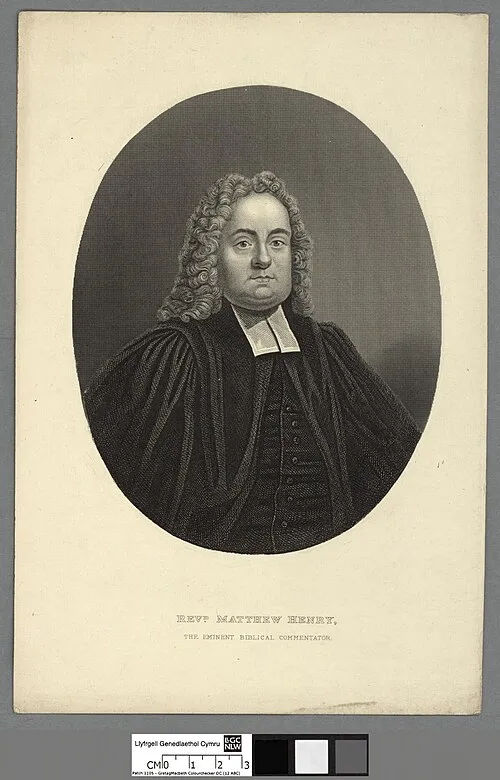
Al lector
Los dos primeros de estos discursos se predicaron (esto es, la sustancia de ellos) en la conferencia matutina de Bednal Green: el primero, el 13 de agosto; el otro, el 21 de agosto de 1712. El último me fue muy rogado que lo publicara, por diversos que lo oyeron; cosa que entonces no pensaba en absoluto hacer, porque en diversos tratados prácticos se nos dan excelentes instrucciones de la misma naturaleza y tendencia, por mejores manos que las mías. Pero, pensándolo de nuevo, consideré que ambos sermones, el de comenzar el día con Dios y el de pasarlo con él, puestos juntos, quizá serían de alguna utilidad para aquellos a cuyas manos no llegan esos tratados más extensos. Y la verdad es que el asunto es de tal naturaleza que, si pueden ser de alguna utilidad, pueden serlo de un modo general y duradero; por lo cual abracé el pensamiento de volverlos a escribir, con adiciones muy amplias de principio a fin, según Dios me capacitara, para la imprenta. Al comunicar este pensamiento a algunos de mis amigos, me animaron mucho a proseguir en él, pero me aconsejaron añadir un tercer discurso, acerca de cerrar el día con Dios, el cual tomé por eso como tema en una conferencia vespertina, el 3 de septiembre, y que asimismo he ampliado y alterado mucho. Y así esto vino a ser lo que es.
No estoy sin esperanzas de que algo se contribuya con esto, entre gente sencilla, por la bendición de Dios sobre el empeño y por la obra de su gracia juntamente con él, a promover la piedad seria, que es lo que pretendo. Y, con todo, confieso que no lo habría publicado, de no destinarlo como presente a mis amigos muy amados del campo, de quienes hace poco he sido arrancado.
Y a ellos, con el más tierno afecto y los más sinceros respetos, se lo dedico, como testimonio de mi constante solicitud por su bien espiritual; esperando y rogando que su conducta sea en todo como conviene al evangelio de Cristo; que, ya vaya yo y los vea, ya esté ausente, oiga con consuelo de sus cosas: que están firmes en un mismo espíritu, con un mismo ánimo, combatiendo juntamente por la fe del evangelio.
Quedo,
su cordial y afectuoso
bienqueriente,
MATTHEW HENRY, 8 de septiembre de 1712
Cómo comenzar cada día con Dios
«Oh Jehová, de mañana oirás mi voz; de mañana me presentaré á ti, y esperaré.» Salmo 5:3
Les parecería una pregunta descortés si yo se la hiciera; y, con todo, he de rogarles que se pregunten con seriedad: ¿Qué los trae aquí tan temprano esta mañana?
¿Y cuál es su negocio aquí? Siempre que estamos atendiendo a Dios en las ordenanzas santas (es más, dondequiera que estemos), deberíamos poder dar una buena respuesta a la pregunta que Dios hizo al profeta: «¿Qué haces aquí, Elías?» Así como, cuando volvemos de las ordenanzas santas, deberíamos poder dar una buena respuesta a la pregunta que Cristo hizo a los que atendían al ministerio de Juan el Bautista: «¿Qué salisteis á ver al desierto?»
Sorprende ver a tantos reunidos aquí: sin duda los campos ya están blancos para la siega; y quiero esperar que no es meramente por un paseo, en esta mañana agradable, que han venido acá; ni por curiosidad, porque la conferencia matutina nunca antes estuvo aquí; que no es por la compañía, ni para encontrar aquí a sus amigos, sino que han venido con un designio piadoso: dar gloria a Dios y recibir gracia de él, y en ambas cosas mantener su comunión con él. Y si nos preguntan a los que somos ministros cuál es nuestro negocio, esperamos poder decir con verdad que es (según Dios nos capacite) asistirlos y adelantarlos en esto. «¿Es pacífica tu venida?», dijeron los ancianos de Belén a Samuel; y así quizá nos dirán ustedes; a lo cual respondemos, como el profeta: pacíficamente venimos a sacrificar a Jehová, y los invitamos al sacrificio.
Mientras la conferencia siga entre ustedes, tienen oportunidad de más que duplicar sus devociones de la mañana. Además de adorar a Dios en secreto y en sus familias —cosa que esto no ha de suplantar ni echar fuera—, aquí invocan el nombre de Dios en la asamblea solemne; y en todos estos ejercicios es tan negocio de ustedes orar juntos una oración como oír un sermón. Y se dice que el origen del ejercicio matutino fue una reunión para la oración, en el tiempo en que la nación gemía bajo el juicio espantoso y asolador de una guerra civil. Tienen también oportunidad de conversar con la palabra de Dios; tienen mandamiento tras mandamiento, y línea sobre línea. ¡Ojalá que, así como la oportunidad los despierta mañana tras mañana, así también (como habla el profeta) se les despierte el oído para que oigan como los sabios, Isaías 50:4!
Pero esto no es todo. Deseamos que este racimo de oportunidades les deje impresiones tales, que permanezcan siempre bajo su influjo; que esta conferencia matutina los deje mejor dispuestos para la adoración de la mañana en lo sucesivo; que estos actos frecuentes de devoción confirmen de tal modo el hábito de ella, que de aquí en adelante su adoración diaria se les haga más fácil y, si se me permite decirlo, en cierto modo natural.
Para ayudarlos en esto, quisiera recomendarles el ejemplo del santo David en el texto. Habiendo resuelto en general, en el versículo 2, que abundaría en el deber de la oración y perseveraría en él —«á ti oraré»—, fija aquí un tiempo propio para ella, y es la mañana: de mañana oirás mi voz; no solamente en la mañana. David se aplicaba con solemnidad al deber de la oración tres veces al día, como Daniel: «Tarde y mañana y á medio día oraré y clamaré», Salmo 55:17. Es más, no le parece bastante, sino: «Siete veces al día te alabo», Salmo 119:164. Pero en particular, en la mañana.
Doctrina. Es sabiduría y deber nuestro comenzar cada día con Dios.
Observemos en el texto:
(I.) La buena obra misma que hemos de hacer. Dios ha de oír nuestra voz; hemos de dirigir a él nuestra oración, y hemos de mirar arriba.
(II.) El tiempo especial señalado, y guardado, para hacer esta buena obra; y es en la mañana, y otra vez en la mañana: es decir, cada mañana, con la misma puntualidad con que llega la mañana.
I. En cuanto a lo primero. La buena obra que, por el ejemplo de David, se nos enseña aquí a hacer es, en una palabra, orar: deber dictado por la luz y la ley de la naturaleza, la cual dice con claridad y a voces: «¿No consultará el pueblo á su Dios?» Pero en el cual el evangelio de Cristo nos da instrucciones mucho mejores, y mucho mayor aliento, que cualquiera que nos suministre la naturaleza; porque nos dice qué hemos de pedir, en nombre de quién hemos de orar y con ayuda de quién, y nos invita a llegar confiadamente al trono de la gracia y a entrar en el santuario por la sangre de Jesús. Esta obra hemos de hacerla no solo en la mañana, sino en otros tiempos, en todo tiempo. Leemos de predicar la palabra fuera de tiempo, pero no leemos de orar fuera de tiempo, porque eso nunca está fuera de tiempo: el trono de la gracia está siempre abierto, y los suplicantes humildes son siempre bienvenidos, y no pueden llegar a deshora. Pero veamos cómo expresa aquí David su piadosa resolución de perseverar en este deber.
A. Oirás mi voz. De dos maneras se puede entender aquí a David. O bien:
- Como quien se promete a sí mismo una aceptación llena de gracia delante de Dios.
«Oirás», es decir, tú oirás mi voz, cuando de mañana dirija a ti mi oración: así es el lenguaje de su fe, fundada sobre la promesa de Dios de que su oído estará siempre abierto al clamor de su pueblo. Había orado, en el versículo 1: «Escucha, oh Jehová, mis palabras»; y en el versículo 2: «Está atento á la voz de mi clamor»; y aquí recibe respuesta a esa oración: tú oirás; no dudo que oirás; y aunque no tenga al instante la concesión de aquello por lo que oré, estoy seguro de que mi oración es oída, es aceptada y sube en memoria, como subió la oración de Cornelio; queda asentada en el registro, y no será olvidada. Si miramos adentro, y podemos decir por experiencia que Dios ha dispuesto nuestro corazón, podemos mirar adelante y decir con confianza que él hará atento su oído.
De esto podemos estar seguros, y hemos de orar en la seguridad de ello, en plena certidumbre de esta fe: que dondequiera que Dios halla un corazón que ora, se dejará hallar como Dios que oye la oración; aunque la voz de la oración sea voz baja, voz débil, con todo, si sale de un corazón recto, es voz que Dios oirá, que oirá con agrado —es su delicia—, y a la cual volverá una respuesta llena de gracia: ha oído tu oración, ha visto tus lágrimas. Por tanto, cuando estamos orando, este ha de ser el suelo sobre el que nos afirmemos, el principio al que nos atengamos, sin dudar nada, sin vacilar en nada: que cualquier cosa que pidamos a Dios como a Padre, en el nombre de Jesucristo el Mediador, conforme a la voluntad de Dios revelada en la Escritura, se nos concederá, ya en la cosa misma, ya en una bondad equivalente. Así es la promesa, Juan 16:23; y la verdad de ella queda sellada por la experiencia concorde de los santos de todas las edades, desde que los hombres comenzaron a llamarse del nombre de Jehová: que el Dios de Jacob nunca ha dicho todavía a la simiente de Jacob: «En vano me buscáis», y no va a empezar ahora.
Cuando venimos a Dios por la oración, si venimos como es debido, podemos estar confiados de esto: que, no obstante la distancia entre el cielo y la tierra, y nuestra gran indignidad de que se repare en nosotros o se nos muestre favor alguno, con todo Dios oye nuestra voz, y no echará de sí nuestra oración, ni de nosotros su misericordia. O bien, 2. Ha de tomarse más bien como la promesa que David hace a Dios de una asistencia constante, por el camino que él ha señalado. «Oirás mi voz», es decir: yo te hablaré; porque muchas veces has inclinado a mí tu oído, por eso he tomado la resolución de invocarte en todo tiempo, hasta el fin de mi tiempo. No pasará un día sin que de cierto hayas de oír de mí. No que la voz sea lo que Dios mira, como parecían pensar aquellos que en la oración hacían que su voz fuese oída en lo alto, Isaías 58:4. Ana oró, y prevaleció, cuando su voz no era oída; pero la que aquí se entiende es la voz del corazón. Dios dice a Moisés: «¿Por qué clamas á mí?», cuando no hallamos que haya dicho una sola palabra, Éxodo 14:15. Orar es levantar el alma a Dios y derramar delante de él el corazón; sin embargo, en cuanto expresar con palabras los afectos devotos del corazón sirva para fijar los pensamientos y para excitar y avivar los deseos, bueno es acercarse a Dios no solo con un corazón puro, sino con una voz humilde. Así hemos de ofrecer los becerros de nuestros labios.
Con todo, Dios entiende el lenguaje del corazón, y ese es el lenguaje en que hemos de hablarle. David ora aquí, en el versículo 1, no solo: «escucha mis palabras», sino: «considera la meditación mía»; y en el Salmo 19:14: sean gratos los dichos de mi boca, procedentes de la meditación de mi corazón, delante de ti.
Esto, pues, hemos de hacer en cada oración: hemos de hablar a Dios; hemos de escribirle. Decimos que oímos de un amigo de quien recibimos una carta; hemos de cuidar que Dios oiga de nosotros cada día. a. Él lo espera y lo exige. Aunque no tiene necesidad de nosotros ni de nuestros servicios, ni puede ser beneficiado por ellos, nos ha obligado a ofrecerle continuamente el sacrificio de la oración y de la alabanza.
-
Así mantendrá su autoridad sobre nosotros, y nos mantendrá continuamente en memoria de nuestra sujeción a él, la cual somos propensos a olvidar. Exige que por la oración le paguemos solemnemente nuestro homenaje y demos honra a su nombre, para que, por este acto y hecho nuestro, repetido con tanta frecuencia, fortalezcamos las obligaciones en que estamos de guardar sus estatutos y cumplir sus leyes, y sintamos más y más el peso de ellas. Él es tu Señor: inclínate a él; para que, por frecuentes adoraciones humildes de sus perfecciones, te hagas más fácil un cumplimiento constante y humilde de su voluntad. Haciendo reverencia, estamos aprendiendo la obediencia.
-
Así dará testimonio de su amor y de su compasión hacia nosotros. Habría sido prueba abundante de su solicitud por nosotros, y de su bondad para con nosotros, si solo hubiera dicho: que yo oiga de ustedes cuantas veces haya ocasión; invóquenme en el tiempo de la angustia o de la necesidad, y eso basta. Pero, para mostrar su complacencia en nosotros, como un padre muestra su afecto al hijo cuando lo envía lejos, nos da esta encomienda: que yo oiga de ustedes cada día, por cada correo, aunque no tengan ningún negocio particular. Lo cual muestra que la oración de los rectos es su delicia; es música en sus oídos. Cristo dice a su paloma: «muéstrame tu rostro, hazme oir tu voz; porque dulce es la voz tuya, y hermoso tu aspecto», Cantares 2:14. Y es a la esposa, la iglesia, a quien Cristo habla al cierre de ese Cantar de los Cantares: «Oh tú la que moras en los huertos» (en el original es femenino), «los compañeros escuchan tu voz: házmela oir». ¡Qué vergüenza es esta para nosotros: que Dios esté más dispuesto a que se le ore, y más pronto a oír la oración, de lo que nosotros lo estamos a orar! b. Tenemos algo que decir a Dios cada día. Muchos no sienten esto, y es su pecado y su miseria: viven sin Dios en el mundo; piensan que pueden vivir sin él; no sienten su dependencia de él ni sus obligaciones para con él, y por eso, de su parte, no tienen nada que decirle. Él nunca oye de ellos, no más de lo que el padre oía de su hijo pródigo cuando andaba de aquí para allá, de un cabo de la semana al otro. Preguntan con desprecio: ¿qué puede hacer por ellos el Todopoderoso? Y entonces no es maravilla que pregunten en seguida: «¿y de qué nos aprovechará que oremos á él?» El resultado es que dicen al Todopoderoso: «Apártate de nosotros»; y así será su sentencia. Pero espero de ustedes, hermanos míos, cosas mejores, y que no son de aquellos que disipan el temor y menoscaban la oración delante de Dios. Todos están prontos a reconocer que hay muchísimo que el Todopoderoso puede hacer por ustedes, y que hay provecho en orarle; resuelvan, pues, allegarse a Dios, para que él se allegue a ustedes.
Tenemos algo que decir a Dios cada día.
- Como a un amigo a quien amamos y con quien tenemos confianza. A tal amigo no podemos pasar de largo sin visitarlo, y nunca nos falta algo que decirle, aunque no tengamos con él ningún negocio particular. A tal amigo le abrimos el pecho, le profesamos nuestro amor y nuestra estima, y con placer le comunicamos nuestros pensamientos. Abraham es llamado amigo de Dios, y este honor lo tienen todos los santos. «Ya no os llamaré siervos —dice Cristo—, mas os he llamado amigos»; su secreto es con los rectos. Se nos invita a amistarnos con él y a caminar con él como camina un amigo con otro. La comunión de los creyentes se dice que es con el Padre y con su Hijo Jesucristo. ¿Y no tenemos, entonces, nada que decirle?
¿No es encargo bastante al trono de su gracia admirar sus perfecciones infinitas, que nunca podemos comprender del todo y, con todo, nunca contemplar lo bastante, y deleitarnos en ellas? ¿Complacerse en mirar la hermosura de Jehová y darle la gloria debida a su nombre? ¿No tenemos muchísimo que decirle, en reconocimiento de su gracia y favor que se abajan hasta nosotros, al manifestarse a nosotros y no al mundo, y en profesión de nuestro afecto y de nuestra sumisión a él? «Señor, tú sabes todas las cosas; tú sabes que te amo.»
Dios tiene algo que decirnos, como amigo, cada día: por la palabra escrita, en la cual hemos de oír su voz; por sus providencias, y por nuestras propias conciencias. Y él atiende y oye si tenemos algo que decirle por vía de respuesta; y somos muy poco amigos si no lo tenemos. Cuando nos dice: «Buscad mi rostro», ¿no deberían nuestros corazones responder, como a uno a quien amamos: «Tu rostro, oh Jehová, buscaremos»? Cuando nos dice: «Convertíos, hijos rebeldes», ¿no deberíamos responder al punto: «He aquí nosotros venimos á ti; porque tú eres Jehová nuestro Dios»? Si nos habla por vía de convicción y de reprensión, ¿no debemos volver respuesta por vía de confesión y de sumisión? Si nos habla por vía de consuelo, ¿no debemos responder con alabanza? Si aman a Dios, no pueden andar escasos de algo que decirle, algo que sus corazones derramen delante de él, y que su gracia ya ha puesto allí.
- Como a un amo a quien servimos y con quien tenemos negocios. Piensen cuán numerosos e importantes son los asuntos que median entre nosotros y Dios, y reconocerán fácilmente que tienen muchísimo que decirle. Dependemos de él de continuo; toda nuestra expectación es de él; tenemos tratos continuos con él: él es el Dios con quien tenemos que tratar, Hebreos 4:13. [N. del T.: la RV1909 dice «aquel á quien tenemos que dar cuenta».]
¿No sabemos que nuestra dicha está atada a su favor; que es vida, la vida de nuestras almas; que es mejor que la vida, mejor que la vida de nuestros cuerpos? ¿Y no tenemos negocio con Dios para buscar su favor, para rogarlo con todo el corazón, para pedir como quien pide por su vida que alce sobre nosotros la luz de su rostro, y para alegar la justicia de Cristo, como aquello único por lo cual podemos esperar alcanzar la misericordia de Dios?
¿No sabemos que hemos ofendido a Dios, que por el pecado nos hemos hecho reos de su ira y de su maldición, y que cada día estamos contrayendo culpa? ¿Y no tenemos entonces negocio bastante con él para confesar nuestra falta y nuestra necedad, para pedir perdón en la sangre de Cristo y, en aquel que es nuestra paz, hacer nuestra paz con Dios, y renovar nuestros pactos con él, en su propia fuerza, para ir y no pecar más?
¿No sabemos que cada día tenemos obra que hacer para Dios y para nuestras propias almas, la obra del día, que ha de hacerse en su día? ¿Y no tenemos entonces negocio con Dios, para rogarle que nos muestre lo que quiere que hagamos, que nos dirija en ello y nos fortalezca para ello? ¿Para acudir a él por auxilio y por aceptación: que obre en nosotros así el querer como el hacer aquello que es bueno, y luego favorezca y reconozca su propia obra? Tal negocio tiene el siervo con su amo.
¿No sabemos que estamos de continuo en peligro? Lo están nuestros cuerpos, y sus vidas y sus consuelos: estamos de continuo rodeados de enfermedades y de muertes, cuyas saetas vuelan a medianoche y a mediodía. ¿Y no tenemos entonces negocio con Dios, al salir y al entrar, al acostarnos y al levantarnos, para ponernos bajo la protección de su providencia, para quedar al cargo de sus santos ángeles? Mucho más lo están nuestras almas, y sus vidas y sus consuelos. Es contra ellas que guerrea nuestro adversario el diablo, adversario fuerte y astuto, y busca devorarlas. ¿Y no tenemos entonces negocio con Dios para ponernos bajo la protección de su gracia y vestirnos de su armadura, a fin de poder estar firmes contra las asechanzas y las violencias de Satanás; de modo que ni una tentación repentina nos sorprenda en el pecado, ni una tentación fuerte nos venza?
¿No sabemos que morimos cada día; que la muerte está obrando en nosotros y se apresura hacia nosotros; y que la muerte nos lleva al juicio, y el juicio nos fija en nuestro estado eterno? ¿Y no tenemos entonces algo que decir a Dios, en preparación para lo que tenemos delante? ¿No diremos: «¡Señor, haznos saber nuestro fin! ¡Señor, enséñanos a contar nuestros días!»? ¿No tenemos negocio con Dios para juzgarnos a nosotros mismos, a fin de no ser juzgados, y para mirar que nuestras cosas estén rectas y buenas?
¿No sabemos que somos miembros de aquel cuerpo cuya cabeza es Cristo, y no estamos interesados en mostrarnos miembros vivos? ¿No tenemos entonces negocio con Dios, por la cuenta pública, para hacer intercesión por su iglesia? ¿No tenemos nada que decir por Sion? ¿Nada en favor de los muros arruinados de Jerusalén? ¿Nada por la paz y el bienestar de la tierra de nuestro nacimiento? ¿Acaso no somos de la familia, o no somos en ella más que niños, para no ocuparnos en los asuntos de ella?
¿No tenemos parientes, ni amigos que nos son queridos, en cuyos gozos y penas tenemos parte? ¿Y no tenemos nada que decir a Dios por ellos? ¿Ninguna queja que presentar, ninguna petición que dar a conocer? ¿No está enfermo o en angustia alguno de ellos? ¿Alguno, tentado o desconsolado? ¿Y no tenemos encargos al trono de la gracia, para pedir alivio y socorro para ellos?
Junten ahora todo esto, y consideren entonces si no tienen algo que decir a Dios cada día; y en particular en los días de angustia, cuando conviene que se diga a Dios: «Llevado he ya castigo»; y cuando, si tienen algún sentido de las cosas, le dirán: «no me condenes». c. Si tienen todo esto que decir a Dios, ¿qué ha de impedirles el decirlo? ¿El decirlo cada día? ¿Por qué no ha de oír él la voz de ustedes, cuando tienen para él tantos encargos?
-
No dejen que la distancia les impida decirlo. Tienen ocasión de hablar con un amigo, pero está muy lejos; no pueden alcanzarlo; no saben dónde hallarlo, ni cómo hacerle llegar una carta, y por eso su negocio con él queda sin hacer. Pero esto no tiene por qué impedirles hablar a Dios; porque, aunque es verdad que Dios está en el cielo y nosotros sobre la tierra, con todo está cerca de su pueblo que ora, en todo aquello en que lo invocan, y oye su voz dondequiera que estén. «De los profundos, oh Jehová, á ti clamo», dice David, Salmo 130:1. «Desde el cabo de la tierra clamaré á ti», Salmo 61:2. Es más, dice Jonás: «del vientre del sepulcro clamé, y mi voz oiste». En todo lugar podemos hallar abierto un camino hacia el cielo. Gracias a aquel que por su propia sangre nos ha consagrado un camino nuevo y vivo hasta el santuario, y ha establecido una correspondencia entre el cielo y la tierra.
-
No dejen que el temor les impida decir lo que tienen que decir a Dios. Tienen negocio, quizá, con un hombre importante; pero está muy por encima de ustedes, o es tan áspero y severo con todos sus inferiores, que temen hablarle; y no tienen a nadie que los introduzca, o que diga por ustedes una buena palabra, y por eso escogen más bien dejar caer su causa. Pero no hay ocasión para que así se desanimen al hablar a Dios. Pueden llegar confiadamente al trono de su gracia; tienen allí libertad de palabra, licencia para derramar el alma entera. Y tales son sus compasiones hacia los suplicantes humildes, que ni siquiera su terror tiene por qué atemorizarlos. Es contra la mente de Dios que ustedes se espanten a sí mismos; él quiere que cobren ánimo, porque no han recibido el espíritu de servidumbre para estar otra vez en temor, sino el espíritu de adopción, por el cual son introducidos en esta, entre otras, de las libertades gloriosas de los hijos de Dios. Y no es esto todo: abogado tenemos para con el Padre. ¿Acaso necesitaron jamás los hijos un abogado para con un padre? Pero, a fin de que por aquellas dos cosas inmutables, en las cuales es imposible que Dios mienta, tengamos un fortísimo consuelo, no tenemos solo la relación de un Padre en que apoyarnos, sino el interés y la intercesión de un abogado: un gran sacerdote sobre la casa de Dios, en cuyo nombre tenemos entrada con confianza.
-
No dejen que les impida el que él sepa cuál es el negocio de ustedes, y qué tienen que decirle. Tienen negocio con determinado amigo, pero piensan que no necesitan tomarse molestia alguna, porque él ya está enterado: sabe lo que les falta y lo que desean, y por eso no hace al caso hablarle. Es verdad que todo el deseo de ustedes está delante de Dios; él conoce sus necesidades y sus cargas; pero quiere conocerlas de parte de ustedes. Ha prometido el alivio de ustedes; pero su promesa ha de ponerse en pleito, y para esto «será solicitado de la casa de Israel, para hacerles esto», Ezequiel 36:37. Aunque con nuestras oraciones no podemos darle información alguna, con nuestras oraciones hemos de darle honra. Es verdad que nada de cuanto podemos decir puede tener influjo alguno sobre él, ni moverlo a mostrarnos misericordia; pero puede tener influjo sobre nosotros mismos, y ayudar a ponernos en una disposición apta para recibir misericordia. Es condición muy fácil y muy razonable de sus favores: «Pedid, y se os dará». Fue para enseñarnos la necesidad de orar, a fin de recibir el favor, que Cristo hizo a los ciegos aquella pregunta extraña: «¿Qué queréis que haga por vosotros?» Sabía lo que querían; pero los que tocan la punta del cetro de oro han de estar prontos a decir cuál es su petición y cuál es su demanda.
-
No dejen que ningún otro negocio impida que digamos lo que tenemos que decir a Dios. Tenemos negocio con un amigo, quizá, pero no podemos hacerlo, porque no tenemos tiempo libre; tenemos otra cosa que hacer, que nos parece más necesaria. Pero eso no podemos decirlo del negocio que tenemos que hacer con Dios; porque ese es, sin duda alguna, la única cosa necesaria, a la cual todo lo demás ha de doblegarse y ceder el paso. No es en absoluto necesario para nuestra dicha que seamos grandes en el mundo, o que levantemos haciendas hasta tal altura. Pero es absolutamente necesario que hagamos nuestra paz con Dios, que obtengamos su favor y que nos conservemos en su amor. Por tanto, ningún negocio del mundo servirá para excusar nuestra asistencia delante de Dios; antes al contrario: cuanto más importante es nuestro negocio mundano, más necesidad tenemos de acudir a Dios en oración, pidiendo su bendición sobre ese negocio, y de llevarlo así con nosotros en él. Cuanto más de cerca nos tengamos a la oración, y a Dios en la oración, más prosperarán todos nuestros asuntos.
¿Prevaleceré ahora con ustedes, para que dejen que Dios oiga de ustedes con frecuencia? Dejen que oiga la voz de ustedes, aunque no sea más que una voz del respiro de ustedes (Lamentaciones 3:56), que es señal de vida; aunque sea la voz de sus gemidos, y tan débiles que no se pueden expresar, Romanos 8:26. Háblenle, aunque sea en lenguaje entrecortado, como Ezequías: «Como la grulla y como la golondrina me quejaba», Isaías 38:14. Háblenle a menudo; él está siempre al alcance del oído. Óiganlo hablarles a ustedes, y tengan eso a la vista en todo cuanto le digan: como, cuando escriben respuesta a una carta de negocios, la ponen delante de sí. La palabra de Dios ha de ser la guía de los deseos de ustedes, y el fundamento de sus expectaciones en la oración; ni pueden esperar que él preste oído benigno a lo que ustedes le dicen, si ustedes hacen oído sordo a lo que él les dice.
Ven que tienen ocasión frecuente de hablar con Dios, y por tanto les importa crecer en el conocimiento de él, cuidarse de hacer cosa alguna que lo desagrade, y fortalecer su interés en el Señor Jesús, por quien solamente tienen entrada con denuedo hasta él. Mantengan afinada la voz para la oración, y sea todo el lenguaje de ustedes un lenguaje puro, a fin de que sean aptos para invocar el nombre de Jehová, Sofonías 3:9. Y en cada oración recuerden que le están hablando a Dios, y hagan ver que tienen el temor de él sobre el espíritu. No nos demos prisa con nuestra boca, ni nos apresuremos a proferir cosa alguna delante de Dios; pésese bien cada palabra, porque Dios está en el cielo, y nosotros sobre la tierra, Eclesiastés 5:2. Y si él no nos hubiera invitado y animado a hacerlo, habría sido presunción imperdonable que unos gusanos pecadores como somos habláramos al Señor de la gloria, Génesis 18:27. Y nos importa hablar de corazón, con todo el corazón; porque es por nuestras vidas, y por las vidas de nuestras almas, que le estamos hablando.
B. Hemos de dirigir a Dios nuestra oración. No basta que oiga nuestra voz: hemos de dirigirnos a él con deliberación y con designio. En el original no hay más que: «a ti dirigiré». Podría suplirse: dirigiré a ti mi alma, de acuerdo con el Salmo 25:1: «A TI, oh Jehová, levantaré mi alma». O bien: dirigiré a ti mis afectos; habiendo puesto en ti mi amor, dejaré salir hacia ti mi amor. Nuestra traducción lo suple muy bien: dirigiré a ti mi oración. Esto es: [N. del T.: la RV1909 dice «me presentaré»; Henry explica el verbo inglés «direct», «dirigir».]
-
Cuando ore a ti, dirigiré mis oraciones; y entonces señala una fijeza de los pensamientos, y una aplicación estrecha de la mente, al deber de la oración. Hemos de emprenderla con solemnidad, como quienes tienen en ella algo de peso, muy en el corazón y muy a la vista, y por eso no se atreven a jugar con ella. Cuando vamos a orar, no hemos de dar el sacrificio de los necios, que no piensan ni qué es lo que se ha de hacer, ni qué es lo que se ha de ganar, sino hablar palabras de sabios, que en lo que dicen apuntan a algún buen fin, y lo ajustan a ese fin. Hemos de tener en el ojo la gloria de Dios y nuestra propia y verdadera dicha; y tan bien ordenado está el pacto de la gracia, que Dios se ha complacido en entrelazar allí sus intereses con los nuestros, de modo que, al buscar su gloria, buscamos real y eficazmente nuestros verdaderos intereses. Esto es dirigir la oración, como dirige la flecha el que la dispara a un blanco, y con ojo fijo y mano firme apunta con acierto. Esto es empeñar el corazón para que se acerque a Dios y, a fin de eso, desembarazarlo de todo lo demás. Quien apunta con un ojo, cierra el otro. Si queremos dirigir a Dios una oración, hemos de apartar la mirada de todas las otras cosas; hemos de recoger nuestros pensamientos vagabundos; hemos de citarlos a todos para que se acerquen y den asistencia, porque aquí hay una obra que hacer que los necesita a todos, y que es bien digna de todos ellos. Así hemos de poder decir con el salmista: «Pronto está mi corazón, oh Dios, mi corazón está dispuesto».
-
Cuando dirija mi oración, la dirigiré a ti.
Y así habla, a. De la sinceridad de nuestra intención habitual en la oración. No hemos de dirigir nuestra oración a los hombres, para ganar con ellos alabanza y aplauso, como hacían los fariseos, que pregonaban sus devociones como pregonaban sus limosnas, a fin de ganar una reputación, de la cual sabían sacar partido. De cierto tienen su recompensa: los hombres los alaban, pero Dios aborrece su soberbia y su hipocresía. No hemos de dejar que nuestras oraciones corran a la ventura, como aquellos que decían: «¿Quién nos mostrará el bien?» Ni dirigirlas al mundo, cortejando sus sonrisas y persiguiendo sus riquezas, como aquellos de quienes se dice que no clamaron a Dios con su corazón, porque para el trigo y el mosto se congregaron, Oseas 7:14. No sea el yo, el yo carnal, el manantial y el centro de las oraciones de ustedes, sino Dios. Esté fijo el ojo del alma en él, como el fin más alto de ustedes en sus recursos a él. Sea esta la disposición habitual de sus almas: ser para su Dios por nombre y por alabanza; y sea este el designio de todos sus deseos: que Dios sea glorificado; y por esto sean todos dirigidos, determinados, santificados y, cuando haga falta, corregidos. Nuestro Salvador nos ha enseñado esto con claridad, en la primera petición del Padrenuestro, que es: «santificado sea tu nombre». En ella fijamos nuestro fin, y las demás cosas se desean en orden a ese fin. En ella la oración se dirige a la gloria de Dios, en todo aquello por lo cual se ha dado a conocer: la gloria de su santidad; y es con la mira puesta en que su nombre sea santificado, que deseamos que venga su reino y que sea hecha su voluntad, y que seamos alimentados, guardados y perdonados. Una mira habitual a la gloria de Dios es aquella sinceridad que es nuestra perfección evangélica: aquel ojo sencillo que, donde está, todo el cuerpo, toda el alma, está lleno de luz. Así se dirige a Dios la oración. b. Habla de la firmeza de nuestra atención actual a Dios en la oración. Hemos de dirigir a Dios nuestra oración; esto es, hemos de pensar de continuo en él, como aquel con quien tenemos que ver en la oración. Hemos de dirigir nuestra oración como dirigimos la palabra a la persona con quien tenemos negocio. La Biblia es una carta que Dios nos ha enviado; la oración es una carta que nosotros le enviamos a él. Ahora bien, saben que es esencial a una carta el que vaya dirigida, y de sustancia el que vaya dirigida con acierto; si no, corre peligro de extraviarse, lo cual puede tener mala consecuencia. Oran cada día, y en ello envían cartas a Dios; no saben lo que pierden si sus cartas se extravían. ¿Querrán, pues, recibir instrucciones de cómo dirigírselas? 1) Denle sus títulos, como hacen cuando se dirigen a una persona de honra. Diríjanse a él como el gran Jehová, Dios sobre todas las cosas, bendito por los siglos; el Rey de reyes y Señor de señores; como el Señor Dios clemente y misericordioso. Llenen de santas adoraciones y admiraciones de él el corazón y la boca, y aférrense a aquellos títulos suyos que son propios para herir en la mente un santo temor de él, a fin de que lo adoren con reverencia y temor piadoso. Dirijan su oración a él como al Dios de gloria, en quien hay majestad terrible, y cuya grandeza es inescrutable, para que no se atrevan a trivializar con él, ni a burlarse de él en lo que le dicen.
-
Reparen en la relación de ustedes con él, como hijos suyos, y no dejen que esa relación se pase por alto y se pierda en las adoraciones reverentes de sus glorias. Me han contado de un hombre bueno entre cuyas experiencias, de las cuales llevaba registro, se halló después de muerto, entre otras cosas, esta: que en tal ocasión, en la oración secreta, su corazón al principio del deber se ensanchó mucho en dar a Dios aquellos títulos que son imponentes y tremendos, llamándolo el Dios Grande, Fuerte y Terrible; pero, yendo así adelante, se contuvo con este pensamiento: ¿y por qué no mi Padre? Cristo, tanto con su precepto como con su ejemplo, nos ha enseñado a dirigirnos a Dios como a nuestro Padre; y el espíritu de adopción nos enseña a clamar: Abba, Padre. Un hijo, aunque pródigo, cuando vuelve y se arrepiente, puede ir a su padre y decirle: Padre, he pecado; y aunque ya no sea digno de ser llamado hijo, con todo, humildemente osado para llamarlo padre. Cuando Efraín se lamenta de sí como novillo indómito, Dios se lamenta de él como de hijo precioso, como de niño delicioso, Jeremías 31:18, 20. Y si Dios no se avergüenza, no temamos nosotros reconocer la relación.
-
Dirijan a él su oración, en el cielo. Esto nos lo ha enseñado nuestro Salvador en el prefacio del Padrenuestro: «Padre nuestro que estás en los cielos». No que esté confinado a los cielos, ni como si el cielo, o el cielo de los cielos, pudiera contenerlo; sino que allí se dice que ha preparado su trono: no solo su trono de gobierno, por el cual su reino se enseñorea de todo, sino su trono de gracia, al cual hemos de acercarnos por la fe. Hemos de mirarlo como Dios en el cielo, por oposición al dios de los paganos, que habitaba en templos hechos de manos. El cielo es un lugar alto, y hemos de dirigirnos a él como a un Dios infinitamente por encima de nosotros; es la fuente de la luz, y a él hemos de dirigirnos como al Padre de las luces; es un lugar de atalaya, y hemos de ver su ojo sobre nosotros, contemplando desde allí a todos los hijos de los hombres; es un lugar de pureza, y en la oración hemos de mirarlo como un Dios santo, y alabar la memoria de su santidad; es el firmamento de su poder, y hemos de depender de él como de aquel a quien pertenece el poder. Cuando nuestro Señor Jesús oraba, alzaba los ojos al cielo, para indicarnos de dónde hemos de esperar las bendiciones que necesitamos.
-
Dirijan esta carta para que quede en manos del Señor Jesús, el único Mediador entre Dios y los hombres. De cierto se extraviará si no se pone en su mano, que es aquel otro ángel que añade mucho incienso a las oraciones de los santos, y así perfumadas las presenta al Padre, Apocalipsis 8:3.
Lo que pidamos al Padre ha de ser en su nombre; lo que esperemos del Padre ha de ser por su mano; porque él es el Pontífice de nuestra profesión, constituido a favor de los hombres para ofrecer sus dones, Hebreos 5:1. Dirijan la carta para que quede en manos de él, y él la entregará con cuidado y con presteza, y hará acepto nuestro servicio. El señor George Herbert, en su poema llamado La bolsa, habiendo descrito con patetismo la herida del costado de Cristo mientras colgaba de la cruz, lo hace hablar así a todos los creyentes, cuando iba camino del cielo.
Si algo tienen que enviar o escribir, no tengo bolsa, mas aquí hay lugar; a las manos de mi Padre y a su vista, créanme, ha de llegar seguro. Yo tendré presente lo que me confíen; miren: pueden ponerlo muy junto a mi corazón. O si después alguno de mis amigos quisiere usarme de este modo, la puerta seguirá abierta; lo que él envíe yo lo presentaré, y algo más, no para su daño. Los suspiros conducen cualquier cosa hasta mí. ¡Oye, desesperación, vete!
C. Hemos de mirar arriba; esto es: [N. del T.: la RV1909 dice «esperaré»; Henry explica el inglés «look up», «mirar arriba».]
-
Hemos de mirar arriba en nuestras oraciones, como quienes hablan a uno que está sobre nosotros, infinitamente sobre nosotros: el Alto y Sublime, el que habita la eternidad; como quienes esperan que toda buena dádiva y todo don perfecto venga de lo alto, del Padre de las luces; como quienes desean, en la oración, entrar en el santuario y acercarse con corazón verdadero. Con ojo de fe hemos de mirar por encima del mundo y de todo lo que hay en él; hemos de mirar más allá de las cosas del tiempo. ¿Qué es este mundo, y todas las cosas de aquí abajo, para quien sabe estimar como es debido las bendiciones espirituales en las cosas celestiales por Jesucristo? El espíritu del hombre, en la muerte, sube arriba (Eclesiastés 3:21), porque vuelve a Dios, que lo dio; y por tanto, teniendo presente su origen, en cada oración ha de mirar hacia arriba: hacia su Dios, hacia su hogar, como quien puso el afecto en las cosas de arriba, en las cuales ha guardado su tesoro. Levantemos, pues, en la oración nuestros corazones con las manos a Dios en los cielos, Lamentaciones 3:41. Antiguamente era costumbre, en algunas iglesias, que el ministro excitara al pueblo a orar con esta palabra: Sursum Corda, arriba los corazones; a ti, oh Jehová, levantamos nuestras almas.
-
Hemos de mirar arriba después de nuestras oraciones. a. Con ojo de satisfacción y de placer. Mirar arriba es señal de alegría, como la mirada baja lo es de melancolía. Hemos de mirar arriba como quienes, habiéndose remitido a Dios por la oración, están tranquilos y bien contentos, y con entera confianza en su sabiduría y en su bondad esperan con paciencia el desenlace. Ana, cuando hubo orado, miró arriba, se le alegró el semblante; «fuése la mujer su camino, y comió, y no estuvo más triste», 1 Samuel 1:18. La oración es alivio del corazón para un buen cristiano; y, cuando hemos orado, hemos de mirar arriba como quienes por gracia lo han hallado así. b. Con ojo de observación: qué respuestas da Dios a nuestras oraciones. Hemos de mirar arriba como mira tras la flecha quien la ha disparado, para ver cuán cerca llega del blanco. Hemos de mirar dentro de nosotros, y observar cuál es el temple de nuestro espíritu después de haber estado en la oración: cuán satisfechos quedamos en la voluntad de Dios, y cuán bien dispuestos a acomodarnos a ella. Hemos de mirar en derredor, y observar cómo obra la providencia respecto de nosotros, para que, si nuestras oraciones son respondidas, volvamos a dar gracias; si no, quitemos lo que estorba, y sigamos esperando. Así hemos de ponernos sobre nuestra atalaya, para ver qué nos dirá Dios, Habacuc 2:1 [N. del T.: el impreso dice «HEB 2:1»; el texto es Habacuc 2:1.]; y hemos de estar prontos a oírlo, Salmo 85:8: esperando que Dios nos dé respuesta de paz, y resolviendo que no volveremos más a la locura. Así hemos de mantener nuestra comunión con Dios, esperando que, siempre que levantemos a él el corazón, él alce sobre nosotros la luz de su rostro. A veces la respuesta es pronta: «aun estando ellos hablando, yo habré oído»; más pronta que el regreso de cualquiera de los correos de ustedes. Pero si no lo es, cuando hemos orado, hemos de esperar.
Aprendamos así a dirigir nuestras oraciones, y así a mirar arriba; y seamos íntimos con Dios en cada deber: hagamos de ello obra del corazón, o no haremos nada de ello. No adoremos en el atrio de afuera, cuando se nos manda y se nos anima a entrar hasta dentro del velo.
II. En cuanto a lo segundo. El tiempo particular fijado en el texto para esta buena obra es la mañana; y el salmista parece cargar el acento sobre esto: de mañana, y otra vez de mañana; no solo entonces, sino para empezar entonces. Sea esa una de las horas de la oración. Bajo la ley hallamos que cada mañana se ofrecía un cordero en sacrificio, Éxodo 29:39; y cada mañana el sacerdote quemaba incienso, Éxodo 30:7; y los cantores asistían cada mañana para alabar a Jehová, 1 Crónicas 23:30. Y así fue dispuesto en el templo de Ezequiel, Ezequiel 46:13, 14, 15. Con lo cual se daba claramente a entender que los sacrificios espirituales habían de ser ofrecidos por los sacerdotes espirituales cada mañana, con la misma puntualidad con que llega la mañana. Todo cristiano debe orar en secreto, y todo padre de familia con su familia, mañana tras mañana; y hay buena razón para ello.
A. La mañana es la primera parte del día, y conviene que el que es el primero tenga lo primero, y sea servido el primero. Los paganos podían decir: A Jove Principium; cualquier cosa que hagan, empiécenla por Dios. El mundo tuvo de él su principio; el nuestro lo tuvimos nosotros; y por tanto, cualquier cosa que empecemos, nos importa llevarlo a él con nosotros en ella. Los días de nuestra vida, tan pronto como amanece en el alma el sol de la razón, deben consagrarse a Dios y emplearse en su servicio. Desde el seno de la aurora, tenga Cristo el rocío de la juventud, Salmo 110:3. Las primicias habían de ser siempre de Jehová, y los primogénitos del rebaño. Con la oración de la mañana y de la tarde damos gloria a aquel que es el Alpha y la Omega, el primero y el postrero. Con él hemos de empezar y acabar el día, empezar y acabar la noche: él, que es el principio y el fin, la causa primera y el fin último.
Dijo la Sabiduría: «me hallan los que madrugando me buscan»; temprano en la vida, temprano en el día; porque con esto damos a Dios aquello que debe tener: la preferencia sobre las demás cosas. Con esto mostramos que tenemos cuidado de agradarle y de aprobarnos delante de él, y que lo buscamos con diligencia. Lo que hacemos con empeño, se dice en la Escritura que lo hacemos temprano (como en el Salmo 101:8). [N. del T.: allí el inglés «early» vale «con empeño»; la RV1909 dice «Por las mañanas».] Los hombres laboriosos madrugan. David expresa la fuerza y el calor de su devoción cuando dice: «DIOS, Dios mío eres tú: levantaréme á ti de mañana», Salmo 63:1.
B. En la mañana estamos frescos y vivos, y en la mejor disposición: cuando nuestros espíritus han revivido con el descanso y el sueño de la noche, y vivimos una especie de vida nueva, y se han olvidado las fatigas del día anterior. El Dios de Israel ni se adormece ni duerme; y, con todo, cuando se esfuerza más de lo ordinario en favor de su pueblo, se dice que despierta como quien ha dormido, Salmo 78:65. Si alguna vez servimos para algo, es en la mañana; por eso ha venido a ser proverbio: Aurora Musis Amica; y si la mañana es amiga de las musas, seguro estoy de que no lo es menos de las gracias. Como el que es el primero debe tener lo primero, así el que es el mejor debe tener lo mejor; y entonces, cuando estamos más aptos para los negocios, debemos aplicarnos a aquel que es el negocio más necesario.
Adorar a Dios es obra que requiere las mejores potencias del alma, cuando están en su mejor punto; y bien las merece. ¿Cómo podrían emplearse mejor, o de modo que rindan mejor cuenta? «Bendigan todas mis entrañas su santo nombre», dice David; y aun todo es poco. Si hay en nosotros algún don con el cual Dios pueda ser honrado, la mañana es el tiempo más propio para avivarlo (2 Timoteo 1:6), cuando nuestros espíritus están refrigerados y han cobrado nuevo vigor. Entonces: «Despierta, oh gloria mía; despierta, salterio y arpa: levantaréme de mañana», Salmo 57:8. Entonces despertémonos para asirnos de Dios.
C. En la mañana estamos más libres de compañía y de negocios, y de ordinario tenemos la mejor oportunidad para la soledad y el recogimiento; a menos que seamos de aquellos perezosos que se quedan en la cama, con un poco más de sueño, un poco más de dormitar, hasta que los llama la obra de su oficio, con un: «Perezoso, ¿hasta cuándo has de dormir?» Es sabiduría de quienes tienen mucho que hacer en el mundo, que apenas disponen de un minuto para sí en todo el día, tomar tiempo en la mañana, antes de que los negocios se les echen encima, para el negocio de su religión: a fin de poder darse a él por entero, y por tanto con mayor atención.
Así como nos importa adorar a Dios cuando menos cargados estamos, por dentro, de frialdad y de embotamiento, así también cuando menos expuestos estamos, por fuera, a la distracción y al desvío. El apóstol da a entender cuánto ha de importarnos el llegarnos al Señor sin impedimento, 1 Corintios 7:35. Y por eso aquel un día de cada siete (y es también el primer día, la mañana de la semana) que está señalado para la obra santa, está señalado para ser día de descanso de la otra obra. Abraham lo deja todo al pie del monte, cuando sube al monte a adorar a Dios. En la mañana, pues, conversemos con Dios, y apliquémonos a los intereses de la otra vida, antes de enredarnos en los asuntos de esta. De esto nos ha puesto ejemplo nuestro Señor Jesús, el cual, porque el día se le llenaba por entero de negocio público para Dios y para las almas de los hombres, madrugaba mucho, aun muy de noche, y antes de que entrara gente, y salía a un lugar desierto, y allí oraba, Marcos 1:35.
D. En la mañana hemos recibido de Dios misericordias frescas, las cuales nos importa reconocer con agradecimiento, para alabanza suya. Él está de continuo haciéndonos bien, y colmándonos de sus beneficios. Cada día tenemos razón de bendecirlo, porque cada día él nos está bendiciendo; en particular, en la mañana. Y por tanto, así como él nos va dando los frutos de su favor, de los cuales se dice que son nuevos cada mañana, Lamentaciones 3:23 —porque, aunque son los mismos que teníamos la mañana anterior, siguen perdidos por nuestra culpa, y siguen haciéndonos falta, y por esa cuenta pueden seguir llamándose nuevos—, así nosotros hemos de seguirle devolviendo las expresiones de nuestra gratitud, y de otros afectos piadosos y devotos, los cuales, como el fuego sobre el altar, han de ser nuevos cada mañana, Levítico 6:12.
¿Hemos tenido una buena noche? ¿Y no tenemos un encargo al trono de la gracia, para volver gracias por ella? ¡Cuántas misericordias concurrieron para hacer de ella una buena noche! Misericordias que nos distinguen, concedidas a nosotros y negadas a otros. Muchos no tienen donde recostar la cabeza; nuestro mismo Maestro no la tuvo: «Las zorras tienen cavernas, y las aves del cielo nidos; mas el Hijo del hombre no tiene donde recueste su cabeza». Pero nosotros tenemos casas en que habitar, moradas quietas y apacibles, quizá suntuosas. Tenemos camas en que acostarnos, tibias y fáciles, quizá camas de marfil, finas, como aquellas sobre las cuales se extendían los que estaban reposados en Sion; y no se nos pone a vagar por los desiertos y por los montes, por las cuevas y por las cavernas de la tierra, como se han visto forzados a hacerlo algunos de los mejores santos de Dios, de los cuales el mundo no era digno. Muchos tienen cama en que acostarse, y con todo no se atreven, o no pueden, acostarse en ella, retenidos o por la enfermedad de sus amigos, o por el temor de sus enemigos. Pero nosotros nos hemos acostado, y no ha habido quien nos espante: ninguna alarma de espada, ni de guerra ni de persecución. Muchos se acuestan y no pueden dormir, sino que están llenos de vueltas de un lado para otro hasta el rayar del día, por dolor del cuerpo o por angustia del ánimo. Se les señalan noches fatigosas, y se les tienen abiertos los ojos; pero nosotros nos hemos acostado y hemos dormido sin perturbación alguna, y nuestro sueño fue dulce y reparador: el paréntesis agradable de nuestros cuidados y de nuestras fatigas. Es Dios quien nos ha dado el sueño; nos lo ha dado como se lo da a su amado. Muchos se acuestan, y duermen, y nunca vuelven a levantarse: duermen el sueño de la muerte, y sus camas son sus sepulcros; pero nosotros hemos dormido y hemos vuelto a despertar; hemos descansado, y estamos refrigerados. Nos sacudimos, y estamos como las otras veces, porque Jehová nos sostuvo; y si él no nos hubiera sostenido, nos habríamos hundido con nuestro propio peso cuando nos quedamos dormidos, Salmo 3:5.
¿Tenemos una mañana agradable? ¿Nos es dulce la luz: la luz del sol, la luz de los ojos? ¿Alegra esto el corazón? ¿Y no debemos reconocer nuestra obligación para con aquel que nos abre los ojos, y abre sobre nosotros los párpados de la mañana? ¿Tenemos, en la mañana, ropas que ponernos, vestidos que nos calientan, Job 37:17? ¿Mudas de vestido, no solo por necesidad, sino para ornato?
De Dios las tenemos: es su lana y su lino, dado para cubrir nuestra desnudez; y la mañana, cuando nos vestimos, es el tiempo propio de volverle gracias por ello. Con todo, dudo que lo hagamos tan constantemente como lo hacemos por el alimento, cuando nos sentamos a la mesa, aunque tenemos tanta razón para hacerlo. ¿Estamos con salud, y a gusto? ¿Lo hemos estado por largo tiempo? Debemos estar agradecidos por una serie continua de misericordias, como por los casos particulares de ella; sobre todo considerando cuántos están enfermos y con dolor, y cuánto hemos merecido nosotros estarlo.
Quizá hemos experimentado alguna misericordia especial para con nosotros o para con nuestras familias: en ser preservados del fuego o de los ladrones, de peligros de que nos hemos dado cuenta, y de muchos más que no se veían. El lloro, quizá, duró por la tarde, y a la mañana vino la alegría; y eso nos llama en alta voz a reconocer la bondad de Dios. Quizá ha andado fuera el ángel destructor, y la saeta que vuela a medianoche, y que destruye en la oscuridad, ha entrado disparada por las ventanas de otros; pero nuestras casas han sido pasadas por alto. Gracias sean dadas a Dios por la sangre del pacto rociada en los postes de nuestras puertas, y por el ministerio de los ángeles buenos en torno nuestro, a lo cual debemos el haber sido preservados de la malicia, contra nosotros, de los ángeles malos: esos gobernadores de las tinieblas de este siglo, que quizá salen arrastrándose, como las bestias de presa, cuando él pone tinieblas, y es noche. Sea toda la gloria para el Dios de los ángeles.
E. En la mañana se nos ministra materia fresca para adorar la grandeza y la gloria de Dios. Debemos notar no solo los dones de la liberalidad de Dios para con nosotros, de los cuales tenemos el consuelo y el provecho —son almas chicas y estrechas las que reducen a eso toda su atención—, sino que debemos observar los ejemplos más generales de su sabiduría y de su poder en el reino de la providencia, los cuales redundan en honra suya y en el bien común del universo. El salmo 19 parece haber sido una meditación de la mañana, en la cual se nos dirige a observar cómo «los cielos cuentan la gloria de Dios, y la expansión denuncia la obra de sus manos», y a reconocer no solo la ventaja que recibimos de su luz y de su influjo, sino la honra que hacen a aquel que extendió los cielos como una cortina, afirmó sus columnas y estableció sus ordenanzas, conforme a las cuales permanecen hasta este día, porque todos son siervos suyos. El un día emite palabra al otro día, y la una noche a la otra noche declara sabiduría: a saber, el eterno poder y la deidad del gran Creador del mundo, y su gran gobernador. La sucesión y la revolución, regulares y constantes, de la luz y de las tinieblas, conforme al pacto original hecho entre ellas, de que reinarían por turno, puede servir para confirmar nuestra fe en aquella parte de la revelación divina que nos da la historia de la creación, y la promesa de Dios a Noé y a sus hijos, Génesis 8:22: su pacto con el día y su pacto con la noche, Jeremías 33:20.
Miren arriba en la mañana, y vean cuán cabalmente el alba sabe su lugar, sabe su tiempo, y los guarda; cómo la luz de la mañana echa mano de los confines de la tierra, y del aire, que se le vuelve como el lodo al sello, recibiendo al instante la impresión de ella, Job 38:12, 13, 14. Me agradó una expresión de un digno y buen ministro, a quien oí hace poco, en su acción de gracias a Dios por las misericordias de la mañana. ¡Cuántos miles de millas —dijo— ha viajado el sol esta noche pasada, para traernos la luz de la mañana a nosotros, pobres miserables pecadores, que con justicia pudimos haber quedado sepultados en la oscuridad de la noche! Miren arriba, y vean el sol como un novio ricamente vestido, y complacido en gran manera, que sale de su tálamo, y se alegra como gigante para correr el camino. Observen cuán brillantes son sus rayos, cuán dulces sus sonrisas, cuán fuertes sus influjos. Y si no hay lengua ni lenguaje donde no se oiga su voz —la voz de estos predicadores naturales e inmortales, que proclaman la gloria de Dios—, lástima es que haya lengua o lenguaje donde no se oiga la voz de quienes lo adoran, haciendo eco a la voz de esos predicadores, y atribuyendo gloria a aquel que así hace alegrarse a la mañana y a la tarde. Pero, hagan los demás lo que hicieren, oiga él con este fin nuestra voz en la mañana, y en la mañana dirijamos a él nuestra alabanza. [N. del T.: el argumento sigue al inglés del Salmo 19:3: «no hay lengua ni lenguaje donde no se oiga su voz»; la RV1909 dice: «No hay dicho, ni palabras, ni es oída su voz».]
F. En la mañana hemos tenido, o debimos haber tenido, pensamientos frescos de Dios, y dulces meditaciones en su nombre; y esas hemos de ofrecerle en la oración. ¿Hemos estado, según el ejemplo de David, acordándonos de Dios en nuestro lecho, y meditando en él en las vigilias de la noche? Cuando despertamos, ¿podemos decir, como él dijo, que aún estamos con Dios? Si es así, tenemos un buen encargo al trono de la gracia: ofrecer a Dios, con las palabras de nuestra boca, las meditaciones de nuestro corazón; y será para él sacrificio de olor suave. Si el corazón ha rebosado palabra buena, sea la lengua como pluma de escribiente muy ligero, para derramarla delante de Dios, Salmo 45:1. Tenemos la palabra de Dios con la cual conversar, y debemos leer cada mañana una porción de ella. Por ella nos habla Dios, y en ella debemos meditar de día y de noche; lo cual, si lo hacemos, eso nos enviará al trono de la gracia, y nos proveerá allí de muchos buenos encargos. Si Dios, en la mañana, dirige a nosotros su palabra por su gracia, de modo que llegue hasta el corazón, eso nos empeñará a dirigir a él nuestra oración.
G. Por la mañana es de temer que hallemos causa para volver sobre muchos pensamientos vanos y pecaminosos que han estado en nuestra mente en las horas de la noche; y por esa cuenta es necesario que por la mañana nos dirijamos a Dios en oración, para el perdón de ellos. El Padrenuestro parece calculado, en su letra, ante todo para la mañana; porque se nos enseña a pedir nuestro pan de cada día para hoy. Y, sin embargo, entonces hemos de orar: «Padre, perdónanos nuestras ofensas»; porque, así como en el tráfago del día contraemos culpa por nuestras palabras y nuestras acciones desordenadas, así la contraemos en la soledad de la noche, por nuestras imaginaciones corruptas, y por los extravíos de una fantasía no santificada y sin gobierno. Cierto es: «El pensamiento del necio es pecado», Proverbios 24:9. Los pensamientos necios son pensamientos pecaminosos: el primogénito del viejo hombre, los primeros principios de todo pecado. Y ¡cuántos de estos pensamientos vanos se hospedan dentro de nosotros, dondequiera que nosotros nos hospedemos! Legión es su nombre, porque son muchos. ¡Los errores! ¿quién los entenderá? Son más que los cabellos de nuestra cabeza. Leemos de aquellos que fabrican el mal en sus camas, porque allí lo traman; y cuando la mañana alumbra, lo ponen por obra, Miqueas 2:1. ¡Cuán a menudo, en las horas de la noche, se desasosiega y se distrae la mente con pensamientos afanosos y desconfiados; se ensucia con pensamientos deshonestos y lascivos; se embriaga con pensamientos soberbios y ambiciosos; se agria y se leuda con pensamientos maliciosos y vengativos; o, en el mejor caso, mil impertinencias la desvían de los pensamientos devotos y piadosos! Del corazón salen los malos pensamientos, que se acuestan con nosotros y con nosotros se levantan; porque de aquella fuente corrupta, que, vayamos donde vayamos, llevamos con nosotros, manan naturalmente estas corrientes. Y también en la multitud de los sueños, lo mismo que en las muchas palabras, hay diversas vanidades, Eclesiastés 5:7.
¿Y nos atrevemos a salir fuera hasta que hayamos renovado nuestro arrepentimiento, al cual, cada noche lo mismo que cada día, le estamos dando así quehacer? ¿No nos importa confesarle, a aquel que conoce nuestros corazones, los extravíos de ellos lejos de él; quejarnos de ellos delante de él, como corazones que se rebelan y se apartan, e inclinados a retroceder; hacer nuestra paz en la sangre de Cristo, y orar que se nos perdonen los pensamientos de nuestro corazón? No podemos entrar con seguridad en el negocio del día bajo la culpa de pecado alguno de que no nos hayamos arrepentido, o que no nos haya sido perdonado.
H. Por la mañana nos estamos poniendo a la obra del día, y por tanto nos importa buscar a Dios en oración, para su presencia y su bendición. Venimos, y se nos anima a venir confiadamente, al trono de la gracia: no solo por misericordia que perdone lo que ha estado mal, sino por gracia que socorra en todo tiempo de necesidad. ¿Y qué tiempo hay que no sea para nosotros tiempo de necesidad? ¿Y qué mañana, por tanto, debería pasar sin oración de la mañana? Leemos de aquello que requiere el deber de cada día, Esdras 3:4; y con referencia a eso hemos de ir a Dios cada mañana, a orar por las disposiciones benignas de su providencia acerca de nosotros, y por las operaciones benignas de su Espíritu sobre nosotros.
Tenemos familias de que cuidar, quizá, y que mantener, y andamos con cuidado de hacerles bien. Encomendémoslas, pues, cada mañana a Dios por la oración; pongámoslas bajo la conducta y el gobierno de su gracia, y entonces las ponemos con eficacia bajo el cuidado y la protección de su providencia. El santo Job se levantaba de mañana para ofrecer holocaustos por sus hijos, y así debemos hacer nosotros, para ofrecer por ellos oraciones y súplicas, conforme al número de todos ellos, Job 1:5. Así hacemos reposar la bendición sobre nuestras casas.
Vamos, quizá, a los negocios de nuestro oficio. Miremos primero arriba, a Dios, por sabiduría y gracia para manejarlos bien, en el temor de Dios, y para permanecer con él en ellos; y entonces podemos pedirle con fe que nos prospere y nos dé buen éxito en ellos, que nos fortalezca para los servicios de ellos, que nos sostenga bajo las fatigas de ellos, que dirija los designios de ellos, y que nos dé consuelo en las ganancias de ellos. Tenemos, quizá, viajes que hacer. Miremos arriba, a Dios, por su presencia con nosotros; y no vayamos adonde no podamos, con fe, rogar a Dios que vaya con nosotros.
Tenemos, quizá, a la vista oportunidades de hacer el bien, o de alcanzarlo. Miremos arriba, a Dios, por un corazón para cada precio que tengamos en la mano: por destreza, y voluntad, y valor para aprovecharlo, a fin de que no sea como precio en la mano del necio. También cada día tiene sus tentaciones. Algunas, quizá, las prevemos; pero puede haber muchas más en las que no pensamos, y por tanto nos importa ser fervientes con Dios, para que no seamos metidos en tentación alguna, sino guardados contra cada una; para que, sea cual fuere la compañía en que entremos, tengamos sabiduría para hacerles bien, y ningún daño, y para recibir de ellas bien, y ningún daño.
No sabemos qué dará de sí un día. Poco pensamos, por la mañana, qué nuevas podremos oír, y qué sucesos podrán sobrevenirnos antes de la noche; y debemos, por tanto, rogar a Dios gracia que nos saque adelante por los deberes y las dificultades que no prevemos, lo mismo que por los que sí prevemos: a fin de que, para quedar cumplidos en toda la voluntad de Dios, como fuere el día, así sea la fortaleza. Hallaremos que basta al día su afán; y que, por tanto, así como es necedad congojarse por el suceso de mañana, así es sabiduría ocuparse del deber de hoy: para que lo que baste a este día, y al deber de él, sean los abastecimientos de la gracia divina, que nos pertrechen del todo para toda buena palabra y toda buena obra, y nos fortalezcan del todo contra toda palabra mala u obra mala; de modo que en todo el día no pensemos, ni hablemos, ni hagamos cosa alguna que por motivo alguno tengamos causa, a la noche, de querer que no se hubiera pensado, ni dicho, ni hecho.
Aplicación
Primero. Esta palabra nos ponga delante nuestras omisiones; porque las omisiones son pecados, y han de venir a juicio. ¡Cuántas veces el culto de nuestra mañana ha sido o descuidado, o cumplido con descuido! La obra, o no se ha hecho en absoluto, o se ha hecho con engaño: o no se ha traído sacrificio alguno, o ha sido lo desgarrado, y lo cojo, y lo enfermo; o no ha habido oración, o la oración no se ha dirigido como es debido, ni se ha levantado. Hemos tenido las misericordias de la mañana. Dios no ha faltado en la compasión y el cuidado de padre para con nosotros; y, con todo, no hemos hecho el servicio de la mañana, sino que hemos faltado vergonzosamente en el deber de hijos para con él.
Humillémonos de veras delante de Dios esta mañana, por nuestro pecado y nuestra necedad en esto: que tantas veces hemos robado a Dios la honra, y a nosotros el provecho, de nuestro culto de la mañana. Dios ha entrado en nuestras cámaras buscando este fruto, y no ha hallado ninguno, o poco menos que ninguno. Ha atendido, y ha oído; pero o no le hablamos en absoluto, o no le hablamos como es debido. Cualquier nonada ha servido de excusa para dejarlo pasar una vez; y, una vez que se ha quebrantado el buen uso, la conciencia ha quedado herida, y se le han debilitado los huesos, y nos hemos ido enfriando más y más para con él, y quizá por grados se ha dejado del todo.
Segundo. Les ruego que sufran una palabra de exhortación acerca de esto. Sé qué influjo tendría sobre la prosperidad de sus almas el ser constantes y sinceros en su culto secreto; y por tanto, permítanme encarecérselo con toda instancia. Oiga Dios de ustedes cada mañana; cada mañana diríjase a él la oración de ustedes, y miren arriba.
- Hagan de su culto secreto un asunto de conciencia. Manténganlo, no solo porque ha sido costumbre que recibieron por tradición de sus padres, sino porque es un deber acerca del cual han recibido mandamientos del Señor. Mantengan para él horas señaladas, y séanles fieles. Los que hasta aquí han vivido en el descuido total, o en la omisión frecuente, de la oración secreta, persuádanse desde ahora a mirarla como la parte más necesaria de su negocio de cada día, y como la parte más deleitable de su consuelo de cada día, y háganla así, con un cuidado constante y, con todo, con un placer constante. Ninguna persona que tenga uso de razón puede pretender quedar exenta de este deber. Lo que a algunos se dice, a todos se dice: oren, oren; perseveren en la oración, y velen en ella. Los ricos no están tan obligados como los pobres a trabajar con sus manos. Los pobres no están tan obligados como los ricos a dar limosna; pero unos y otros están igualmente obligados a orar. Los ricos no están por encima de la necesidad del deber, ni los pobres por debajo de la aceptación de Dios en él. No es demasiado pronto para que empiecen a orar los más jóvenes; y aquellos a quienes la muchedumbre de los años ha enseñado sabiduría, con todo serán necios al cabo, si piensan que ya no tienen más ocasión de orar.
Nadie alegue que no puede orar. Si estuvieran para perecer de hambre, sabrían mendigar y orar por comida; y si se ven perdidos a causa del pecado, ¿no pueden mendigar y orar por misericordia y por gracia? ¿Eres cristiano? Nunca digas, por vergüenza, que no puedes orar; porque eso es tan absurdo como que un soldado dijera que no sabe manejar la espada, o un carpintero el hacha. ¿A qué han sido llamados a la comunión de Cristo, sino a que por él tengan comunión con Dios? No pueden orar tan bien como otros: oren tan bien como puedan, y Dios los aceptará.
Nadie alegue que no tiene tiempo, por la mañana, para la oración. Me atrevo a decir que hallan tiempo para otras cosas que hacen menos falta. Más les vale quitar tiempo al sueño, que carecer de tiempo para orar. ¿Y cómo pueden gastar mejor el tiempo, y con más satisfacción y provecho para ustedes? Todo el negocio del día prosperará mejor, por haberlo comenzado así con Dios.
Nadie alegue que no tiene un lugar conveniente en que estar a solas para esta obra. Isaac se retiraba al campo a orar; y el salmista podía estar a solas con Dios en un rincón de la azotea. Si no pueden hacerlo con tanto secreto como querrían, con todo háganlo. La falta está en hacerlo con ostentación, no en hacerlo a vista de otros cuando no se puede evitar. Recuerdo que, siendo yo joven, y subiendo acá a Londres en la diligencia, en tiempo del rey Jacobo, aconteció que iba en la compañía un caballero que entonces no temía declararse jesuita. Muchos encuentros tuvimos él y yo por el camino, y este fue uno: alababa la costumbre, en los países papistas, de tener siempre abiertas las puertas de la iglesia, para que la gente entrara a cualquier hora a rezar sus oraciones. Le dije que aquello se parecía demasiado a la práctica de los fariseos, que oraban en las sinagogas, y no concordaba con el mandamiento de Cristo: tú, cuando ores, no entres en la iglesia con las puertas abiertas, sino éntrate en tu cámara, y cerrada tu puerta. Apretado con ese argumento, replicó con alguna vehemencia: creo que ustedes los protestantes no rezan en ninguna parte; porque —dijo— he viajado mucho en diligencia, en compañía de protestantes; muchas veces he dormido en posadas, en el mismo aposento que ellos, y los he vigilado con cuidado, y nunca pude percibir que ninguno dijera sus oraciones, de noche ni de mañana, sino uno, y era presbiteriano. Espero que hubiera más malicia que verdad en lo que dijo; pero lo menciono como aviso de que, aunque no podamos estar tan en secreto como quisiéramos en nuestras devociones, no debemos omitirlas, no sea que la omisión resulte no solo pecado, sino escándalo.
- Hagan de su culto secreto un negocio, y no sean perezosos en este negocio, sino fervientes de espíritu, sirviendo al Señor. Tengan cuidado, no sea que degenere en formalidad, y que se vuelvan rutinarios en sus servicios de costumbre. Emprendan el deber con solemnidad. Sean en él íntimos con Dios. No basta decir las oraciones: hay que orar las oraciones; hay que orar orando, como Elías, Santiago 5:17. Aprendamos a afanarnos con frecuencia en la oración, como lo hacía Epafras, Colosenses 4:12, y hallaremos que es la mano del diligente, en este deber, la que enriquece. Dios no mira lo largas que sean las oraciones de ustedes, ni serán oídos por su mucho hablar, o por su hablar pulido; pero Dios pide verdad en lo íntimo, y la oración de los rectos es su delicia. Cuando hayan orado, ténganse por ello como empeñados y animados, así a servir a Dios como a confiar en él; para que el consuelo y el provecho de sus devociones de la mañana no sean como la nube de la mañana, que pasa, sino como la luz de la mañana, que resplandece más y más.
Ver el original (inglés)
Original en inglés
To the Reader
The two first of these Discourses was preached (that is, the substance of them) at the Morning Lecture at Bednal Green, the former, August 13, the other, August 21, 1712. The latter of them I was much importuned to publish by divers that heard it; which yet I then had no thoughts at all of doing, because in divers practical treatises, we have excellent directions given of the same nature and tendency, by better hands than mine. But upon second thoughts I considered, that both those sermons of beginning and spending the day with God, put together, might perhaps be of some use to those into whose hands those larger treatises do not fall. And the truth is, the subject of them is of such a nature, that if they may be of any use, they may be of general and lasting use; whereupon I entertained the thought of writing them over, with very large additions throughout, as God should enable me, for the Press. Communicating this thought to some of my friends, they very much encouraged me to proceed in it, but advised me to add a third discourse of closing the day with God, which I thereupon took for my subject at an evening Lecture, Sept. 3. and have likewise much enlarged and altered that. And so this came to be what it is.
I am not without hopes, that something may hereby be contributed among plain people, by the blessing of God upon the endeavour, and the working of his grace with it, to the promoting of serious godliness, which is the thing I aim at. And yet I confess I had not published it, but designing it for a present to my dearly beloved friends in the country, whom I have lately been rent from.
And to them with the most tender affection, and most sincere respects I dedicate it, as a testimony of my abiding concern for their spiritual welfare; hoping and praying, that their conversation may be in every thing as becomes the gospel of Christ, that whether I come and see them, or else be absent, I may hear comfortably of their affairs, that they stand fast in one spirit with one mind, striving together for the Faith of the gospel.
I am,
Their Cordial and Affectionate
Well wisher,
MATTHEW HENRY Sept. 8, 1712
Showing How to Begin Every Day with God
“My voice shalt thou hear in the morning, O Lord, in the morning will I direct my Prayer unto thee, and will look up.” Psalm 5:3
You would think it a rude question, if I should ask you, and yet I must entreat you seriously to ask yourselves, What brings you hither so early this morning?
And what is your business here? Whenever we are attending on God in holy ordinances (nay, wherever we are) we should be able to give a good answer to the question which God put to the prophet, What dost thou here, Elijah? As when we return from holy ordinances, we should be able to give a good answer to the question which Christ put to those that attended on John the Baptist’s ministry, What went ye out into the wilderness to see?
It is surprising to see so many got together here: surely the fields are white unto the harvest; and I am willing to hope, it is not merely for a walk this pleasant morning, that you are come hither; or for curiosity, because the morning lecture was never here before; that it is not for company, or to meet your friends here, but that you are come with a pious design to give glory to God, and to receive grace from him, and in both to keep up your communion with him. And if you ask us that are ministers, what our business is, we hope we can truly say, it is (as God shall enable us) to assist and further you herein. Comest thou peaceably? said the elders of Bethlehem to Samuel; and so perhaps you will say to us; to which we answer, as the Prophet did, peaceably we come to sacrifice unto the Lord, and invite you to the sacrifice.
While the lecture continues with you, you have an opportunity of more than doubling your morning devotions; besides your worshipping of God in secret, and in your families, which this must not supersede, or justle out, you here call upon God’s name in the solemn assembly; and it is as much your business in all such exercises to pray a prayer together, as it is to hear a sermon; and it is said, the original of the morning exercise was a meeting for prayer, at the time when the nation was groaning under the dreadful desolating judgment of a civil war. You have also an opportunity of conversing with the word of God; you have precept upon precept, and line upon line. O that as the opportunity wakens you morning by morning, so (as the prophet speaks) your ears may be wakened to hear as the learned, ISA 50:4.
But this is not all; we desire that such impressions may be made upon you by this cluster of opportunities, as you may always abide under the influence of; that this morning lecture may leave you better disposed to morning worship ever after; that these frequent acts of devotion may so confirm the habit of it, as that from henceforward your daily worship may become more easy, and if I may say so, in a manner natural to you.
For your help herein I would recommend to you holy David’s example in the text, who having resolved in general, ver. 2, that he would abound in the duty of prayer, and abide by it, unto thee will I pray, here fixeth one proper time for it, and that is the morning; My voice shalt thou hear in the morning; not in the morning only. David solemnly addressed himself to the duty of prayer three times a day, as Daniel did; Morning and evening, and at noon will I pray, and cry aloud, PS 55:17. Nay, he doth not think that enough, but seven times a day will I praise thee, PS 119:164. But particularly in the morning.
Doct. It is our wisdom and duty, to begin every day with God.
Let us observe in the text,
(I.) The good work itself that we are to do. God must hear our voice, we must direct our prayer to him, and we must look up.
(II.) The special time appointed, and observed for the doing of this good work; and that is in the morning, and again in the morning, that is, every morning, as duly as the morning comes.
I. For the first, The good work which by the example of David we are here taught to do, is in one word to pray; a duty dictated by the light and law of nature, which plainly and loudly speaks, Should not a people seek unto their God? But which the gospel of Christ gives us much better instructions in, and encouragement to, than any that nature furnisheth us with, for it tells us what we must pray for, in whose name we must pray, and by whose assistance, and invites us to come boldly to the throne of grace, and to enter into the holiest by the blood of Jesus. This work we are to do not on the morning only, but at other times, at all times; we read of preaching the word out of season, but we do not read of praying out of season, for that is never out of season; the throne of grace is always open, and humble supplicants are always welcome, and cannot come unseasonably. But let us see how David here expresseth his pious resolution to abide by this duty.
A. My voice shalt thou hear. Two ways David may here be understood. Either,
- As promising himself a gracious acceptance with God.
Thou shalt, i. e. thou wilt hear my voice, when in the morning I direct my prayer to thee; so it is the language of his faith, grounded upon God’s promise, that his ear shall be always open to his people’s cry. He had prayed, ver 1. Give ear to my words, O Lord; and ver 2. Hearken unto the voice of my cry; and here he receives an answer to that prayer, thou wilt hear, I doubt not but thou wilt; and though I have not presently a grant of the thing I prayed for, yet I am sure my prayer is heard, is accepted, and comes up for a memorial, as the prayer of Cornelius did; it is put upon the file, and shall not be forgotten. If we look inward, and can say by experience that God has prepared our heart; we may look forward, and say with confidence that he will cause his ear to hear.
We may be sure of this, and we must pray in the assurance of it, in a full assurance of his faith, that wherever God finds a praying heart, he will be found a prayer-hearing God; though the voice of prayer be a low voice, a weak voice, yet if it come from an upright heart, it is a voice that God will hear, that he will hear with pleasure, it is his delight, and that he will return a gracious answer to; he hath heard thy prayers, he hath seen thy tears. When therefore we stand praying, this ground we must stand upon, this principle we must stand to, nothing doubting, nothing wavering, that whatever we ask of God as a father, in the name of Jesus Christ the Mediator, according to the will of God revealed in the scripture, it shall be granted us either in kind or kindness; so the promise is, JOHN 16:23, and the truth of it is sealed to by the concurring experience of the saints in all ages, ever since men began to call upon the name of the Lord, that Jacob’s God never yet said to Jacob’s seed, seek ye me in vain, and he will not begin now.
When we come to God by prayer, if we come aright we may be confident of this, that notwithstanding the distance between heaven and earth, and our great unworthiness to have any notice taken of us, or any favour shewed us; yet God doth hear our voice, and will not turn away our prayer, or his mercy. Or, 2. It is rather to be taken, as David’s promising God a constant attendance on him, in the way he has appointed. My voice shalt thou hear, i.e.. I will speak to thee; because thou hast inclined thine ear unto me many a time, therefore I have taken up a resolution to call upon thee at all times, even to the end of my time. Not a day shall pass, but thou shalt be sure to hear from me. Not that the voice is the thing that God regards, as they seemed to think, who in prayer made their voice to be heard on high, ISA 58:4. Hannah prayed and prevailed, when her voice was not heard; but it is the voice of the heart that is here meant; God saith to Moses, wherefore criest thou unto me, when we do not find that he said one word, EXOD 14:15. Praying is lifting up the soul to God, and pouring out the heart before him; yet as far as the expressing of the devout affections of the heart by words may be of use to fix the thoughts, and to excite and quicken the desires, it is good to draw near to God, not only with a pure heart, but with a humble voice; so must we render the calves of our lips.
However, God understands the language of the heart, and that is the language in which we must speak to God; David prays here, ver. 1, not only give ear to my words, but consider my meditation, and PS 19:14. Let the words of my mouth, proceeding from the meditation of my heart, be acceptable in thy sight.
This therefore we have to do in every prayer, we must speak to God; we must write to him; we say we hear from a friend whom we receive a letter from; we must see to it that God hears from us daily. a. He expects and requires it. Though he has no need of us or our services, nor can be benefited by them, yet he has obliged us to offer the sacrifice of prayer and praise to him continually.
-
Thus he will keep up his authority over us, and keep us continually in mind of our subjection to him, which we are apt to forget. He requires that by prayer we solemnly pay our homage to him, and give honour to his name, that by this act and deed of our own, thus frequently repeated, we may strengthen the obligations we lie under to observe his statutes and keep his laws, and be more and more sensible of the weight of them. He is thy Lord, and worship thou him, that by frequent humble adorations of his perfections, thou mayest make a constant humble compliance with his will the more easy to thee. By doing obeisance we are learning obedience.
-
Thus he will testify his love and compassion towards us. It would have been an abundant evidence of his concern for us, and his goodness to us, if he had only said, let me hear from you as often as there is occasion; call upon me in the time of trouble or want, and that is enough; but to shew his complacency to us, as a father doth his affection to his child when he is sending him abroad, he gives us this charge, let me hear from you every day, by every post, though you have no particular business; which shews, that the prayer of the upright is his delight; it is music in his ears; Christ saith to his dove, let me see thy countenance, let me hear thy voice, for sweet is thy voice, and thy countenance is comely, Cant. 2:14. Song of Solomon 2:14 And it is to the spouse the church that Christ speaks in the close of that Song of Songs, O thou that dwellest in the gardens, (in the original it is feminine) the companions hearken to thy voice, cause me to hear it. What a shame is this to us, that God is more willing to be prayed to, and more ready to hear prayer, than we are to pray. b. We have something to say to God every day. Many are not sensible of this, and it is their sin and misery; they live without God in the world, they think they can live without him, are not sensible of their dependence upon him, and their obligations to him, and therefore for their parts they have nothing to say to him, he never hears from them, no more than the father did from his prodigal son, when he was upon the ramble, from one week’s end to another. They ask scornfully, what can the Almighty do for them? and then no marvel if they ask next, what profit shall we have if we pray unto him? And the result is, they say to the Almighty, depart from us, and so shall their doom be. But I hope better things of you my brethren, and that you are not of those who cast off fear, and restrain prayer before God, you are all ready to own that there is a great deal that the Almighty can do for you, and that there is profit in praying to him, and therefore resolve to draw nigh to God, that he may draw nigh to you.
We have something to say to God daily.
- As to a friend we love and have freedom with; such a friend we cannot go by without calling on, and never want something to say to, though we have no particular business with him; to such a friend we unbosom ourselves, we profess our love and esteem, and with pleasure communicate our thoughts; Abraham is called the friend of God, and this honour have all the saints, I have not called you servants, (saith Christ) but friends; his secret is with the righteous; we are invited to acquaint ourselves with him, and to walk with him as one friend walks with another; the fellowship of believers is said to be with the Father, and with his Son Jesus Christ; and have we nothing to say to him then?
Is it not errand enough to the throne of his grace to admire his infinite perfections, which we can never fully comprehend, and yet never sufficiently contemplate, and take complacency in? To please ourselves in beholding the beauty of the Lord, and giving him the glory due to his name? Have we not a great deal to say to him in acknowledgment of his condescending grace and favour to us, in manifesting himself to us and not to the world: and in profession of our affection and submission to him; Lord, thou knowest all things, thou knowest that I love thee.
God hath something to say to us as a friend every day, by the written word, in which we must hear his voice, by his providences, and by our own consciences, and he hearkens and hears whether we have any thing to say to him by way of reply, and we are very unfriendly if we have not. When he saith to us, Seek ye my face, should not our hearts answer as to one we love, Thy face, Lord, we will seek. When he saith to us, Return ye backsliding children, should not we readily reply, Behold we come unto thee, for thou art the Lord our God. If he speak to us by way of conviction and reproof, ought not we to return an answer by way of confession and submission. If he speak to us by way of comfort, ought not we to reply in praise? If you love God, you cannot be to seek for something to say to him, something for your hearts to pour out before him, which his grace has already put there.
- As to a master we serve, and have business with. Think how numerous and important the concerns are that lie between us and God, and you will readily acknowledge that you have a great deal to say to him. We have a constant dependence upon him, all our expectation is from him; we have constant dealings with him; he is God with whom we have to do, HEB 4:13.
Do we not know that our happiness is bound up in his favour; it is life, the life of our souls, it is better than life, than the life of our bodies? And have we not business with God to seek his favour, to entreat it with our whole hearts, to beg as for our lives that he would lift up the light of his countenance upon us, and to plead Christ’s righteousness, as that only through which we can hope to obtain God’s loving kindness?
Do we not know that we have offended God, that by sin we have made ourselves obnoxious to his wrath and curse, and that we are daily contracting guilt? And have we not then business enough with him to confess our fault and folly, to ask for pardon in the blood of Christ, and in him who is our peace to make our peace with God, and renew our covenants with him in his own strength to go and sin no more?
Do we not know that we have daily work to do for God, and our own souls, the work of the day that is to be done in its day? And have we not then business with God to beg of him to shew us what he would have us do, to direct us in it, and strengthen us for it? To seek to him for assistance and acceptance, that he will work in us both to will and to do that which is good, and then countenance and own his own work? Such business as this the servant has with his master.
Do we not know that we are continually in danger? Our bodies are so, and their lives and comforts, we are continually surrounded with diseases and deaths, whose arrows fly at mid-night and at noon-day; and have we not then business with God going out and coming in, lying down and rising up, to put ourselves under the protections of his providence, to be the charge of his holy angels? Our souls much more are so, and their lives and comforts; it is those our adversary the devil, a strong and subtle adversary, wars against, and seeks to devour; and have we not then business with God to put ourselves under the protection of his grace, and clad ourselves with his armour, that we may be able to stand against the wiles and violences of Satan; so as we may neither be surprised into sin by a sudden temptation, nor over-powered by a strong one.
Do we not know that we are dying daily, that death is working in us, and hastening towards us, and that death fetches us to judgment, and judgment fixeth us in our everlasting state? And have we not then something to say to God in preparation for what is before us. Shall we not say, Lord make us to know our end! Lord teach us to number our days! Have we not business with God to judge ourselves that we may not be judged, and to see that our matters be right and good?
Do we not know that we are members of that body whereof Christ is the head, and are we not concerned to approve ourselves living members? Have we not then business with God upon the public account to make intercession for his church? Have we nothing to say for Zion? Nothing in behalf of Jerusalem’s ruined walls? Nothing for the peace and welfare of the land of our nativity? Are we not of the family, or but babes in it, that we concern not ourselves in the concerns of it?
Have we no relations, no friends, that are dear to us, whose joys and griefs we share in? And have we nothing to say to God for them? No complaints to make, no requests to make known? Are none of them sick or in distress? None of them tempted or disconsolate? And have we not errands at the throne of grace, to beg relief and succour for them?
Now lay all this together, and then consider whether you have not something to say to God every day; and particularly in days of trouble, when it is meet to be said unto God. I have bourne chastisement; and when if you have any sense of things, you will say unto God, do not condemn me. c. If you have all this to say to God, what should hinder you from saying it? From saying it every day? Why should not he hear your voice, when you have so many errands to him?
-
Let not distance hinder you from saying it. You have occasion to speak with a friend, but he is a great way off, you cannot reach him, you know not where to find him, nor how to get a letter to him, and therefore your business with him is undone; but this needs not keep you from speaking to God, for though it is true God is in heaven, and we are upon earth, yet he is nigh to his praying people in all that they call upon him for, he hears their voice wherever they are. Out of the depths I have cried unto thee, saith David, PS 130:1. From the ends of the earth I will cry unto thee, PS 61:2. Nay, Jonah saith, Out of the belly of hell cried I, and thou heardest my voice. In all places we may find a way open heavenward. Thanks to him who by his own blood has consecrated for us a new and living way into the holiest, and settled a correspondence between heaven and earth.
-
Let not fear hinder you from saying what you have to say to God. You have business with a great man it may be, but he is far above you, or so stern and severe towards all his inferiors, that you are afraid to speak to him, and you have none to introduce you, or speak a good word for you, and therefore you choose rather to drop your cause; but there is no occasion for your being thus discouraged in speaking to God; you may come boldly to the throne of his grace, you have there a liberty of speech, leave to pour out your whole souls. And such are his compassions to humble supplicants, that even his terror need not make them afraid. It is against the mind of God that you should frighten yourselves, he would have you encourage yourselves, for you have not received the spirit of bondage again to fear, but the spirit of adoption, by which you are brought into this among other the glorious liberties of the children of God. Nor is this all, we have one advocate with the Father. Did ever children need an advocate with a father? But that by those two immutable things in which it is impossible for God to lie, we might have strong consolation, we have not only the relation of a father to depend upon, but the interest and intercession of an advocate; a High Priest over the house of God, in whose name we have access with confidence.
-
Let not his knowing what your business is, and what you have to say to him hinder you, you have business with such a friend, but you think you need not put yourselves to any trouble about it, for he is already apprized of it; he knows what you want and what you desire, and therefore it is no matter for speaking to him, it is true all your desire is before God, he knows your wants and burdens, but he will know them from you; he hath promised your relief; but his promise must be put in suit, and he will for this be inquired of by the house of Israel to do it for them, EZEK 36:37. Though we cannot by our prayers give him any information, yet we must by our prayers give him honour. It is true, nothing we can say can have any influence upon him, or move him to shew us mercy, but it may have an influence upon ourselves, and help to put us into a frame fit to receive mercy. It is a very easy and reasonable condition of his favours, Ask, and it shall be given you. It was to teach us the necessity of praying, in order to our receiving favour, that Christ put that strange question to the blind men, what would ye that I should do unto you? He knew what they would have, but those that touch the top of the golden sceptre must be ready to tell, what is their petition and what is their request?
-
Let not any other business hinder our saying what we have to say to God. We have business with a friend perhaps, but we cannot do it, because we have not leisure; we have something else to do, which we think more needful; but we cannot say so concerning the business we have to do with God; for that is without doubt the one thing needful, to which everything else must be made to truckle and give way. It is not at all necessary to our happiness that we be great in the world, or raise estates to such a pitch. But it is absolutely necessary that we make our peace with God, that we obtain his favour, and keep ourselves with his love. Therefore no business for the world will serve to excuse our attendance upon God, but on the contrary, the more important our worldly business is, the more need we have to apply ourselves to God by prayer for his blessing upon it, and so take him along with us in it. The closer we keep to prayer, and to God in prayer, the more will all our affairs prosper.
Shall I prevail with you now to let God frequently hear from you; let him hear your voice, though it be but a voice of your breathing, (LAM 3:56) that is a sign of life; though it be the voice of your groanings, and those so weak that they cannot be uttered, ROM 8:26. Speak to him, though it be in broken language, as Hezekiah did; Like a crane or a swallow, so did I chatter, ISA 38:14. Speak often to him, he is always within hearing. Hear him speaking to you, and have an eye to that in every thing you say to him: as when you write an answer to a letter of business, you lay it before you; God’s word must be the guide of your desires, and the ground of your expectations in prayer, nor can you expect he should give a gracious ear to what you say to him, if you turn a deaf ear to what he saith to you.
You see you have frequent occasion to speak with God, and therefore are concerned to grow in your acquaintance with him, to take heed of doing any thing to displease him; and to strengthen your interest in the Lord Jesus, through whom alone it is that you have access with boldness to him. Keep your voice in tune for prayer, and let all your language be a pure language, that you may be fit to call on the name of the Lord, ZEPH 3:9. And in every prayer remember you are speaking to God, and make it to appear you have an awe of him upon your spirits; let us not be rash with our mouth, nor hasty to utter any thing before God, but let every word be well weighed because God is in heaven, and we upon earth, ECCL 5:2. And if he had not invited and encouraged us to do it, it had been unpardonable presumption for such sinful worms as we are to speak to the Lord of glory, GEN 18:27. And we are concerned to speak from the heart heartily, for it is for our lives and for the lives of our souls that we are speaking to him.
B. We must direct our prayer unto God. He must not only hear our voice, but we must with deliberation and design address ourselves to him. In the original it is no more but I will direct unto thee; it might be supplied, I will direct my soul unto thee, agreeing with PS 25:1. Unto thee, O Lord, do I lift up my soul. Or, I will direct my affections to thee; having set my love upon thee, I will let out my love to thee. Our translation supplies it very well, I will direct my prayer unto thee. That is,
-
When I pray to thee I will direct my prayers; and then it notes a fixedness of thoughts, and a close application of mind, to the duty of prayer. We must go about it solemnly, as those that have something of moment much at heart, and much in view therein, and therefore dare not trifle in it. When we go to pray, we must not give the sacrifice of fools, that think not either what is to be done, or what is to be gained, but speak the words of the wise, who aim at some good end in what they say, and suit it to that end, we must have in our eye God’s glory and our own true happiness; and so well ordered is the covenant of grace, that God has been pleased therein to twist interests with us, so that in seeking his glory, we really and effectually seek our own true interests. This is directing the prayer, as he that shoots an arrow at a mark directs it, and with a fixed eye and steady hand takes aim aright. This is engaging the heart to approach to God, and in order to that disengaging it from everything else. He that takes aim with one eye shuts the other; if we would direct a prayer to God, we must look off all other things, must gather in our wandering thoughts, must summon them all to draw near and give their attendance, for here is work to be done that needs them all, and is well worthy of them all; thus we must be able to say with the psalmist, O God, my heart is fixed, my heart is fixed.
-
When I direct my prayer, I will direct it to thee.
And so it speaks, a. The sincerity of our habitual intention in prayer. We must not direct our prayer to men, that we may gain praise and applause with them, as the Pharisees did, who proclaimed their devotions as they did their alms, that they might gain a reputation, which they knew how to make a hand of; verily they have their reward, men commend them, but God abhors their pride and hypocrisy. We must not let our prayers run at large, as they did that said, Who will shew us any good? Nor direct them to the world, courting its smiles, and pursuing its wealth, as those that are therefore said not to cry unto God with their hearts, because they assembled themselves for corn and wine, HOS 7:14. Let not self, carnal self, be the spring and centre of your prayers, but God; let the eye of the soul be fixed upon him as your highest end in your applications to him; let this be the habitual disposition of your souls, to be to your God for a name and a praise; and let this be your design in all your desires, that God may be glorified, and by this let them all be directed, determined, sanctified, and when need is, over-ruled. Our Saviour hath plainly taught us this, in the first petition of the Lord’s prayer; which is, hallowed be thy name: in that we fix our end, and other things are desired in order to that; in that the prayer is directed to the glory of God, in all that whereby he has made himself known, the glory of his holiness, and it is with an eye to the sanctifying of his name, that we desire his kingdom may come, and his will be done, and that we may be fed, and kept, and pardoned. An habitual aim at God’s glory is that sincerity which is our gospel-perfection. That single eye, which, where it is, the whole body, the whole soul is full of light. Thus the prayer is directed to God. b. It speaks the steadiness of our actual regard to God in prayer. We must direct our prayer to God, that is, we must continually think of him, as one with whom we have to do in prayer. We must direct our prayer, as we direct our speech to the person we have business with. The Bible is a letter God hath sent to us, prayer is a letter we send to him; now you know it is essential to a letter that it be directed, and material that it be directed right; if it be not, it is in danger of miscarrying: which may be of ill consequence; you pray daily, and therein send letters to God; you know not what you lose, if your letters miscarry; will you therefore take instructions how to direct to him? 1) Give him his titles as you do when you direct to a person of honour; address yourselves to him as the great Jehovah, God over all, blessed for evermore; the King of kings, and Lord of lords: as the Lord God gracious and merciful; let your hearts and mouths be filled with holy adorings and admirings of him, and fasten upon those titles of his, which are proper to strike a holy awe of him upon your minds, that you may worship him with reverence and godly fear. Direct your prayer to him as the God of glory, with whom is terrible majesty, and whose greatness is unsearchable, that you may not dare to trifle with him, or to mock him in what you say to him.
-
Take notice of your relation to him, as his children, and let not that be overlooked and lost in your awful adorations of his glories. I have been told of a good man, among whose experiences, which he kept a record of, after his death, this among other things was found: that such a time in secret prayer, his heart at the beginning of the duty was much enlarged in giving to God those titles which are awful and tremendous, in calling him the Great, the Mighty, and the Terrible God, but going on thus, he checked himself with this thought, and why not my Father? Christ hath both by his precept and by his pattern, taught us to address ourselves to God as our Father: and the spirit of adoption teacheth us to cry, Abba, Father; a son, though a prodigal, when he returns and repents, may go to his father, and say unto him, Father, I have sinned; and though no more worthy to be called a son, yet humbly bold to call him father. When Ephraim bemoans himself as a bullock unaccustomed to the yoke, God bemoans him as a dear son, as a pleasant child, JER 31:18, 20. And if God is not ashamed, let us not be afraid to own the relation.
-
Direct your prayer to him in heaven; this our Saviour has taught us in the preface to the Lord’s prayer, Our Father which art in heaven. Not that he is confined to the heavens, or as if the heaven, or heaven of heavens could contain him, but there he is said to have prepared his throne, not only his throne of government by which his kingdom ruleth over all, but his throne of grace to which we must by faith draw near. We must eye him as God in heaven, in opposition to the God of the heathen, which dwelt in temples made with hands. Heaven is a high place, and we must address ourselves to him as a God infinitely above us; it is the fountain of light, and to him we must address ourselves as the Father of lights; it is a place of prospect, and we must see his eye upon us, from thence beholding all the children of men; it is a place of purity, and we must in prayer eye him as an holy God, and give thanks as the remembrance of his holiness, it is the firmament of his power, and we must depend upon him as one to whom power belongs. When our Lord Jesus prayed, he lifted up his eyes to heaven, to direct us whence to expect the blessings we need.
-
Direct this letter to be left with the Lord Jesus, the only Mediator between God and man; it will certainly miscarry if it be not put into his hand, who is that other angel that puts much incense to the prayers of the saints, and so perfumed presents them to the Father, REV 8:3.
What we ask of the Father must be in his name; what we expect from the Father must be by his hand, for he is the High Priest of our profession, that is ordained for men to offer their gifts; HEB 5:1. Direct the letter to be left with him, and he will deliver it with care and speed, and will make our service acceptable. Mr. George Herbert, in his poem called the Bag, having pathetically described the wound in Christ’s side as he was hanging on the cross, makes him speak thus to all believers as he was going to heaven.
If you have any thing to send or write, I have no bag, but here is room, Unto my Father’s hands and sight, Believe me it shall safely come; That I shall mind what you impart, Look, you may put it very near my heart; Or, if hereafter any of my friends Will use me in this kind, the door Shall still be open, what he sends I will present, and something more, Not to his hurt; sighs will convey Any thing to me; hark, despair, away.
C. We must look up, that is.
-
We must look up in our prayers, as those that speak to one above us, infinitely above us, the high and holy one that inhabiteth eternity, as those that expect every good and perfect gift to come from above, from the Father of lights; as those that desire in prayer to enter into the holiest, and to draw near with a true heart. With an eye of faith we must look above the world and every thing in it, must look beyond the things of time; what is this world, and all things here below, to one that knows how to put a due estimate upon spiritual blessings in heavenly things by Jesus Christ? The spirit of a man at death goes upward; (ECCL 3:21) for it returns to God who gave it, and therefore as mindful of its original, it must in every prayer look upwards, towards its God, towards its home, as having set its affections on things above, wherein it has laid up its treasure. Let us therefore in prayer lift up our hearts with our hands unto God in the heavens, LAM 3:41. It was anciently usual in some churches for the minister to stir up the people to pray with this word, Sursum Corda, up with your hearts; unto thee, O Lord, do we lift up our souls.
-
We must look up after our prayers. a. With an eye of satisfaction and pleasure; looking up is a sign of cheerfulness; as a down look is a melancholy one. We must look up as those that having by prayer referred ourselves to God, are easy and well pleased, and with an entire confidence in his wisdom and goodness patiently expect the issue. Hannah, when she had prayed, looked up, looked pleasant; she went her way, and did eat, and her countenance was no more sad, I SAM 1:18. Prayer is heart’s ease to a good Christian; and when we have prayed, we should look up as those that through grace have found it so. b. With an eye of observation, what returns God makes to our prayers. We must look up as one that has shot an arrow looks after it to see how near it comes to the mark; we must look within us, and observe what the frame of our spirit is after we have been at prayer, how well satisfied they are in the will of God, and how well disposed to accommodate themselves to it; we must look about us, and observe how providence works concerning us, that if our prayers be answered, we may return to give thanks; if not, we may remove what hinders, and may continue waiting. Thus we must set ourselves upon our watchtower to see what God will say unto us, HEB 2:1. and must be ready to hear it, PS 85:8. expecting that God will give us an answer of peace, and resolving that we will return no more to folly. Thus must we keep up our communion with God; hoping that whenever we lift up our hearts to him, he will lift up the light of his countenance upon us. Sometimes the answer is quick, while they are yet speaking I will hear; quicker than the return of any of your posts, but if it be not, when we have prayed we must wait.
Let us learn thus to direct our prayers, and thus to look up; and be inward with God in every duty, to make heart-work of it, or we make nothing of it. Let us not worship in the outward court, when we are commanded and encouraged to enter within the veil.
II. For the Second. The particular time fixed in the text for this good work, is the morning; and the Psalmist seems to lay an emphasis upon this, in the morning, and again, in the morning; not then only, but then to begin with: Let that be one of the hours of prayer. Under the law, we find that every morning there was a lamb offered in sacrifice, EXOD 29:39. and every morning the priest burned incense, EXOD 30:7. and the singers stood every morning to thank the Lord, I CHRON 23:30. And so it was appointed in Ezekiel’s temple, EZEK 46:13, 14, 15. By which an intimation was plainly given, that the spiritual sacrifices should be offered by the spiritual priests every morning, as duly as the morning comes. Every Christian should pray in secret, and every master of a family with his family morning by morning; and there is good reason for it.
A. The morning is the first part of the day, and it is fit that he that is the first should have the first, and be first served. The heathen could say, A Jove Principium, whatever you do begin with God. The world had its beginning from him, we had ours, and therefore whatever we begin, it concerns us to take him along with us in it. The days of our life, as soon as ever the sun of reason riseth in the soul, should be devoted to God, and employed in his service; from the womb of the morning, let Christ have the dew of the youth, PS 110:3. The first-fruits were always to be the Lord’s, and the firstlings of the flock. By morning and evening prayer we give glory to him who is the Alpha and the Omega, the first and the last; with him we must begin and end the day, begin and end the night, who is the beginning and the end, the first cause, and the last end.
Wisdom hath said, Those that seek me early shall find me; early in their lives, early in the day; for hereby we give to God that which he ought to have, the preference above other things. Hereby we shew that we are in care to please him, and to approve ourselves to him, and that we seek him diligently. What we do earnestly, we are said in scripture to do early, (as PS 101:8). Psalm 101:8 Industrious men rise betimes; David expresseth the strength and warmth of his devotion, when he saith, O God thou art my God, early will I seek thee, PS 63:1.
B. In the morning we are fresh and living, and in the best frame. When our spirits are revived with the rest and sleep of the night, and we live a kind of new life; and the fatigues of the day before are forgotten; the God of Israel neither slumbers or sleeps, yet when he exerts himself more than ordinary on his people’s behalf, he is said to awake as one out of sleep, PS 78:65. If ever we be good for any thing, it is in the morning, it is therefore become a Proverb, Aurora Musis Amica; and if the morning be a friend to the muses, I am sure it is no less so to the graces. As he that is the first should have the first; so he that is the best should have the best; and then when we are fittest for business, we should apply ourselves to that which is the most needful business.
Worshipping God is work that requires the best powers of the soul, when they are at the best; and it well deserves them; how can they be better bestowed, or so as to turn to a better account? Let all that is within me bless his holy name, saith David, and all little enough. If there be any gift in us by which God may be honoured, the morning is the most proper time to stir it us, (2 TIM 1:6) when our spirits are refreshed, and have gained new vigour; then awake my Glory, awake psaltery and harp, for I myself will awake early, PS 57:8. Then let us stir up ourselves to take hold on God.
C. In the morning we are most free from company and business, and ordinarily have the best opportunity for solitude and retirement; unless we be of those sluggards that lie in bed with yet a little sleep, a little slumber, till the work of their calling calls them up, with how long wilt thou sleep, O sluggard? It is the wisdom of those that have much to do in the world, that have scarce a minute to themselves of all day, to take time in the morning before business crowds in upon them, for the business of their religion: that they may be entire for it, and therefore the more intent upon it.
As we are concerned to worship God, then when we are least burdened with deadness and dulness within, so also when we are least exposed to distraction and diversion from without; the apostle intimates how much it should be our care to attend upon the Lord without distraction, I COR 7:35. And therefore that one day in seven, (and it is the first day too, the morning of the week) which is appointed for holy work, is appointed to be a day of rest from other work. Abraham leaves all at the bottom of the hill, when he goes up into the mount to worship God. In the morning therefore let us converse with God, and apply ourselves to the concerns of the other life, before we are entangled in the affairs of this life. Our Lord Jesus has set us an example of this, who because his day was wholly filled up with public business for God and the souls of men, rose up in the morning a great while before day, and before company came in, and went out into a solitary place, and there prayed, MK 1:35.
D. In the morning we have received fresh mercies from God, which we are concerned to acknowledge with thankfulness to his praise. He is continually doing us good, and loading us with his benefits. Every day we have reason to bless him, for every day he is blessing us; in the morning particularly; and therefore as he is giving out to us the fruits of his favour, which are said to be new every morning, LAM 3:23, because though the same that we had the morning before, they are still forfeited, and still needed, and upon that account may be called still new; so we should be still returning the expressions of our gratitude to him, and of other pious and devout affections, which like the fire on the altar, must be new every morning, LEV 6:12.
Have we had a good night, and have we not an errand to the throne of grace to return thanks for it? How many mercies concurred to make it a good night! Distinguishing mercies granted to us, but denied to others; many have not where to lay their heads; our master himself had not; the foxes have holes, and the birds of the air have nests, but the Son of man hath not where to lay his head; but we have houses to dwell in, quiet and peaceable habitations, perhaps stately ones: we have beds to lie in, warm and easy ones, perhaps beds of ivory, fine ones, such as they stretched themselves upon that were at ease in Zion; and are not put to wander in deserts and mountains, in dens and caves of the earth, as some of the best of God’s saints have been forced to do, of whom the world was not worthy. Many have beds to lie on, yet dare not, or cannot lie down in them, being kept up either by the sickness of their friends, or the fear of their enemies. But we have laid us down, and there has been none to make us afraid: no alarms of the sword, either of war or persecution. Many lay them down and cannot sleep, but are full of tossings to and fro until the dawning of the day, through pain of body, or anguish of mind. Wearisome nights are appointed to them, and their eyes are held waking: but we have laid us down and slept without any disturbance, and our sleep was sweet and refreshing, the pleasant parenthesis of our cares and toils; it is God that has given us sleep, has given it us as he gives it to his beloved. Many lay them down and sleep, and never rise again, they sleep the sleep of death, and their beds are their graves; but we have slept and waked again, have rested, and are refreshed; we shake ourselves, and it is with us as at other times; because the Lord hath sustained us; and if he had not upheld us, we had sunk with our own weight when we fell asleep, PS 3:5.
Have we a pleasant morning? Is the light sweet to us, the light of the sun, the light of the eyes, do these rejoice the heart? And ought not we to own our obligations to him who opens our eyes, and opens the eye-lids of the morning upon us. Have we clothes to put on in the morning, garments that are warm upon us, JOB 37:17. Change of raiment, not for necessity only, but for ornament?
We have them from God, it is his wool and his flax, that is given to cover our nakedness, and the morning when we dress ourselves, is the proper time of returning him thanks for it; yet, I doubt we do it not so constantly as we do for our food when we sit down to our tables, though we have as much reason to do it. Are we in health and at ease? Have we been long so? We ought to be thankful for a constant series of mercies, as for particular instances of it, especially considering how many are sick and in pain, and how much we have deserved to be so.
Perhaps we have experienced some special mercy to ourselves or our families, in preservation from fire or thieves, from dangers we have been aware of, and many more unseen; weeping perhaps endured for a night, and joy came in the morning, and that calls aloud upon us to own the goodness of God. The destroying angel perhaps has been abroad, and the arrow that flies at midnight, and wasteth in darkness, has been shot in at others’ windows, but our houses have been passed over, thanks be to God for the blood of the covenant sprinkled upon our door posts; and for the ministration of the good angels about us, to which we owe it, that we have been preserved from the malice of the evil angels against us, those rulers of the darkness of this world, who perhaps creep forth like the beasts of prey, when he maketh darkness and it is dark. All the glory be to the God of the angels.
E. In the morning we have fresh matter ministered to us for adoration of the greatness and glory of God. We ought to take notice not only of the gifts of God’s bounty to us, which we have the comfort and benefit of, they are little narrow souls that confine their regards to them; but we ought to observe the more general instances of his wisdom and power in the kingdom of providence which redound to his honour, and the common good of the universe. The 19th psalm seems to have been a Morning Meditation, in which we are directed to observe how the heavens declare the glory of God, and the firmament sheweth his handy-work; and to own not only the advantage we receive from their light and influence, but the honour they do to him who stretched out the heavens like a curtain, fixed their pillars, and established their ordinances, according to which, they continue to this day, for they are all his servants. Day by day utters this speech, and night unto night, sheweth this knowledge, even the eternal power and Godhead of the great Creator of the world, and its great ruler. The regular and constant succession and revolution of light and darkness, according to the original contract made between them, that they should reign alternately, may serve to confirm our faith, in that part of divine Revelation which gives us the history of the creation, and the promise of God to Noah and his sons, GEN 8:22. His covenant with the day and with the night, JER 33:20.
Look up in the morning, and see how exactly the day-spring knows its place, knows its time, and keeps them, how the morning light takes hold of the ends of the earth, and of the air, which is turned to it as clay to the seal, instantly receiving the impressions of it, JOB 38:12, 13, 14. I was pleased with an expression of a worthy good minister I heard lately, in his thanksgivings to God for the mercies of the morning; How many thousand miles, (said he) has the sun travelled this last night to bring the light of the morning to us poor sinful wretches, that justly might have been buried in the darkness of the night. Look up and see the sun as a bridegroom richly dressed, and hugely pleased, coming out of his chamber, and rejoicing as a strong man to run a race; observe how bright his beams are, how sweet his smiles, how strong his influences: and if there be no speech or language where their voice is not heard, the voice of these natural immortal preachers, proclaiming the glory of God, it is pity there should be any speech or language where the voice of his worshippers should not be heard, echoing to the voice of those preachers, and ascribing glory to him who thus makes the morning and evening to rejoice: But whatever others do, let him hear our voice to this purpose in the morning, and in the morning let us direct our praise unto him.
F. In the morning we have, or should have had fresh thoughts of God, and sweet meditations on his name, and those we ought to offer up to him in prayer. Have we been, according to David’s example, remembering God upon our beds, and meditating upon him in the night watches? When we awake, can we say, as he did, we are still with God? If so, we have a good errand to the throne of grace by the words of our mouths, to offer up to God the meditations of our hearts, and it will be to him a sacrifice of a sweet smelling savour. If the heart has been inditing a good matter, let the tongue be as the pen of a ready writer, to pour it out before God, PS 45:1. We have the word of God to converse with, and we ought to read a portion of it every morning: By it God speaks to us, and in it we ought to meditate day and night, which if we do, that will send us to the throne of grace, and furnish us with many a good errand there. If God in the morning by his grace direct his word to us, so as to make it reach our hearts, that will engage us to direct our prayer to him.
G. In the morning, it is to be feared, we find cause to reflect upon many vain and sinful thoughts that have been in our minds in the night season; and upon that account it is necessary we address ourselves to God by prayer in the morning, for the pardon of them. The Lord’s prayer seems to be calculated primarily in the letter of it for the morning; for we are taught to pray for our daily bread this day: And yet we are then to pray, Father, forgive us our trespasses; for as in the hurry of the day we contract guilt by our irregular words and actions, so we do in the solitude of the night, by our corrupt imaginations, and the wanderings of an unsanctified ungoverned fancy. It is certain, the thought of foolishness is sin, PROV 24:9. Foolish thoughts are sinful thoughts; the first- born of the old man, the first beginnings of all sin; and how many of these vain thoughts lodge within us wherever we lodge; their name is legion, for they are many: Who can understand these errors! They are more than the hairs of our head. We read of those that work evil upon their beds, because there they devise it; and when the morning is light they practise it, MIC 2:1. How often in the night season is the mind disquieted and distracted with distrustful careful thoughts; polluted with unchaste and wanton thoughts; intoxicated with proud aspiring thoughts; sowered and leavened with malicious revengeful thoughts; or at the best diverted from devout and pious thoughts by a thousand impertinences: out of the heart proceed evil thoughts which lie down with us, and rise up with us, for out of that corrupt fountain, which wherever we go, we carry about with us, these streams naturally flow. Yea, and in the multitude of dreams, as well as many words, there are also divers vanities, ECCL 5:2.
And dare we go abroad till we have renewed our repentance, which we are every night as well as every day thus making work for? Are we not concerned to confess to him that knows our hearts, their wanderings from him, to complain of them to him as revolting and rebellious hearts, and bent to backslide; to make our peace in the blood of Christ, and to pray, that the thoughts of our heart may be forgiven us? We cannot with safety go into the business of the day under the guilt of any sin unrepented of, or unpardoned.
H. In the morning we are addressing ourselves to the work of the day, and therefore are concerned by prayer to seek unto God for his presence and blessing, we come, and are encouraged to come boldly to the throne of grace, not only for mercy to pardon what has been amiss, but for grace to help in every time of need: And what time is it that is not a time of need with us? And therefore what morning should pass without morning prayer? We read of that which the duty of every day requires, EZRA 3:4, and in reference to that we must go to God every morning to pray for the gracious disposals of his providence concerning us, and the gracious operations of his Spirit upon us.
We have families to look after it may be, and to provide for, and are in care to do well for them; let us then every morning by prayer commit them to God, put them under the conduct and government of his grace, and then we effectually put them under the care and protection of his providence. Holy Job rose up early in the morning to offer burnt-offerings for his children, and we should do so to offer up prayers and supplications for them, according to the number of them all, JOB 1:5. Thus we cause the blessing to rest on our houses.
We are going about the business of our callings, perhaps, let us look up to God in the first place, for wisdom and grace to manage them well, in the fear of God, and to abide with him in them; and then we may in faith beg of him to prosper and succeed us in them, to strengthen us for the services of them, to support us under the fatigues of them, to direct the designs of them, and to give us comfort in the gains of them. We have journeys to go, it may be, let us look up to God for his presence with us, and go not whither, where we cannot in faith beg of God to go with us.
We have a prospect perhaps of opportunities of doing or getting good, let us look up to God for a heart to every price in our hands, for skill, and will, and courage, to improve it, that it may not be as a price in the hand of a fool. Every day has its temptations too, some perhaps we foresee, but there may be many more that we think not of, and are therefore concerned to be earnest with God; that we may not be led into any temptation, but guarded against every one; that whatever company we come into, we may have wisdom to do good, and no hurt to them; and to get good, and no hurt by them.
We know not what a day may bring forth; little think in the morning what tidings we may hear, and what events may befall us before night, and should therefore beg of God, grace to carry us through the duties and difficulties which we do not foresee, as well as those which we do: that in order to our standing complete in all the will of God, as the day is, so the strength shall be. We shall find that sufficient unto the day is the evil thereof, and that therefore, as it is folly to take thought for tomorrow’s event, so it is wisdom to take thought for today’s duty, that sufficient unto this day, and the duty of it, may be the supplies of the divine grace thoroughly to furnish us for every good word and work, and thoroughly to fortify us against every evil word or work; that we may not think of, or speak, or do any thing all day, which we may have cause upon any account to wish unthought, unspoke, and undone again at night.
For Application
First, Let this word put us in the mind of our omissions; for omissions are sins, and must come into judgment; how often has our morning worship been either neglected or negligently performed. The work has been either not done at all, or done deceitfully; either no sacrifice at all brought, or it has been the torn and the lame, and the sick; either no prayer, or the prayer not directed aright, nor lifted up. We have had the morning’s mercies, God has not been wanting in the compassion and care of a father for us, yet we have not done the morning’s service, but have been shamefully wanting in the duty of children to him.
Let us be truly humbled before God this morning for our sin and folly herein, that we have so often robbed God of the honour, and ourselves of the benefit of our morning worship. God hath come into our closets, seeking this fruit, but has found none, or next to none, hath harkened and heard, but either we spake not to him at all, or spake not aright. Some trifling thing or other has served for an excuse to put it by once, and when once the good usage has been broken in upon, conscience has been wounded, and its bones weakened, and we have grown more and more cool to it, and perhaps by degrees it has been quite left off.
Secondly, I beseech you, suffer a word of exhortation concerning this. I know what an influence it would have upon the prosperity of your souls to be constant and sincere in your secret worship, and therefore give me leave to press it upon you with all earnestness; let God hear from you every morning, every morning let your prayer be directed to him, and look up.
- Make conscience of your secret worship; keep it up, not only because it has been a custom you have received by tradition from your fathers, but because it is a duty, concerning which you have received commandments from the Lord. Keep up stated times for it, and be true to them. Let those that have hitherto lived in the total neglect, or in the frequent omission of secret prayer, be persuaded from henceforward to look upon it, as the most needful part of their daily business, and the most delightful part of their daily comfort, and do it accordingly with a constant care, and yet with a constant pleasure. No persons that have the use of their reason, can pretend an exemption from this duty; what is said to some is said to all, Pray, pray, continue in prayer, and watch in the same. Rich people are not so much bound to labour with their hands as the poor. Poor people are not so much bound to give alms as the rich, but both are equally bound to pray. The rich are not above the necessity of the duty, nor the poor below acceptance with God in it. It is not too soon for the youngest to begin to pray; and those whom the multitude of years has taught wisdom, yet at their end will be fools, if they think they have now no further occasion for prayer.
Let none plead they cannot pray; if you were ready to perish with hunger, you could beg and pray for food, and if you see yourselves undone by reason of sin, can you not beg and pray for mercy and grace? Art thou a Christian? Never for shame say, Thou canst not pray, for that is as absurd as for a soldier to say, he knows not how to handle a sword, or a carpenter an ax. What are you called for into the fellowship of Christ, but that by him you may have fellowship with God. You cannot pray so well as others, pray as well as you can, and God will accept of you.
Let none plead they have no time in a morning for prayer; I dare say, you can find time for other things that are less needful; you had better take time from sleep, than want time for prayer; and how can you spend time better, and more to your satisfaction and advantage? All the business of the day will prosper the better, for your beginning it thus with God.
Let none plead, that they have not a convenient place to be private in for this work; Isaac retired into the field to pray; and the Psalmist could be alone with God in a corner of the house-top. If you cannot perform it with so much secrecy as you would, yet perform it; it is doing it with ostentation that is the fault, not doing it under observation, when it cannot be avoided. I remember when I was a young man, coming up hither to London in the stage coach, in King James’ time, there happened to be a gentleman in the company, that then was not afraid to own himself a Jesuit; many encounters he and I had upon the road, and this was one; he was praising the custom in popish countries of keeping the church doors always open, for people to go into at any time to say their prayers: I told him it looked too like the practice of the pharisees, that prayed in the synagogues; and did not agree with Christ’s command, thou when thou prayest thyself, enter not into the church with the doors open, but into thy closet and shut thy doors; when he was pressed with that argument he replied with some vehemence, I believe, you protestants say your prayers no where; for (said he) I have travelled a great deal in the coach in company with protestants, have often lain in inns in the same room with them, and have carefully watched them, and could never perceive that any of them said his prayers night or morning but one, and he was a presbyterian. I hope there was more malice than truth in what he said; but I mention it as an intimation, that though we cannot be so private as we would be in our devotions, yet we must not omit them, lest the omission should prove not a sin only, but a scandal.
- Make a business of your secret worship, and be not slothful in this business, but fervent in spirit, serving the Lord. Take heed lest it degenerate into a formality, and you grow customary in your accustomed services. Go about the duty solemnly. Be inward with God in it; it is not enough to say your prayers, but you must pray your prayers, must pray in praying, as Elijah did, JAMES 5:17. Let us learn to labour frequently in prayer, as Epaphras did, COL 4:12, and we shall find it is the hand of the diligent in this duty that maketh rich. God looks not at the length of your prayers, nor shall you be heard for your much speaking, or fine speaking; but God requires truth in the inward part, and it is the prayer of the upright that is his delight. When you have prayed look upon yourselves as thereby engaged and encouraged, both to serve God and to trust in him; that the comfort and benefit of your morning devotions may not be as the morning cloud which passeth away, but as the morning light which shines more and more.
https://sermonesbiblicos.org/biblioteca/como-comenzar-el-dia-con-dios/