Sermones Bíblicos
Cómo cerrar cada día con Dios
Matthew Henry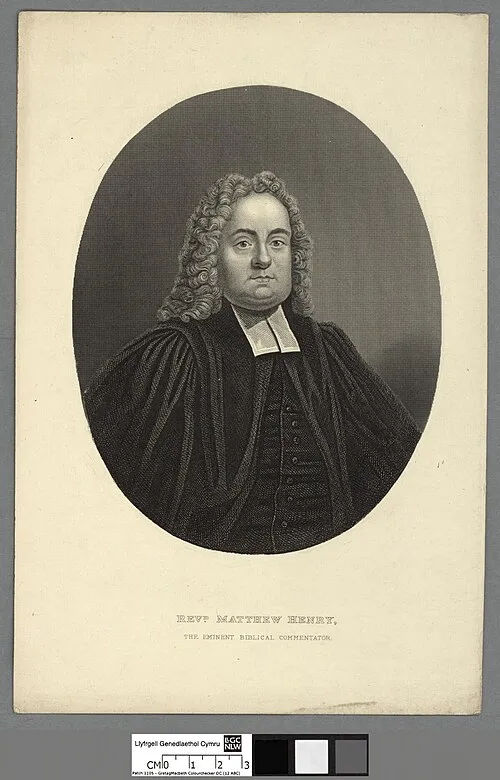
Cómo cerrar cada día con Dios
Salmo 4:8 En paz me acostaré, y asimismo dormiré; porque solo tú, Jehová, me harás estar confiado.
Esto puede entenderse o en sentido figurado, del reposo del alma en las seguridades de la gracia de Dios, o en sentido literal, del reposo del cuerpo bajo la protección de su providencia. Me gusta dar a la Escritura toda su amplitud, y por eso la tomo por igual en ambos sentidos.
- El salmista, habiendo preferido el favor de Dios a cualquier otro bien, habiéndolo escogido y habiéndose señalado en él su porción, expresa aquí la gran complacencia que siente en la elección que hizo. Mientras veía a muchos inquietarse sin cesar con aquella pregunta estéril: «¿Quién nos mostrará el bien?», fatigándose por pura vanidad, él se había puesto del todo en paz al echarse sobre la buena voluntad divina: «Alza sobre nosotros, oh Jehová, la luz de tu rostro.» Cualquier bien que se quede corto del favor de Dios no nos sirve; pero ese basta, sin las sonrisas del mundo. La luna y las estrellas, y todos los fuegos y las velas del mundo, no harán día sin el sol; pero el sol hará día sin ninguno de ellos. Estos son los sentimientos de David, y todos los santos concuerdan con él. Como no halla, pues, reposo —semejante a la paloma de Noé en el mundo inundado y contaminado—, vuela al arca, figura de Cristo: «Vuelve, oh alma mía, a tu reposo», a tu Noé (así es la palabra en el original, porque el nombre de Noé significa reposo), Salmo 116:7.
Si Dios alza sobre nosotros la luz de su rostro, así como nos llena de un santo gozo —pone en el corazón alegría, más que la de aquellos cuyo grano y cuyo mosto se multiplican, versículo 7—, así también nos afirma en un santo reposo: ahora me acostaré y dormiré. Dios es mi Dios, y estoy contento, estoy satisfecho; no miro más allá, no deseo nada más; habito en seguridad, o en confianza. Mientras camino a la luz del Señor, así como no me falta bien alguno ni siento carencia, así tampoco temo mal alguno ni recelo peligro. Jehová Dios es para mí sol y escudo: sol para alumbrarme y consolarme, escudo para protegerme y defenderme.
De aquí aprendan que quienes tienen las seguridades del favor de Dios hacia ellos pueden gozar, y deben buscar con empeño, una santa serenidad y una seguridad de ánimo. Tenemos ambas juntas en aquella preciosa promesa, Isaías 32:17: «Y el efecto de la justicia será paz; y la labor de justicia, reposo y seguridad para siempre.» La obra de la justicia es paz: hay una satisfacción presente en hacer el bien; y, al cabo, el efecto de la justicia será quietud y seguridad para siempre: quietud en el goce del bien, y seguridad en verse libres del mal. a. Una santa serenidad es un fruto bienaventurado del favor de Dios: ahora me acostaré en paz y dormiré. Mientras estamos bajo el desagrado de Dios, o en duda acerca de su favor, ¡cómo podemos tener gozo alguno de nosotros mismos! Mientras este gran asunto sigue sin resolverse, el alma no puede menos que quedar insatisfecha. ¿Tiene Dios contienda contigo? No des sueño a tus ojos, ni a tus párpados adormecimiento, hasta que hayas logrado que se levante la contienda. Ve, humíllate y asegúrate de tu amigo, tu mejor amigo (Proverbios 6:3); y cuando hayas hecho las paces con él, y tengas alguna evidencia consoladora de que él te ha aceptado, di entonces con sabiduría y con justicia lo que aquel mundano carnal dijo neciamente y sin fundamento: «Alma, repósate», porque en Dios, y en el pacto de la gracia, tienes bienes almacenados para muchos años, bienes almacenados para la eternidad (Lucas 12:19). ¿Están perdonados tus pecados? ¿Tienes parte en la mediación de Cristo? [N. del T.: el impreso dice «meditation»; el sentido, y el uso de Henry, es la mediación.] ¿Acepta Dios ahora en él tus obras? Anda, y come tu pan con gozo, y bebe tu vino con alegre corazón (Eclesiastés 9:7). Que esto aquiete toda tempestad, mande, y cree una calma en tu alma.
Teniendo a Dios por nuestro Dios en el pacto, tenemos bastante, lo tenemos todo; y aunque el alma llena de gracia sigue deseando más de Dios, nunca desea más que a Dios. En él reposa con perfecta complacencia; en él está en casa, está en descanso, con tal de que estemos satisfechos de su misericordia; abundantemente satisfechos. Hay en esto bastante para saciar el alma cansada y para henchir toda alma entristecida (Jeremías 31:25); para llenar aun a los hambrientos de bienes, de los mejores bienes; y, una vez llenos, deben estar en reposo, en reposo para siempre, y su sueño aquí debe ser dulce. b. Una santa seguridad es otro fruto bienaventurado del favor de Dios. Tú, Jehová, me haces habitar en seguridad: cuando la luz de tu rostro resplandece sobre mí, estoy a salvo, y sé que lo estoy, y por eso estoy en paz; porque me cercarás de benevolencia como [con] un escudo (Salmo 5:12). Estoy tomado bajo la protección del favor divino. Aunque se asiente campo contra mí, no temerá mi corazón; yo en esto confío (Salmo 27:3). Todo lo que Dios me ha prometido puedo prometérmelo yo, y eso basta para resarcirme y dejarme a salvo, sean cuales sean las dificultades y los peligros que encuentre en el camino de mi deber. Aunque la tierra sea removida, no temeremos (Salmo 46:2); no temeremos mal alguno, ni aun en el valle de sombra de muerte, en los dominios del mismo rey de los terrores, porque tú estarás conmigo; tu vara y tu cayado me infundirán aliento. Lo que las riquezas del rico son para él en su propia imaginación —una ciudad fuerte y un muro alto—, eso es para el hombre bueno su Dios (Proverbios 18:10, 11). El Todopoderoso será tu oro, tu defensa (Job 22:25).
Nada es más peligroso que la seguridad en un camino de pecado, y que los hombres se griten paz, paz, a sí mismos, mientras siguen bajo el poder reinante de una mente vana y carnal. ¡Ojalá los pecadores que viven tranquilos fueran hechos temblar! Nada es más necio que una seguridad edificada sobre el mundo y sus promesas, porque todos son vanidad y mentira; pero nada es en sí más razonable, ni más provechoso para nosotros, que el que las personas buenas edifiquen con seguridad sobre las promesas de un Dios bueno; que los que se mantienen en el camino del deber vivan reposados, sin temor de mal, como quienes saben que no les sobrevendrá mal alguno —ningún mal real, ningún mal sino el que se hará obrar para su bien—; como quienes saben que, mientras permanecen en la lealtad a Dios como su Rey, están bajo su protección, bajo la protección de la Omnipotencia misma, que los capacita para desafiar a todos los poderes malignos. Si Dios por nosotros, ¿quién contra nosotros? A esta seguridad aun los paganos juzgaban con derecho a todo hombre honrado y virtuoso, es decir, Integer vitæ scelerisque purus [N. del T.: «íntegro de vida y limpio de crimen», verso de Horacio], y pensaban que, si el mundo se hiciera pedazos en torno a él, no tenía por qué temer perderse en sus desolaciones. Mucha más razón tienen los cristianos que retienen firme su integridad para reclamarla; porque ¿quién es aquel, o qué hay, que pueda dañarnos, si somos seguidores de aquel que es bueno, en su bondad?
Ahora bien, 1) es privilegio de las personas buenas el poder estar así en paz y satisfechas. Esta santa serenidad y seguridad de ánimo les está permitida: Dios les da licencia para estar alegres. Es más, se les promete. Dios hablará paz a su pueblo y a sus santos; los llenará de gozo y paz creyendo; su paz guardará sus corazones y sus entendimientos: los guardará a salvo, los guardará en calma. Es más, hay un método establecido para que obtengan esta serenidad y esta seguridad prometidas. Las Escrituras les fueron escritas para que su gozo sea cumplido, y para que por la paciencia y la consolación de ellas tengan esperanza. Las ordenanzas están instituidas para ser fuentes de la salud, de las cuales puedan sacar aguas con gozo. Los ministros están ordenados para ser sus consoladores y los ayudadores de su gozo. Tan dispuesto ha estado Dios a mostrar a los herederos de la promesa la inmutabilidad de su consejo, para que tengan un fortísimo consuelo (Hebreos 6:17, 18).
- Es deber de las personas buenas buscar con empeño esta santa seguridad y serenidad de ánimo, y usar los medios establecidos para obtenerla. No den lugar a las sugestiones inquietantes de Satanás, ni a aquellas dudas y temores que atormentan y brotan en sus propias almas. Procuren tener quietud; repréndanse por sus desconfianzas; mándense creer y esperar en Dios, porque aun lo han de alabar. Están ustedes a oscuras respecto de sí mismos: hagan como los marineros de Pablo, echen el ancla y deseen que se haga de día. Pobre cristiano tembloroso, zarandeado por la tempestad y sin consuelo: procura acostarte en paz y dormir. Compóntete en un estado sereno y parejo; en el nombre de aquel a quien obedecen los vientos y el mar, manda callar tus pensamientos tumultuosos y di: «Calla, enmudece.» Recuesta esa cabeza tuya, dolorida y temblorosa, donde el discípulo amado recostó la suya: en el seno del Señor Jesús. O, si aún no has alcanzado tal denuedo para allegarte a él, pon esa cabeza tuya, dolorida y temblorosa, a los pies del Señor Jesús, por una entera sumisión y resignación a él, diciendo: «Si perezco, aquí pereceré.» Ponla en su mano por una entera confianza en él; sométela a su obra y a su disposición, él, que sabe hablar al corazón. Y si aún no has entrado en el sabatismo —así es la palabra—, Hebreos 4:9, este reposo presente que queda para el pueblo de Dios, míralo sin embargo como tierra de promesa; y por eso, aunque se tardare, espéralo, porque la visión es para un tiempo señalado, y al fin hablará, y no mentirá. Luz está sembrada para el justo, y lo que está sembrado brotará al cabo en una cosecha de gozo.
- El salmista, habiendo hecho el trabajo del día, y quizá fatigado con él, siendo ya hora de acostarse, y habiendo dado un buen consejo a aquellos a quienes había deseado buenas noches —que conversaran en su corazón sobre su cama y ofrecieran los sacrificios vespertinos de justicia, versículos 4 y 5, Salmo 4:4-5—, se retira ahora a su aposento con esta palabra: me acostaré en paz y dormiré. Aquello para lo cual escogí este texto me lleva a entenderlo literalmente, como los discípulos entendieron a su Maestro cuando dijo que Lázaro duerme, esto es, del tomar reposo en el sueño (Juan 11:12, 13). Y así tenemos aquí el pensamiento piadoso de David cuando iba a acostarse. Así como cuando despierta aún está con Dios, lo está también cuando se duerme, y cierra el día como lo abrió: con meditaciones en Dios y dulce comunión con él.
Parece que David compuso este salmo cuando estaba angustiado y perseguido por sus enemigos; quizá lo compuso en la misma ocasión que el salmo anterior, cuando huía de Absalón, su hijo. De fuera, cuestiones; y entonces no es de extrañar que de dentro, temores. Con todo, pone tal confianza en la protección de Dios, que se irá a la cama a su hora de siempre y, con su quietud y su alegría de siempre, se compondrá como en otras ocasiones. Sabe que sus enemigos no tienen poder alguno contra él sino el que les es dado de arriba, y que no se les dará poder alguno que no siga bajo el freno y la restricción divinos; ni se permitirá que su poder se extienda hasta hacerle daño real alguno. Por eso se retira al abrigo del Altísimo, y mora bajo la sombra del Omnipotente, y está muy quieto en su propio ánimo. Lo que quebrantará el corazón de un mundano no quebrantará el sueño de un hombre piadoso. Hagan ellos lo peor, dice David: me acostaré y dormiré; hágase la voluntad del Señor. Observen aquí: a. Su confianza en Dios: Tú, Jehová, me haces habitar en seguridad; no solo me pones a salvo, sino que me haces saber que lo estoy; me haces habitar con buena seguridad. Es la misma palabra que se usa de aquel que camina en integridad: que anda confiado (Proverbios 10:9). Él va con denuedo por su camino; así David va aquí con denuedo a su cama. No vive descuidado, como los hombres de Lais (Jueces 18:7), sino que habita tranquilo en Dios, como los hijos de Sión, en la ciudad de sus solemnidades, cuando sus ojos la ven morada de quietud (Isaías 33:20).
Hay en esta parte del texto una palabra que merece notarse: tú, Jehová, solo me aseguras. Algunos lo refieren a David: aun cuando estoy solo, sin ninguno de mis consejeros privados cerca para aconsejarme, sin ninguno de mis guardias para pelear por mí, no recelo peligro alguno mientras Dios está conmigo. El Hijo de David se consolaba con esto: que, cuando todos sus discípulos lo abandonaron y lo dejaron solo, no estaba solo, porque el Padre estaba con él. Algunas personas débiles temen estar solas, sobre todo en la oscuridad; pero una firme creencia de la presencia de Dios con nosotros en todo lugar, y de aquella protección divina bajo la cual están todas las personas buenas, haría callar esos temores y nos avergonzaría de ellos. Es más: el ser nosotros un pueblo apartado, a quien Dios hizo apartar para sí (como está aquí, en el versículo 8), será nuestra seguridad. Una sobria singularidad será nuestra seguridad y nuestra satisfacción, como lo fue la de Noé en el mundo antiguo. Israel es un pueblo que habitará solo, y no será contado entre las gentes, y por eso puede desafiarlas a todas, hasta que neciamente se mezcla entre ellas (Números 23:9). [N. del T.: la RV1909 dice «habitará confiado», no «solo».] Entonces Israel habitará confiado solo (Deuteronomio 33:28). Cuanto más habitamos solos, más seguros habitamos. Pero nuestra traducción lo refiere a Dios: Solo tú me haces habitar en seguridad. ¡Lo haces tú solo! Dios, al proteger a su pueblo, no necesita ayuda alguna, aunque a veces se vale de instrumentos. La tierra ayudó a la mujer; con todo, él puede hacerlo sin ellos; y cuando faltan todos los demás refugios, su propio brazo obra la salvación. No: Jehová solo le guió, que no hubo con él dios ajeno (Deuteronomio 32:12). Y eso no es todo: dependo de ti solo para que lo hagas. Por eso estoy en paz y me tengo por seguro, no porque tenga ejércitos de mi parte, sino puramente porque tengo de mi parte al Señor de los ejércitos.
Tú me haces habitar en seguridad. Eso puede mirar hacia atrás o hacia adelante, o más bien hacia ambos lados. Me has hecho habitar en seguridad todo el día, de modo que el sol no me ha fatigado de día; y entonces es el lenguaje de su gratitud por las misericordias recibidas. O bien: me harás habitar en seguridad toda la noche, de modo que la luna no me fatigue de noche; y entonces es el lenguaje de su dependencia de Dios para misericordias ulteriores. Y ambas cosas deben ir juntas. Nuestro ojo ha de estar en Dios como siempre el mismo, el que es y que era y que ha de venir; el que ha librado, y libra, y librará. 2. Su compostura en sí mismo, inferida de aquí: me acostaré y asimismo dormiré. Simul, o pariter in pace cubabo [N. del T.: «a la vez, o igualmente, en paz me acostaré»]. Los que tienen su grano y su mosto en aumento, los que tienen abundancia de la riqueza y del placer de este mundo, se acuestan y duermen contentos, como Booz a un lado del montón de grano (Rut 3:7). Pero, aunque yo no tengo lo que ellos tienen, puedo acostarme en paz y dormir tan bien como ellos. Lo entendemos como la unión de su acostarse y su dormir: no solo me acostaré, como quien desea estar sosegado, sino que dormiré, como quien de veras lo está. Algunos lo toman como indicio de que se quedó dormido enseguida después de haberse acostado: tan bien fatigado estaba con el trabajo del día, y tan libre de cualquiera de aquellos pensamientos inquietantes que le impedirían dormir.
Estas son palabras puestas en nuestra boca, con las cuales sosegarnos cuando de noche nos retiramos a nuestro reposo; y debemos cuidar de manejarnos todo el día, sobre todo cuando ya se acerca la noche, de modo que no quedemos inhabilitados ni sacados de tono para nuestras devociones vespertinas; que nuestro corazón no se cargue, por un lado, de glotonería y embriaguez, como a menudo les ocurre a los hombres de placer, ni, por el otro, de los cuidados de esta vida, como a menudo les ocurre a los hombres de negocios; sino que tengamos tal dominio, tanto de nuestro pensamiento como de nuestro tiempo, que podamos terminar bien nuestra obra diaria —lo cual será una prenda de que terminaremos bien la obra de nuestra vida—; y en verdad todo está bien cuando acaba bien para siempre.
Doctrina. Así como hemos de comenzar el día con Dios, y esperar en él todo el día, así hemos de procurar cerrarlo con él.
No sé de qué modo mejor abrirles este deber de cerrar el día con Dios, y en buen estado de ánimo, que recorriendo por su orden los particulares del texto y recomendándoles el ejemplo de David.
I. Primero, retirémonos a acostarnos. La naturaleza pide reposo tanto como alimento. El hombre sale a su hacienda y a su labor, y va y viene en ella, pero solo hasta la tarde; y entonces es hora de acostarse. Leemos de Is-boseth que a la hora de la siesta estaba durmiendo en su cama, pero allí lo encontró la muerte (2 Samuel 4:5, 6); y del mismo David, que se levantó de su cama a la hora de la tarde, pero allí lo encontró el pecado, cosa peor que la muerte (2 Samuel 11:2). Hemos de obrar las obras del que nos envió entre tanto que el día dura; tiempo habrá de acostarse cuando venga la noche, cuando nadie puede obrar; y entonces es propio y a tiempo acostarse. Está prometido (Sofonías 2:7): dormirán a la noche; y con esa promesa hemos de conformarnos, y reposar en el tiempo señalado para el reposo, y no volver el día en noche ni la noche en día, como muchos hacen por una u otra mala cuenta.
A. Algunos velan para hacer daño a su prójimo: para hurtar, y matar, y destruir. En las tinieblas minan las casas que de día para sí señalaron (Job 24:16). David se queja de sus enemigos: que a la tarde rodean la ciudad (Salmo 59:6). Todo aquel que hace lo malo aborrece la luz. Judas el traidor andaba en busca de su Maestro, con su cuadrilla de hombres, cuando debía estar en su cama. Y es un agravante de la maldad de los malos el que se tomen tanto trabajo para lograr un designio malo, y tengan el corazón tan puesto en él, que no duermen si no hicieren mal (Proverbios 4:16). Como es una vergüenza para quienes profesan hacer del bien su negocio el que no hallen en su corazón el privarse de ninguna de las gratificaciones de los sentidos para ir en pos de él:
Para degollar a los hombres se levantan de noche los ladrones, ¿y tú no despiertas para salvarte? [N. del T.: el original trae aquí un verso latino de Horacio, que Henry cita sin traducir.]
Di, pues: mientras otros velan acechando una ocasión de hacer daño, yo me acostaré y estaré quieto, y no haré mal a nadie.
B. Otros velan en pos del mundo y de su riqueza. No solo madrugan, sino que se acuestan tarde, en la prosecución ansiosa de sus prácticas codiciosas (Salmo 127:2); y, ya sea para ganar o para ahorrar, se niegan el sueño más necesario. Y este su camino es su necedad, porque con ello se privan del goce consolador de lo que tienen, que es el fin, so pretexto del cuidado y del trabajo por obtener más, que no es sino el medio. Salomón habla de los que ni de noche ni de día ven sueño en sus ojos (Eclesiastés 8:16), que se hacen esclavos perfectos y peones del mundo, del cual no hay capataz más cruel; y así hacen que lo que de suyo es vanidad sea para ellos aflicción de espíritu, porque se fatigan en vano (Habacuc 2:13), y están tan miserablemente enamorados de su cadena, que se niegan no solo el reposo espiritual que Dios les ha provisto como Dios de la gracia, sino el reposo natural que, como Dios de la naturaleza, les ha provisto; y es una muestra del daño que los pecadores hacen a sus propios cuerpos, tanto como a sus propias almas. Veamos la necedad de ello, y nunca trabajemos así por la comida que perece, ni por aquella hartura del rico que no le deja dormir; sino trabajemos por la comida que a vida eterna permanece, por aquella gracia que es la prenda de la gloria, cuya abundancia hará dulce nuestro sueño. C. Otros velan en la indulgencia de sus placeres; no quieren acostarse a su tiempo, porque no hallan en su corazón el dejar sus vanos deportes y pasatiempos, su música, sus bailes y sus comedias, sus naipes y sus dados; o, lo que es peor, su desenfreno y su exceso, porque los que están borrachos, de noche están borrachos. Ya es bastante malo cuando se permite que estas gratificaciones de una baja concupiscencia, o al menos de una mente vana, devoren toda la tarde y luego acaparen toda el alma, como son muy capaces de hacerlo sin que uno se dé cuenta; de modo que no queda ni tiempo ni corazón para las devociones de la tarde, ni en el aposento ni en la familia. Pero es mucho peor cuando se les permite adentrarse también en la noche, porque entonces, por supuesto, invaden la mañana siguiente y roban el tiempo que entonces también debía dedicarse a los ejercicios de la religión. Quienes pueden, por elección y con tanto placer, velar hasta no sé qué hora de la noche para pasar, como dicen, una noche alegre, y gastar su tiempo en palabras torpes, necedades y truhanerías, que no convienen, se tendrían por maltratados si se los retuviera media hora más allá de su hora de dormir, ocupados en algún deber bueno; y al mismo bienaventurado Pablo lo habrían llamado predicador de sermón interminable, y lo habrían censurado como muy indiscreto, cuando, en una ocasión particular, alargó el discurso hasta la media noche (Hechos 20:7). Y ¡cuán poco les gustaría, con David, a la media noche levantarse a alabar a Dios, o, con su Maestro, pasar la noche orando a Dios!
Sean mortificados, y no gratificados, los afectos corruptos que así se desbordan y transgreden. Quienes se han permitido tales irregularidades, si se han permitido una reflexión imparcial, no pueden menos que haber hallado el inconveniente de ellas, y que han sido un perjuicio para la prosperidad del alma; y por eso deben negarse a sí mismos por su propio bien. Una regla para cerrar bien el día es guardar buenas horas: todo es hermoso en su tiempo. Lo oí decir hace mucho, y pido ahora licencia para repetirlo: que
Temprano a la cama, y temprano a levantarse, es el camino de estar sano, y rico, y sabio.
Daremos ahora por sentado que, a menos que algún negocio necesario, o alguna obra de misericordia, o algún acto de devoción más que ordinario los retenga más allá de su hora de costumbre, están dispuestos a acostarse. Y acostémonos con gratitud a Dios, y con pensamientos de morir; con reflexiones penitentes sobre los pecados del día, y con humildes súplicas por las misericordias de la noche.
- Acostémonos con gratitud a Dios. Cuando nos retiramos a nuestros dormitorios o a nuestros aposentos, debemos levantar el corazón a Dios, el Dios de nuestras misericordias, y hacerlo el Dios de nuestras alabanzas cada vez que nos acostamos. Estoy seguro de que no nos falta materia de alabanza, si no nos falta corazón. Dirijámonos, pues, entonces a ese deber agradable, esa obra que es su propio salario. El sacrificio de la tarde había de ser un sacrificio de alabanza. a. Tenemos razón para estar agradecidos por las muchas misericordias del día pasado, que debemos repasar en particular, y decir: Bendito el Señor, que cada día nos colma de beneficios. Observen la serie constante de misericordias, que no ha sido interrumpida ni quebrantada en día alguno. Observen los casos particulares de misericordia con que algunos días han sido señalados y hechos memorables. Él es quien nos ha concedido vida y misericordia; su visitación es la que guarda nuestro espíritu. Piensen cuántas son las calamidades de las que cada día somos preservados: las calamidades a las que estamos sensiblemente expuestos, y de cuyo peligro inminente quizá hemos sido librados; y aquellas de las que no hemos tenido recelo; muchas que hemos merecido, y bajo las cuales gimen otros mejores que nosotros. Todos nuestros huesos tienen razón para decir: Jehová, ¿quién como tú? Porque Dios guarda todos nuestros huesos; ni uno de ellos es quebrantado. Es por la misericordia de Jehová que no somos consumidos.
Piensen cuántos son los consuelos de que cada día estamos rodeados, por todos los cuales estamos en deuda con la liberalidad de la providencia divina. Cada bocado que comemos y cada gota que bebemos es misericordia; cada paso que damos y cada aliento que tomamos, misericordia. Toda la satisfacción que tenemos en el agrado y el afecto de nuestros parientes, y en la compañía y la utilidad de nuestros amigos; todo el éxito que tenemos en nuestros oficios y empleos, y el placer que en ellos hallamos; todo el gozo que tiene Zabulón cuando sale, e Isacar en sus tiendas: es aquello que tenemos razón de reconocer con gratitud para alabanza de Dios.
Con todo, es probable que el día no haya pasado sin algún accidente adverso; algo nos ha afligido y defraudado. Y si ha sido así, eso no debe indisponernos para la alabanza. Sea como fuere, Dios es bueno; y es nuestro deber dar gracias en todo, y bendecir el nombre del Señor cuando quita tanto como cuando da; porque nuestras aflicciones son pocas, y mil veces merecidas; nuestras misericordias son muchas, y mil veces perdido nuestro derecho a ellas. b. Tenemos razón para estar agradecidos por las sombras de la tarde, que nos llaman a retirarnos y acostarnos. La misma sabiduría, poder y bondad que hace la mañana hace también que la tarde se regocije, y nos da motivo para agradecer que se corran en torno a nosotros las cortinas de la noche en favor de nuestro reposo, tanto como que se abran sobre nosotros los párpados de la mañana en favor de nuestros negocios. Cuando Dios apartó la luz de las tinieblas, y señaló a ambas su tiempo sucesivamente, vio que era bueno que así fuera; en un mundo de mezclas y de cambios, nada más propio. Demos, pues, gracias a ese Dios que forma la luz y cría las tinieblas; y creamos que, así como en las revoluciones del tiempo, así en las revoluciones de los sucesos del tiempo, la oscuridad de la aflicción puede sernos tan necesaria en su sazón como la luz de la prosperidad. Si el jornalero anhela la sombra, esté agradecido por ella cuando llega, porque la carga y el calor del día no son perpetuos. c. Tenemos razón para estar agradecidos por una morada quieta en que acostarnos: porque no somos echados de entre los hombres, como Nabucodonosor, para acostarnos con las bestias del campo; porque, aunque nacimos como el pollino del asno montés, no tenemos con el asno montés la soledad por casa ni los lugares estériles por morada; porque no hemos de andar errantes por los desiertos y los montes, por las cuevas y las cavernas de la tierra, como se vieron obligados a hacerlo muchos de los queridos santos y siervos de Dios, de los cuales el mundo no era digno; sino que el buen Pastor nos hace yacer en lugares de delicados pastos; porque no tenemos, como Jacob, el suelo frío por cama y una piedra por cabecera, con lo cual, sin embargo, uno se contentaría, y lo codiciaría, si con ello pudiera tener el sueño que él tuvo. d. Tenemos razón para estar agradecidos de que no se nos obliga a velar; de que nuestro Maestro no solo nos da licencia para acostarnos, sino que dispone que nada impida nuestro acostarnos. Muchos se van a la cama, pero no pueden acostarse allí, a causa de enfermedades dolorosas y languidecientes, de tal naturaleza que, si se acuestan, no pueden respirar. Nuestros cuerpos son del mismo barro, y es por las misericordias del Señor que no estamos así afligidos. A muchos los tiene en vela la enfermedad en sus familias: los niños están mal, y ellos deben atenderlos. Si Dios quita la enfermedad de en medio de nosotros y la mantiene lejos, de modo que ninguna plaga se acerca a nuestra morada —una familia numerosa, quizá, y todos sanos—, es una misericordia por la cual estamos obligados a estar muy agradecidos, y a estimarla en proporción a la grandeza de la aflicción donde prevalece la enfermedad. A muchos los tiene en vela el temor de enemigos, de soldados, de ladrones. El padre de la familia vela, para que no minen su casa; pero nuestro acostarnos no es impedido ni turbado por las alarmas de la guerra. Estamos libres del ruido de los archeros en los lugares de reposo; por eso debemos repetir las justicias de Jehová, las justicias para con los moradores de sus villas en Israel, las cuales, bajo su protección, están tan seguras como ciudades amuralladas con puertas y barras. Cuando nos acostemos, demos gracias a Dios de que podemos acostarnos.
- Acostémonos con pensamientos de la muerte, y de aquel gran cambio por el cual al morir hemos de pasar. La conclusión de cada día debe recordarnos la conclusión de todos nuestros días, cuando venga nuestra noche, nuestra larga noche, que pondrá fin a nuestra obra y traerá al jornalero honrado tanto a tomar su reposo como a recibir su denario. Nos hace bien pensar con frecuencia en el morir; pensarlo tan a menudo como nos acostamos. Ayudará a mortificar las corrupciones de nuestro propio corazón, que son nuestras cargas diarias; a armarnos contra las tentaciones del mundo, que son nuestros lazos diarios; nos destetará de nuestros consuelos diarios y nos hará llevaderos bajo nuestras cruces y fatigas diarias. Nos hace bien pensar con familiaridad en el morir; pensarlo como nuestro irnos a la cama, para que, pensándolo a menudo y pensándolo así, lleguemos a ponernos por encima del temor de ello. a. Al morir nos retiraremos, como lo hacemos a la hora de acostarnos; iremos a estar en privado por un tiempo, hasta la aparición pública en el gran día. El hombre yace, y no se tornará a levantar hasta que no haya cielo; hasta entonces no despertarán, ni se levantarán de su sueño (Job 14:12). Ahora salimos para ver y ser vistos, y con ningún fin más alto gastan algunos su día, gastan su vida; pero cuando viene la muerte, se acaba lo uno y lo otro. Entonces no veremos más en este mundo: ya no veré más hombre (Isaías 38:11); entonces no seremos vistos más: los ojos de los que me ven no me verán más (Job 7:8). Estaremos escondidos en el sepulcro, y cortados de todos los vivientes. Morir es dar las buenas noches a todos nuestros amigos, poner fin a nuestra conversación con ellos. Les decimos adiós; pero, bendito sea Dios, no es un adiós eterno. Esperamos encontrarlos otra vez en la mañana de la resurrección, para no separarnos más. b. Al morir nos despojaremos del cuerpo, como nos despojamos de la ropa cuando nos acostamos. El alma es el hombre; el cuerpo no es sino ropa. Al morir seremos desnudados; la casa terrestre de esta habitación se deshará; el vestido del cuerpo será dejado a un lado. La muerte nos despoja y nos envía desnudos fuera del mundo, como entramos en él; despoja al alma de todos los disfraces con que aparecía delante de los hombres, para que aparezca desnuda y abierta delante de Dios. Nuestra ropa de sepulcro es ropa de noche. Cuando estamos cansados y acalorados, la ropa es una carga, y de muy buena gana la echamos de nosotros; no estamos a gusto hasta que estamos desvestidos. Así los que estamos en este tabernáculo gemimos agravados; pero cuando la muerte libra al alma de la carga y del estorbo del cuerpo, que impide su reposo en sus satisfacciones espirituales, ¡cuán a gusto estará! Pensemos, pues, en despojarnos del cuerpo al morir con tanto gusto como el que tenemos en despojarnos de la ropa por la noche; estemos tan desasidos de él como lo estamos de nuestra ropa; y consolémonos con este pensamiento: que, aunque al morir seamos desnudados, si estamos vestidos de Cristo y de su gracia, no seremos hallados desnudos, sino sobrevestidos de inmortalidad. Tenemos ropa nueva en hechura, que estará lista para ponérnosla a la mañana siguiente: un cuerpo glorioso, semejante al de Cristo, en lugar de un cuerpo de bajeza, semejante al de las bestias. c. Al morir nos acostaremos en el sepulcro, como nuestra cama se acostará en el polvo (Job 20:11). Para los que mueren en pecado, e impenitentes, el sepulcro es una mazmorra; sus iniquidades, que están sobre sus huesos y que con ellos se acuestan, lo hacen tal. Pero para los que mueren en Cristo, que mueren en fe, es una cama, una cama de reposo, donde no hay vueltas de un lado a otro hasta el rayar del día, como a veces las hay en las camas más fáciles que tenemos en este mundo; donde no hay peligro de ser quebrantados con sueños y turbados con visiones de la noche; donde no se es castigado con dolor sobre aquella cama, ni con dolor fuerte en todos los huesos. Es el privilegio de aquellos que, mientras viven, andan en su integridad, el que, cuando mueren, entren en la paz y descansen en sus lechos (Isaías 57:2).
El santo Job se consuela con esto, en medio de sus agonías: que en breve hará su cama en las tinieblas, y allí estará a gusto. Es cama de rosas, cama de especias, para todos los creyentes desde que en ella se acostó aquel que es la rosa de Sarón y el lirio de los valles.
Di, pues, de tu sepulcro lo que dices de tu cama por la noche: allí descansan los de cansadas fuerzas; con este consuelo de más: que no solo reposarás allí, sino que de allí te levantarás pronto, abundantemente refrescado; serás llamado a salir al encuentro del amado de tu alma, y a estar para siempre con él; te levantarás a un día que no renovará tus cuidados, como lo hace cada día en la tierra, sino que te asegurará gozos sin mezcla y eternos. ¡Con cuánta comodidad podemos acostarnos de noche, si pensamientos como estos se acuestan con nosotros! Y ¡con cuánta comodidad podemos acostarnos al morir, si nos hemos acostumbrado a pensamientos como estos!
- Acostémonos con reflexiones penitentes sobre los pecados del día pasado. Alabar a Dios y deleitarnos en él es obra tan agradable, y tan propia de los ángeles, que me parece lástima que tengamos otra cosa que hacer; pero la verdad es que, por nuestra propia necedad, nos hacemos otra obra, no tan agradable, pero absolutamente necesaria, y es el arrepentimiento. Mientras de noche nos solazamos en la bondad de Dios, hemos de mezclar con ello el afligirnos por nuestra propia maldad. Ambas cosas han de tener su lugar en nosotros, y concordarán muy bien; porque hemos de tener delante nuestra tarea. a. Hemos de estar convencidos de que todavía vamos contrayendo culpa. Llevamos con nosotros naturalezas corruptas, que son raíces amargas que echan veneno y ajenjo, y todo lo que decimos o hacemos queda amargado por ellas. En muchas cosas ofendemos todos, hasta el punto de que no hay hombre justo en la tierra que haga bien y nunca peque. Estamos en medio de un mundo que contamina, y no podemos guardarnos perfectamente sin mancha de él. Si decimos que no tenemos pecado, o que hemos pasado un día y no hemos pecado, nos engañamos a nosotros mismos; porque, si conocemos la verdad por nosotros mismos, veremos motivo para clamar: «Los errores, ¿quién los entenderá? Líbrame de los que [me] son ocultos»: faltas de las que nosotros mismos no nos damos cuenta. Debemos apuntar a una perfección sin pecado, con una vigilancia tan estricta como si pudiéramos alcanzarla; pero, después de todo, hemos de reconocer que nos quedamos cortos; que aún no lo hemos alcanzado, ni somos ya perfectos. Lo hallamos por una triste experiencia constante, porque es cierto que cada día hacemos bastante para ponernos de rodillas por la noche. b. Hemos de examinar nuestras conciencias, para hallar nuestras transgresiones particulares del día pasado. Escudriñemos cada noche nuestros caminos: nuestros pensamientos, palabras y acciones; comparémoslos con la regla de la palabra; miremos nuestro rostro en ese espejo, para ver nuestras manchas y ser específicos en el reconocimiento de ellas. Nos hará bien preguntar: ¿qué hemos hecho hoy? ¿Qué hemos hecho mal? ¿Qué deber hemos descuidado? ¿Qué paso en falso hemos dado? ¿Cómo nos hemos portado en nuestros oficios, en nuestro trato? ¿Hemos cumplido los deberes de nuestras relaciones particulares, y nos hemos acomodado a la voluntad de Dios en cada suceso de la providencia? Haciendo esto con frecuencia, creceremos en el conocimiento de nosotros mismos, a lo cual nada contribuirá más a la prosperidad de nuestra alma. c. Hemos de renovar nuestro arrepentimiento por cuanto hallemos que ha estado mal en nosotros, o que ha sido dicho o hecho mal por nosotros. Hemos de dolernos de ello, y lamentarlo con tristeza, y avergonzarnos de ello, y dar gloria a Dios confesándolo. Si algo parece haber estado mal más de lo ordinario, eso ha de llorarse en particular; y, en general, hemos de estar mortificados por nuestros pecados de flaqueza diaria, de los cuales no debemos pensar a la ligera porque vuelven cada día, sino más bien avergonzarnos tanto más de ellos, y de aquella fuente de adentro que echa estas aguas.
Conviene ser prontos en renovar nuestro arrepentimiento, antes que el corazón se endurezca por el engaño del pecado. Las dilaciones son peligrosas. Las heridas recientes pronto pueden curarse, si se atienden a tiempo; pero si se pudren y se corrompen, como se queja el salmista (Salmo 38:5), es culpa y necedad nuestra, y la cura será difícil. Aunque por la flaqueza de la carne caemos cada día en pecado, si por la noche nos levantamos de nuevo mediante un arrepentimiento renovado, no estamos del todo abatidos, ni debemos tenernos por tales. El pecado que nos humilla no nos arruinará. d. Hemos de hacer una nueva aplicación de la sangre de Cristo a nuestras almas, para la remisión de nuestros pecados y la aceptación llena de gracia de nuestro arrepentimiento. No hemos de pensar que necesitamos a Cristo solo en nuestra primera conversión a Dios. No: lo necesitamos cada día, como nuestro abogado para con el Padre; y por eso, como tal, siempre aparece en la presencia de Dios por nosotros, y atiende continuamente a esto mismo. Aun nuestros pecados de flaqueza diaria serían nuestra ruina, si él no hubiera hecho satisfacción por ellos y no siguiera intercediendo por nosotros. El que está lavado todavía necesita lavarse los pies de la inmundicia que contrae a cada paso; y, bendito sea Dios, hay un manantial abierto para que nos lavemos, y está siempre abierto. e. Hemos de allegarnos al trono de la gracia por paz y perdón. Los que se arrepienten deben orar para que les sea perdonado el pensamiento de su corazón (Hechos 8:22). Y conviene ser concretos en nuestras oraciones por el perdón del pecado; de modo que, como Ana dijo acerca de Samuel: «Por este niño oraba», así podamos decir: por el perdón de esto oré. Con todo, la oración del publicano, en general, es muy propia para que cada uno de nosotros se acueste con ella: «Dios, sé propicio a mí pecador.»
- Acostémonos con humildes súplicas por las misericordias de la noche. La oración es tan necesaria por la tarde como lo fue por la mañana, porque tenemos la misma necesidad del favor y del cuidado divinos para hacer que se regocijen las salidas de la tarde, que la que tuvimos para hermosear las de la mañana. a. Hemos de orar para que nuestro hombre exterior esté bajo el cuidado de los santos ángeles de Dios, que son ministros de su providencia. Dios ha prometido que mandará a sus ángeles acerca de aquellos que hacen del Altísimo su refugio, y que acamparán en derredor de ellos y los defenderán; y lo que él ha prometido, podemos y debemos pedirlo. No como si Dios necesitara el servicio de los ángeles, o como si él mismo dejara todo el cuidado de su pueblo y se lo entregara a ellos; pero aparece, por abundantes pruebas de la Escritura, que están empleados en torno al pueblo de Dios, a quien él toma bajo su protección especial, aunque no se los ve: tanto para honra de Dios, por quien son encargados, como para honra de los santos, con quienes son encargados. Fue la gloria de la cama de Salomón que sesenta valientes la rodearan, de los fuertes de Israel, todos con espadas, por los temores de la noche (Cantares 3:7, 8). Pero con mucha más honra y consuelo son atendidos todos los verdaderos creyentes; porque, por muy pobremente que se acuesten, tienen huestes de ángeles rodeando sus camas y, por el ministerio de los espíritus buenos, son preservados de los espíritus malignos. Pero Dios ha de ser solicitado por la casa de Israel para hacer esto. El mismo Cristo ha de orar al Padre, y él enviará en su socorro legiones de ángeles (Mateo 26:53). Mucha más razón tenemos nosotros de pedir que se nos dé. b. Hemos de orar para que nuestro hombre interior esté bajo las influencias de su Espíritu Santo, que es el autor y la fuente de su gracia. Así como las ordenanzas públicas son ocasiones en que el Espíritu obra sobre el corazón de los hombres, y por eso, cuando asistimos a ellas, hemos de orar por las operaciones del Espíritu, así lo son los retiros privados; y por eso hemos de elevar la misma oración cuando entramos en ellos. Hallamos que, en los adormecimientos sobre el lecho, Dios revela al oído de los hombres y les señala su consejo (Job 33:15, 16). Y con esto concuerdan las experiencias de David: halló que Dios lo visitó de noche, y lo probó, y así lo descubrió a sí mismo (Salmo 17:3); y que Dios le dio consejo, y sus riñones lo enseñaron en la noche, y así se descubrió a él (Salmo 16:7). Halló que aquella era sazón propia para acordarse de Dios y meditar en él; y, para el debido aprovechamiento de esta sazón propia de conversar con Dios en soledad, necesitamos las influencias poderosas y benignas del Espíritu bendito, por las cuales, por tanto, al acostarnos debemos orar con fervor, y bajo las cuales debemos ponernos y someternos con humildad. Cómo pueda obrar en nosotros la gracia de Dios mientras dormimos, no lo sabemos. El alma actuará en un estado de separación del cuerpo; y hasta dónde actúa con independencia del cuerpo, cuando todos los sentidos corporales están cerrados, no podemos decirlo; pero estamos seguros de que el Espíritu del Señor no está preso. Tenemos razón para orar, no solo que nuestra mente no sea turbada ni contaminada por sueños malos, en los cuales, por lo que sabemos, a veces tienen parte los espíritus malos, sino que sea instruida y aquietada por sueños buenos, que Plutarco cuenta entre las evidencias de aumento y aprovechamiento en la virtud, y sobre los cuales tiene influencia el espíritu bueno. He oído de un hombre bueno que solía orar de noche por sueños buenos.
II. Segundo: cuando nos acostemos, nuestro cuidado y nuestro empeño han de ser acostarnos en paz. Está prometido a Abraham que irá a su sepulcro en paz (Génesis 15:15), y esta promesa es segura para toda su simiente espiritual, porque la postrimería del íntegro es paz. Josías muere en paz, aunque es muerto en una batalla. Ahora bien, como prenda de esto, acostémonos cada noche en paz. Se amenaza a los malos con que se acostarán en dolor (Isaías 50:11). [N. del T.: el original da la referencia como Isaías 1:11; la cita corresponde a Isaías 50:11.] Está prometido a los justos que se acostarán, y no habrá quien los espante (Levítico 26:6; Job 11:19). Entremos, pues, en este reposo, este bienaventurado sabatismo, y cuidemos de no quedarnos cortos de él.
A. Acostémonos en paz con Dios; porque sin esto no puede haber paz alguna. «No hay paz, dijo mi Dios, para los impíos», con quienes Dios está en guerra. Un estado de pecado es un estado de enemistad contra Dios; los que continúan en ese estado están bajo la ira y la maldición de Dios, y no pueden acostarse en paz. ¿Qué tienen ellos que ver con la paz? Date prisa, pues, pecador; date prisa en hacer las paces con Dios en Jesucristo, por el arrepentimiento y la fe. Echa mano de su fortaleza, para que hagas paz con él, y harás paz, porque no hay enojo en él. Se ofrecen condiciones de paz: consiente en ellas. Allégate a aquel que es nuestra Paz; toma a Cristo en sus propios términos, a Cristo en cualesquiera términos. No difieras hacerlo; no te atrevas a dormir en aquella condición en la que no te atreverías a morir. Escapa por tu vida; no mires tras ti. Amístate ahora con él, ahora mismo, y tendrás paz; y por ello te vendrá este bien: te acostarás en paz.
El pecado está a cada paso haciendo daño entre Dios y nuestras almas, provocando a Dios contra nosotros, alejándonos de Dios. Por eso necesitamos cada noche hacer las paces, reconciliándonos con él y con su santa voluntad, por la acción de su Espíritu sobre nosotros, y rogándole que se reconcilie con nosotros, por la intercesión de su Hijo por nosotros; para que no haya distancia, ni extrañeza, entre nosotros y Dios, ni nube interpuesta que impida que sus misericordias desciendan sobre nosotros, o que nuestras oraciones suban a él. Justificados por la fe, tenemos esta paz para con Dios por medio de nuestro Señor Jesucristo; y entonces no solo podemos acostarnos en paz, sino que nos gloriamos en la esperanza de la gloria de Dios. Sea este nuestro primer cuidado: que Dios no tenga querella con nosotros, ni nosotros con él.
B. Acostémonos en paz con todos los hombres. Nos importa irnos a dormir, tanto como irnos a morir, en caridad. Quienes tratan mucho con el mundo apenas pueden pasar un día sin que ocurra algo que provoca: se les hace algún desaire, se les causa algún agravio, al menos así lo piensan. Cuando de noche se retiran y reflexionan sobre ello, son propensos a agrandar la ofensa; y mientras meditan en ella, el fuego arde, se levantan sus resentimientos, y empiezan a decir: «Como me hizo, así le haré» (Proverbios 24:29). Entonces es el tiempo de madurar la pasión hasta volverla malicia arraigada, y de meditar la venganza. Entonces, pues, pónganse a trabajar la sabiduría y la gracia, para apagar este fuego del infierno antes de que tome cuerpo; entonces mátase y arránquese esta raíz de amargura; y dispóngase la mente a perdonar el agravio, y a pensar bien de quien lo hizo, y a desearle el bien. Si otros se inclinan a reñir con nosotros, resolvamos nosotros no reñir con ellos. Resolvamos que, sea cual fuere el desaire o el agravio, ni inquietará nuestro espíritu ni nos irritará, que es a lo que apuntaba Peninna al irritar a Anna (1 Samuel 1:6); ni agriará ni amargará nuestro espíritu, ni nos hará hoscos y rencorosos; sino que seguiremos amándonos a nosotros mismos, y amando a nuestro prójimo como a nosotros mismos, y por eso, al abrigar malicia, no haremos daño alguno ni a nosotros ni a nuestro prójimo. Y hallaremos que es mucho más fácil en sí, y mucho más agradable al recordarlo, perdonar veinte agravios que vengar uno.
Que deba ser cuidado particular nuestro, por la noche, reconciliarnos con quienes nos han sido injuriosos, está insinuado en el mandato de Efesios 4:26: «No se ponga el sol sobre vuestro enojo.» Si su pasión no se ha enfriado antes, que la temple el fresco de la tarde, y que desaparezca del todo con la puesta del sol. Entonces han de irse a la cama; y si se acuestan con estas pasiones no mortificadas hirviendo en el pecho, su alma está entre leones; se acuestan en un lecho de espinas, en un nido de escorpiones. Es más: algunos han observado, por lo que sigue inmediatamente —«Ni deis lugar al diablo», versículo 27, Efesios 4:27—, que quienes se acuestan en malicia tienen al diablo por compañero de cama. No podemos acostarnos en paz con Dios si no estamos en paz con los hombres; no podemos orar con fe para ser perdonados, si no perdonamos. Estudiemos, pues, lo que hace a la paz, a la paz de nuestro propio espíritu, viviendo, cuanto está en nosotros, en paz con todos los hombres. Yo soy pacífico; sí, aunque ellos son de guerra.
C. Acostémonos en paz con nosotros mismos, con nuestra mente, con una dulce compostura de espíritu y un goce de nosotros mismos. Vuelve, oh alma mía, a tu reposo, y estate tranquila; que nada turbe mi alma, mi única.
Pero ¿cuándo podemos acostarnos en paz? Por la noche. 1. Si por la gracia de Dios hemos hecho en alguna medida la obra del día, y lo hemos llenado de deber, entonces podemos acostarnos en paz por la noche. Si tenemos el testimonio de nuestra conciencia a favor, de que con simplicidad y sinceridad de Dios, no con sabiduría carnal, mas con la gracia de Dios, hemos conversado hoy en el mundo; de que hemos hecho algún bien en nuestro lugar, algo que redundará en buena cuenta; si nuestro corazón no nos reprocha con un diem perdidi —¡ay!, he perdido un día—, o con lo que es peor, el haber gastado en el servicio del pecado el tiempo que debió gastarse en el servicio de Dios; sino que, al contrario, hemos permanecido con Dios, hemos estado en su temor y lo hemos esperado todo el día, entonces podemos acostarnos en paz, porque Dios dice: «Bien, buen siervo y fiel»; y el sueño del trabajador, del cristiano que trabaja, es dulce, muy dulce, cuando puede decir: así como estoy un día de camino más cerca de mi fin, así estoy un día de obra más apto para él.
Nada hará agradables nuestros dormitorios, ni fáciles nuestras camas, como el testimonio del Espíritu de Dios con nuestro espíritu, de que vamos adelante hacia el cielo; y una conciencia guardada sin remordimiento, que será no solo un continuo banquete, sino un continuo reposo.
-
Si por la fe, la paciencia y la sumisión a la voluntad divina nos hemos reconciliado con todos los sucesos del día, de modo que nada de lo que Dios ha hecho nos inquiete, entonces podemos acostarnos en paz por la noche. Cualquier cosa que nos haya salido adversa no nos irritará; antes besaremos la vara, tomaremos la cruz y diremos: bien está todo lo que Dios hace. Así hemos de poseer nuestras almas en nuestra paciencia, y no permitir que aflicción alguna nos desposea de ellas. Hemos hallado desengaños, en la labranza quizá, en el comercio, en el mar; los deudores resultan insolventes, los acreedores resultan severos; pero esto y aquello procede del Señor, hay providencia en ello, cada criatura es lo que Dios la hace ser, y por eso estoy mudo, no abro mi boca. Lo que agrada a Dios no debe desagradarme a mí.
-
Si hemos renovado nuestro arrepentimiento del pecado, y hemos hecho una nueva aplicación de la sangre de Cristo a nuestras almas para la purificación de nuestra conciencia, entonces podemos acostarnos en paz. Nada puede irrumpir en nuestra paz sino el pecado; eso es lo que alborota el campamento. Si eso es quitado, no nos sobrevendrá mal alguno. El morador, aunque esté lejos de estar bien, no dirá: «Estoy enfermo»; no se quejará de enfermedad, porque el pueblo que morare en ella será absuelto de pecado (Isaías 33:24). El perdón del pecado tiene en sí bastante para equilibrar todas nuestras penas, y por eso para hacer callar todas nuestras quejas. Un hombre enfermo de parálisis tiene, con todo, razón para estar en paz, y aun para tener buen ánimo, si Cristo le dice: «Tus pecados te son perdonados», y «yo soy tu salvación».
-
Si nos hemos puesto bajo la protección divina para la noche que viene, entonces podemos acostarnos en paz. Si por la fe y la oración hemos corrido al nombre del Señor como nuestra torre fuerte, hemos huido a guarecernos bajo la sombra de sus alas, y hemos hecho del Señor nuestro refugio y nuestra morada, entonces podemos hablarnos paz a nosotros mismos, porque Dios en su palabra nos habla paz. Si David tiene puesta la mira en los querubines, entre los cuales se dice que Dios habita, cuando dice (Salmo 57:1): «En la sombra de tus alas me ampararé», con todo, ciertamente tiene puesta la mira en la semejanza de que se vale Cristo, la de una gallina que junta sus pollos debajo de sus alas, cuando dice (Salmo 91:4): «Con sus plumas te cubrirá, y debajo de sus alas estarás seguro.» Y los pollos bajo las alas de la gallina no solo están seguros, sino calientes y contentos.
-
Si hemos echado sobre Dios todos nuestros cuidados del día siguiente, entonces podemos acostarnos en paz. El congojarse por el día de mañana es el gran estorbo de nuestra paz en la noche. Aprendamos tan solo a vivir sin cuidado que inquieta, y a remitir el desenlace de todos los sucesos a aquel Dios que puede hacer lo que quiere, y hará lo que es mejor para los que lo aman y lo temen. Padre, hágase tu voluntad; y entonces nos ponemos en paz. Nuestro Salvador insta mucho en esto a sus discípulos: que no se congojen con pensamientos de qué comerán, y qué beberán, y con qué se cubrirán, porque su Padre celestial sabe que de todas estas cosas han menester, y cuidará de que les sean suplidas. Aliviémonos, pues, de esta carga, echándola sobre aquel que tiene cuidado de nosotros. ¿Qué necesidad hay de que él tenga cuidado, y de que lo tengamos también nosotros?
III. Tercero: habiéndonos acostado en paz, hemos de componernos para dormir. Me acostaré y dormiré. El amor al sueño por el sueño mismo es el carácter del perezoso; pero, como es la medicina de la naturaleza para reponer sus fuerzas cansadas, ha de mirarse como una misericordia igual a la de nuestro alimento, y en su sazón ha de recibirse con gratitud.
Y con pensamientos como estos podemos irnos a dormir.
A. ¡Qué pobres cuerpos son estos que llevamos con nosotros, que piden reposo y alivio tan a menudo, que tan pronto se cansan aun de no hacer nada, o casi nada! Es honra del hombre por encima de las bestias el haber sido hecho para andar erguido —Os Homini sublime dedit [N. del T.: «dio al hombre un rostro erguido», verso de Ovidio]—; fue parte de la maldición de la serpiente: sobre tu pecho andarás. Con todo, poca razón tenemos para jactarnos de esta honra, cuando observamos cuán poco tiempo podemos estar en pie, y cuán pronto nos carga nuestra honra y nos vemos obligados a acostarnos. Las potencias del alma y los sentidos del cuerpo son nuestra honra; pero es mortificante considerar cómo, después de unas pocas horas de uso, quedan todos cerrados bajo una total incapacidad de actuar, y que es necesario que así sea. No se alabe el sabio en su sabiduría, ni en su valentía se alabe el valiente, pues ambos yacen, durante una cuarta parte de su tiempo, del todo despojados de fuerza y de sabiduría, y al nivel del débil y del necio.
B. ¡Qué cosa triste es estar bajo la necesidad de perder tanto tiempo precioso como perdemos en el sueño! Que hayamos de yacer tantas horas de cada veinticuatro sin capacidad alguna de servir a Dios o a nuestro prójimo, de hacer obra alguna de piedad o de caridad. Quienes consideran cuán corto es nuestro tiempo, y cuánta obra tenemos que hacer, y cuán de prisa se acerca el día de las cuentas, no pueden menos que dolerse de gastar tanto tiempo en el sueño; no pueden menos que desear gastar en él tan poco como se pueda; no pueden menos que ser avivados por ello a redimir el tiempo cuando están despiertos, y no pueden menos que anhelar estar allí donde no habrá necesidad de sueño, sino que serán como los ángeles de Dios, y no descansarán ni de día ni de noche de la bienaventurada obra de alabar a Dios.
C. ¡Qué buen amo servimos, que nos concede tiempo para dormir, nos provee de comodidades para ello y lo hace refrigerio y avivamiento para nosotros! Por esto aparece que el Señor es para el cuerpo, y es una buena razón por la cual debemos presentar nuestros cuerpos a él como sacrificios vivos, y glorificarlo con ellos. Es más: del sueño se habla como dado por promesa a los santos (Salmo 127:2): «pues que a su amado dará Dios el sueño». El hombre piadoso tiene, en una quieta resignación a Dios, el goce de aquello por lo cual el mundano trabaja en vano, en la prosecución ansiosa del mundo. ¡Qué diferencia hay entre el sueño de un pecador, que no se da cuenta de estar a un paso del infierno, y el sueño de un santo, que tiene buenas esperanzas, por la gracia, de estar a un paso del cielo! Ese es el sueño que Dios da a su amado. D. ¡Cuán lastimoso es el caso de aquellos de cuyos ojos se aparta el sueño, por dolor del cuerpo o angustia de la mente, y a quienes son señaladas noches fatigosas; que, cuando se acuestan, dicen: ¿Cuándo nos levantaremos?; y que así son hechos terror para sí mismos! Se dijo que, de todas las torturas inhumanas usadas por aquellos de quienes se valió el rey de Francia para forzar a sus súbditos protestantes a renunciar a su religión, ninguna prevaleció más que el mantenerlos por violencia largo tiempo despiertos. Cuando hallamos cuán encarecidamente la naturaleza pide el sueño, y cuánto se refrigera con él, debemos pensar con compasión en quienes, por cualquier causa, carecen de ese y de otros consuelos que nosotros gozamos, y orar por ellos.
E. ¡Cuán ingratos hemos sido con el Dios de nuestras misericordias, al permitir que el sueño, que es para nosotros tan grande sostén y consuelo, sea nuestro estorbo en lo que es bueno! Como cuando ha sido la gratificación de nuestra pereza y flojedad; cuando nos ha apartado de nuestra hora de oración por la mañana, y nos ha inhabilitado para nuestra hora de oración por la noche; o cuando nos hemos dormido a destiempo en el culto de Dios, como Eutico cuando Pablo predicaba, y los discípulos cuando Cristo estaba en la agonía de su oración. ¡Con cuánta justicia se nos podría privar del consuelo del sueño, y echarnos esto en cara como la causa que lo provoca! «¿Así no habéis podido velar conmigo una hora?» Quienes querrían dormir y no pueden han de pensar cuántas veces debieron haberse mantenido despiertos y no quisieron.
F. Tenemos ahora un día menos de vida que el que teníamos por la mañana. El hilo del tiempo se devana aprisa; sus arenas van cayendo; y, conforme el Tiempo se va, la Eternidad viene. Se apresura. Nuestros días son más ligeros que la lanzadera del tejedor, que pasa y vuelve a pasar en un instante. ¿Y qué hacemos de la obra del tiempo? ¿Cuán preparados estamos para rendir cuenta? ¡Ojalá pudiéramos irnos siempre a dormir con la muerte en nuestros pensamientos! ¡Cómo nos avivaría a aprovechar el tiempo! No haría nuestro sueño menos deseable, pero haría nuestra muerte mucho menos formidable.
G. Para tu gloria, oh Dios, me voy ahora a dormir. Ya comamos, ya bebamos, y aun ya durmamos —porque eso está incluido en todo lo que hacemos—, hemos de hacerlo para la gloria de Dios. ¿Por qué me voy a dormir ahora, sino para que mi cuerpo esté apto para servir a mi alma, y capaz por un tiempo de llevarle el paso en el servicio de Dios mañana? Así las acciones comunes, al ser dirigidas hacia nuestro gran fin, se hacen de un modo piadoso, y abundan para nuestra cuenta; y así las ventajas que por ellas tenemos nos son santificadas. Para los limpios todas las cosas son limpias; y ya que velemos, ya que durmamos, vivimos juntamente con Cristo (1 Tesalonicenses 5:10).
H. A tu gracia, oh Dios, y a la palabra de tu gracia me encomiendo ahora. Es bueno quedarse dormido con una nueva entrega de todo nuestro ser —cuerpo, alma y espíritu— a Dios. Vuelve ahora a Dios como a tu reposo, oh alma mía, porque te ha hecho bien. Así debemos encomendarle la guarda de nuestras almas, quedándonos dormidos como lo hizo David (Salmo 31:5), con: «En tu mano encomiendo mi espíritu»; y como lo hizo Esteban: «Señor Jesús, recibe mi espíritu.» El sueño no solo se parece a la muerte, sino que a veces es entrada a ella. Muchos se van a dormir y nunca despiertan, sino que duermen el sueño de la muerte; lo cual es una buena razón para que nos vayamos a dormir con pensamientos de morir, y nos pongamos bajo la protección de un Dios vivo; y entonces la muerte repentina no será para nosotros sorpresa.
I. ¡Ojalá, cuando despierte, esté aún con Dios! Que el paréntesis del sueño, aunque largo, no corte el hilo de mi comunión con Dios, sino que, tan pronto como despierte, pueda reanudarlo. ¡Ojalá, cuando despierte en la noche, tenga la mente vuelta a buenos pensamientos; pueda acordarme de Dios en mi lecho, el cual entonces está a mi diestra, y para quien lo mismo son las tinieblas que la luz; y pueda meditar dulcemente en él en las velas de la noche! Que así aun ese tiempo sea redimido y aprovechado de la mejor manera, un tiempo que de otro modo peligra no solo de perderse en pensamientos vanos, sino de malgastarse en pensamientos malos. ¡Ojalá, cuando despierte por la mañana, mis primeros pensamientos sean de Dios, para que con ellos mi corazón quede sazonado para todo el día!
J. ¡Ojalá entre en un reposo mejor que aquel en el que ahora entro! El apóstol habla de un reposo en el cual entramos los que hemos creído, aun en este mundo, así como de un reposo que en el otro mundo queda para el pueblo de Dios (Hebreos 4:4; Hebreos 4:9). Los creyentes reposan del pecado y del mundo; reposan en Cristo, y en Dios por medio de Cristo; gozan de una satisfacción en el pacto de la gracia y en su parte en ese pacto: este es mi reposo para siempre; aquí habitaré. Entran en esta arca, y allí no solo están seguros, sino a gusto. Ahora bien, ¡ojalá yo goce de este reposo mientras viva y, cuando muera, entre en algo más que reposo: en el gozo de mi Señor, una hartura de alegría!
IV. Cuarto: todo esto hemos de hacerlo en una dependencia creyente de Dios y de su poder, su providencia y su gracia. Por eso me acuesto en paz y me compongo para dormir, porque tú, Jehová, me guardas, y me aseguras que lo haces. Tú, Jehová, me haces habitar en seguridad. David nota que Dios ha rodeado su senda y su acostarse, como observa (Salmo 139:3). Ve el ojo de Dios sobre él cuando se ha retirado a su dormitorio y nadie más lo ve; cuando está en la oscuridad y nadie más puede verlo. Aquí lo nota rodeando su acostarse como su preservador; y ve su mano en torno a él, para protegerlo del mal y guardarlo a salvo; siente su mano debajo de él, para sostenerlo y ponerlo a gusto. A. Es por el poder de la providencia de Dios que somos guardados a salvo en la noche, y de esa providencia hemos de depender continuamente. Él es quien conserva al hombre y al animal (Salmo 36:6), quien sustenta todas las cosas con la palabra de su potencia. Aquella muerte que por el pecado entró en el mundo pronto lo asolaría todo, si Dios no abrigara a sus criaturas de sus saetas, que vuelan de continuo alrededor. No podemos menos que vernos expuestos en la noche. Nuestros cuerpos llevan consigo las semillas de todas las enfermedades; la muerte está siempre obrando en nosotros; una cosa pequeña detendría la circulación de la sangre o la del aliento, y entonces se acabó: o no despertamos nunca, o despertamos ya apresados por la muerte. Los hombres, por el pecado, están expuestos los unos a los otros; muchos han sido asesinados en sus camas, y muchos quemados en sus camas. Y nuestro mayor peligro de todos viene de la malicia de los espíritus malos, que andan alrededor buscando a quien devorar.
Somos muy incapaces de ayudarnos a nosotros mismos, y nuestros amigos son incapaces de ayudarnos. No nos damos cuenta de los pormenores de nuestro peligro, ni podemos prever por dónde surgirá; y por eso no sabemos dónde ponernos en guardia; o, si lo supiéramos, no sabemos cómo. Cuando Saúl dormía, perdió su lanza y su botija de agua, y con la misma facilidad pudo haber perdido la cabeza, como la perdió Sísara cuando dormía, por mano de una mujer. ¡Qué pobres criaturas desvalidas somos, y con qué facilidad somos vencidos cuando el sueño nos ha vencido! Nuestros amigos también duermen, y no pueden ayudarnos. Una enfermedad puede tomarnos en la noche, contra la cual, aunque los llamen y vengan a nosotros, no pueden ayudarnos; los médicos más hábiles y más tiernos no valen nada.
Es, pues, la providencia de Dios la que nos protege noche tras noche: su cuidado, su bondad. Ese fue el cerco en torno a Job, en torno a él y a su casa y a todo lo que tenía alrededor (Job 1:10): un cerco que el mismo Satanás no pudo romper, ni hallar en él una brecha, aunque lo recorrió en redondo. Hay una protección especial bajo la cual es tomado el pueblo de Dios: están escondidos en su pabellón, en lo reservado de su tabernáculo, bajo la protección de su promesa (Salmo 27:5). Son suyos y le son queridos, y los guarda como a lo negro de la niñeta del ojo (Salmo 17:8). Está alrededor de ellos desde ahora y para siempre, como Jerusalem tiene montes alrededor de ella (Salmo 125:2). Protege sus moradas como protegió las tiendas de Israel en el desierto, porque ha prometido criar sobre toda morada del monte de Sión nube de día, para abrigar del calor, y de noche resplandor de fuego que eche llamas, para abrigar del frío (Isaías 4:5). Así bendice las moradas de los justos, de modo que no les sobrevenga mal real alguno, ni plaga llegue cerca de ellas.
De este cuidado de la providencia divina acerca de nosotros y de nuestras familias hemos de depender, de tal modo que no miremos como suficiente ninguna provisión que hagamos para nuestra propia seguridad, sin la bendición de la providencia divina sobre ella. Si Jehová no guardare la ciudad, en vano vela la guarda. Por muy bien edificada que esté la casa, por muy bien atrancadas que estén las puertas y las ventanas, por muy cuidadosos y vigilantes que sean los criados, todo es en vano, a menos que aquel que guarda a Israel, y que no se adormece ni duerme, se encargue de nuestra seguridad. Y si él es tu protector, de la destrucción y del hambre te reirás, y sabrás que hay paz en tu tienda (Job 5:22; Job 5:24).
B. Es por el poder de la gracia de Dios que somos capacitados para tenernos por seguros, y de esa gracia hemos de depender continuamente. El temor del peligro, aunque infundado, es tan vejatorio como si fuera justísimo. Y por eso, para completar la misericordia de ser hechos habitar en seguridad, es preciso que por la gracia de Dios seamos librados de nuestros temores (Salmo 34:4), tanto como de las cosas mismas que tememos; que las sombras no nos sean un terror, no más que los males sustanciales.
Si por la gracia de Dios somos capacitados para guardar la conciencia sin remordimiento, y para preservar todavía nuestra integridad; si la iniquidad es echada lejos, y no se consiente que more maldad en nuestras habitaciones, entonces levantaremos el rostro limpio de mancha, seremos firmes y no tendremos que temer (Job 11:14, 15); porque el temor entró con el pecado, y con él sale. Si nuestro corazón no nos reprende, entonces tenemos confianza para con Dios, y también para con el hombre, y somos hechos habitar seguros; porque estamos ciertos de que nada puede dañarnos sino el pecado, y de que, sea lo que sea que nos dañe, el pecado es su aguijón; y por eso, si el pecado es perdonado y prevenido, no tenemos que temer turbación alguna.
Si por la gracia de Dios somos capacitados para vivir por la fe, aquella fe que pone a Dios siempre delante de nosotros, aquella fe que nos aplica las promesas y las alega ante el trono de la gracia, aquella fe que limpia el corazón, vence al mundo y apaga todos los dardos de fuego del maligno, aquella fe que hace reales las cosas que no se ven, y es la sustancia y la demostración de ellas:
Si somos movidos y gobernados por su gracia, somos hechos habitar seguros, y desafiar a la muerte misma, y a todos sus heraldos y terrores. ¿Dónde está, oh muerte, tu aguijón? Esta fe no solo hará callar nuestros temores, sino que abrirá nuestros labios en santos triunfos: si Dios por nosotros, ¿quién contra nosotros?
Acostémonos en paz y durmamos, no en la fuerza de una resolución natural contra el temor, ni meramente de argumentos racionales contra él, aunque son de buen uso, sino en una dependencia de la gracia de Dios para que obre fe en nosotros y cumpla en nosotros la obra de la fe. Esto es irse a dormir como cristiano, bajo la sombra de las alas de Dios; irse a dormir en fe; y será para nosotros una buena prenda de morir en fe; porque la misma fe que nos llevará con alegría a través de la muerte corta del sueño nos llevará a través del largo sueño de la muerte.
Aplicación
Primero, vean cuánto nos importa llevar con nosotros nuestra religión adondequiera que vayamos, y tenerla siempre a nuestra diestra; porque a cada paso tenemos ocasión de ella: al acostarnos, al levantarnos, al salir, al entrar. Y los que son cristianos de veras no confinan su religión a las lunas nuevas y a los sábados, sino traen las influencias de ella a todas las acciones comunes y los sucesos de la vida humana. Hemos de sentarnos a nuestras mesas y levantarnos de ellas, acostarnos en nuestras camas y levantarnos de ellas, con la mira en la providencia y la promesa de Dios. Así hemos de vivir una vida de comunión con Dios, aun mientras nuestra conversación es con el mundo.
Y para hacer esto es necesario que tengamos en el corazón un principio vivo, un principio de gracia, que, como una fuente de agua viva, esté saltando continuamente para vida eterna (Juan 4:14). Es necesario asimismo que tengamos un ojo vigilante sobre nuestro corazón, y que lo guardemos sobre toda cosa guardada; que pongamos una guardia estricta sobre sus movimientos, y que tengamos nuestros pensamientos más a nuestro mando de lo que temo que los tienen la mayoría de los cristianos. Vean qué necesidad tenemos de las provisiones constantes de la gracia divina, y de una unión con Cristo, para que por la fe participemos continuamente de la raíz y de la grosura de la buena oliva.
Segundo, vean qué vida escondida es la vida de los buenos cristianos, y cuánto queda fuera del ojo y de la observación del mundo. La parte más importante de su negocio está entre Dios y sus propias almas, en el temple de su espíritu y en el obrar de su corazón en sus retiros, que ningún ojo ve sino el de aquel que es todo ojo. Con justicia son llamados los santos los escondidos de Dios, y se dice que su secreto está con ellos; porque tienen una comida que comer, y una obra que hacer, que el mundo no sabe; y gozos, y penas, y cuidados en los cuales el extraño no se entromete. Grande es el misterio de la piedad seria.
Y esta es una buena razón para que nos tengamos por jueces incompetentes los unos de los otros, porque no conocemos el corazón de los demás, ni somos testigos de sus retiros. Es de temer que haya muchos cuya religión está toda en lo exterior: hacen buen papel en la carne, y quizá mucho ruido, y con todo son extraños a esta comunión secreta con Dios, en la cual consiste tanta parte de la eficacia de la piedad. Y, por otra parte, es de esperar que haya muchos que no se distinguen por cosa alguna notable en la profesión de la religión, sino que pasan por el mundo sin que se repare en ellos, y con todo conversan mucho con Dios en la soledad, y andan con él en el tenor parejo y constante de una devoción y una conversación regulares. El reino de Dios no viene con advertencia. Muchos mercaderes prosperan con un comercio secreto, que no arman alboroto en el mundo. Conviene, pues, que el juicio de cada hombre proceda del Señor, que conoce el corazón de los hombres y ve en lo secreto.
Tercero, vean qué enemigos son de sí mismos los que continúan bajo el poder de una mente vana y carnal, y viven sin Dios en el mundo. Temo que hay multitudes para quienes todo lo que se ha dicho de la comunión secreta con Dios se tiene por cosa extraña, y están prontos a decir de sus ministros, cuando hablan de ella: ¿no profiere éste parábolas? Se acuestan y se levantan, salen y entran, en la prosecución constante o de ganancias mundanas o de placeres sensuales; pero Dios no está en todos sus pensamientos, no está en ninguno de ellos. Viven de él, y de los dones de su liberalidad, de día en día; pero no tienen respeto alguno a él, nunca reconocen su dependencia de él, ni tienen cuidado alguno de asegurarse sus favores. Los que viven una vida meramente animal como esta no solo echan un gran desprecio sobre Dios, sino que se hacen a sí mismos un gran daño: se quitan a sí mismos la luz, y se privan de los consuelos más valiosos que pueden gozarse de este lado del cielo. ¿Qué paz pueden tener quienes no están en paz con Dios? ¿Qué satisfacción pueden hallar en sus esperanzas quienes no las edifican sobre Dios, el fundamento eterno? ¿O en sus gozos, quienes no los derivan de él, la fuente de la vida y de las aguas vivas? ¡Ojalá al fin sean sabios para consigo mismos, y se acuerden de su Creador y Benefactor!
Cuarto, vean qué vidas fáciles y agradables podría vivir el pueblo de Dios, si no fuera por culpa suya. Hay quienes temen a Dios y obran justicia, y son aceptos al Señor, pero andan cabizbajos y desconsolados de día en día, llenos de cuidados, de temores y de quejas, y se hacen siempre inquietos; y es porque no viven aquella vida de deleite en Dios y de dependencia de él que podrían y deberían vivir. Dios ha provisto con eficacia para que habiten tranquilos, pero ellos no usan la provisión que él les ha almacenado.
¡Ojalá todos los que parecen ser concienzudos, y temen el pecado, parecieran ser alegres, y no temieran ninguna otra cosa! ¡Ojalá todos los que llaman a Dios Padre, y tienen cuidado de agradarle y de guardarse en su amor, aprendieran a echar sobre él todo otro cuidado, y a encomendarle su camino como a un Padre! Él nos elegirá nuestras heredades, y sabe qué es mejor para nosotros, mejor de lo que nosotros lo sabemos para nosotros mismos. Tú responderás, Señor, por mí. Es lo que muchas veces he dicho, y en ello me mantengo: que una vida santa y celestial, gastada en el servicio de Dios y en comunión con él, es la vida más agradable y más consoladora que nadie puede vivir en este mundo. Quinto, vean en esto cuál es la mejor preparación que podemos hacer para los cambios que puedan estar delante de nosotros en nuestro estado presente; y es mantener un trato y una comunión constantes con Dios, conversar con él cada día y guardar tiempos señalados para invocarlo, de modo que, cuando venga la tribulación, halle andando las ruedas de la oración. Y entonces podremos llegar a Dios con un denuedo humilde y con consuelo, y esperar ser oídos cuando estemos en aflicción, si no hemos sido extraños a Dios en otros tiempos, sino que en nuestra paz y nuestra prosperidad hemos tenido los ojos siempre hacia él.
Aun cuando lleguemos al mayor grado de santa seguridad y serenidad, y nos acostemos lo más en paz, todavía hemos de mantener la expectativa de aflicción en la carne. Nuestro descanso no ha de fundarse en estabilidad alguna de la criatura; si lo está, nos engañamos a nosotros mismos, y atesoramos para nosotros una vejación tanto mayor. No: ha de edificarse sobre la fidelidad de Dios, que es inmutable. Nuestro Maestro nos ha dicho: en el mundo tendrán aflicción, mucha aflicción; cuenten con ello; solo en mí tendrán paz. Pero si cada día es para nosotros, como debe ser, un sábado de reposo en Dios y de comunión con él, nada puede salirnos mal ningún día, por muy adverso que sea.
Sexto, vean en esto cuál es la mejor preparación que podemos hacer para el mundo inmutable que está delante de nosotros. Sabemos que Dios nos llevará a la muerte, y nos importa grandemente estar listos para ella. Debe ser el negocio de cada día prepararnos para nuestro último día; y ¿qué podemos hacer mejor por nosotros mismos, ante la perspectiva de la muerte, que, mediante retiros frecuentes para la comunión con Dios, desatarnos más de aquel mundo que al morir hemos de dejar, y conocer mejor aquel mundo al cual al morir hemos de trasladarnos? Yendo a nuestras camas como a nuestros sepulcros, haremos la muerte familiar para nosotros, y nos será tan fácil cerrar los ojos en paz y morir como solía sernos cerrar los ojos en paz y dormir.
Esperamos que Dios nos lleve al cielo; y, manteniendo la comunión diaria con Dios, nos hacemos cada vez más aptos para participar de aquella herencia, y tenemos nuestra conversación en el cielo. Es cierto que todos los que han de ir al cielo más adelante comienzan su cielo ahora, y tienen allí su corazón. Si así entramos cada noche en un reposo espiritual, eso será prenda de nuestro bienaventurado reposo en los abrazos del amor divino, en aquel mundo en que el día y la noche llegan a su fin, y no descansaremos ni de día ni de noche de alabar a aquel que es, y será, nuestro eterno reposo.
Ver el original (inglés)
Original en inglés
Showing How to Close Every Day with God
PSALM 4:8 I will both lay me down in Peace, and sleep; for thou, Lord, only makest me dwell in safety.
This may be understood either figuratively, of the repose of the soul in the assurances of God’s grace; or literally, of the repose of the body under the protection of his providence; I love to give Scripture its full latitude, and therefore alike in both.
- The Psalmist having given the preference to God’s favour above any good, having chosen that, and portioned himself in that, here expresseth his great complacency in the choice he had made; while he saw many making themselves perpetually uneasy with that fruitless inquiry, who will shew us any good? Wearying themselves for very vanity; he had made himself perfectly easy by casting himself on the divine good will, Lord, lift thou up the light of thy countenance upon us: any good, short of God’s favour, will not serve our turn, but that is enough, without the world’s smiles: the moon and stars, and all the fires and candles in the world, will not make day without the sun; but the sun will make day without any of them. These are David’s sentiments, and all the saints agree with him: finding no rest therefore, like Noah’s dove in the deluged defiled world, he flies to the ark, that type of Christ, return unto thy rest, unto thy Noah (so the word is in the original, for Noah’s name signifies rest) O my soul, PS 116:7.
If God lift up the light of his countenance upon us, as it fills us with a holy joy, it puts gladness into the heart more than they have whose corn and wine increaseth, ver. 7, so it fixeth us in a holy rest, I will now lay me down and sleep. God is my God, and I am pleased, I am satisfied, I look no further, I desire no more, I dwell in safety: Or in confidence; while I walk in the light of the Lord, as I want no good, nor am I sensible of any deficiency, so I fear no evil, nor am apprehensive of any danger. The Lord God is to me both a sun and a shield; a sun to enlighten and comfort me, a shield to protect and defend me.
Hence learn that those who have the assurances of God’s favour towards them, may enjoy and should labour after, a holy serenity, and security of mind. We have both these put together in that precious promise, ISA 32:17. But the work of righteousness shall be peace, there is a present satisfaction in doing good; and in the issue, the effect of righteousness shall be quietness and assurance for ever; quietness in the enjoyment of good, and assurance in a freedom from evil. a. A holy serenity is one blessed fruit of God’s favour; I will now lay me down in peace and sleep. While we are under God’s displeasure, or in doubt concerning his favour, how can we have any enjoyment of ourselves! While this great concern is unsettled, the souls cannot but be unsatisfied. Hath God a controversy with thee? Give not sleep to thine eyes, nor slumber to thine eyelids, until thou hast got the controversy taken up; Go humble thyself, and make sure thy friend, thy best friend, PROV 6:3, and when thou hast made thy peace with him, and hast some comfortable evidence that thou art accepted of him, then say wisely and justly, what that carnal worldling said foolishly, and without ground, Soul take thy ease, for in God, and in the covenant of grace, thou hast goods laid up for many years, goods laid up for eternity, LK 12:19. Are thy sins pardoned? Hast thou an interest in Christ’s meditation? Doth God now in him accept thy works? Go thy way, eat thy bread with joy, and drink thy wine with a merry heart, ECCL 9:7. Let this still every storm and command, and create a calm in thy soul.
Having God to be our God in covenant, we have enough, we have all; and though the gracious soul still desires more of God, it never desires more than God; in him it reposeth itself with a perfect complacency; in him it is at home, it is at rest, if we be but satisfied of his loving kindness; abundantly satisfied: There is enough in this to satiate the weary soul, and to replenish every sorrowful soul, JER 31:25, to fill even the hungry with good things, with the best things; and being filled, they should be at rest, at rest for ever, and their sleep here should be sweet. b. A holy security is another blessed fruit of God’s favour. Thou, Lord, makest me to dwell in safety, when the light of thy countenance shines upon me I am safe, and I know I am so, and am therefore easy, for with thy favour wilt thou compass me as with a shield, PS 5:12. Being taken under the protection of the divine favour. Though an host of enemies should encamp against me, yet my heart shall not fear, in this I will be confident, PS 27:3. Whatever God has promised me, I can promise myself, and that is enough to indemnify me, and save me harmless, whatever difficulties and dangers I may meet with in the way of my duty. Though the earth be removed, yet will not we fear, PS 46:2, not fear any evil, no not in the valley of the shadow of death, in the territories of the king of terrors himself, for there thou art with me, thy rod and thy staff they comfort me. What the rich man’s wealth is to him, in his own conceit, a strong city, and a high wall, that the good man’s God is to him, PROV 18:10, 11. The Almighty shall be thy gold, thy defence, JOB 22:25.
Nothing is more dangerous than security in a sinful way, and men’s crying peace, peace, to themselves, while they continue under the reigning power of a vain and carnal mind: O that the sinners that are at ease were made to tremble: Nothing is more foolish than a security built upon the world, and its promises, for they are all vanity and a lie; but nothing more reasonable in itself, or more advantageous to us, than for good people to build with assurance upon the promises of a good God, for those that keep in the way of duty, to be quiet from the fear of evil; as those that know no evil shall befall them, no real evil, no evil, but what shall be made to work for their good; as those that know, while they continue in the allegiance to God as their king, they are under his protection, under the protection of Omnipotence itself, which enables them to bid defiance to all malignant powers; If God be for us, who can be against us? This security even the heathen looked upon every honest virtuous man to be entitled to, that is Integer vitæ scelerisque purus, and thought if the world should fall in pieces about his ears, he needed not fear being lost in the desolations of it; much more reason have Christians, that hold fast their integrity, to lay claim to it, for who is he, or what is it, that shall harm us, if we be followers of him that is good, in his goodness?
Now, 1) It is the privilege of good people, that they may be thus easy and satisfied: This holy serenity and security of mind is allowed them, God gives them leave to be cheerful; nay it is promised them, God will speak peace to his people, and to his saints; he will fill them with joy and peace in believing; his peace shall keep their hearts and minds; keep them safe, keep them calm. Nay, there is a method appointed for their obtaining this promised serenity and security. The scriptures are written to them that their joy may be full, and that through patience and comfort of them they may have hope. Ordinances are instituted to be wells of salvation, out of which they may draw water with joy. Ministers are ordained to be their comforters, and the helpers of their joy. Thus willing has God been to shew to the heirs of promise the immutability of his counsel, that they might have strong consolation, HEB 6:17, 18.
- It is the duty of good people to labour after this holy security and serenity of mind, and to use the means appointed for the obtaining of it. Give not way to the disquieting suggestions of Satan, and to those tormenting doubts and fears that arise in your own souls. Study to be quiet, chide yourselves for your distrusts, charge yourselves to believe, and to hope in God, that you shall praise him. You are in the dark concerning yourselves, do as Paul’s mariners did, cast anchor, and wish for the day. Poor trembling Christian, that art tossed with tempests, and not comforted, try to lay thee down in peace and sleep; compose thyself into a sedate and even frame; in the name of him whom winds and seas obey, command down thy tumultuous thoughts, and say, Peace be still; lay that aching trembling head of thine where the beloved disciple laid his, in the bosom of the Lord Jesus; or, if thou hast not yet attained such boldness of access to him, lay that aching trembling head of thine at the feet of the Lord Jesus, by an entire submission and resignation to him, saying, If I perish, I will perish here; put it into his hand by an entire confidence in him; submit it to his operation and disposal, who knows how to speak to the heart. And if thou art not yet entered into the sabbatism, as the word is, HEB 4:9, this present rest that remaineth for the people of God, yet look upon it to be a land of promise, and therefore though it tarry, wait for it, for the vision is for an appointed time, and at the end it shall speak, and shall not lie. Light is sown for the righteous, and what is sown shall come up again at last in a harvest of joy.
- The Psalmist having done his day’s work, and perhaps fatigued himself with it, it being now bedtime, and he having given good advice to those to whom he had wished a good night, to commune with their own hearts upon their beds, and to offer the evening sacrifices of righteousness, ver. 4, 5, Psalm 4:4-5 now retires to his chamber with this word, I will lay me down in peace and sleep. That which I chose this text for, will lead me to understand it literally, as the disciples understood their Master, when he said, Lazarus sleepeth, of taking rest in sleep, JOHN 11:12, 13.- 13 And so we have here David’s pious thought when he was going to bed: As when he awakes he is still with God, he is still so when he goes to sleep, and concludes the day, as he opened it, with meditations on God, and sweet communion with him.
It should seem David penned this Psalm when he was distressed and persecuted by his enemies; perhaps it was penned on the same occasion with the foregoing Psalm, when he fled from Absalom his son; without were fightings, and then no wonder that within were fears; yet then he puts such a confidence in God’s protection, that he will go to bed at his usual time, and with his usual quietness and cheerfulness, will compose himself as at other times: He knows his enemies have no power against him, but what is given them from above, and they shall have no power given them, but what is still under the divine check and restraint; nor shall their power be permitted to exert itself so far as to do him any real mischief, and therefore he retires into the secret place of the most high, and abides under the shadow of the Almighty, and is very quiet in his own mind. That will break a worldly man’s heart, which will not break a godly man’s sleep; Let them do their worst, saith David, I will lay me down and sleep; the will of the Lord be done. Now observe here, a. His confidence in God; Thou, Lord, makest me to dwell in safety; not only makest me safe, but makest me to know that I am so; makest me to dwell with a good assurance; it is the same word that is used concerning him that walks uprightly, that he walks surely, PROV 10:9. He goes boldly in his way, so David here goes boldly to his bed. He doth not carelessly as the men of Laish, JUDG 18:7, but dwells at ease in God, as the sons of Zion, in the city of their solemnities, when their eyes see it a quiet habitation, ISA 33:20.
There is one word in this part of the text that is observable; thou, Lord, only dost secure me. Some refer it to David; even when I am alone, have none of my privy-counsellors about me to advise me, none of my life-guards to fight for me, yet I am under no apprehension of danger, while God is with me. The Son of David comforted himself with this, that when all his disciples forsook him, and left him alone, yet he was not alone, for the Father was with him. Some weak people are afraid of being alone, especially in the dark, but a firm belief of God’s presence with us in all places, and that divine protection which all good people are under, would silence those fears, and make us ashamed of them. Nay, our being alone a peculiar people whom God hath set apart for himself, (as it is here, ver. 8.) will be our security. A sober singularity will be our safety and satisfaction, as Noah’s was in the old world; Israel is a people that shall dwell alone, and not be reckoned among the nations, and therefore may set them all at defiance, till they foolishly mingle themselves among them, NUMB 23:9. Israel shall then dwell in safety alone, DEUT 33:28. The more we dwell alone, the more safe we dwell. But our translation refers it to God; Thou alone makest me to dwell safely. It is done by thee only! God in protecting his people needs not any assistance, though he sometimes makes use of instruments: The earth helped the woman, yet he can do it without them; and when all other refuges fail, his own arm works salvation; no the Lord alone did lead him, and there was no strange God with him, DEUT 32:12, yet that is not all, I depend on thee only to do it; therefore I am easy, and think myself safe, not because I have hosts on my side, but purely because I have the Lord of hosts on my side.
Thou makest me to dwell in safety; That may look either backward or forward, or rather both: Thou hast made me to dwell in safety all day, so that the sun has not smitten me by day; and then it is the language of his thankfulness of the mercies he had received; or, thou wilt make me to dwell in safety all night, that the moon shall not smite me by night: and then it is the language of his dependence upon God for further mercies; and both these should go together; and our eye must be to God as ever the same, who was, and is, and is to come; who has delivered, and doth, and will. 2. His composedness in himself inferred from hence, I will both lay me down and sleep: Simul, or pariter in pace cubabo. They that have their corn and wine increasing, that have abundance of the wealth and pleasure of this world, they lay them down and sleep contentedly, as Boaz at the end of the heap of corn, RUTH 3:7. But though I have not what they have, I can lay me down in peace and sleep, as well as they. We make it to join, his lying down and his sleeping; I will not only lay me down, as one that desires to be composed, but will sleep as one that really is so. Some make it to intimate his falling asleep presently after he had laid him down; so well wearied was he with the work of the day, and so free from any of those disquieting thoughts which would keep him from sleeping.
Now these are words put into our mouths, with which to compose ourselves when we retire at night to our repose; and we should take care so to manage ourselves all day, especially when it draws towards night, as that we may not be disfitted, and put out of frame, for our evening devotions; that our hearts may not be overcharged either on the one hand with surfeiting and drunkenness, as theirs often are that are men of pleasure; or on the other hand with the cares of this life, as theirs often are that are men of business: But that we may have such a command both of our thought, and of our time, as that we may finish our daily work well; which will be an earnest of our finishing our life’s work well; and all is well indeed that ends everlastingly well.
Doct. As we must begin the day with God, and wait upon him all the day, so we must endeavour to close it with him.
This duty of closing the day with God, and in a good frame, I know not how better to open to you, than by going over the particulars in the text, in their order; and recommending to you David’s example.
I. First, Let us retire to lay us down: nature calls for rest as well as food: man goes forth to his work and labour, and goes to and fro about it, but it is only till evening, and then it is time to lie down. We read of Ishbosheth, that he lay on his bed at noon, but death met him there, 2 SAM 4:5, 6, 2 and of David himself, that he came off from his bed at evening-tide, but sin, a worse thing than death, met him there, 2 SAM 11:2. We must work the works of him that sent us while it is day, it will be time enough to lie down when the night comes, and no man can work; and it is then proper and seasonable to lie down: it is promised, ZEPH 2:7. They shall lie down in the evening, and with that promise we must comply, and rest in the time appointed for rest; and not turn day into night, and night into day, as many do upon some ill account or other.
A. Some sit up to do mischief to their neighbours; to kill, and steal, and to destroy; in the dark they dig through houses which they had marked for themselves in the day time, JOB 24:16. David complains of his enemies, that at evening they go round about the city, PS 59:6. They that do evil hate the light. Judas the traitor was in quest of his Master, with his band of men, when he should have been in his bed. And it is an aggravation of the wickedness of the wicked when they take so much pains to compass an ill design, and have their hearts so much upon it, that they sleep not except they have done mischief, PROV 4:16. As it is a shame to those who profess to make it their business to do good, that they cannot find in their hearts to entrench upon any of the gratifications of sense in pursuance of it:
Ut jugulent Homines, surgunt de nocte Latrones, Tuque ut te serves non expergisceris?
Say then, while others sit up watching for an opportunity to be mischievous, I will lay me down and be quiet, and do no body any harm.
B. Others sit up in pursuit of the world, and the wealth of it. They not only rise up early, but they sit up late, in the eager prosecution of their covetous practices, PS 127:2, and either to get or save, deny themselves their most necessary sleep; and this their way is their folly, for hereby they deprive themselves of the comfortable enjoyment of what they have, which is the end, under pretence of care and pains to obtain more, which is but the means. Solomon speaks of those that neither day nor night sleep with their eyes, ECCL 8:16, that make themselves perfect slaves, and drudges to the world, than which there is not a more cruel task-master: and thus they make that which of itself is vanity, to be to them vexation of spirit, for they weary themselves of every vanity, HAB 2:13, and are so miserably in love with their chain, that they deny themselves not only the spiritual rest God has provided for them as the God of grace, but the natural rest, which, as the God of nature, he has provided, and is a specimen of the wrong sinners do to their own bodies, as well as their own souls. Let us see the folly of it, and never labour thus for the meat that perisheth, and that abundance of the rich which will not suffer him to sleep; but let us labour for that meat which endureth to eternal life, that grace which is the earnest of glory, the abundance of which will make our sleep sweet to us. C. Others sit up in the indulgence of their pleasures; they will not lay them down in due time, because they cannot find in their hearts to leave their vain sports and pastimes, their music, and dancing, and plays, their cards and dice; or which is worse, their rioting and excess, for they that are drunk are drunk in the night. It is bad enough when these gratifications of a base lust, or at least of a vain mind, are suffered to devour the whole evening, and then to engross the whole soul, as they are apt enough to do insensibly; so that there is neither time nor heart for the evening devotions, either in the closet or in the family; but it is much worse when they are suffered to go far into the night too, for then of course they trespass upon the ensuing morning, and steal away the time that should then also be bestowed upon the exercises of religion. Those that can of choice, and with so much pleasure sit up till I know not what time of night, to make, as they say, a merry night of it, to spend their time in filthiness, and foolish talking and jesting, which are not convenient, would think themselves hardly dealt with, if they should be kept one half hour past their sleeping time, engaged in any good duties, and would have called blessed Paul himself a long winded preacher, and have censured him as very indiscreet, when, upon a particular occasion he continued his speech till midnight, ACTS 20:7. And how loth would they be with David at midnight, to rise and give thanks to God: or with their Master to continue all night in prayer to God.
Let the corrupt affections, which run out thus and transgress, be mortified, and not gratified; those that have allowed themselves in such irregularities; if they have allowed themselves an impartial reflection, cannot but have found the inconvenience of them, and that they have been a prejudice to the prosperity of the soul, and should therefore deny themselves for their own good. One rule for the closing of the day well, is to keep good hours: every thing is beautiful in its season. I have heard it said long since, and I beg leave to repeat it now, that
Early to bed, and early to rise, Is the way to be healthy, and wealthy, and wise.
We shall now take it for granted, that unless some necessary business, or some work of mercy, or some more than ordinary act of devotion, keep you up beyond your usual time; you are disposed to lay you down. And let us lay down with thankfulness to God, and with thoughts of dying; with penitent reflections upon the sins of the day; and with humble supplications for the mercies of the night.
- Let us lie down with thankfulness to God. When we retire to our bed-chambers, or closets, we should lift up our hearts to God, the God of our mercies, and make him the God of our praises whenever we go to bed. I am sure we do not want matter for praise, if we do not want a heart. Let us therefore address ourselves then to that pleasant duty, that work which is its own wages. The evening sacrifice was to be a sacrifice of praise. a. We have reason to be thankful for the many mercies of the day past, which we ought particularly to review, and to say, blessed be the Lord who daily loadeth us with his benefits. Observe the constant series of mercies, which has not been interrupted, or broken in upon any day. Observe the particular instances of mercy with which some days have been signalized and made remarkable. It is he that has granted us life and favour, it is his visitation that preserves our spirits. Think how many are the calamities we are every day preserved from; the calamities which we are sensibly exposed to, and perhaps have been delivered from the imminent danger of; and those which we have not been apprehensive of; many which we have deserved, and which others, better than we are, groan under. All our bones have reason to say, Lord, who is like unto thee? For it is God that keepeth all our bones, not one of them is broken: It is of his mercies that we are not consumed.
Think how many are the comforts we are every day surrounded with, all which we are indebted to the bounty of the divine providence for; every bit we eat, and every drop we drink is mercy; every step we take, and every breath we draw, mercy. All the satisfaction we have in the agreeableness and affections of our relations, and in the society and serviceableness of our friends: All the success we have in our callings and employments, and the pleasure we take in them: All the joy which Zebulun has in his going out, and Issachar in his tents, is what we have reason to acknowledge with thankfulness to God’s praise.
Yet it is likely the day has not past without some cross accidents, something or other has afflicted and disappointed us, and if it has, yet that must not indispose us for praise; however it be, yet God is good; and it is our duty in every thing to give thanks, and to bless the name of the Lord when he takes away, as well as when he gives; for our afflictions are but few, and a thousand times deserved; our mercies are many, and a thousand times forfeited. b. We have reason to be thankful for the shadows of the evening, which call us to retire and lie down. The same wisdom, power and goodness that makes the morning, makes the evening also to rejoice; and gives us cause to be thankful for the drawing of the curtains of the night about us in favour to our repose, as well as for the opening of the eye-lids of the morning upon us in favour to our business. When God divided between the light and the darkness, and allotted to both of them their time successively, he saw that it was good, it should be so; in a world of mixtures and changes, nothing more proper. Let us therefore give thanks to that God who forms the light, and creates the darkness; and believe, that as in the revolutions of time, so in the revolutions of the events of time, the darkness of affliction may be as needful for us in its season, as the light of prosperity. If the hireling longs till the shadow comes, let him be thankful for it when it doth come, that the burden and heat of the day is not perpetual. c. We have reason to be thankful for a quiet habitation to lie down in; that we are not driven out from among men as Nebuchadnezzar, to lie down with the beasts of the field; that though we were born like the wild ass’ colt, yet we have not with the wild ass the wilderness of our habitation, and the desolate and barren land for our dwelling. That we are not to wander in deserts and mountains, in dens and caves of the earth, as many of God’s dear saints and servants have been forced to do, of whom the world was not worthy; but the good Shepherd makes us lie down in green pastures: that we have not, as Jacob, the cold ground for our bed, and a stone for our pillow, which yet one would be content with, and covet, if with it one could have his dream. d. We have reason to be thankful that we are not forced to sit up; that our Master not only gives us leave to lie down, but orders that nothing shall prevent our lying down. Many go to bed, but cannot lie down there, by reason of painful and languishing sicknesses, of that nature, that if they lie down they cannot breathe: Our bodies are of the same mould, and it is of the Lord’s mercies that we are not so afflicted. Many are kept up by sickness in their families; children are ill, and they must attend them: if God takes sickness away from the midst of us, and keeps it away, so that no plague comes near our dwellings, a numerous family perhaps, and all well, it is a mercy we are bound to be very thankful for, and to value in proportion to the greatness of the affliction, where sickness prevails. Many are kept up by the fear of enemies, of soldiers, of thieves; The goodman of the house watcheth, that his house may not be broken through: but our lying down is not prevented or disturbed by the alarms of war, we are delivered from the noise of archers in the places of repose, therefore should we rehearse the righteous acts of the Lord, even his righteous acts towards the inhabitants of his villages in Israel, which under his protection are as safe as walled cities with gates and bars. When we lie down, let us thank God that we may lie down.
- Let us lie down with thoughts of death, and of that great change which at death we must pass under. The conclusion of every day should put us in mind of the conclusion of all our days; when our night comes, our long night, which will put a period to our work, and bring the honest labourer, both to take his rest, and receive his penny. It is good for us to think frequently of dying, to think of it as oft as we go to bed; it will help to mortify the corruptions of our own hearts, which are our daily burdens, to arm us against the temptations of the world, which are our daily snares; it will wean us from our daily comforts, and make us easy under our daily crosses and fatigues. It is good for us to think familiarly of dying, to think of it as our going to bed, that by thinking often of it, and thinking thus of it, we may get above the fear of it. a. At death we shall retire, as we do at bed-time; we shall go to be private for a while, till the public appearance at the great day; Man lyeth down, and riseth not till the heavens be no more; till then they shall not awake, nor be raised out of their sleep, JOB 14:12. Now we go abroad to see and be seen, and to no higher purpose do some spend their day, spend their life; but when death comes, there is an end of both; we shall then see no more in this world, I shall behold man no more: ISA 38:11 we shall then be seen no more; the eye of him that hath seen me, shall see me no more, JOB 7:8, we shall be hid in the grave, and cut off from all living. To die is to bid good night to all our friends, to put a period to our conversation with them; we bid them farewell, but blessed be God, it is not an eternal farewell. We hope to meet them again in the morning of the resurrection, to part no more. b. At death we shall put off the body, as we put off our clothes when we lie down. The soul is the man, the body is but clothes; at death we shall be unclothed, the earthly house of this tabernacle shall be dissolved, the garment of the body shall be laid aside; death strips us, and sends us naked out of the world, as we came into it; strips the soul of all the disguises wherein it appeared before men, that it may appear naked and open before God. Our grave clothes are night clothes. When we are weary and hot, our clothes are a burden, and we are very willing to throw them off, are not easy till we are undressed: thus we that are in this tabernacle do groan being burdened; but when death frees the soul from the load and incumbrance of the body, which hinders its repose in its spiritual satisfactions, how easy will it be? Let us think then of putting off the body at death with as much pleasure as we do of putting off our clothes at night; be as loose to them as we are to our clothes; and comfort ourselves with this thought, that though we are unclothed at death, if we be clothed with Christ and his grace, we shall not be found naked, but be clothed upon with immortality. We have new clothes a making, which shall be ready to put on next morning; a glorious body like Christ’s, instead of a vile body like the beasts. c. At death we shall lie down in the grave as our bed shall lie down in the dust: Job 20:11 JOB 20:11 To those that die in sin, and impenitent, the grave is a dungeon, their iniquities which are upon their bones, and which lie down with them, make it so; but to those that die in Christ, that die in faith, it is a bed, a bed of rest, where there is no tossings to and fro until the dawning of the day, as sometimes there are upon the easiest beds we have in this world? where there is no danger of being scared with dreams, and terrified with visions of the night; there is no being chastened with pain on that bed, or the multitude of the bones with strong pain. It is the privilege of those, who while they live walk in their uprightness, that when they die they enter into peace, and rest in their beds, ISA 57:2.
Holy Job comforts himself with this, in the midst of his agonies, that he shall shortly make his bed in the darkness, and be easy there. It is a bed of roses, a bed of spices to all believers ever since he lay in it, who is the rose of Sharon, and the lily of the valleys.
Say then of thy grave, as thou dost of thy bed at night, there the weary are at rest; with this further consolation, that thou shalt not only rest there, but rise thence shortly, abundantly refreshed; shalt be called up to meet the beloved of thy soul, and to be for ever with him; shalt rise to a day which will not renew thy cares, as every day on earth doth, but secure to thee unmixed and everlasting joys. How comfortably may we lie down at night, if such thoughts as these lie down with us? And how comfortably may we lie down at death, if we have accustomed ourselves to such thoughts as these.
- Let us lie down with penitent reflections upon the sins of the day past. Praising God and delighting ourselves in him is such pleasant work, and so much the work of angels, that methinks it is pity we should have anything else to do; but the truth is, we make other work for ourselves by our own folly, that is not so pleasant, but absolutely needful, and that is repentance. While we are at night solacing ourselves in God’s goodness, yet we must intermix therewith the afflicting of ourselves for our own badness; both must have their place in us, and they will very well agree together; for we must take our work before us. a. We must be convinced of it, that we are still contracting guilt; we carry corrupt natures about with us, which are bitter roots that bear gall and wormwood, and all we say or do is imbittered by them. In many things we all offend, insomuch that there is not a just man upon earth that doeth good and sins not. We are in the midst of a defiling world, and cannot keep ourselves perfectly unspotted from it. If we say we have no sin, or that we have past a day and have not sinned, we deceive ourselves, for if we know the truth by ourselves, we shall see cause to cry, who can understand his errors? Cleanse us from our secret faults; faults which we ourselves are not aware of. We ought to aim at a sinless perfection, with as strict a watchfulness as if we could attain it: But after all must acknowledge, that we come short of it; that we have not yet attained, neither are already perfect. We find it by constant sad experience, for it is certain we do enough every day to bring us upon our knees at night. b. We must examine our consciences, that we may find out our particular transgressions the day past. Let us every night search and try our ways, our thoughts, words, and actions, compare them with the rule of the word, look our faces in that glass, that we may see our spots, and may be particular in the acknowledgment of them. It will be good for us to ask, what have we done this day? What have we done amiss? What duty have we neglected? What false step have we taken? How have we carried it in our callings, in our converse? Have we done the duties of our particular relations, and accommodated ourselves to the will of God in every event of providence. By doing this frequently, we shall grow in our acquaintance with ourselves, than which nothing will contribute more to our soul’s prosperity. c. We must renew our repentance for whatever we find has been amiss in us, or has been said or done amiss by us. We must be sorry for it, and sadly lament it, and take shame to ourselves for it, and give glory to God by making confession. If any thing appear to have been wrong more than ordinary, that must be particularly bewailed; and in general, we must be mortified for our sins of daily infirmity, which we ought not to think slightly of, because they are returning daily, but rather be the more ashamed of them, and of that fountain within which casts out these waters.
It is good to be speedy in renewing our repentance; before the heart be hardened by the deceitfulness of sin. Delays are dangerous; green wounds may soon be cured, if taken in time, but if they stink and are corrupt, as the Psalmist complains, PS 38:5, it is our fault and folly, and the cure will be difficult. Though through the weakness of the flesh we fall into sin daily, if we get up again by renewed repentance at night, we are not, nor ought we to think ourselves utterly cast down. The sin that humbles us shall not ruin us. d. We must make a fresh application of the blood of Christ to our souls for the remission of our sins, and the gracious acceptance of our repentance. We must not think that we have need of Christ only at our first conversion to God; no we have daily need of him, as our advocate with the Father, and therefore as such he always appears in the presence of God for us, and attends continually to this very thing. Even our sins of daily infirmity would be to our ruin, if he had not made satisfaction for them, and did not still make intercession for us. He that is washed, still needeth to wash his feet, from the filth he contracts in every step; and blessed be God, there is a fountain opened for us to wash in, and it is always open. e. We must apply ourselves to the throne of grace for peace and pardon. Those that repent must pray, that the thought of their heart may be forgiven them, ACTS 8:22. And it is good to be particular in our prayers for the pardon of sin; that as Hannah said concerning Samuel, for this child I prayed; so we may be able to say, for the forgiveness of this I prayed. However, the publican’s prayer in general, is a very proper one for each of us to lie down with, God be merciful to me a sinner.
- Let us lie down with humble supplications for the mercies of the night. Prayer is as necessary in the evening, as it was in the morning, for we have the same need of the divine favour and care, to make the evening out goings to rejoice, that we had to beautify those of the morning. a. We must pray, that our outward man may be under the care of God’s holy angels, who are the ministers of his providence. God hath promised, that he will give his angels charge concerning those who make the Most High their refuge, and that they shall pitch their tents round about them and deliver them; and what he hath promised, we may and must pray for; not as if God needed the service of the angels, or as if he did himself quit all the care of his people, and turn it over to them: but it appears by abundance of Scripture proofs, that they are employed about the people of God, whom he takes under his special protection, though they are not seen both for the honour of God by whom they are charged, and for the honour of the saints with whom they are charged. It was the glory of Solomon’s bed, that threescore valiant men were about it, of the valiant of Israel, all holding swords, because of fear in the night, CANT 3:7, 8. But much more honourably and comfortably are all true believers attended, for though they lie never so meanly, they have hosts of angels surrounding their beds, and by the ministration of good spirits, are preserved from malignant spirits. But God will for this be enquired of by the house of Israel; Christ himself must pray the Father, and he will send to his relief legions of angels, MATT 26:53. Much more reason have we to ask, that it may be given us. b. We must pray, that our inward man may be under the influences of his Holy Spirit, who is the Author and fountain of his grace. As public ordinances are opportunities in which the Spirit works upon the hearts of men, and therefore when we attend on them, we must pray for the Spirit’s operations, so are private retirements, and therefore we must put up the same prayer, when we enter upon them. We find, that in slumberings upon the bed, God openeth the ears of men, and sealeth their instruction, JOB 33:15, 16.- 16 And with this David’s experiences concur, he found that God visited him in the night, and tried him and so discovered him to himself, PS 17:3. And that God gave him counsel, and his reins instructed him in the night season, and so he discovered himself to him, PS 16:7. He found that was a proper season for remembering God, and meditating upon him; and in order to our due improvement of this proper season for conversing with God in solitude, we need the powerful and benign influences of the blessed Spirit, which therefore when we lie down we should earnestly pray for, and humbly put ourselves under, and submit ourselves to. How God’s grace may work upon us, when we are asleep we know not; the soul will act in a state of separation from the body, and how far it doth act independent on the body, when the bodily senses are all locked up we cannot say, but are sure, that the Spirit of the Lord is not bound; we have reason to pray, not only that our minds may not be either disturbed or polluted by evil dreams, in which for ought we know, evil spirits sometimes have a hand, but may be instructed and quieted by good dreams, which Plutarch reckons among the evidences of increase and proficiency in virtue, and on which the good spirit has an influence. I have heard of a good man, that used to pray at night for good dreams.
II. Secondly, When we lay us down, our care and endeavour must be to lay us down in peace. It is promised to Abraham, that he shall go to his grave in peace, GEN 15:15, and this promise is sure to all his spiritual seed, for the end of the upright man is peace; Josiah dies in peace, though he is killed in a battle; now as an earnest of this let us every night lie down in peace. It is threatened to the wicked, that they shall lie down in sorrow, ISA 1:11. It is promised to the righteous, that they shall lie down, and none shall make them afraid, LEV 26:6, JOB 11:19. Let us then enter into this rest, this blessed Sabbatism, and take care that we come not short of it.
A. Let us lie down in peace with God; for without this there can be no peace at all; There is no peace, saith my God, to the wicked, whom God is at war with. A state of sin is a state of enmity against God; they that continue in that state are under the wrath and curse of God, and cannot lie down in peace: What have they to do with peace? Hasten therefore (sinner) hasten to make thy peace with God in Jesus Christ, by repentance and faith; take hold on his strength that thou mayest make peace with him, and thou shalt make peace, for fury is not with him. Conditions of peace are offered, consent to them; close with him who is our Peace; take Christ upon his own terms, Christ upon any terms. Defer not to do this; dare not to sleep in that condition, in which thou darest not die. Escape for thy life, look not behind thee. Acquaint now thyself with him, now presently, and be at peace, and thereby this good shall come unto thee, thou shalt lie down in peace.
Sin is ever and anon making mischief between God and our souls, provoking God against us, alienating us from God, we therefore need to be every night making peace, reconciling ourselves to him and to his holy will, by the agency of his Spirit upon us, and begging of him to be reconciled to us, through the intercession of his Son for us; that there may be no distance, no strangeness between us and God, no interposing cloud to hinder his mercies from coming down upon us, or our prayers from coming up unto him. Being justified by faith, we have this peace with God, through our Lord Jesus Christ; and then we may not only lie down in peace; but we rejoice in hope of the glory of God. Let this be our first care, that God have no quarrel with us, nor we with him.
B. Let us lie down in peace with all men; we are concerned to go to sleep, as well as to go to die in charity. Those that converse much with the world can scarce pass a day, but something or other happens that is provoking, some affront is given them, some injury done them, at least so they think; when they retire at night and reflect upon it, they are apt to magnify the offence, and while they are musing on it the fire burns, their resentments rise, and they begin to say, I will do so to him as he has done to me, PROV 24:29. Then is the time of ripening the passion into a rooted malice, and meditating revenge; then therefore let wisdom and grace be set on work, to extinguish this fire from hell before it get head, then let this root of bitterness be killed and plucked up; and let the mind be disposed to forgive the injury, and to think well of, and wish well to him that did it. If others incline to quarrel with us, yet let us resolve not to quarrel with them. Let us resolve that whatever the affront or injury was, it shall neither disquiet our spirits, nor make us to fret, which Peninnah aimed at in provoking Hannah, I SAM 1:6, 1 nor sour or embitter our spirits, or make us peevish and spiteful: but that we still love ourselves, and love our neighbors as ourselves, and therefore not by harbouring malice, do any wrong to ourselves or our neighbour. And we shall find it much easier in itself, and much more pleasant in the reflection to forgive twenty injuries than to avenge one.
That it should be our particular care at night, to reconcile ourselves to those who have been injurious to us, is intimated in the charge, EPH 4:26. Let not the sun go down upon your wrath. If your passion has not cooled before, let it be abated by the cool of the evening, and quite disappear with the setting sun. You are then to go to bed, and if you lie down with these unmortified passions boiling in your breasts, your soul is among lions, you lie down in a bed of thorns, in a nest of scorpions. Nay, some have observed from what follows immediately, Neither give place to the devil, ver. 27. Ephesians 4:27 That those who go to bed in malice, have the devil for their bed-fellow. We cannot lie down at peace with God, unless we be at peace with men: not in faith pray to be forgiven, unless we forgive. Let us therefore study the things that make for peace, for the peace of our own spirits, by living as much as in us lies peaceably with all men. I am for peace, yea, though they are for war.
C. Let us lie down in peace with ourselves, with our minds, with a sweet composedness of spirit and enjoyment of ourselves; return unto thy rest, O my soul, and be easy; let nothing disturb my soul, my darling.
But when may we lie down in peace? At night. 1. If we have by the grace of God in some measure done the work of the day, and filled it up with duty, we may then lie down in peace at night. If we have the testimony of our consciences for us, that in simplicity and godly sincerity, not with fleshly wisdom, but by the grace of God we have this day had our conversation in the world, that we have done some good in our places, something that will turn to a good account; if our hearts do not reproach us with a diem perdidi, alas, I have lost a day: or with that which is worse, the spending of that time in the service of sin, which should have been spent in the service of God; but if on the contrary we have abode with God, have been in his fear, and waited on him all the day long, we may then lie down in peace, for God saith, Well done, good and faithful servant; and the sleep of the labouring man, of the labouring Christian, is sweet, is very sweet, when he can say, as I am a day’s journey nearer my end, so I am a day’s work fitter for it.
Nothing will make our bed-chambers pleasant, and our beds easy, like the witness of the Spirit of God with our spirits, that we are going forward for heaven; and a conscience kept void of offence, which will be not only a continual feast, but a continual rest.
-
If we have by faith and patience, and submission to the divine will reconciled ourselves to all the events of the day, so as to be uneasy at nothing that God has done, we may then lie down in peace at night. Whatever hath fallen out cross to us, it shall not fret us, but we will kiss the rod, take up the cross, and say, all is well that God doth. Thus we must in our patience keep possession of our own souls and not suffer any affliction to put us out of the possession of them. We have met with disappointments, in husbandry perhaps, in trade, at sea, debtors prove insolvent, creditors prove severe, but this and the other proceedeth from the Lord, there is a providence in it, every creature is what God makes it to be, and therefore I am dumb, I open not my mouth: That which pleaseth God ought not to displease me.
-
If we have renewed our repentance for sin, and made a fresh application of the blood of Christ to our souls for the purifying of our consciences, we may then lay us down in peace. Nothing can break in upon our peace but sin, that is it that troubles the camp; if that be taken away, there shall no evil befall us. The inhabitant though he be far from well, yet shall not say I am sick, shall not complain of sickness, for the people that dwell therein shall be forgiven their iniquity, ISA 33:24. The pardon of sin has enough in it to balance all our griefs, and therefore to silence all our complaints: a man sick of the palsy, yet has reason to be easy, nay, and to be of good cheer, if Christ saith to him, thy sins are forgiven thee, and I am thy salvation.
-
If we have put ourselves under the divine protection for the ensuing night, we may then lay us down in peace. If by faith and prayer, we have run into the name of the Lord as our strong tower, have fled to take shelter under the shadow of his wings, and make the Lord our refuge and our habitation, we may then speak peace to ourselves, for God in his word speaks peace to us. If David has an eye to the cherubims, between which God is said to dwell, when he saith, PS 57:1. In the shadow of thy wings will I make my refuge; yet certainly he has an eye to the similitude Christ makes use of, of a hen gathering her chickens under her wings, when he saith, PS 91:4. He shall cover thee with his feathers, and under his wings shalt thou trust, and the chickens under the wings of the hen are not only safe, but warm and pleased.
-
If we have cast all our cares for the day following upon God, we may then lay us down in peace. Taking thought for the morrow is the great hinderance of our peace in the night; let us but learn to live without disquieting care, and to refer the issue of all events to that God who may and can do what he will, and will do what is best for those that love and fear him; Father, thy will be done, and then we make ourselves easy. Our Saviour presseth this very much upon his disciples, not to perplex themselves with thoughts what they shall eat, and what they shall drink, and wherewithal they shall be clothed, because their heavenly Father knows that they have need of these things, and will see that they be supplied. Let us therefore ease ourselves of this burthen, by casting it on him who careth for us, what need he care, and we care too?
III. Thirdly, Having laid ourselves down in peace, we must compose ourselves to sleep. I will lay me down and sleep. The love of sleep for sleeping sake, is the character of the sluggard, but as it is nature’s physic for the recruiting of its weary powers, it is to be looked upon as a mercy equal to that of our food, and in its season to be received with thankfulness.
And with such thoughts as these we may go to sleep.
A. What poor bodies are these we carry about with us, that call for rest and relief so often, that are so soon tired even with doing nothing, or next to nothing. It is an honour to man above the beasts, that he is made to go erect, Os Homini sublime dedit, it was part of the serpent’s curse, on thy belly shalt thou go; yet we have little reason to boast of this honour, when we observe how little a while we can stand upright, and how soon we are burdened with our honour, and are forced to lie down. The powers of the soul, and the senses of the body, are our honour, but it is mortifying to consider how after a few hours use they are all locked up under a total disability of acting, and it is necessary they should be so. Let not the wise man glory in his wisdom, or the strong man in his strength, since they both lie for a fourth part of their time utterly bereft of strength and wisdom, and on a level with the weak and foolish.
B. What a sad thing is it to be under a necessity of losing so much precious time as we do in sleep. That we should lie so many hours every four and twenty, in no capacity at all of serving God or our neighbour, of doing any work of piety or charity. Those that consider how short our time is, and what a great deal of work we have to do, and how fast the day of account hastens on, cannot but grudge to spend so much time in sleep, cannot but wish to spend as little as may be in it: cannot but be quickened by it to redeem time when they are awake, and cannot but long to be there where there shall be no need of sleep, but they shall be as the angels of God, and never rest day or night from the blessed work of praising God.
C. What a good master do we serve, that allows us time for sleep, and furnisheth us with conveniences for it, and makes it refreshing and reviving to us? By this it appears, the Lord is for the body, and it is a good reason why we should present our bodies to him as living sacrifices, and glorify him with them. Nay, sleep is spoken of as given by promise to the saints, PS 127:2. So he giveth his beloved sleep. The godly man hath the enjoyment of that in a quiet resignation to God, which the worldly man labours in vain for, in the eager pursuit of the world. What a difference is there between the sleep of a sinner, that is not sensible of his being within a step of hell, and the sleep of a saint, that has good hopes, through grace, of his being within a step of heaven; that is the sleep God gives to his beloved. D. How piteous is the case of those from whose eyes sleep departs, through pain of body, or anguish of mind, and to whom wearisome nights are appointed; who, when they lie down, say, When shall we arise? And who are thus made a terror to themselves. It was said, that of all the inhuman tortures used by those whom the French king employed to force his Protestant subjects to renounce their religion, none prevailed more, than keeping them by violence long waking. When we find how earnestly nature craves sleep, and how much it is refreshed by it, we should think with compassion of those, who, upon any account, want that and other comforts which we enjoy, and pray for them.
E. How ungrateful we have been to the God of our mercies, in suffering sleep, which is so great a support and comfort to us, to be our hinderance in that which is good. As when it has been the gratification of our sloth and laziness, when it has kept us from our hour of prayer in the morning, and disfitted us for our hour of prayer at night; or when we have slept unseasonably in the worship of God; as Eutychus when Paul was preaching; and the disciples, when Christ was in his agony of prayer. How justly might we be deprived of the comfort of sleep, and upbraided with this as the provoking cause of it; What! could ye not watch with me one hour? Those that would sleep and cannot, must think how often they should have kept awake and would not.
F. We have now one day less to live than we had in the morning; the thread of time is winding off apace, its sands are running down, and as Time goes, Eternity comes; it is hasting on; our days are swifter than a weaver’s shuttle; which passeth and repasseth in an instant; and what do we of the work of time? What forwardness are we in to give up our account? O that we could always go to sleep with death upon our thoughts, how would it quicken us to improve time! It would make our sleep not the less desirable, but it would make our death much the less formidable.
G. To thy glory, O God, I now go to sleep: whether we eat, or drink, yea, or sleep, for that is included in whatever we do, we must do it to the glory of God. Why do I go to sleep now, but that my body may be fit to serve my soul, and able for a while to keep pace with it in the service of God to-morrow. Thus common actions by being directed towards our great end, are done after a godly sort, and abound to our account; and thus the advantages we have by them are sanctified to us; to the pure all things are pure; and whether we wake or sleep, we live together with Christ, 1 THESS 5:10.
H. To thy grace, O God, and to the word of thy grace I now commend myself. It is good to fall asleep, with a fresh surrender of our whole selves, body, soul and spirit to God; now return to God as thy rest, O my soul, for he has dealt bountifully with thee; thus we should commit the keeping of our souls to him, falling asleep as David did, PS 31:5, with, Into thy hands I commit my spirit; and as Stephen did, Lord Jesus receive my spirit. Sleep doth not only resemble death, but is sometimes an inlet to it: many go to sleep and never awake, but sleep the sleep of death, which is a good reason why we should go to sleep with dying thoughts, and put ourselves under the protection of a living God, and then, sudden death will be no surprise to us.
I. O that when I awake I may be still with God; that the parenthesis of sleep, though long, may not break off the thread of my communion with God, but that as soon as I wake I may resume it. O that when I awake in the night, I may have my mind turned to good thoughts, may remember God upon my bed, who then is at my right hand, and to whom the darkness and the light are both alike; and that I may sweetly meditate upon him in the night-watches; that thus even that time may be redeemed, and improved to the best advantage, which otherwise is in danger not only of being lost in vain thoughts, but misspent in ill ones. O that when I awake in the morning, my first thoughts may be of God, that with them my heart may be seasoned for all day.
J. O that I may enter into a better rest than that which I am now entering upon! The Apostle speaks of a rest, which we that have believed do enter into, even in this world, as well as of a rest which in the other world remains for the people of God, HEB 4:4, HEB 4:9. Believers rest from sin and the world, they rest in Christ, and in God through Christ; they enjoy a satisfaction in the covenant of grace, and their interest in that covenant; this is my rest for ever, here will I dwell. They enter into this ark, and there are not only safe, but easy. Now, O that I might enjoy this rest while I live, and when I die, might enter into something more than rest, even the joy of my Lord, a fulness of joy.
IV. Fourthly, We must do all this in a believing dependence upon God and his power, providence and grace. Therefore I lay me down in peace, and compose myself to sleep, because thou, Lord, keepest me, and assurest me that thou dost so; Thou, Lord, makest me to dwell in safety. David takes notice of God’s compassing his path, and his lying down, as he observes, PS 139:3. He sees his eye upon him, when he is retired into his bed-chamber, and none else sees him; when he is in the dark, and none else can see him. Here he takes notice of him, compassing his lying down as his preserver; and sees his hand about him, to protect him from evil, and keep him safe; feels his hand under him to support him, and to make him easy. A. It is by the power of God’s providence that we are kept safe in the night, and on that providence we must depend continually. It is he that preserveth man and beast, PS 36:6, that upholds all things by the word of his power. That death, which by sin entered into the world, would soon lay all waste, if God did not shelter his creatures from its arrows, which are continually flying about. We cannot but see ourselves exposed in the night. Our bodies carry about with them the seeds of all diseases; death is always working in us, a little thing would stop the circulation either of the blood or the breath, and then we are gone; either never wake, or wake under the arrests of death. Men by sin are exposed to one another; many have been murdered in their beds, and many burned in their beds. And our greatest danger of all is from the malice of evil spirits, that go about seeking to devour.
We are very unable to help ourselves, and our friends unable to help us; we are not aware of the particulars of our danger, nor can we foresee which way it will arise; and therefore know not where to stand upon our guard; or if we did, we know not how. When Saul was asleep, he lost his spear and cruse of water, and might as easily have lost his head as Sisera did when he was asleep, by the hand of a woman. What poor helpless creatures are we, and how easily are we overcome when sleep has overcome us? Our friends are asleep too, and cannot help us. An illness may seize us in the night, which if they be called up and come to us, they cannot help us against; the most skillful and tender physicians are of no value.
It is therefore God’s providence that protects us night after night, his care, his goodness. That was the hedge about Job, about him and his house, and all that he had round about, JOB 1:10, a hedge that Satan himself could not break through, nor find a gap in, though he traversed it round. There is a special protection which God’s people are taken under, they are hid in his pavilion, in the secret of his tabernacle, under the protection of his promise, PS 27:5, they are his own and dear to him, and he keeps them as the apple of his eye, PS 17:8. He is round about them from henceforth and forever, as the mountains are round about Jerusalem, PS 125:2. He protects their habitations as he did the tents of Israel in the wilderness, for he hath promised to create upon every dwelling place of mount Zion, a pillar of cloud by day, to shelter from heat; and the shining of a flaming fire by night, to shelter from cold, ISA 4:5. Thus he blesseth the habitations of the just, so that no real evil shall befall it, nor any plague come nigh it.
This care of the divine providence concerning us and our families, we are to depend upon, so as to look upon no provisions we make for our own safety sufficient, without the blessing of the divine providence upon it, except the Lord keep the city, the watchman waketh but in vain. Be the house never so well built, the doors and windows never so well barred, the servants never so careful, never so watchful, it is all to no purpose, unless he that keeps Israel, and neither slumbers nor sleeps undertakes for our safety; and if he be thy protector, at destruction and famine thou shalt laugh, and shalt know that thy tabernacle is in peace, JOB 5:22, JOB 5:24.
B. It is by the power of God’s grace that we are enabled to think ourselves safe, and on that grace we must continually depend. The fear of danger, though groundless, is as vexatious as if it were never so just. And therefore to complete the mercy of being made to dwell safely, it is requisite that by the grace of God we be delivered from our fears, PS 34:4, as well as from the things themselves that we are afraid of; that shadows may not be a terror to us, no more than substantial evils.
If by the grace of God we are enabled to keep conscience void of offence, and still to preserve our integrity; if iniquity be put far away, and no wickedness suffered to dwell in our tabernacles, then shall we lift up our faces without spot, we shall be stedfast, and shall not need to fear, JOB 11:14, 15, for fear came in with sin, and goes out with it. If our hearts condemn us not, then have we confidence towards God, and man too, and are made to dwell securely, for we are sure nothing can hurt us but sin; and whatever doth harm us, sin is the sting of it; and therefore if sin be pardoned and prevented, we need not fear any trouble.
If by the grace of God we be enabled to live by faith, that faith which sets God always before us, that faith which applies the promises to ourselves, and puts them in suit at the throne of grace, that faith which purifies the heart, overcomes the world, and quencheth all the firey darts of the wicked one, that faith which realizeth unseen things, and is the substance and evidence of them:
If we be acted and governed by his grace, we are made to dwell safely, and to bid defiance to death itself, and all its harbingers and terrors; O death where is thy sting? This faith will not only silence our fears, but will open our lips in holy triumphs, if God be for us, who can be against us?
Let us lie down in peace and sleep, not in the strength of a natural resolution against fear, nor merely of rational arguments against it, though they are of good use, but in a dependence upon the grace of God to work faith in us, and to fulfil in us the work of faith. This is going to sleep like a Christian under the shadow of God’s wings, going to sleep in faith; and it will be to us a good earnest of dying in faith; for the same faith that will carry us cheerfully through the short death of sleep, will carry us through the long sleep of death.
For Application
First, See how much it is our concern to carry our religion about with us wherever we go, and to have it always at our right hand; for at every turn we have occasion for it, lying down, rising up, going out, coming in; and those that are Christians indeed, who confine not their religion to the new moons and the sabbaths, but bring the influences of it into all the common actions and occurrences of human life. We must sit down at our tables and rise from them, lie down in our beds, and arise from them, with an eye to God’s providence and promise. Thus we must live a life of communion with God, even while our conversation is with the world.
And in order to do this, it is necessary that we have a living principle in our hearts, a principle of grace, which, like a well of living water, may be continually springing up to life eternal, JOHN 4:14. It is necessary likewise that we have a watchful eye upon our hearts, and keep them with all diligence, that we set a strict guard upon their motions, and have our thoughts more at command than I fear most Christians have. See what need we have of the constant supplies of divine grace, and of a union with Christ, that by faith we may partake of the root and fatness of the goodly olive continually.
Secondly, See what a hidden life the life of good Christians is, and how much it lies from under the eye and observation of the world. The most important part of their business lies between God and their own souls, in the frame of their spirits, and the working of their hearts in their retirements, which no eye sees but his that is all eye. Justly are the saints called God’s hidden ones, and his secret is said to be with them, for they have meat to eat, and work to do which the world knows not of; and joys, and griefs, and cares which a stranger doth not intermiddle with. Great is the mystery of serious godliness.
And this is a good reason, why we should look upon ourselves as incompetent judges one of another, because we know not others hearts, nor are witnesses to their retirements. It is to be feared, there are many whose religion lies all in the outside, they make a fair show in the flesh, and perhaps a great noise; and yet are strangers to this secret communion with God, in which consists so much of the power of godliness. And on the other hand, it is to be hoped, there are many who do not distinguish themselves by any thing observable in the profession of religion, but pass through the world without being taken notice of, and yet converse much with God in solitude, and walk with him in the even constant tenor of a regular devotion and conversation. The kingdom of God comes not with observation. Many merchants thrive by a secret trade, that make no bustle in the world. It is fit therefore that every man’s judgment should proceed from the Lord, who knows men’s hearts, and sees in secret.
Thirdly, See what enemies they are to themselves, that continue under the power of a vain and carnal mind, and live without God in the world. Multitudes I fear there are, to whom all that has been said of secret communion with God is accounted as a strange thing, and they are ready to say of their ministers when they speak of it, do they speak parables? They lie down and rise up, go out and come in, in the constant pursuit either of worldly profits, or of sensual pleasures: But God is not in all their thoughts, not in any of them: they live upon him, and upon the gifts of his bounty from day to day, but they have no regard to him, never own their dependence on him, nor are in any care to secure his favours. They that live such a mere animal life as this, do not only put a great contempt upon God, but do a great deal of damage to themselves; they stand in their own light, and deprive themselves of the most valuable comforts that can be enjoyed on this side of heaven. What peace can they have who are not at peace with God? What satisfaction can they take in their hopes, who build them not upon God the everlasting foundation? Or in their joys, who derive them not from him the fountain of life and living waters? O that at length they would be wise for themselves, and remember their Creator, and Benefactor.
Fourthly, See what easy pleasant lives the people of God might live, if it were not their own faults. There are those who fear God and work righteousness, and are accepted of the Lord, but go drooping and disconsolate from day to day, are full of cares and fears, and complaints, and makes themselves always uneasy; and it is because they do not live that life of delight in God and dependence on him, that they might and should live. God has effectually provided for their dwelling at ease, but they make not use of that provision he has laid up for them.
O that all who appear to be conscientious, and are afraid of sin, would appear to be cheerful, and afraid of nothing else; that all who call God Father, and are in care to please him, and keep themselves in his love, would learn to cast all their other care upon him, and commit their way to him as to a Father. He shall choose our inheritance for us, and knows what is best for us, better than we do for ourselves. Thou shalt answer, Lord, for me. It is what I have often said, and will abide by. That a holy heavenly life spent in the service of God, and in communion with him, is the most pleasant comfortable life any body can live in this world. Fifthly, See in this, what is the best preparation we can make for the changes, that may be before us in our present state, and that is, to keep up a constant acquaintance and communion with God, to converse with him daily, and keep up stated times for calling on him, that so when trouble comes it may find the wheels of prayer going. And then may we come to God with a humble boldness and comfort, and hope to speed when we are in affliction, if we have been no strangers to God at other times, but in our peace and prosperity had our eyes ever towards him.
Even when we arrive to the greatest degree of holy security and serenity, and lie down most in peace, yet still we must keep up an expectation of trouble in the flesh; our ease must be grounded not upon any stability in the creature; if it be, we put a cheat upon ourselves, and treasure up so much the greater vexation of ourselves. No, it must be built upon the faithfulness of God, which is unchangeable. Our Master has told us, in the world you shall have tribulation, much tribulation, count upon it, it is only in me that you shall have peace. But if every day be to us, as it should be a sabbath of rest in God, and communion with him, nothing can come amiss to us any day, be it never so cross.
Sixthly, See in this, what is the best preparation we can make for the unchangeable world, that is before us. We know God will bring us to death, and it is our great concern to get ready for it. It ought to be the business of every day, to prepare for our last day, and what can we do better for ourselves in the prospect of death, than by frequent retirements for communion with God, to get more loose from that world which at death we must leave, and better acquainted with that world which at death we must remove to. By going to our beds as to our graves, we shall make death familiar to us, and it will become as easy to us to close our eyes in peace and die, as it used to be to close our eyes in peace and sleep.
We hope God will bring us to heaven; and by keeping up daily communion with God, we grow more and more meet to partake of that inheritance; and have our conversation in heaven. It is certain, all that will go to heaven hereafter begin their heaven now, and have their hearts there; if we thus enter into a spiritual rest every night, that will be a pledge of our blessed repose in the embraces of divine love, in that world wherein day and night come to an end, and we shall not rest day or night from praising him, who is, and will be our eternal rest.
https://sermonesbiblicos.org/biblioteca/como-cerrar-el-dia-con-dios/